
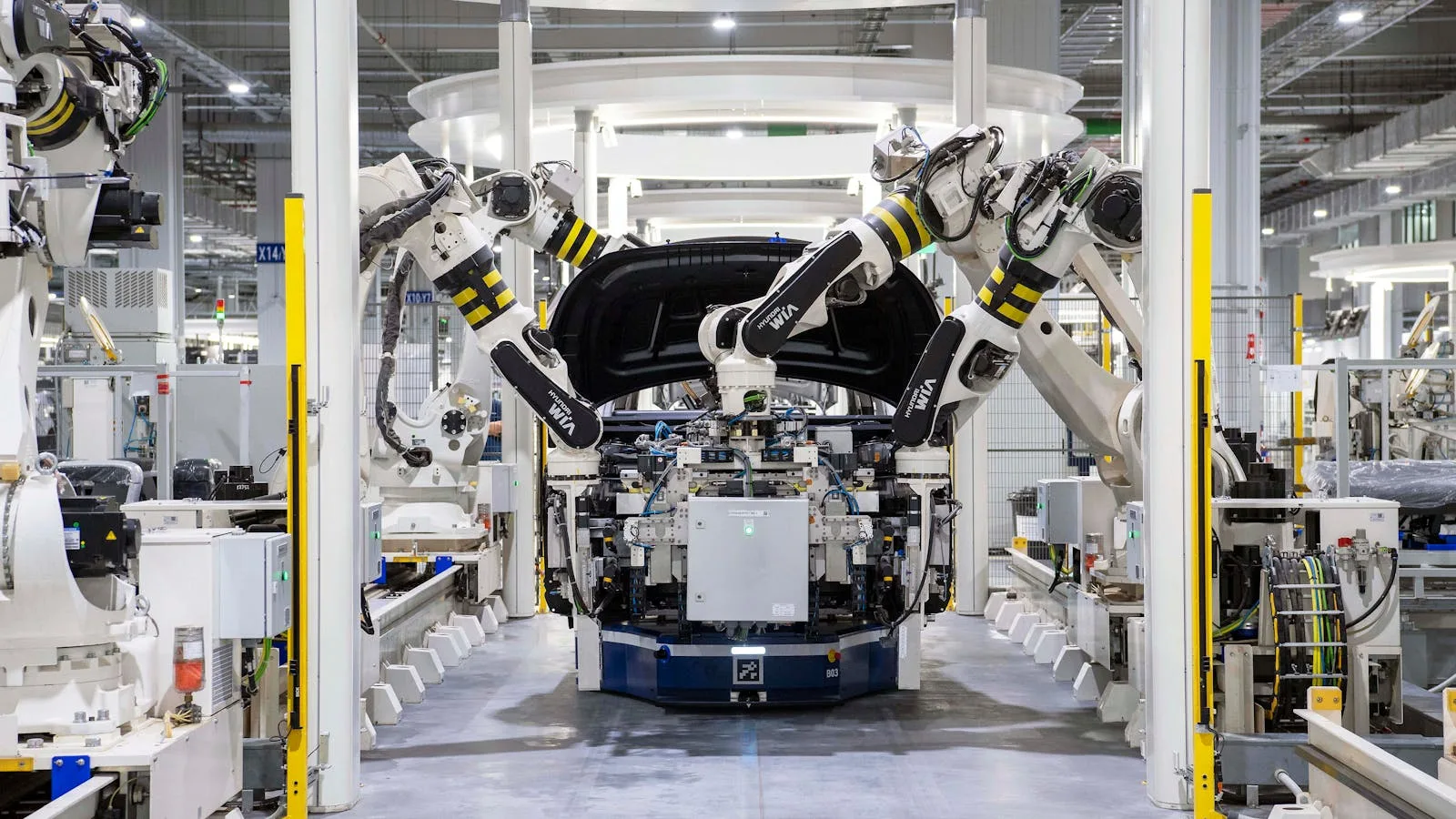
The Stellantis Microsoft AI partnership is one of the clearest 2026 examples of a legacy automaker treating AI, cloud infrastructure, and cybersecurity as core industrial systems rather than side experiments. On April 16, 2026, Stellantis and Microsoft said they had signed a five-year strategic collaboration to co-develop advanced AI, cybersecurity, and engineering capabilities across the automaker’s global business.
If you want the short version, the Stellantis Microsoft AI partnership is not just about putting a flashy assistant into a dashboard. It covers more than 100 AI initiatives across customer care, product development, and operations, creates an AI-driven cyberdefense center, and targets a 60% reduction in Stellantis’ datacenter footprint by 2029 as the company modernizes more of its stack on Microsoft Azure.
That is why the Stellantis Microsoft AI partnership matters. The real story is not a single new feature. It is an operating-model reset for a car company that needs to move faster on software, secure connected vehicles more aggressively, and lower the cost and complexity of the digital systems that now sit behind every modern brand experience.
This article draws on Reuters’ official report on the Stellantis and Microsoft five-year AI partnership, Microsoft’s joint April 16 announcement with Stellantis, and Reuters’ earlier reporting on how Stellantis’ in-car software effort with Amazon was winding down.
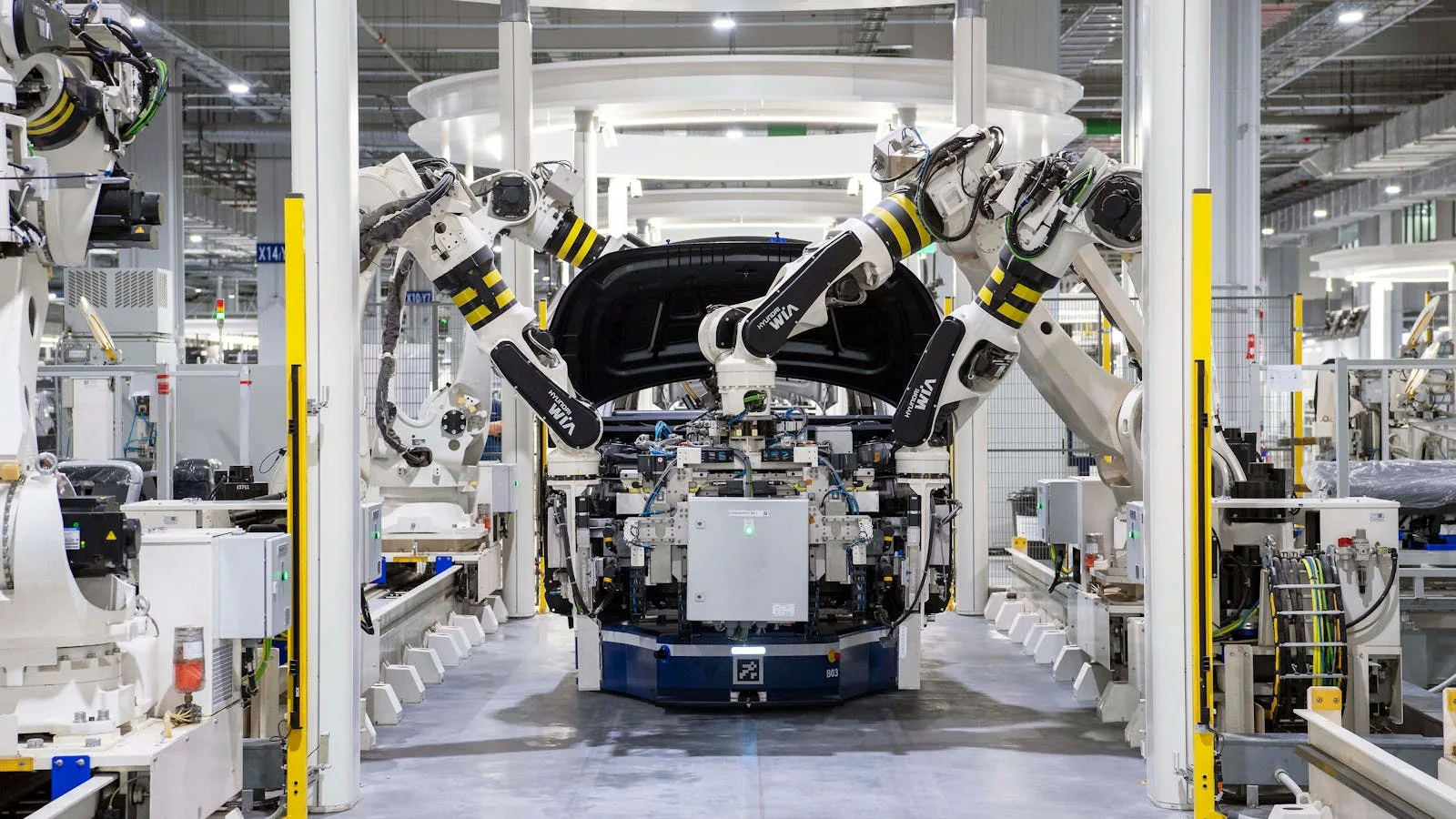

The Stellantis Microsoft AI partnership can be summarized in a few practical points.
- Stellantis and Microsoft announced the five-year deal on April 16, 2026.
- The collaboration covers more than 100 AI initiatives across customer care, product development, and operations.
- The companies will co-develop AI, cybersecurity, and engineering capabilities rather than run a small isolated pilot.
- Stellantis will build an AI-driven global cyberdefense center across IT systems, connected vehicles, manufacturing sites, and digital products.
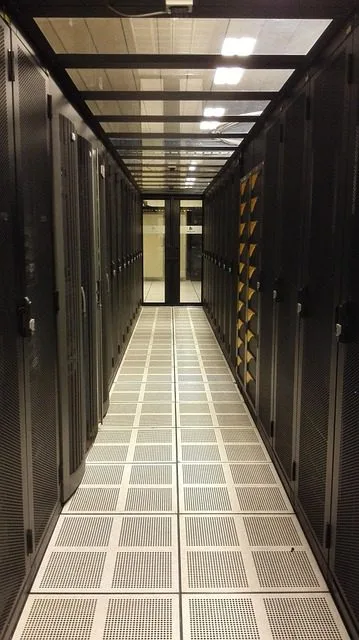
- The company is targeting a 60% reduction in its datacenter footprint by 2029 through Azure-based modernisation.
- Named use cases include AI-powered product development and validation, predictive maintenance and testing, and faster deployment of digital features and services.
- Peugeot drivers are one example of the customer-facing ambition, with Microsoft and Stellantis describing energy-efficient driving recommendations and proactive vehicle-health insights.
- Jeep drivers are another example, with the companies highlighting secure connectivity and protected data access in remote environments.
- Stellantis says all employees already have access to Copilot Chat, with an initial rollout of 20,000 Microsoft 365 Copilot licenses for selected roles.
- No financial terms were disclosed.

The Stellantis Microsoft AI partnership matters because the center of gravity in the auto industry has moved. Cars are still physical products, but software and data-driven services now shape everything around them: design cycles, validation, connected features, customer care, predictive maintenance, cybersecurity response, and after-sales support.
That shift has exposed a weakness for many legacy automakers. They are strong at scale manufacturing, supplier management, and brand portfolios, but they have often struggled to build fast-moving software organisations on their own. Reuters captured the broader pattern well: legacy carmakers are increasingly leaning on Big Tech partners because they need outside speed, cloud depth, and security expertise.
The timing also matters. Reuters noted that Chinese automakers are accelerating software and feature development quickly enough to pressure global rivals at home and abroad. Stellantis is therefore not just trying to look innovative. It is trying to compress decision cycles and reduce digital friction before competitors make that gap structural.
There is also a company-specific angle. Stellantis has experimented with major technology alliances before, but not all of them held. Reuters previously reported that parts of the automaker’s in-car software effort with Amazon were winding down as Stellantis refocused on core vehicle sales and quality. The Stellantis Microsoft AI partnership looks more grounded because it is tied to enterprise execution, security, validation, and infrastructure, not only to branded in-car experiences.
If you follow how large companies turn process bottlenecks into software systems, Progressive Robot’s coverage of workflow automation and AI in project management is useful context for understanding why this kind of partnership can matter more than a single consumer-facing feature launch.

1. The Stellantis Microsoft AI partnership is a five-year operating commitment, not a headline pilot
The first important fact is the duration. Five years is long enough to outlast a proof-of-concept phase and force real operating changes across architecture, staffing, procurement, and delivery. That makes the Stellantis Microsoft AI partnership more meaningful than a narrow announcement about a limited AI demo.
Microsoft’s release also says the companies will work side by side and use Microsoft-certified partners where needed. That signals sustained resourcing rather than a loose memorandum of understanding.
2. The Stellantis Microsoft AI partnership covers more than 100 AI initiatives
The second fact is scale. According to the joint announcement, Stellantis and Microsoft are co-developing more than 100 AI initiatives across customer care, product development, and operations.
That number matters because it shows the Stellantis Microsoft AI partnership is being spread across the enterprise rather than confined to one digital-brand team. The named examples include AI-powered product development and validation, predictive maintenance and testing, and faster deployment of digital features and services.
3. Cybersecurity is as central as AI in the Stellantis Microsoft AI partnership
Many summaries focus on AI and skip the security side. That is a mistake. Reuters and Microsoft both emphasise that the Stellantis Microsoft AI partnership includes a global cyberdefense center powered by AI-driven analytics.
The scope is broad: IT systems, connected vehicles, manufacturing sites, and digital products. In practice, that means Stellantis is treating cybersecurity as an end-to-end operating layer rather than a narrow IT function. For an automaker with connected brands, mobile apps, factories, and global logistics exposure, that is a much bigger strategic issue than simply adding one more digital service.
4. The Azure migration target is unusually concrete
One of the strongest signals in the whole announcement is not a generative AI promise. It is the 60% datacenter footprint reduction target by 2029. That gives the Stellantis Microsoft AI partnership a hard infrastructure metric that investors and industry observers can actually track.
This also helps explain the real purpose of the deal. Stellantis is not only buying AI narrative value. It is trying to simplify infrastructure, improve resilience, and reduce the sprawl of older systems that slow down digital delivery.
5. The Stellantis Microsoft AI partnership is supposed to show up in customer experience, not just back-office dashboards
Microsoft’s announcement includes examples involving Peugeot and Jeep, and those examples matter because they show the collaboration is meant to reach the customer layer. Peugeot drivers may get more contextual efficiency guidance and proactive health insights. Jeep drivers may benefit from more resilient connectivity and protected data access.
That does not mean consumers will see everything immediately. But it does mean the Stellantis Microsoft AI partnership is being framed as a driver-facing quality and service program, not only as an internal technology clean-up.
6. Workforce tooling is a major part of the Stellantis Microsoft AI partnership
Another under-reported fact is that this is also an employee productivity rollout. Microsoft says all Stellantis employees currently have access to Copilot Chat, while 20,000 Microsoft 365 Copilot licenses are being deployed for selected roles, supported by a dedicated training program.
That turns the Stellantis Microsoft AI partnership into more than an engineering or cloud agreement. It becomes a workforce-enablement project meant to change how teams write, analyse, collaborate, and move work through the business.
7. No financial details were disclosed, so execution is the real scorecard
The final critical fact is what was not announced. Reuters reported that no financial details were provided. That means the Stellantis Microsoft AI partnership cannot yet be judged on deal size, expected savings, or immediate revenue contribution.
Instead, the real scorecard will be operational. Do digital features ship faster? Does validation improve? Does the cyberdefense center reduce incident response times? Does Azure modernisation actually shrink datacenter dependency by 60%? Does Stellantis avoid repeating the stop-start pattern that affected earlier software partnerships? Those are the questions that will determine whether this becomes a case study in automotive transformation or just another ambitious press release.
What the Stellantis Microsoft AI partnership means for drivers
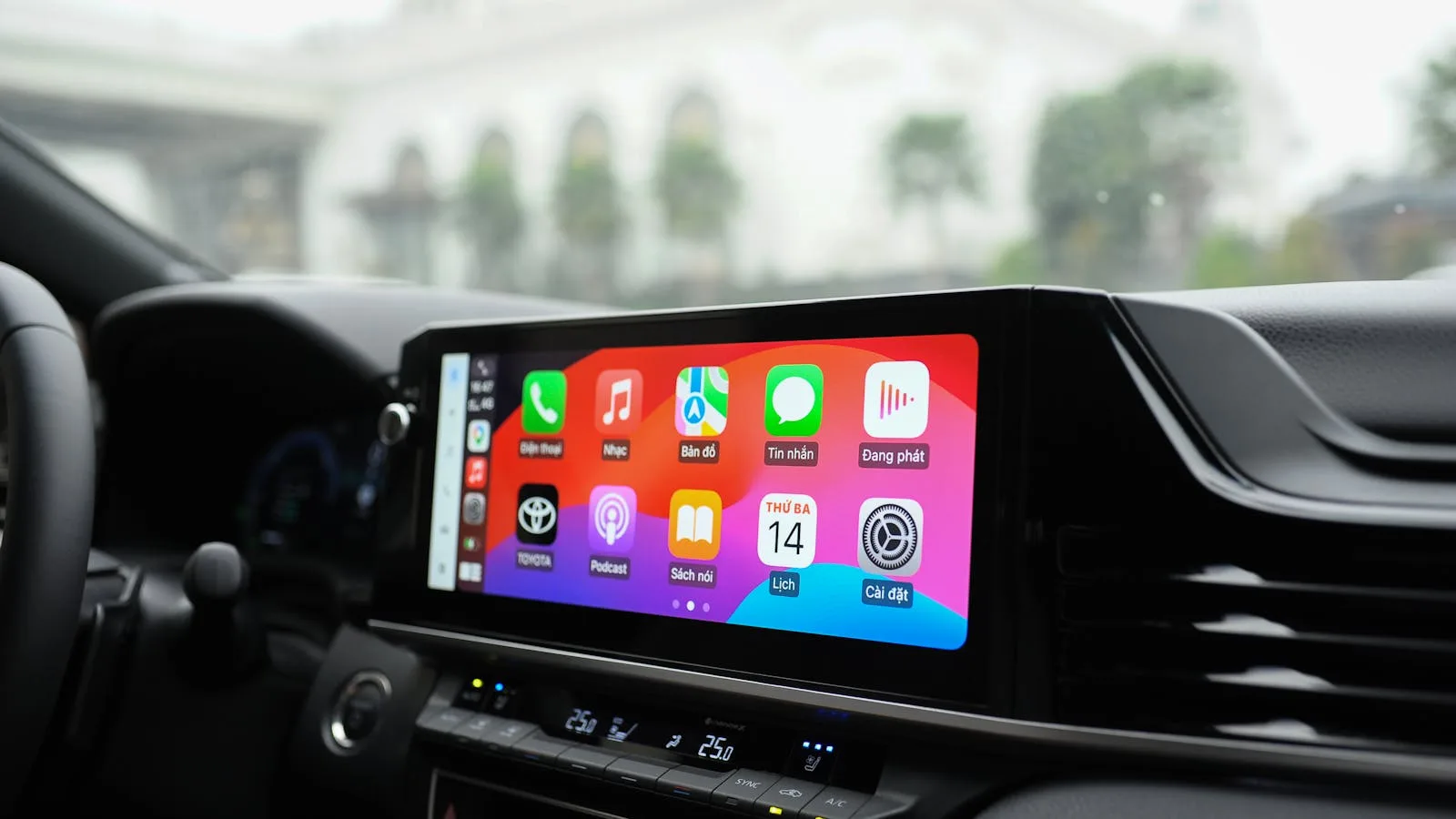
For drivers, the near-term effect of the Stellantis Microsoft AI partnership is likely to be subtle rather than dramatic. This is not the kind of deal that instantly creates a brand-new consumer product. Instead, it should gradually improve how connected services behave: more relevant recommendations, better health alerts, more reliable updates, and stronger data protection.
That can still matter a lot. In the software-defined vehicle era, trust is built less by headline demos and more by whether digital services actually work every day.
What the Stellantis Microsoft AI partnership means for engineers and factories
For engineering and operations teams, the impact could be larger. AI-powered validation, predictive maintenance, testing support, and faster deployment pipelines can shorten the time between concept, verification, and release. On the factory side, a stronger cyberdefense posture across manufacturing sites is increasingly necessary as plants become more connected and more exposed.
This is where the Stellantis Microsoft AI partnership has the best chance to create measurable value. Better internal execution compounds over time. Faster debugging, cleaner infrastructure, stronger security, and more reliable tooling usually matter more than one flashy feature announcement.
What the Stellantis Microsoft AI partnership means for the wider auto market
For the market, the deal reinforces a bigger truth: major automakers are becoming dependent on a handful of cloud and AI platforms to stay competitive. Microsoft, Amazon, Google, and Nvidia are no longer only suppliers to the car industry. They are increasingly part of the operating stack.
The Stellantis Microsoft AI partnership is therefore also a competitive signal to Tesla, Chinese EV makers, and other incumbents. Stellantis is saying it does not plan to solve the software race alone, and it no longer thinks it should.

What is the Stellantis Microsoft AI partnership?
It is a five-year strategic collaboration announced on April 16, 2026, focused on co-developing AI, cybersecurity, and engineering capabilities across Stellantis’ business.
How long does the Stellantis Microsoft AI partnership last?
The announced term is five years.
What will AI be used for in the partnership?
The companies say the work will cover more than 100 initiatives across customer care, product development, and operations, including product validation, predictive maintenance and testing, and faster rollout of digital features.
What is the cyberdefense part of the deal?
Stellantis plans to operate an AI-driven global cyberdefense center spanning IT systems, connected vehicles, manufacturing sites, and digital products to detect threats faster and improve resilience.
What does the 60% datacenter reduction target mean?
It means Stellantis wants to modernise more of its infrastructure on Microsoft Azure and reduce its physical datacenter footprint by 60% by 2029.
Does this replace Stellantis’ earlier Amazon software efforts?
Not directly, but it does show a shift. Reuters had already reported that parts of Stellantis’ in-car software work with Amazon were winding down, and this Microsoft deal is broader, more enterprise-focused, and more explicitly tied to AI, cloud infrastructure, and security.
More AI coverage: explore Progressive Robot's AI Models, Tools & Releases hub — hands-on reviews, setup guides and benchmarks in one place.










