

Technology keeps evolving, and so do the tools developers use. WCF Web Service & WPF Application Development remain powerful choices for building modern applications. These Microsoft frameworks help create secure, scalable, and visually stunning solutions.
This guide explores WCF Web Service & WPF Application Development in detail. We will cover their key benefits, real-world uses, challenges, and future trends. Whether you’re a developer or a business, understanding these technologies can help you make better decisions.
Understanding WCF Web Service & WPF Application Development
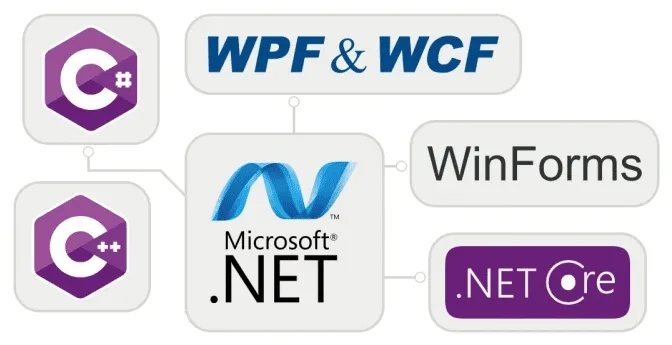
WCF Web Service & WPF Application Development serve different but complementary purposes. WCF (Windows Communication Foundation) specializes in building secure and reliable web services. It supports multiple protocols like SOAP and REST, making integration easier.
WPF (Windows Presentation Foundation) focuses on creating rich desktop application interfaces. It uses XAML for UI design, enabling smooth animations and data binding. Together, WCF Web Service & WPF Application Development provide a complete solution for enterprise applications.
Key Benefits of WCF Web Services
WCF Web Service & WPF Application Development offer unique advantages. WCF ensures seamless interoperability across different platforms. It works with SOAP, REST, and other protocols, making it highly flexible.
Security is another strong point of WCF Web Service development. It supports encryption, authentication, and secure messaging. This makes it ideal for banking, healthcare, and other sensitive industries.
WCF also handles distributed transactions efficiently. Multiple operations can be grouped into a single transaction. This prevents data inconsistencies in complex systems. Hosting flexibility is another benefit, as WCF services can run on IIS, Windows Services, or self-hosted environments.
Key Benefits of WPF Applications

WCF Web Service & WPF Application Development together create powerful solutions. WPF excels in delivering visually appealing user interfaces. Developers can design high-quality UIs with animations, 3D graphics, and custom controls.
Another advantage is the separation of design and logic. XAML defines the UI, while C# handles the backend. This makes maintenance and updates easier. Data binding in WPF reduces manual coding by automatically syncing data with UI elements.
WPF also integrates smoothly with other .NET technologies. Developers can use Entity Framework, LINQ, and MVVM patterns efficiently. This enhances productivity and application performance.
Real-World Applications of WCF & WPF
WCF Web Service & WPF Application Development power many industry-leading solutions. Financial institutions like JPMorgan Chase use WCF for secure transaction processing. Its reliability ensures smooth operations even during peak loads.
E-commerce platforms like eBay rely on WCF for order management. The framework’s scalability handles millions of transactions without issues. WPF, on the other hand, enhances user experience in apps like Zillow. Real-time property data and interactive maps improve customer engagement.
Healthcare systems also benefit from WCF Web Service & WPF Application Development. Patient records and appointment scheduling become more efficient. These examples show how versatile these technologies are.
Future Trends in WCF Web Service Development
WCF Web Service & WPF Application Development continue to evolve. Cloud integration is a major trend, with WCF services moving to Azure. Microservices architecture is also gaining traction for better scalability.
Security enhancements remain a priority. New encryption standards and compliance measures will strengthen data protection. RESTful APIs are becoming more popular, making WCF more adaptable to mobile and web apps.
Performance optimisations will reduce latency and improve speed. These advancements ensure WCF remains relevant in modern development.
Future Trends in WPF Application Development
WCF Web Service & WPF Application Development are embracing new innovations. WPF is focusing on richer UI experiences with advanced animations. Touch and gesture support will enhance usability across devices.
Cloud integration allows WPF apps to sync data seamlessly. Cross-platform development tools may expand WPF beyond Windows. Performance improvements will make applications faster and more responsive.
DevOps and CI/CD pipelines are being optimised for WPF. This speeds up deployment and updates. These trends ensure WPF stays competitive in the desktop app market.
Why Choose WCF & WPF for Your Next Project?
WCF Web Service & WPF Application Development offer a winning combination. WPF delivers stunning interfaces, while WCF ensures robust backend services. This makes them ideal for finance, healthcare, and enterprise solutions.
Businesses benefit from scalability, security, and seamless integration. Developers enjoy flexibility and powerful tools. Progressive Robot specializes in WCF Web Service & WPF Application Development.
Our team builds high-performance, secure, and visually impressive applications. Contact us today to discuss your project needs. Let’s create something amazing together!










