

Hybrid AI architectures are becoming the practical answer to a hard enterprise problem: how do teams get better AI performance without letting cloud bills, latency, data risk, and vendor dependency grow out of control? The answer is rarely one model, one cloud, or one deployment pattern.
Instead, organizations are combining frontier APIs, smaller open models, private infrastructure, retrieval systems, edge inference, and workflow routing. The best workload goes to the best place at the right time. A sensitive document may stay private. A high-value reasoning task may use a frontier model. A repeated classification task may run on a cheaper specialized model.
For leaders building an AI strategy, hybrid AI architectures optimize cost and performance by turning model choice into an operating system. The goal is not to use every tool. The goal is to match accuracy, speed, privacy, and cost to the business value of each task.
| Design choice | Cost and performance impact |
|---|---|
| Model routing | Sends simple tasks to cheaper models and complex tasks to stronger models |
| Edge inference | Reduces latency and bandwidth for local decisions |
| Private deployment | Keeps sensitive data under stronger control |
| Cloud APIs | Provides fast access to advanced capability without owning every model |
| Observability | Shows cost, latency, quality, and failure patterns by workflow |

Hybrid AI architectures at a glance
Hybrid AI architectures combine multiple AI deployment patterns inside one operating model. A company may use a frontier model API for complex reasoning, a self-hosted open model for internal summarization, an edge model for real-time inspection, and a retrieval layer connected to approved enterprise knowledge.
This is different from simply using many AI tools. A hybrid architecture has rules. It defines which workloads go where, which data may leave controlled environments, how model outputs are evaluated, what fallbacks exist, and how teams measure cost per successful task.
The business case is straightforward. AI workloads vary widely. Some need maximum reasoning quality. Some need low latency. Some need strict privacy. Some need predictable unit economics. Treating all of them the same creates waste.
Hybrid AI architectures give teams a portfolio approach. Instead of asking whether cloud AI or private AI is better, teams ask which mix creates the best outcome for each workflow.

Why one AI stack rarely fits every workload
One AI stack rarely fits every workload because enterprise AI demand is uneven. A legal review assistant, factory vision model, support triage workflow, sales research agent, and developer copilot all have different accuracy, latency, security, and cost requirements.
A single frontier API may be excellent for reasoning but expensive for repetitive classification. A small local model may be cheap and fast but weak on open-ended planning. A fully private deployment may protect data but add operational complexity. An edge model may respond instantly but require lifecycle management across devices.
This is why Artificial Intelligence (AI) and Machine Learning (ML) programs need architecture decisions, not only model evaluations. The best model in a benchmark may be the wrong model for a low-margin, high-volume workflow.
Hybrid AI architectures help teams design for fit. They let organizations reserve expensive capability for tasks that justify it while using leaner systems where speed, control, or cost matters more.
Model routing turns AI cost into an engineering variable
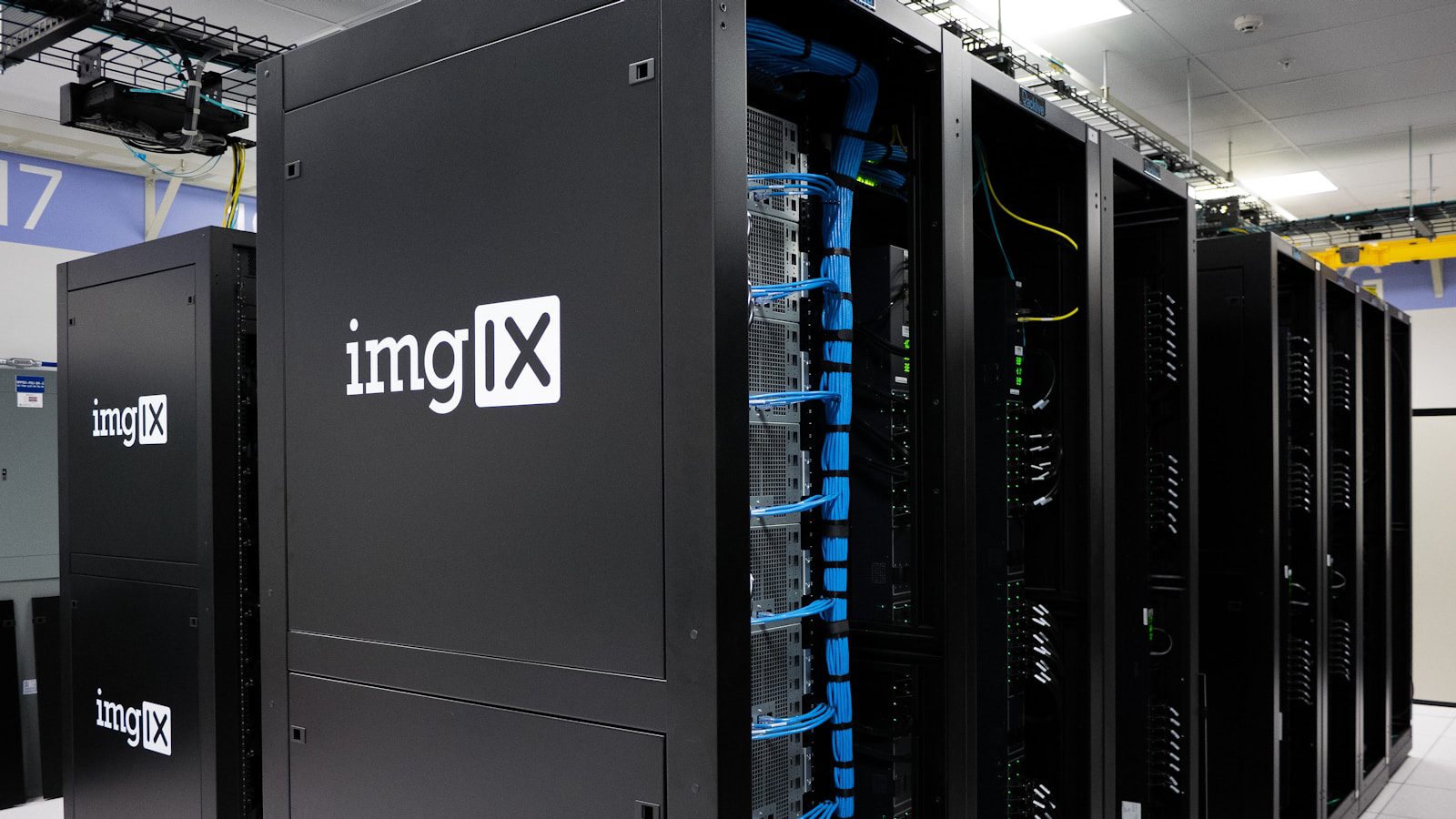
Model routing is one of the most important patterns in hybrid AI architectures. Instead of sending every prompt to the same model, a routing layer decides which model should handle the request based on task type, risk, data sensitivity, context length, expected value, and confidence requirements.
A simple sentiment classification may go to a small model. A support answer grounded in a knowledge base may go to a mid-tier model. A complex contract negotiation summary may go to a stronger model with stricter review. If the first model is uncertain, the workflow can escalate to a better model or a human.
This makes AI cost an engineering variable. Teams can measure cost per ticket, cost per lead, cost per report, or cost per resolved exception rather than only tokens. Routing also improves resilience because the system can fail over when a provider is unavailable or performance drops.
The FinOps Foundation is useful here because it frames cloud spending as a cross-functional operating practice. AI teams should apply the same discipline: allocate costs, measure value, tune usage, and make trade-offs visible.

Edge, private, and cloud AI each have a role
Edge, private, and cloud AI solve different problems. Edge AI is useful when decisions must happen close to the data source. Smart cameras, industrial sensors, retail devices, vehicles, and remote sites may need local inference because latency, bandwidth, or connectivity limits make round trips impractical.
Private AI is useful when data control matters. Financial documents, regulated records, source code, customer histories, and internal strategy may require stronger boundaries. A private model or private retrieval layer can reduce exposure while still supporting automation.
Cloud AI remains important because it gives teams fast access to powerful models, managed infrastructure, global scale, and rapid innovation. It can be the best choice for advanced reasoning, multimodal tasks, research workflows, and rapid prototyping.
Hybrid AI architectures do not treat these options as rivals. They place each option where it creates value. A workflow may use edge detection first, private retrieval second, and a cloud model only for high-value reasoning after sensitive data is filtered.

How hybrid AI architectures improve performance
Performance is not only model accuracy. It includes latency, throughput, availability, context quality, user experience, and operational reliability. Hybrid AI architectures improve performance by removing unnecessary work from the most expensive or slowest parts of the system.
For example, a retrieval layer can narrow context before a model call. A rules engine can handle deterministic checks. A small model can classify the request. A cached answer can serve repeated questions. A stronger model can focus on the few cases that require deeper reasoning.
This layered design often feels faster to users. They do not care whether the answer came from one model or three components. They care whether the workflow completed quickly, accurately, and safely.
The same idea supports workflow automation. AI should be embedded in the process with the right routing, checkpoints, and fallbacks, not bolted on as a single expensive step.

Data governance and security decide the architecture
Data governance should decide where AI work happens. A model routing layer is only useful if it understands data classes, user permissions, retention rules, vendor restrictions, and audit requirements. Without those rules, hybrid AI architectures can become shadow AI sprawl.
Teams should classify which data can go to public APIs, which data needs private processing, which data can be summarized, and which data must never enter a model prompt. They should also define logging rules because prompts and outputs may contain sensitive information.
Security matters across the whole stack. Cloud services need identity controls and vendor review. Private models need patching and access management. Edge systems need secure updates. Retrieval systems need source permissions. Agents need tool limits and audit trails.
The NIST AI Risk Management Framework is helpful because it emphasizes governance, mapping, measurement, and management across AI systems. Hybrid AI architectures need that discipline because more components create more places where risk can hide.

A practical roadmap for hybrid AI adoption
Start with workload mapping. List the AI use cases being built or requested, then score them by business value, volume, latency need, data sensitivity, accuracy requirement, and failure impact. This reveals where one architecture is creating unnecessary cost or risk.
Next, define routing policies. Decide which tasks can use low-cost models, which tasks require stronger models, which tasks must stay private, which tasks need human review, and which tasks can use cached or deterministic responses.
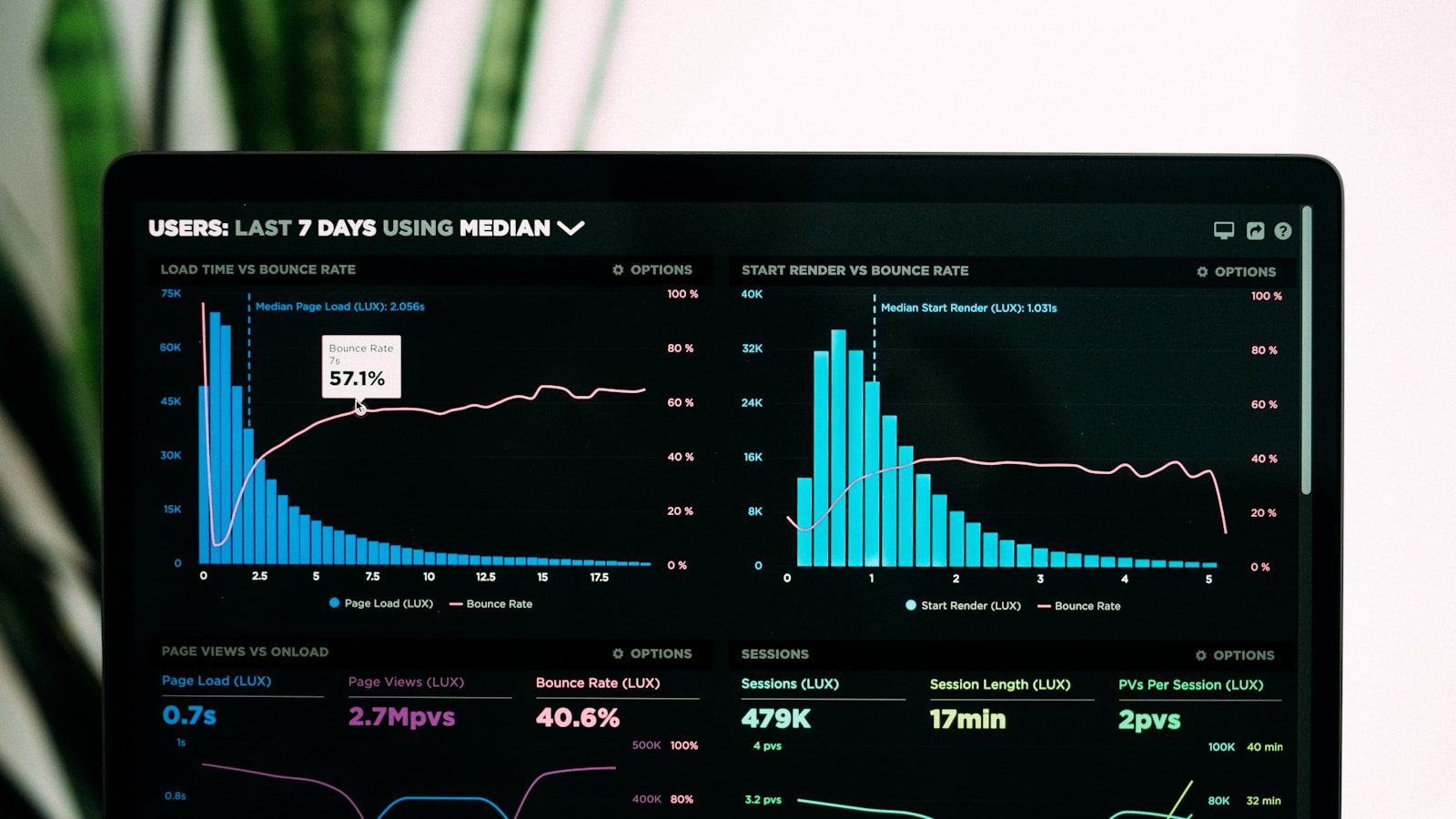
Then build observability before scaling. Track model choice, latency, token use, infrastructure cost, completion rate, quality scores, escalation rate, and human override rate. Hybrid AI architectures only optimize cost and performance when teams can see what each route is doing.
Finally, connect the roadmap to business process automation. A hybrid AI project should improve a real workflow with clear owners, service levels, rollback plans, and measurable outcomes.
What hybrid AI means for software and DevOps teams
Hybrid AI architectures change the work of software and DevOps teams. They must manage model access, orchestration, secrets, deployment environments, evaluation pipelines, fallback paths, and monitoring across more than one provider or runtime.
This increases architecture responsibility. Teams need interfaces that hide complexity from business users while preserving control underneath. A workflow should be able to call an AI capability without hardcoding one model forever.
DevOps practices become more important, not less. Versioning, testing, release gates, incident response, observability, and cost reporting need to cover prompts, retrieval, model routes, tool calls, and infrastructure. AI changes the assets being deployed, but it does not remove delivery discipline.
For organizations modernizing DevOps services, the takeaway is clear: build the AI platform as production infrastructure. Hybrid systems can save money and improve performance, but only if teams treat them as engineered systems rather than experiments.

Hybrid AI architectures FAQ
What are hybrid AI architectures?
Hybrid AI architectures combine cloud AI, private models, open models, edge inference, retrieval, routing, and workflow controls so each AI task runs in the environment that best matches its cost, performance, privacy, and reliability needs.
Why do hybrid AI architectures reduce cost?
They reduce cost by sending simple, repetitive, or low-risk tasks to cheaper models or local systems while reserving expensive frontier models for tasks that need stronger reasoning, larger context, or higher business value.
Do hybrid AI architectures improve performance?
Yes. They can improve performance by reducing latency, narrowing context, caching repeated work, using edge inference, adding fallbacks, and matching model strength to task complexity.
What is the biggest implementation risk?
The biggest risk is uncontrolled complexity. Without governance, observability, and clear ownership, a hybrid approach can become a maze of tools, vendors, models, and data flows that no one can manage.
How should companies choose which model runs a task?
Companies should route by task type, data sensitivity, latency need, quality requirement, cost target, volume, risk level, and escalation rules. The routing decision should be measured and improved over time.
Is hybrid AI only for large enterprises?
No. Smaller companies can also benefit by combining managed APIs with open-source tools, retrieval, automation, and simple routing rules. The key is to avoid overengineering before there is measurable demand.
What is the main takeaway?
The main takeaway is that hybrid AI architectures optimize cost and performance by giving teams choices. The strongest architecture is not the most complex one. It is the one that routes each workflow to the safest, fastest, and most cost-effective AI path.
Hybrid AI architectures are becoming the default for serious AI adoption because real workflows are too varied for a single model strategy. The organizations that build this capability early will have better control over spend, latency, privacy, resilience, and user trust.
If your team is scaling AI beyond experiments, start by mapping workloads and measuring cost per useful outcome. Then build the routing, governance, and observability layers that let the architecture improve over time.
More AI coverage: explore Progressive Robot's AI Models, Tools & Releases hub — hands-on reviews, setup guides and benchmarks in one place.