
Hybrid IT infrastructure energy efficiency consulting is becoming urgent because power availability now shapes cloud capacity, data-center expansion, workload placement, and enterprise pricing. The bottleneck is no longer only software architecture or procurement discipline; it is the physical electricity required to run digital services at scale.
For years, cloud felt elastic enough that infrastructure teams could treat capacity as a commercial decision. That assumption is weakening as AI growth, high-density computing, regional grid congestion, utility interconnect delays, and sustainability commitments collide with ordinary enterprise demand.
This guide explains how hybrid IT infrastructure energy efficiency consulting helps leaders assess power exposure, reduce waste, compare cloud and private capacity, and build a hybrid roadmap before national power bottlenecks show up as quota denials, higher prices, or delayed transformation projects.
Table of contents
- Why power gridlock has become an IT planning problem
- Cloud availability and regional energy realities
- Efficiency before new capacity
- Assessment deliverables
- The first ninety days
- Frequently asked questions
Why power gridlock has become an IT planning problem
Hybrid IT infrastructure energy efficiency consulting should begin where utility power availability now shapes where cloud and colocation capacity can actually grow. In that setting, leaders need to treat electricity as a constraint in workload placement, not only as a facilities issue. The aim is to connect cloud architecture, facilities reality, workload behavior, contract commitments, and business service value in one planning model.
The enterprise risk is concrete: applications can be architecturally sound and still be exposed when the preferred region cannot add enough power. Leaders should judge the work by avoided waste, better placement decisions, clearer capacity options, and fewer surprises when a provider or region cannot expand fast enough.
Data center power allocations are becoming scarce inventory
Hybrid IT infrastructure energy efficiency consulting should begin where providers reserve megawatts long before tenants see a finished building or new cloud zone. In that setting, capacity planning should account for power reservation, substation upgrades, generator permits, cooling density, and provider waitlists. The aim is to connect cloud architecture, facilities reality, workload behavior, contract commitments, and business service value in one planning model.
The enterprise risk is concrete: a purchase order for cloud services does not guarantee immediate capacity in the exact geography the business wants. Leaders should judge the work by avoided waste, better placement decisions, clearer capacity options, and fewer surprises when a provider or region cannot expand fast enough.
Cloud availability now depends on regional energy realities
Hybrid IT infrastructure energy efficiency consulting should begin where cloud regions depend on land, fiber, water, substations, transmission, and utility approvals. In that setting, the assessment should compare region capacity, quota behavior, resilience options, latency, and power procurement risk. The aim is to connect cloud architecture, facilities reality, workload behavior, contract commitments, and business service value in one planning model.
The enterprise risk is concrete: an enterprise may discover that the lowest-latency region is also the region with the hardest power expansion path. Leaders should judge the work by avoided waste, better placement decisions, clearer capacity options, and fewer surprises when a provider or region cannot expand fast enough.
Pricing pressure follows scarcity
Hybrid IT infrastructure energy efficiency consulting should begin where scarce capacity rarely stays invisible in commercial terms. In that setting, buyers should expect harder reservations, premium instance families, stricter quota approvals, longer commitment terms, and less negotiating room. The aim is to connect cloud architecture, facilities reality, workload behavior, contract commitments, and business service value in one planning model.
The enterprise risk is concrete: cloud prices can rise even when architecture waste is not the only cause. Leaders should judge the work by avoided waste, better placement decisions, clearer capacity options, and fewer surprises when a provider or region cannot expand fast enough. This is where Hybrid IT infrastructure energy efficiency consulting gives leaders a practical way to rank decisions before scarcity becomes an outage or budget shock.
Hybrid IT is becoming an energy strategy
Hybrid IT infrastructure energy efficiency consulting should begin where not every workload belongs in the same cloud region or data center tier. In that setting, hybrid planning should combine cloud, colocation, edge, managed services, and retained on-premises capacity around business service needs. The aim is to connect cloud architecture, facilities reality, workload behavior, contract commitments, and business service value in one planning model.
The enterprise risk is concrete: moving everything to the cloud can concentrate risk if the target regions are power constrained. Leaders should judge the work by avoided waste, better placement decisions, clearer capacity options, and fewer surprises when a provider or region cannot expand fast enough.
Efficiency should come before new capacity
Hybrid IT infrastructure energy efficiency consulting should begin where the cheapest megawatt is often the one the organization does not need to consume. In that setting, leaders should reduce idle systems, oversized clusters, forgotten environments, duplicated data, and inefficient batch jobs before chasing new capacity. The aim is to connect cloud architecture, facilities reality, workload behavior, contract commitments, and business service value in one planning model.
The enterprise risk is concrete: adding supply to a wasteful estate only buys time until the next constraint appears. Leaders should judge the work by avoided waste, better placement decisions, clearer capacity options, and fewer surprises when a provider or region cannot expand fast enough.
Start with a workload inventory that includes energy exposure
Hybrid IT infrastructure energy efficiency consulting should begin where many portfolios list applications without power, density, or utilization context. In that setting, the review should capture compute profile, storage growth, data movement, uptime tier, latency need, region dependency, and scheduling flexibility. The aim is to connect cloud architecture, facilities reality, workload behavior, contract commitments, and business service value in one planning model.
The enterprise risk is concrete: without this inventory, executives cannot tell which workloads are truly constrained and which are simply inefficient. Leaders should judge the work by avoided waste, better placement decisions, clearer capacity options, and fewer surprises when a provider or region cannot expand fast enough.
Utilization is the first efficiency signal
Hybrid IT infrastructure energy efficiency consulting should begin where underused servers, idle development environments, stale virtual machines, and always-on analytics clusters waste power and budget. In that setting, measurement should connect utilization to business ownership and decommissioning authority. The aim is to connect cloud architecture, facilities reality, workload behavior, contract commitments, and business service value in one planning model.
The enterprise risk is concrete: teams cannot optimize what nobody owns, and they cannot retire what no one is brave enough to question. Leaders should judge the work by avoided waste, better placement decisions, clearer capacity options, and fewer surprises when a provider or region cannot expand fast enough. This is where Hybrid IT infrastructure energy efficiency consulting gives leaders a practical way to rank decisions before scarcity becomes an outage or budget shock.
Rightsizing is not only a cost exercise
Hybrid IT infrastructure energy efficiency consulting should begin where oversized infrastructure consumes scarce capacity that another service may need. In that setting, consultants should connect instance size, storage class, database tier, and accelerator choice to service-level requirements. The aim is to connect cloud architecture, facilities reality, workload behavior, contract commitments, and business service value in one planning model.
The enterprise risk is concrete: rightsize decisions become more urgent when a region has limited headroom for new deployments. Leaders should judge the work by avoided waste, better placement decisions, clearer capacity options, and fewer surprises when a provider or region cannot expand fast enough.
Scheduling can move flexible demand away from peak pressure
Hybrid IT infrastructure energy efficiency consulting should begin where many batch, analytics, backup, testing, and model-processing workloads do not need peak-hour execution. In that setting, the placement model should identify deferrable work, business deadlines, retry windows, and lower-impact execution periods. The aim is to connect cloud architecture, facilities reality, workload behavior, contract commitments, and business service value in one planning model.
The enterprise risk is concrete: running every job immediately can increase capacity pressure without improving business outcomes. Leaders should judge the work by avoided waste, better placement decisions, clearer capacity options, and fewer surprises when a provider or region cannot expand fast enough.
Data movement quietly increases energy and price exposure
Hybrid IT infrastructure energy efficiency consulting should begin where replication, backups, analytics exports, model pipelines, logs, and cross-region transfers create hidden load. In that setting, the assessment should map data gravity, egress charges, duplication, retention, and network paths. The aim is to connect cloud architecture, facilities reality, workload behavior, contract commitments, and business service value in one planning model.
The enterprise risk is concrete: a workload can look small until its surrounding data movement consumes capacity elsewhere. Leaders should judge the work by avoided waste, better placement decisions, clearer capacity options, and fewer surprises when a provider or region cannot expand fast enough.
Latency tradeoffs need business evidence
Hybrid IT infrastructure energy efficiency consulting should begin where teams often insist on a nearby region without proving the customer impact. In that setting, leaders should test latency sensitivity, user geography, failover behavior, and caching options before accepting a constrained location. The aim is to connect cloud architecture, facilities reality, workload behavior, contract commitments, and business service value in one planning model.
The enterprise risk is concrete: unproven latency assumptions can lock the company into expensive regions with limited power headroom. Leaders should judge the work by avoided waste, better placement decisions, clearer capacity options, and fewer surprises when a provider or region cannot expand fast enough. This is where Hybrid IT infrastructure energy efficiency consulting gives leaders a practical way to rank decisions before scarcity becomes an outage or budget shock.
Resilience design can amplify demand
Hybrid IT infrastructure energy efficiency consulting should begin where active-active architectures, replicated databases, hot standby environments, and disaster recovery sites all consume capacity. In that setting, the consulting work should classify resilience by business criticality and recovery objectives. The aim is to connect cloud architecture, facilities reality, workload behavior, contract commitments, and business service value in one planning model.
The enterprise risk is concrete: overbuilding resilience for low-criticality systems wastes scarce power while critical systems may still lack the right protection. Leaders should judge the work by avoided waste, better placement decisions, clearer capacity options, and fewer surprises when a provider or region cannot expand fast enough.
Cloud quotas are an early warning signal
Hybrid IT infrastructure energy efficiency consulting should begin where capacity scarcity often appears first as denied quota increases or limited access to specific instance types. In that setting, teams should track quota failures, approval delays, region constraints, and alternative placement outcomes. The aim is to connect cloud architecture, facilities reality, workload behavior, contract commitments, and business service value in one planning model.
The enterprise risk is concrete: if quota friction is treated as an isolated ticket, leadership misses the broader capacity trend. Leaders should judge the work by avoided waste, better placement decisions, clearer capacity options, and fewer surprises when a provider or region cannot expand fast enough.
Reservations and commitments need a power-aware review
Hybrid IT infrastructure energy efficiency consulting should begin where large commitments can reduce unit pricing but limit flexibility when regions or workloads change. In that setting, buyers should model contract risk against capacity availability, workload forecasts, and efficiency improvements. The aim is to connect cloud architecture, facilities reality, workload behavior, contract commitments, and business service value in one planning model.
The enterprise risk is concrete: a bargain commitment is not a bargain if it traps demand in the wrong energy market. Leaders should judge the work by avoided waste, better placement decisions, clearer capacity options, and fewer surprises when a provider or region cannot expand fast enough.
Colocation decisions now require utility diligence
Hybrid IT infrastructure energy efficiency consulting should begin where colocation space can be available while power delivery remains constrained. In that setting, site evaluation should include utility interconnect status, substation capacity, cooling approach, expansion rights, and service-level history. The aim is to connect cloud architecture, facilities reality, workload behavior, contract commitments, and business service value in one planning model.
The enterprise risk is concrete: rack space without reliable power growth can become an expensive staging area for delayed projects. Leaders should judge the work by avoided waste, better placement decisions, clearer capacity options, and fewer surprises when a provider or region cannot expand fast enough. This is where Hybrid IT infrastructure energy efficiency consulting gives leaders a practical way to rank decisions before scarcity becomes an outage or budget shock.
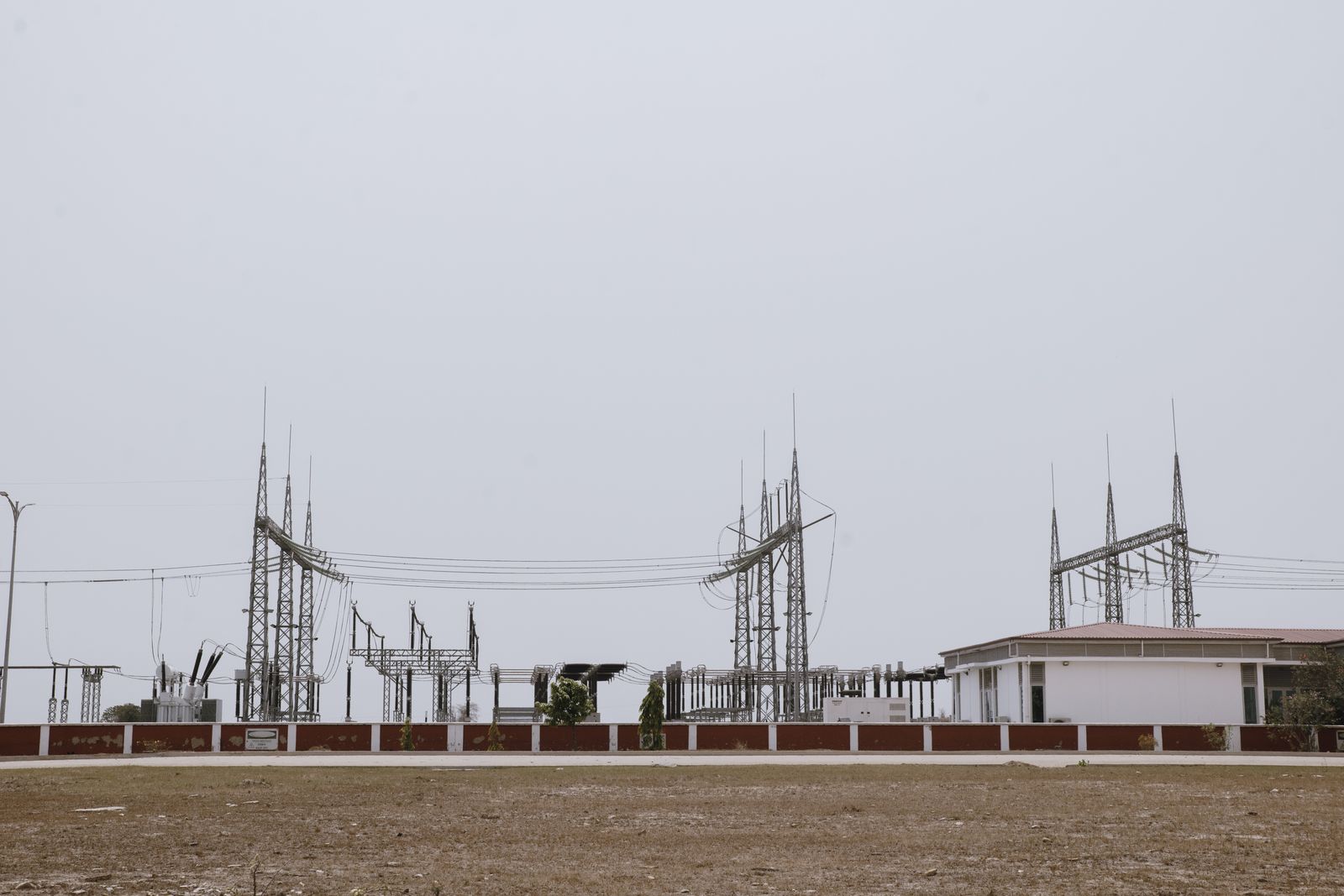
On-premises capacity may be worth keeping if it is efficient
Hybrid IT infrastructure energy efficiency consulting should begin where some organizations can use owned facilities as a pressure valve for stable workloads. In that setting, the decision should compare facility efficiency, depreciation, labor, security, resilience, and modernization cost. The aim is to connect cloud architecture, facilities reality, workload behavior, contract commitments, and business service value in one planning model.
The enterprise risk is concrete: retaining bad infrastructure is expensive, but abandoning efficient capacity can increase cloud scarcity exposure. Leaders should judge the work by avoided waste, better placement decisions, clearer capacity options, and fewer surprises when a provider or region cannot expand fast enough.
Edge placement can reduce data movement but adds governance
Hybrid IT infrastructure energy efficiency consulting should begin where distributed compute can keep data closer to users, plants, branches, or devices. In that setting, the assessment should balance local power, maintenance, security, observability, and lifecycle management. The aim is to connect cloud architecture, facilities reality, workload behavior, contract commitments, and business service value in one planning model.
The enterprise risk is concrete: edge deployments reduce one kind of pressure while creating another if governance is weak. Leaders should judge the work by avoided waste, better placement decisions, clearer capacity options, and fewer surprises when a provider or region cannot expand fast enough.
Cooling and rack density shape usable capacity
Hybrid IT infrastructure energy efficiency consulting should begin where high-density racks can hit cooling, floor loading, and distribution limits before logical capacity is exhausted. In that setting, infrastructure teams should connect workload density to airflow, liquid cooling readiness, power distribution units, and maintenance access. The aim is to connect cloud architecture, facilities reality, workload behavior, contract commitments, and business service value in one planning model.
The enterprise risk is concrete: a data hall can have physical space and still lack practical usable capacity. Leaders should judge the work by avoided waste, better placement decisions, clearer capacity options, and fewer surprises when a provider or region cannot expand fast enough.
AI growth makes the constraint visible faster
Hybrid IT infrastructure energy efficiency consulting should begin where accelerated computing increases power density and puts pressure on specific regions and providers. In that setting, the energy plan should separate real-time inference, batch inference, training, fine-tuning, and retrieval workloads. The aim is to connect cloud architecture, facilities reality, workload behavior, contract commitments, and business service value in one planning model.
The enterprise risk is concrete: AI programs can unintentionally consume the capacity needed for ordinary enterprise systems. Leaders should judge the work by avoided waste, better placement decisions, clearer capacity options, and fewer surprises when a provider or region cannot expand fast enough. This is where Hybrid IT infrastructure energy efficiency consulting gives leaders a practical way to rank decisions before scarcity becomes an outage or budget shock.
Sustainability targets are now operational constraints
Hybrid IT infrastructure energy efficiency consulting should begin where carbon goals, renewable procurement, water use, and reporting obligations influence infrastructure choices. In that setting, leaders should translate sustainability requirements into placement rules and measurable operating guardrails. The aim is to connect cloud architecture, facilities reality, workload behavior, contract commitments, and business service value in one planning model.
The enterprise risk is concrete: green claims collapse when workload growth ignores the physical resource plan behind them. Leaders should judge the work by avoided waste, better placement decisions, clearer capacity options, and fewer surprises when a provider or region cannot expand fast enough.
FinOps and GreenOps must share the same dashboard
Hybrid IT infrastructure energy efficiency consulting should begin where cloud cost teams see spend while sustainability teams see emissions and facilities teams see power. In that setting, a combined view should connect unit economics, utilization, energy intensity, service value, and carbon exposure. The aim is to connect cloud architecture, facilities reality, workload behavior, contract commitments, and business service value in one planning model.
The enterprise risk is concrete: separate dashboards create separate decisions and leave executives without one version of the infrastructure truth. Leaders should judge the work by avoided waste, better placement decisions, clearer capacity options, and fewer surprises when a provider or region cannot expand fast enough.
Procurement needs better questions
Hybrid IT infrastructure energy efficiency consulting should begin where traditional sourcing focuses on price, term, service levels, and legal protections. In that setting, power-aware sourcing should ask about regional headroom, renewable energy claims, expansion rights, cooling approach, and quota escalation. The aim is to connect cloud architecture, facilities reality, workload behavior, contract commitments, and business service value in one planning model.
The enterprise risk is concrete: the contract can look strong while the delivery path remains physically constrained. Leaders should judge the work by avoided waste, better placement decisions, clearer capacity options, and fewer surprises when a provider or region cannot expand fast enough.
Application modernization reduces power pressure
Hybrid IT infrastructure energy efficiency consulting should begin where legacy applications often consume more capacity because they cannot scale down, cache efficiently, or use managed services well. In that setting, modernization priorities should include energy-adjusted cost and regional placement flexibility. The aim is to connect cloud architecture, facilities reality, workload behavior, contract commitments, and business service value in one planning model.
The enterprise risk is concrete: old architectures make every capacity shortage worse because they need more infrastructure for the same business output. Leaders should judge the work by avoided waste, better placement decisions, clearer capacity options, and fewer surprises when a provider or region cannot expand fast enough. This is where Hybrid IT infrastructure energy efficiency consulting gives leaders a practical way to rank decisions before scarcity becomes an outage or budget shock.
Data architecture determines where compute must run
Hybrid IT infrastructure energy efficiency consulting should begin where analytics platforms, lakehouses, warehouses, and operational stores pull workloads toward their data. In that setting, teams should reduce unnecessary copies and design locality intentionally. The aim is to connect cloud architecture, facilities reality, workload behavior, contract commitments, and business service value in one planning model.
The enterprise risk is concrete: poor data architecture forces expensive compute placement even when better power or pricing exists elsewhere. Leaders should judge the work by avoided waste, better placement decisions, clearer capacity options, and fewer surprises when a provider or region cannot expand fast enough.
The risk model should include power concentration
Hybrid IT infrastructure energy efficiency consulting should begin where single-region dependence can be a business risk even when the cloud provider is reliable. In that setting, leaders should assess workload concentration, provider concentration, energy-market exposure, and recovery options. The aim is to connect cloud architecture, facilities reality, workload behavior, contract commitments, and business service value in one planning model.
The enterprise risk is concrete: resilience planning is incomplete if it ignores whether alternative regions can absorb demand. Leaders should judge the work by avoided waste, better placement decisions, clearer capacity options, and fewer surprises when a provider or region cannot expand fast enough.
The financial model should price scarcity
Hybrid IT infrastructure energy efficiency consulting should begin where standard total-cost models often treat capacity as available on demand. In that setting, the new model should include reservation premiums, migration friction, idle waste, delayed project value, and avoided capacity. The aim is to connect cloud architecture, facilities reality, workload behavior, contract commitments, and business service value in one planning model.
The enterprise risk is concrete: power scarcity turns efficiency into a source of financial optionality. Leaders should judge the work by avoided waste, better placement decisions, clearer capacity options, and fewer surprises when a provider or region cannot expand fast enough.
The operating model needs clear ownership
Hybrid IT infrastructure energy efficiency consulting should begin where energy efficiency sits between cloud, facilities, finance, sustainability, security, and application teams. In that setting, the program should define owners, decision rights, approval thresholds, exception paths, and reporting cadence. The aim is to connect cloud architecture, facilities reality, workload behavior, contract commitments, and business service value in one planning model.
The enterprise risk is concrete: without ownership, every team optimizes its own metric while the enterprise loses capacity discipline. Leaders should judge the work by avoided waste, better placement decisions, clearer capacity options, and fewer surprises when a provider or region cannot expand fast enough. This is where Hybrid IT infrastructure energy efficiency consulting gives leaders a practical way to rank decisions before scarcity becomes an outage or budget shock.
What an assessment engagement should deliver
Hybrid IT infrastructure energy efficiency consulting should begin where buyers need artifacts that survive budgeting and implementation. In that setting, deliverables should include workload inventory, power-risk heat map, region strategy, efficiency backlog, contract findings, modernization priorities, and governance metrics. The aim is to connect cloud architecture, facilities reality, workload behavior, contract commitments, and business service value in one planning model.
The enterprise risk is concrete: a generic cloud audit is not enough when the constraint is physical power and regional availability. Leaders should judge the work by avoided waste, better placement decisions, clearer capacity options, and fewer surprises when a provider or region cannot expand fast enough.
What to do in the first ninety days
Hybrid IT infrastructure energy efficiency consulting should begin where a practical program starts with the most constrained business services and the highest-growth workloads. In that setting, teams should map dependencies, measure utilization, model region exposure, identify quick wins, and rank placement decisions. The aim is to connect cloud architecture, facilities reality, workload behavior, contract commitments, and business service value in one planning model.
The enterprise risk is concrete: a focused first wave proves value before the organization tries to redesign the whole estate. Leaders should judge the work by avoided waste, better placement decisions, clearer capacity options, and fewer surprises when a provider or region cannot expand fast enough.
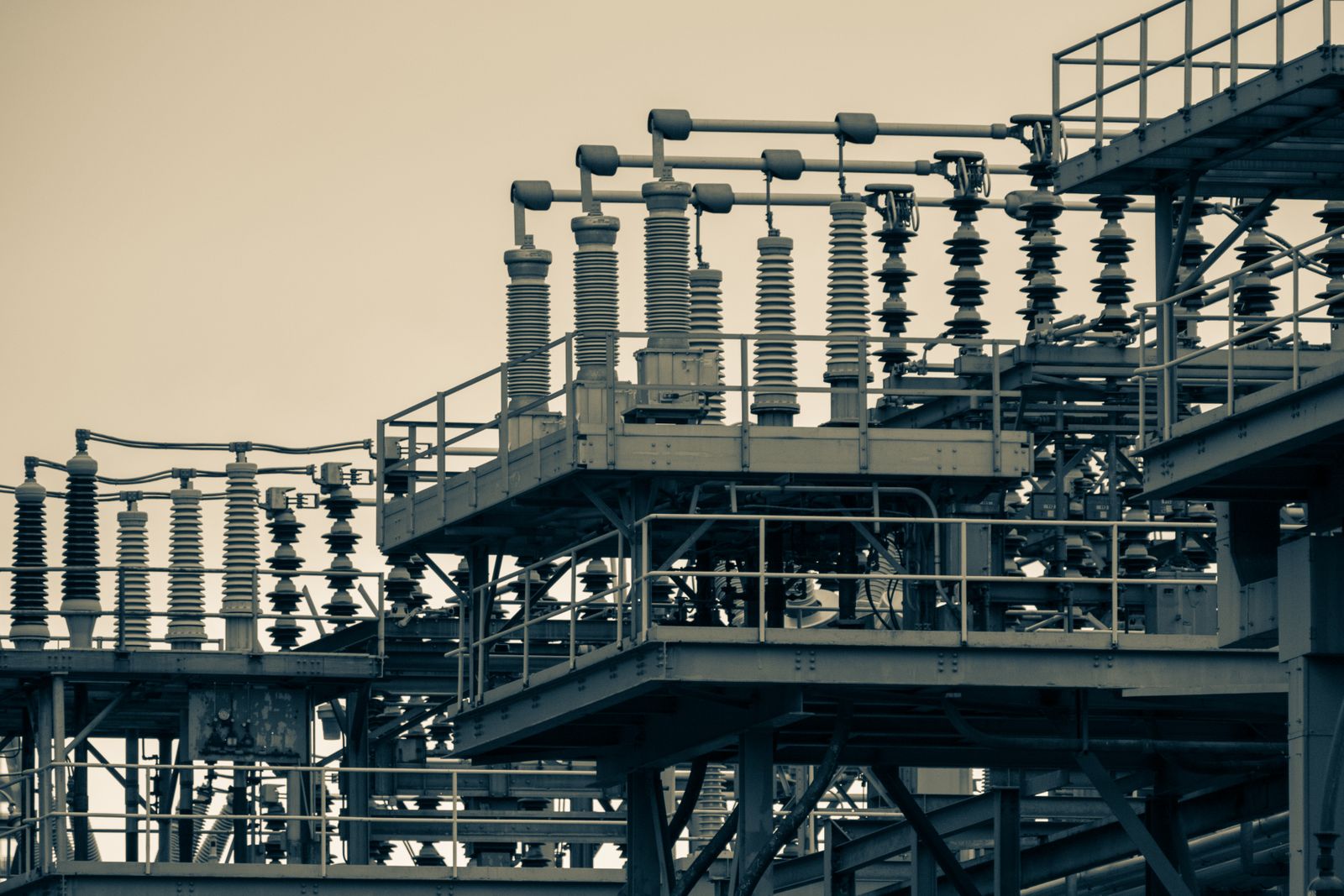
Executives need decision thresholds before the next bottleneck
Hybrid IT infrastructure energy efficiency consulting should begin where teams should not wait for a quota denial or facility delay to debate strategy. In that setting, leaders need agreed thresholds for moving workloads, renegotiating commitments, investing in modernization, or retaining efficient private capacity. The aim is to connect cloud architecture, facilities reality, workload behavior, contract commitments, and business service value in one planning model.
The enterprise risk is concrete: delayed decisions turn infrastructure scarcity into project delays, customer risk, and budget surprises. Leaders should judge the work by avoided waste, better placement decisions, clearer capacity options, and fewer surprises when a provider or region cannot expand fast enough.
The final verdict on data center power allocations
Hybrid IT infrastructure energy efficiency consulting should begin where national power bottlenecks are changing the economics of enterprise infrastructure. In that setting, organizations that measure demand, remove waste, diversify placement, and modernize inefficient workloads will have more options. The aim is to connect cloud architecture, facilities reality, workload behavior, contract commitments, and business service value in one planning model.
The enterprise risk is concrete: the winners will not simply buy more cloud; they will use power-aware hybrid IT planning to protect availability, price, and delivery speed. Leaders should judge the work by avoided waste, better placement decisions, clearer capacity options, and fewer surprises when a provider or region cannot expand fast enough. This is where Hybrid IT infrastructure energy efficiency consulting gives leaders a practical way to rank decisions before scarcity becomes an outage or budget shock.
Frequently asked questions about data center power allocations
What is hybrid IT infrastructure energy efficiency consulting?
Hybrid IT infrastructure energy efficiency consulting helps organizations assess workload demand, cloud placement, data-center capacity, power exposure, utilization waste, and modernization priorities so infrastructure decisions account for energy constraints.
Why are power bottlenecks affecting cloud availability?
Cloud capacity depends on data centers, substations, transmission, cooling, land, permits, and utility interconnects. When those inputs lag demand, enterprises may see quota limits, region scarcity, longer lead times, or higher pricing.
Does hybrid IT reduce power risk?
It can. Hybrid IT infrastructure energy efficiency consulting compares cloud, colocation, edge, managed services, and private infrastructure so workloads are placed where performance, cost, resilience, and power availability align.
Should companies keep on-premises capacity?
Sometimes. Efficient owned capacity can protect stable workloads from constrained cloud regions, but inefficient facilities should not be kept for nostalgia. The decision needs evidence across cost, risk, energy, and modernization needs.
What is the fastest first step?
A focused hybrid IT infrastructure energy efficiency consulting assessment can start by inventorying high-growth workloads, measuring utilization, finding idle waste, reviewing region exposure, and ranking quick wins that reduce capacity pressure.
How does this differ from a normal cloud cost review?
Hybrid IT infrastructure energy efficiency consulting includes cost, but it also considers power allocation, cooling density, utility constraints, resilience, sustainability, and regional capacity risk. The goal is availability and optionality, not only lower bills.
References and further reading
International Energy Agency Electricity 2024 report
U.S. Department of Energy Better Buildings Data Center Accelerator
ENERGY STAR data center equipment guidance
NREL data center energy efficiency research
Progressive Robot cloud computing services
Progressive Robot IT consulting services
Progressive Robot data analytics services
Progressive Robot on cloud modernization and re-platforming
Progressive Robot on high-density data center cooling strategy