

Gamification in Banking has become one of the most effective strategies to increase customer engagement and loyalty in the financial industry. With the rapid growth of mobile banking apps, particularly during and after the pandemic, banks are under pressure to offer more than just basic services. Customers now expect secure, seamless, and interactive digital experiences.
A recent survey by S&P Global Market Intelligence revealed that the use of mobile banking apps skyrocketed from 20% in 2020 to 65% in 2021. Moreover, 88% of respondents said they would continue using banking apps even after the pandemic officially ended.
This rapid rise in mobile banking adoption, coupled with changing consumer shopping behaviours, has intensified competition in the financial industry. To attract new customers and retain existing ones, banking institutions are seeking innovative ways to engage clients. One of the most effective approaches has been gamification in banking—the practice of incorporating game-like features into financial services to make them more interactive and engaging.
In this article, we’ll explore what gamification in banking is, the most effective gamification features, the benefits it brings to both customers and financial institutions, real-world examples, and how banks can implement it successfully.
What Is Gamification in Banking?

Gamification in banking refers to the use of game design principles and elements—such as points, levels, rewards, badges, and challenges—within digital financial platforms. The goal is not merely entertainment, but rather to encourage certain user behaviours, foster loyalty, and enhance customer engagement.
Modern customers demand more than basic functionality from banking apps. They want:
Efficiency: swift, error-free financial transactions.
Security: robust protection of personal and financial data.
Engagement: an enjoyable, user-friendly, and interactive experience.
McKinsey research shows that during the pandemic, 75% of customers were willing to switch brands, including banking services, in search of better experiences. Gamification provides banks with an opportunity to retain their users by adding elements of fun and motivation while still maintaining professionalism and trustworthiness.
Key Gamification Features to Include in Banking Apps
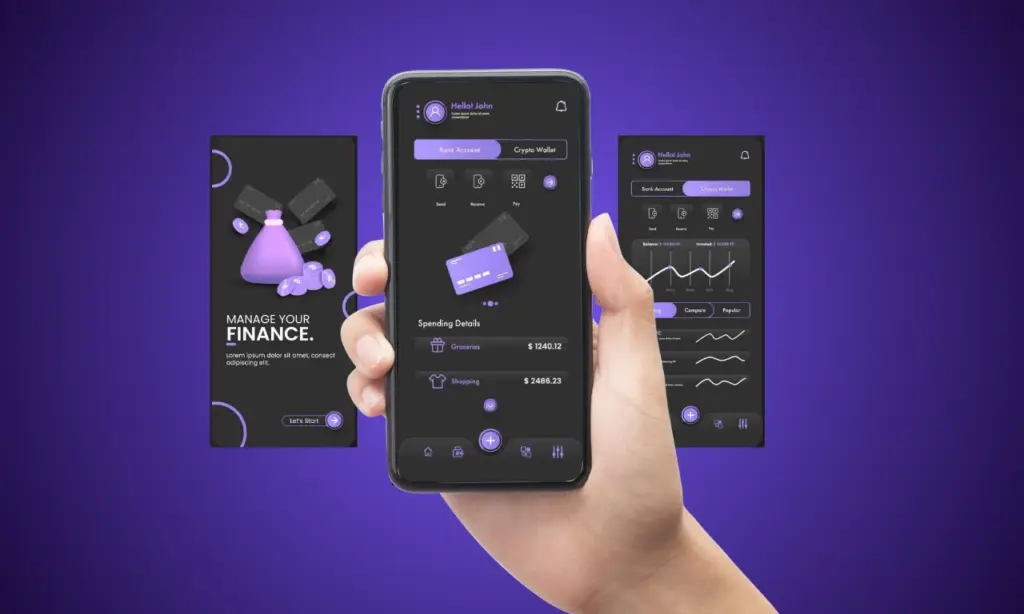
While the term “gamification” may sound like simple entertainment, in reality, it involves sophisticated behavioral and marketing techniques that encourage user participation, learning, and loyalty. Let’s break down the most impactful gamification features banks can adopt.
1. Points and Rewards
Customers earn points for achieving milestones such as:
Keeping a minimum balance for a certain period.
Paying bills using a credit card.
Making frequent savings deposits.
These points can later be redeemed for rewards like discounts, free services, or exclusive offers.
2. Levels and Progression
By introducing levels, banks allow customers to track progress from “beginner” to “expert.” Each new level can unlock:
Discounts.
Cashback offers.
Premium features.
This encourages consistent use of the banking app.
3. Leaderboards
Adding a competitive element can increase engagement. Leaderboards allow users to compare progress, savings goals, or investment achievements with peers.
4. Progress Charts
Visualizing financial progress keeps customers motivated. For example:
A chart showing how close a user is to their savings goal.
A progress bar for loan repayment.
5. Badges and Achievements
Badges showcase milestones such as:
“First Payment Completed.”
“Top Saver of the Month.”
Achievements help customers feel accomplished and invested in the app.
6. Customizable Avatars
Avatars allow personalisation, giving users the ability to differentiate themselves within the banking app.
7. Quests and Challenges
Banks can design quests to encourage customers to explore different services. For example:
Completing a savings challenge.
Exploring educational content about credit.
8. Polls and Feedback
Gamified surveys and polls gather valuable customer insights while keeping users engaged.
9. Lotteries and Prize Draws
Adding elements of chance excites users and encourages regular participation. For example: entering customers into a draw each time they use the app.
10. Easter Eggs
Hidden features or rewards based on social trends can enhance relatability and strengthen customer loyalty.
Benefits of Gamification in Banking

Gamification in banking is more than a novelty. It offers measurable benefits for both financial institutions and their customers:
Increased Deposits: Rewards and saving challenges encourage more deposits.
Improved Saving Habits: Customers are nudged toward healthier financial behaviour.
Enhanced Customer Education: Gamified tutorials and content simplify complex banking topics.
Stronger Customer Retention: Users return frequently to engage with interactive features.
Valuable Insights for Banks: Gamification provides behavioral data for better service personalisation.
Higher Financial Literacy: Fun and engaging features make financial education more appealing for all age groups.
Examples of Gamification in the Banking Industry
Several banks worldwide have successfully implemented gamification strategies:
1. BBVA Game (Spain)
BBVA launched an app where customers earn points for watching educational videos on financial topics. These points could be redeemed for rewards such as music downloads or movie streams. The app gained 150,000+ users and earned a 4.4-star rating on Google Play.
2. Emirates NBD Fitness Account (UAE)
This unique app combines health and finance. It rewards users with higher interest rates on savings accounts based on the number of steps they take daily. Users also receive discounts on insurance. The app has over 105,000 downloads and a 4.6-star rating.
3. PNC Bank’s “Punch The Pig” (USA)
PNC Bank introduced an interactive feature that lets customers “punch a piggy bank” to transfer funds into savings. This creative design teaches saving habits in a fun and engaging way, allowing customers to set both short- and long-term goals.
These examples highlight how gamification can be used to increase engagement, improve financial literacy, and enhance customer experience.
How Banks Can Implement Gamification Successfully
Implementing gamification in banking apps requires a careful balance between entertainment and professionalism. Here are the steps to success:
1. Define Clear Objectives
Banks must first determine what they want to achieve:
Increase savings deposits.
Encourage investment adoption.
Promote digital service usage.
2. Understand the Audience
Different demographics respond to gamification differently. For example:
Younger users may prefer leaderboards and avatars.
Older users may respond better to badges and educational quests.
3. Ensure Security and Trust
Any gamification feature must comply with strict data privacy and financial regulations. Security should never be compromised for engagement.
4. Focus on Education
Gamification should not just entertain but also educate customers about financial literacy, investment risks, and safe banking practices.
5. Test and Iterate
Regularly update gamified features based on user feedback and engagement metrics.
The Future of Gamification in Banking
As customer expectations evolve, gamification in banking will play an increasingly vital role. Key trends include:
Integration with Wearables: Linking apps with smartwatches to gamify savings through fitness.
AI-Driven Personalisation: Using AI to provide customised quests and financial tips.
Social Banking Communities: Creating interactive spaces where customers share progress and compete.
Gamified Investments: Encouraging micro-investments with badges, goals, and rewards.
Banks that embrace these innovations will gain a competitive edge by offering apps that are not just functional, but truly engaging.
Conclusion

The surge in mobile banking adoption during and after the pandemic has created new opportunities for financial institutions to innovate. With fierce competition in the market, banks must go beyond offering basic services. Gamification in banking provides an effective way to keep users engaged, encourage healthy financial behaviours, and improve overall customer experience.
However, success depends on careful implementation. Banks must strike the right balance between professionalism and playfulness, ensuring that gamification features add genuine value without undermining trust.
At Progressive Robot, we specialise in creating innovative banking solutions that seamlessly integrate gamification, security, and financial functionality. If you’re looking to build a next-generation banking app that engages and retains customers, contact our expert team today.










