

A digital carbon footprint is the greenhouse gas impact created by the technology people use every day: laptops, phones, networks, websites, cloud workloads, software, storage, video calls, AI jobs, and the electricity behind them. It is easy to overlook because the work feels invisible, but every digital service depends on physical devices, data centers, grids, and supply chains.
The good news is that reducing a digital carbon footprint does not mean going offline or slowing the business. It means removing waste, buying smarter, extending device life, choosing cleaner infrastructure, designing efficient software, and helping employees use digital tools with more intent.
The Green Software Foundation frames software carbon reduction around three actions: using fewer physical resources, using less energy, and using energy more intelligently. The Green Web Foundation helps organizations check whether websites run on verified green energy. Cloud Carbon Footprint helps teams estimate cloud emissions from usage data, data center efficiency, and grid carbon intensity.
For businesses working with Environmental Technologies, the practical goal is measurement followed by action. A digital carbon footprint program should find waste, prioritize the biggest sources, and make lower-carbon technology the default choice.
| Digital area | Common source of waste | Better default |
|---|---|---|
| Devices | early replacement and idle power | repair, reuse, power management |
| Cloud | oversized resources and unused storage | rightsizing, scheduling, region review |
| Websites | heavy pages and inefficient media | lighter assets, caching, green hosting |
| Collaboration | file duplication and meeting overload | retention rules, async updates, cleanup |
| Software | unnecessary processing | efficient code, fewer calls, measured impact |
Digital carbon footprint at a glance

A digital carbon footprint includes more than electricity used by a laptop. It also includes the embodied carbon of devices, network traffic, data center power, cloud regions, software behavior, storage, and procurement choices. That makes it a shared responsibility across IT, operations, procurement, sustainability, security, finance, and employees.
The first step is to separate direct action from supplier action. A company can control device lifecycles, software efficiency, data retention, meeting habits, and cloud configuration. It can influence suppliers by asking for renewable energy, repairability, product carbon data, efficient hosting, and credible emissions reporting.
Carbon Trust explains that Scope 3 emissions often sit outside direct operations and can reveal major value-chain reduction opportunities. Digital systems can touch Scope 2 electricity and Scope 3 purchased goods, cloud services, devices, and supplier activity.
That is why a digital carbon footprint should be managed like a portfolio. Start where the organization has data and authority, then expand as measurement improves.
Strategy 1: measure devices, cloud, and websites

The first powerful strategy is measurement. You cannot reduce what you cannot see. A digital carbon footprint baseline should include employee devices, cloud spend, storage, websites, software platforms, collaboration tools, and major digital suppliers.
Begin with accessible data. Inventory laptops, monitors, phones, printers, and network equipment. Pull cloud billing exports. Check website hosting. List the biggest SaaS platforms. Review backup volumes, file shares, media libraries, and data retention rules.
For cloud workloads, tools such as Cloud Carbon Footprint can estimate emissions by converting usage data into energy and considering data center efficiency and regional carbon intensity. The estimate will not be perfect, but it gives teams a directionally useful way to find waste.
For Cloud Computing teams, the best measurement habit is to connect carbon reviews to cost reviews. Idle, oversized, and duplicated resources usually waste both money and energy.
Review the digital carbon footprint baseline every quarter so new tools, projects, and suppliers do not quietly rebuild the waste you already removed.
Strategy 2: switch to greener hosting and cloud regions
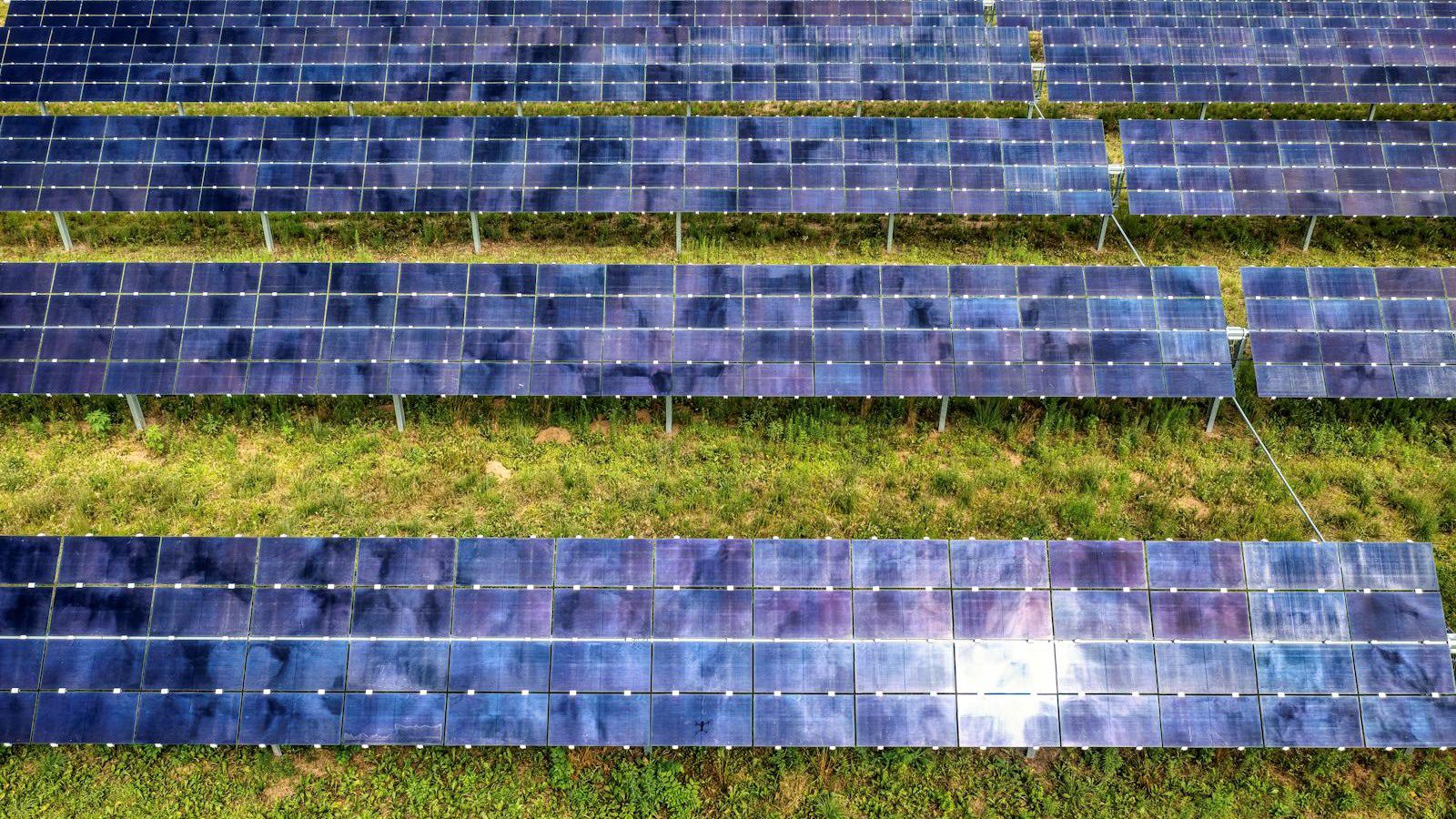
The second powerful strategy is cleaner infrastructure. Moving a website or workload to a provider with verified renewable energy can reduce emissions when the workload is already efficient. The Green Web Foundation offers a public way to check whether a website runs on green energy and points to verified providers.
For cloud systems, location matters. The same workload can have a different carbon impact depending on the electricity grid and provider efficiency. Some teams can shift batch jobs, analytics, backups, and non-urgent processing to lower-carbon regions or lower-carbon times.
Do not treat green hosting as permission to waste resources. A clean provider helps, but reduction still starts with smaller pages, efficient code, caching, fewer unnecessary requests, and careful data retention.
A strong digital carbon footprint plan asks two questions together: can this workload use less energy, and can the remaining energy be lower carbon?
Strategy 3: clean up storage, email, and collaboration tools

The third powerful strategy is digital housekeeping. File shares, duplicated presentations, unused video recordings, old backups, stale inboxes, abandoned chat exports, and unmanaged cloud drives can quietly grow for years.
Storage has a real footprint because data must be stored, replicated, backed up, indexed, scanned, secured, and sometimes moved between systems. The more data a business keeps without purpose, the more infrastructure it asks suppliers to run.
Start with retention rules. Decide which records must be kept for legal, security, customer, or operational reasons. Archive what must remain. Delete what has no value. Compress large media where appropriate. Turn off automatic recording when meetings do not need it.
For Cyber Security teams, cleanup also reduces risk. Less unnecessary data means less exposure during breaches, less discovery burden, and fewer unmanaged assets to protect.
Strategy 4: extend device life and reduce e-waste

The fourth powerful strategy is keeping equipment useful for longer. Devices often carry significant embodied carbon from mining, manufacturing, shipping, and disposal. Replacing hardware early can increase a digital carbon footprint even if the new device is more efficient.
Build a repair-first policy. Replace batteries, upgrade memory where practical, redeploy laptops to lighter roles, and use certified refurbishment when performance needs allow. Standardize protective cases, asset tracking, secure wipe procedures, and donation or resale workflows.
Procurement should value repairability, warranty support, spare parts, energy efficiency, and supplier take-back programs. IT should also configure sleep settings, monitor power profiles, and retire always-on peripherals that do not support the work.
Reducing e-waste is not only an environmental win. It can lower capital costs, simplify asset management, and make sustainable behavior visible to employees.
Strategy 5: make software and websites more efficient

The fifth powerful strategy is green software design. The Green Software Foundation emphasizes reduction over neutralization and focuses on using fewer physical resources, less energy, and energy more intelligently. Those principles apply to websites, internal apps, APIs, data pipelines, and automation scripts.
Efficient software does less unnecessary work. It reduces bloated pages, unused JavaScript, excessive API calls, duplicate processing, oversized images, chatty integrations, and inefficient database queries. It also caches wisely and avoids running background jobs when there is no value.
For websites, check page weight, image compression, fonts, third-party scripts, caching, and mobile performance. A faster website often consumes less data, improves user experience, and supports better search performance.
For workflow automation, review automations that run too frequently, process unchanged records, or create duplicate files. Cleaner automation can reduce both cloud cost and the digital carbon footprint.
Strategy 6: manage video, AI, and data-heavy workflows

The sixth powerful strategy is controlling high-data work. Video meetings, training recordings, analytics exports, AI experiments, duplicated datasets, and media libraries can grow quickly. These workflows are useful, but they should be intentional.
Use video when it adds value. For routine updates, asynchronous notes, shared documents, or shorter audio calls may be enough. When meetings are recorded, set retention periods and delete recordings that no longer serve a business purpose.
AI and analytics teams should also manage experiments. Keep useful datasets, but remove failed runs, duplicate model artifacts, stale notebooks, and unneeded intermediate files. Schedule heavy jobs only when results are needed, and rightsize compute instead of leaving powerful resources idle.
This does not mean avoiding innovation. It means making data-heavy work measurable, governed, and aligned with real outcomes.
Strategy 7: build employee habits and procurement rules

The seventh powerful strategy is culture. A digital carbon footprint falls faster when sustainable defaults are built into everyday work. Employees should not need to become carbon experts to make better choices.
Create simple habits: shut down unused equipment, avoid unnecessary printing, clean shared folders, reduce duplicate files, question automatic meeting recordings, choose links instead of attachments, and report abandoned cloud tools. Small habits scale across large teams.
Procurement should reinforce those habits. Ask vendors about renewable energy, product carbon data, device repairability, end-of-life programs, data residency, retention controls, and reporting APIs. Supplier answers should influence buying decisions, not sit in a questionnaire nobody reads.
For IT Consulting planning, combine policy with enablement. Dashboards, cleanup days, procurement checklists, green hosting standards, and cloud governance make sustainable behavior repeatable.
A simple digital carbon footprint dashboard can keep progress visible and show teams which habits are saving energy, money, and unnecessary data growth.
Digital carbon footprint FAQ
What is a digital carbon footprint?
A digital carbon footprint is the emissions impact of digital activity, including devices, networks, data centers, cloud services, software, websites, data storage, video, AI workloads, and supplier technology.
What is the fastest way to reduce digital emissions?
The fastest way is usually to remove waste: delete unused cloud resources, clean up storage, reduce heavy files, rightsize compute, extend device life, and move efficient workloads to cleaner hosting.
Does deleting emails really matter?
Email cleanup alone is rarely the biggest lever, but unmanaged storage across mail, recordings, files, and backups can add up. Focus on retention rules and high-volume data first.
Is green hosting enough?
No. Green hosting helps, but an efficient website or application still matters. Reduce page weight, unnecessary scripts, oversized media, duplicate processing, and unused storage.
How do cloud teams measure emissions?
Cloud teams can combine billing data, usage metrics, provider sustainability reports, carbon-estimation tools, region carbon intensity, and rightsizing reports to identify avoidable emissions.
How does device life affect emissions?
Longer device life can reduce embodied carbon by spreading manufacturing impact over more years. Repair, reuse, redeploy, and responsible recycling should come before unnecessary replacement.
Who should own the program?
Ownership should be shared by IT, sustainability, procurement, finance, security, engineering, and business teams. One group can coordinate the digital carbon footprint program, but many teams control the levers.
Reducing a digital carbon footprint is not a single campaign. It is a practical operating discipline: measure the digital carbon footprint, reduce waste, choose cleaner infrastructure, design efficient software, extend hardware life, and make sustainable digital habits the default.
If your organization wants a focused plan to cut digital waste, contact Progressive Robot to map your highest-impact opportunities.