
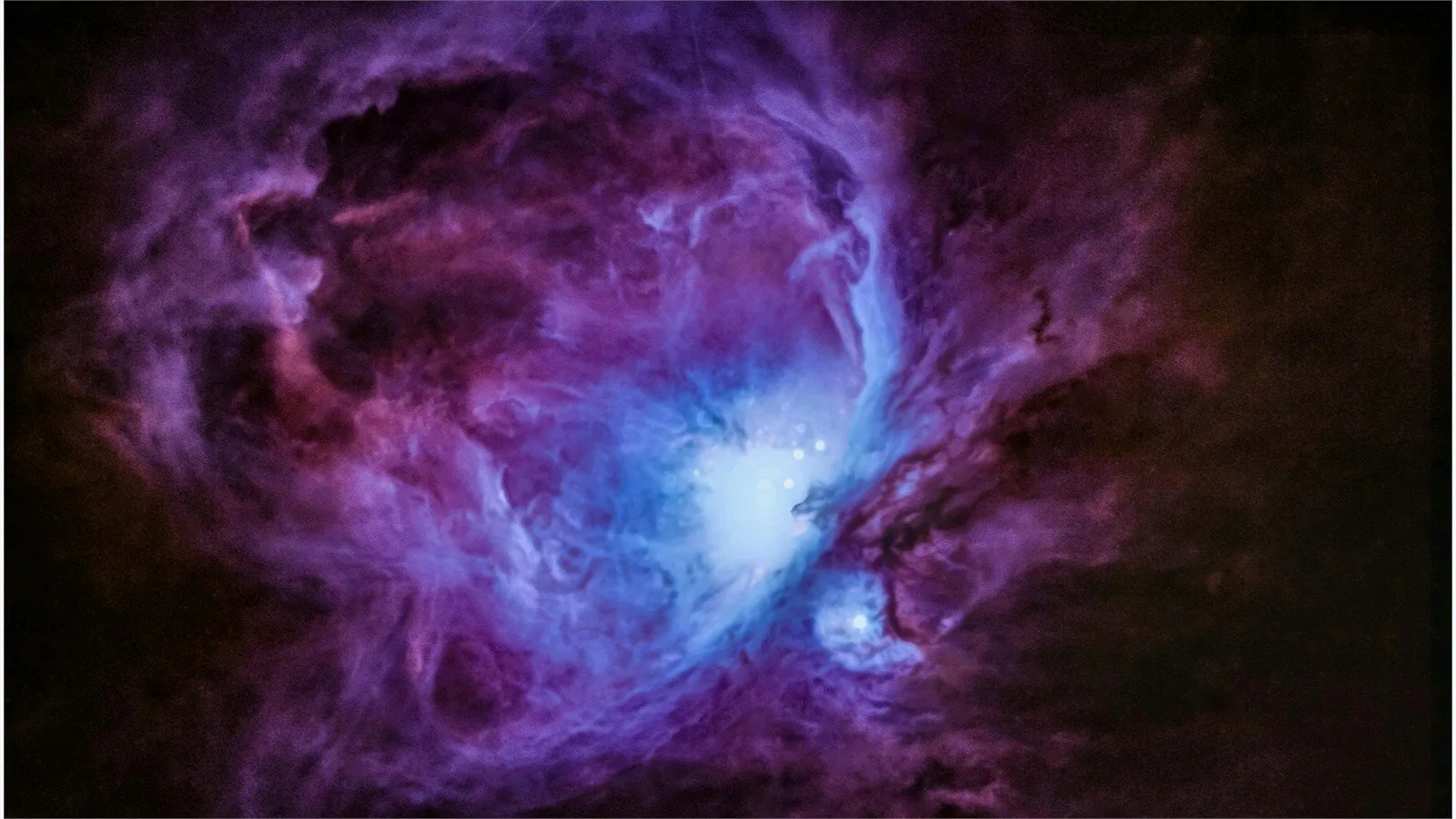
AI galaxy hunters have quietly become one of the most demanding new customers for high-end GPUs. They are not running chatbots or selling ads. They are sifting through petabytes of telescope data to find galaxies, transients, and gravitational lenses that humans would miss. The output is real science, but the input is the same Hopper and Blackwell silicon that hyperscalers, banks, and game studios are already fighting over.
That is why the story matters beyond astronomy. AI galaxy hunters now compete in the same supply chain as every other AI buyer, and their workloads are not small batch jobs. A single sky survey can keep thousands of GPUs busy for weeks at a time, and the next generation of surveys will need orders of magnitude more compute than that.
This article walks through what AI galaxy hunters actually do, why they are so GPU-hungry, how they are pushing on an already tight global supply, and what teams in industry and research should expect as more of this work moves from CPUs to accelerators.
| Aspect | What it points to |
|---|---|
| Who they are | Astronomers and ML teams running deep learning on telescope and survey data |
| Core idea | Use neural networks to find, classify, and measure galaxies at scale |
| Why GPUs | Convolutional, transformer, and diffusion models on huge image cubes |
| Why it matters now | New surveys produce TBs per night and need GPU pipelines, not CPU loops |
| Key risk | Crowding out other science and small teams when accelerator supply is tight |
Table of Contents
- At a glance
- How they scan the sky
- Why they need so many GPUs
- How they worsen the GPU crunch
- Where they compete with industry
- Risks, costs, and access
- Who should care now
- FAQ
AI galaxy hunters at a glance
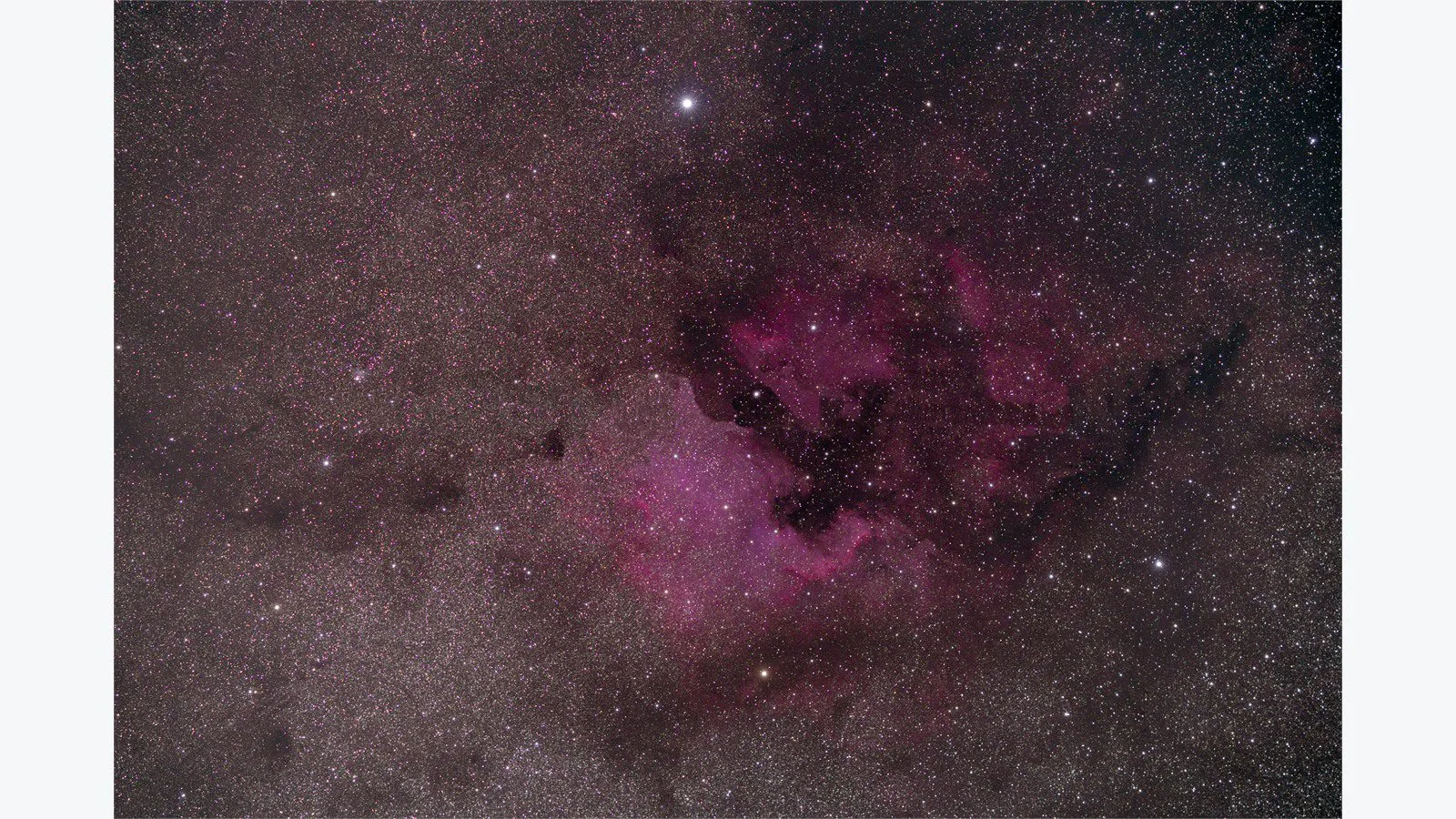
AI galaxy hunters are research teams that use modern machine learning, especially deep neural networks, to extract science from astronomical surveys. The targets are not just pretty pictures. They are galaxy morphologies, photometric redshifts, gravitational lens candidates, transient alerts, and signatures of rare populations that classical pipelines miss or label too slowly.
The clearest difference from a traditional astronomy pipeline is throughput. Old workflows could afford to run object detection and source extraction on CPU clusters because nightly data volumes were modest. Today an instrument like the Vera C. Rubin Observatory will produce roughly twenty terabytes of imagery every night for a decade, and these teams expect those frames to be analysed before the next sunset.
Behind the scenes, the actual work looks a lot like industry AI. Teams build PyTorch and JAX models, fine-tune on labelled subsets, then run them across the full survey on GPU clusters. The novelty is the scientific framing, not the stack. That is what makes AI galaxy hunters such a sharp new entrant in the global compute market.
How AI galaxy hunters scan the sky for new discoveries
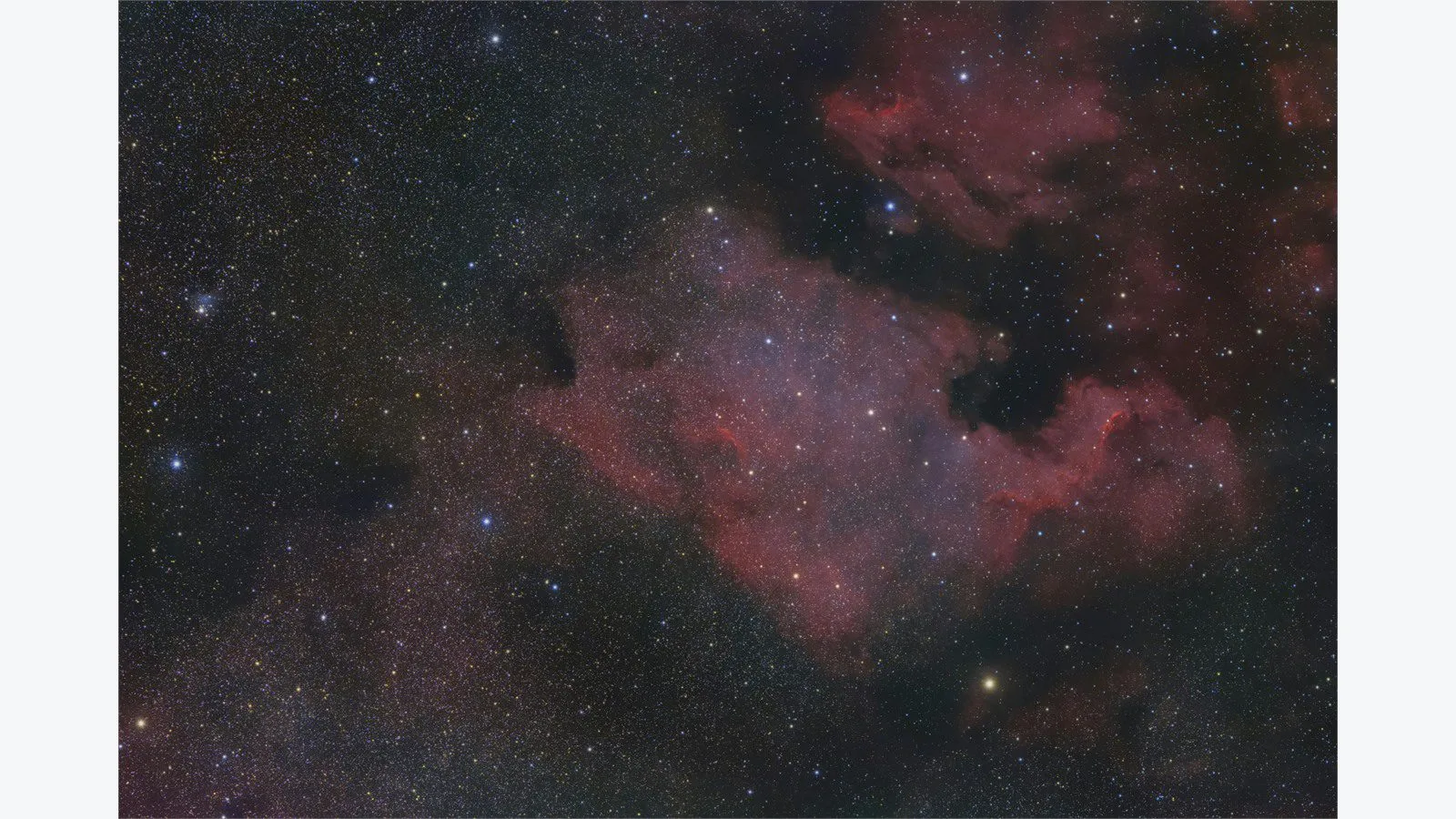
AI galaxy hunters typically work in three layers. A detection layer finds candidate sources in raw images, a classification layer assigns categories such as spiral, elliptical, lens candidate, or transient, and a regression layer estimates physical properties such as redshift, stellar mass, or shear.
Each layer used to be its own slow heuristic. Now researchers fold them into single end-to-end models or tightly coupled pipelines. Convolutional networks dominate for image patches, vision transformers are catching up on full-frame inputs, and diffusion or flow models are increasingly used for deblending overlapping sources and for simulation-based inference.
This matters operationally because the scan is no longer one model run. These teams routinely train ensembles, retrain when filters or calibration shift, and rerun the entire historical archive when a new model wins. Every one of those passes is a fresh GPU bill, and modern surveys give them many reasons per year to rerun.
Why AI galaxy hunters need so many GPUs
The math is unforgiving. A single deep image of the sky from a survey camera can contain millions of sources. A high-resolution model running on those sources, often at multiple scales and with augmentation, easily turns into hundreds of millions of forward passes per night. CPUs cannot keep up with that workload in any reasonable time.
There is also the training side. Modern self-supervised models for astronomy are trained on tens of millions of galaxy cutouts, with backbone networks that look more and more like the ones used in commercial vision and language work. Training one good foundation model for a survey can occupy a few hundred GPUs for weeks, and most groups want several variants tuned to different bands or instruments.
Inference is rarely a one-shot job either. Real-time alert brokers for transients have to score new detections within seconds so that follow-up telescopes can react. That demand for low-latency, high-throughput inference is exactly the workload that makes their procurement profile look a lot like a fintech firm running fraud models around the clock.
How AI galaxy hunters worsen the global GPU crunch
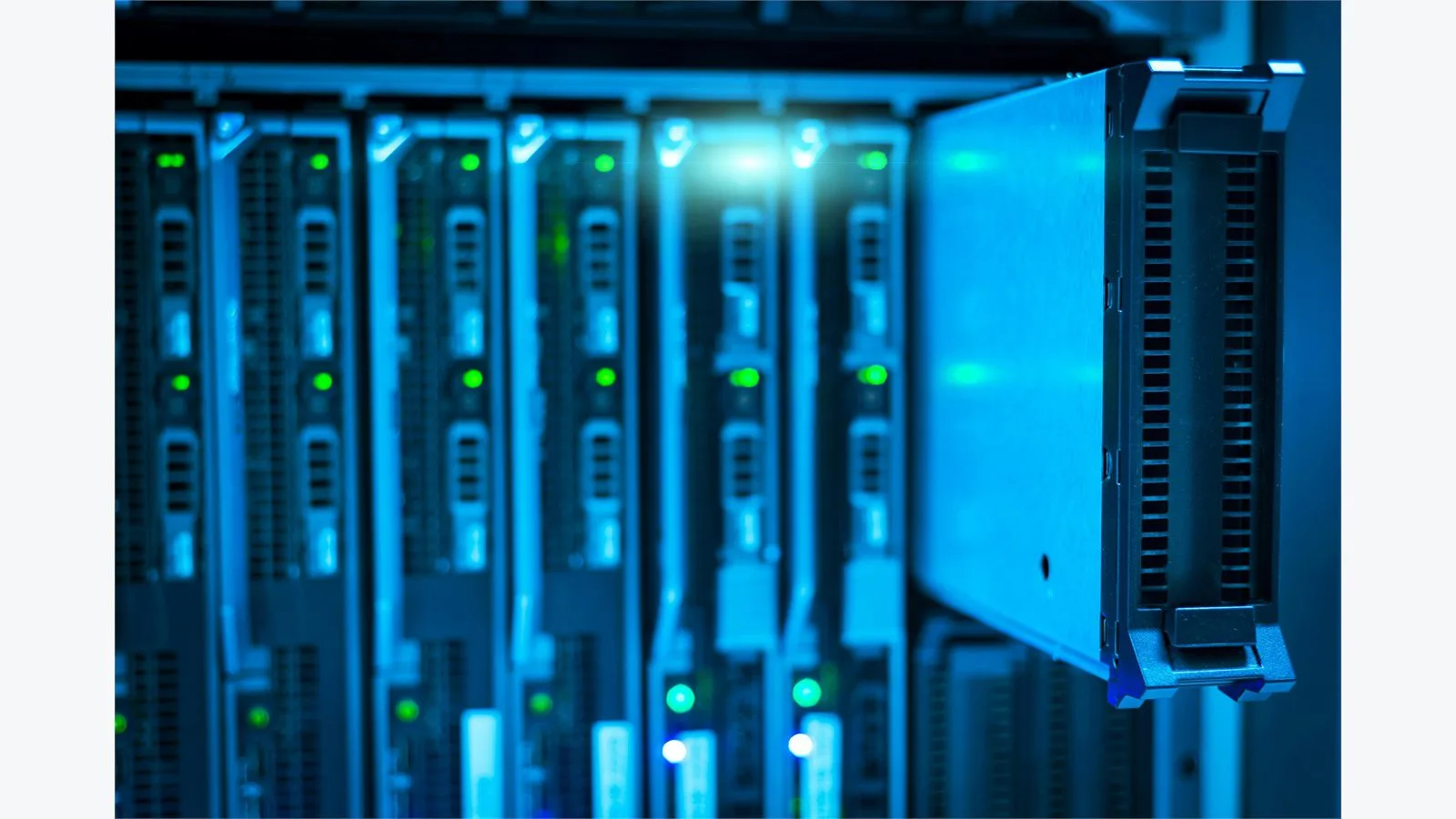
The global GPU crunch is usually framed around hyperscalers and AI startups, but the science queue is now a real factor. AI galaxy hunters have moved from a few academic GPUs to multi-million-dollar accelerator allocations on national supercomputers and cloud platforms. Those are the same SKUs and the same wafers that everyone else is bidding on.
Allocation cycles tell the story. Calls for time on flagship machines are routinely oversubscribed several times over, and these teams are frequently the heaviest applicants in any astronomy round. When a single survey collaboration asks for tens of millions of GPU hours, that allocation has to come from somewhere, and other workloads either wait or shrink.
Cloud spend is following the same pattern. Cosmology and survey teams now sign multi-year reservations for H-class and B-class GPUs, often through institutional discounts but at industry-grade prices. Each of those reservations removes capacity from the spot market that smaller AI buyers, including many enterprises, are trying to use for their own pilots.
Where AI galaxy hunters compete with industry for compute
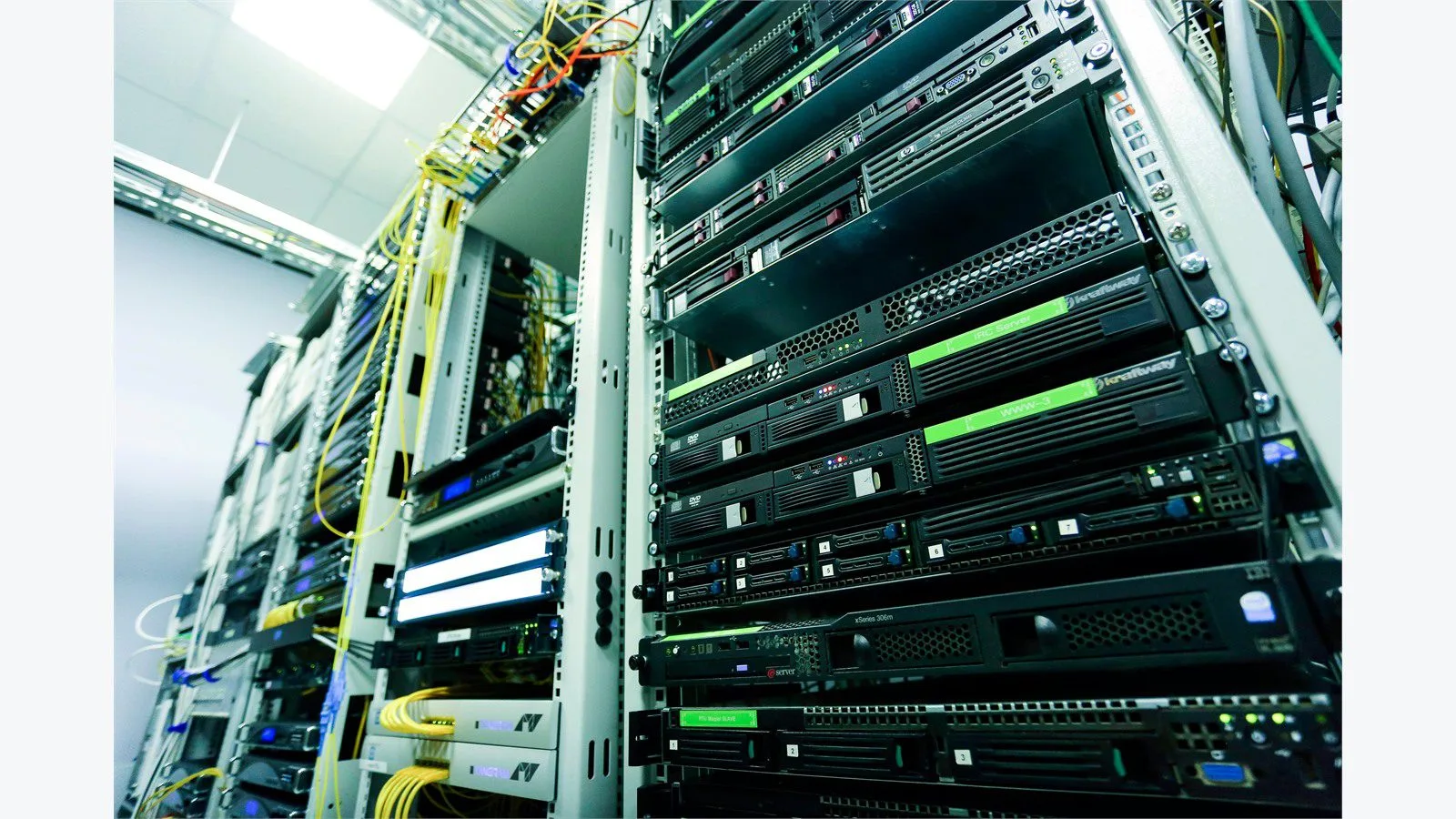
The clearest overlap is in image and multimodal model training. AI galaxy hunters use the same accelerator features that vision and video AI teams care about, including high memory bandwidth, large HBM stacks, and fast interconnects for sharded training. When NVIDIA prioritizes those features, the same parts ship into both data centers and observatory clusters.
There is also overlap in inference patterns. A real-time alert broker that has to classify thousands of transients per minute behaves like an industry recommender system at peak load. The science teams need similar autoscaling, similar latency SLAs, and similar GPU-backed feature stores, even if the upstream data is photons rather than clicks.
Finally, talent moves between worlds. Many AI galaxy hunters started in industry or move there after their PhDs, and they bring the same expectations about tooling: managed Kubernetes, MLflow-style experiment tracking, and reliable intelligent automation around their pipelines. That convergence makes the science workloads even more interchangeable with commercial ones at the infrastructure layer.
Risks, costs, and access concerns for AI galaxy hunters
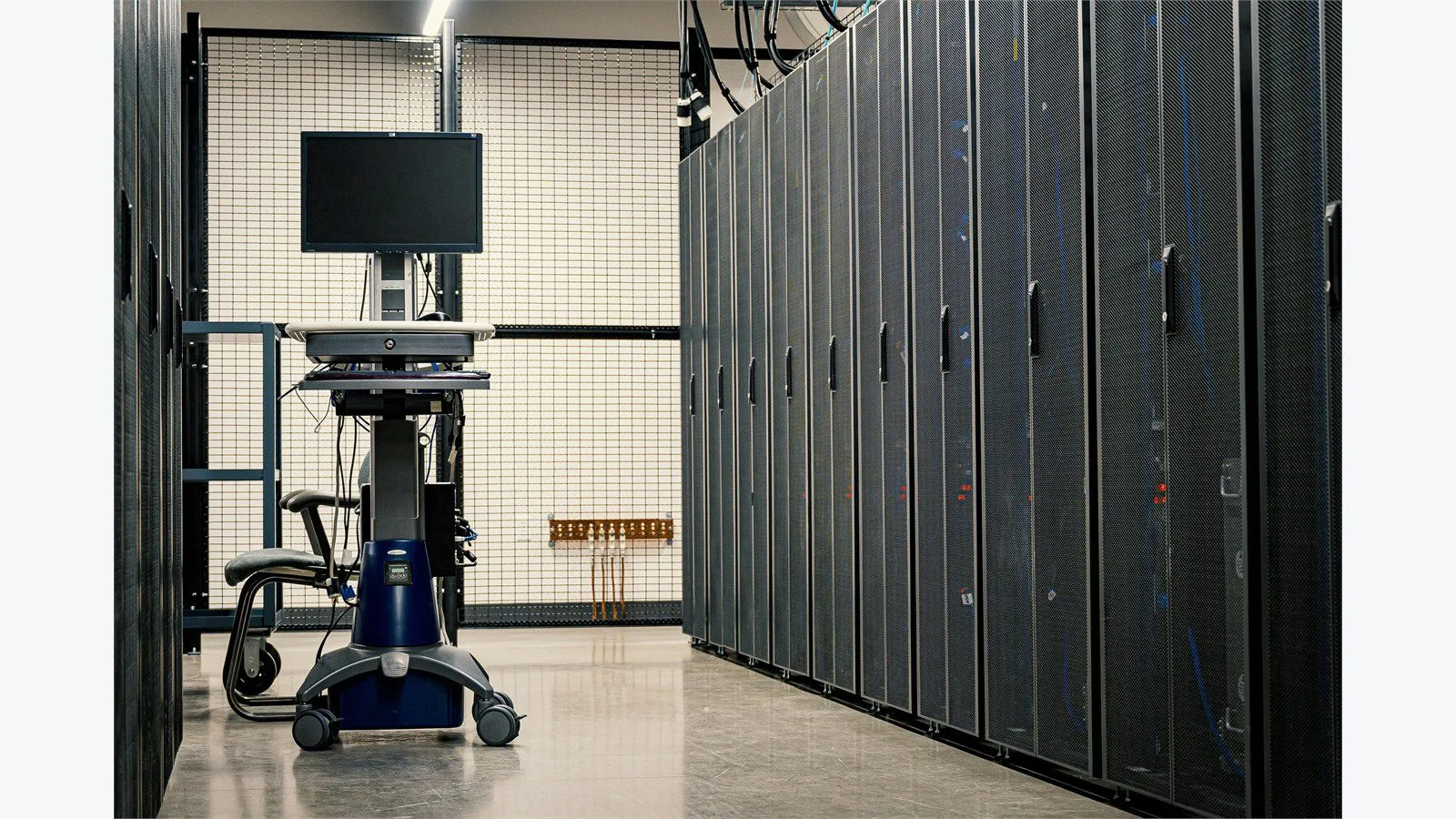
The first risk is access inequality. Well-funded collaborations that already have tight ties to national labs and cloud vendors are best placed to ride the GPU crunch. Smaller teams, especially in countries without a domestic accelerator supply chain, are at risk of being priced out even when their science case is strong. Groups at smaller institutions often share allocations or wait months for time.
Cost predictability is the second risk. GPU hours that were treated as a fixed grant overhead are now a variable, market-driven expense. Project leads have to budget around price spikes, hardware delays, and energy surcharges in ways that traditional astronomy proposals were never designed for, which adds project management burden on top of the science work.
There are also reproducibility and provenance concerns. When a model is retrained because the only available GPUs changed mid-project, results can drift in subtle ways. Mature research groups treat this as a business process automation problem and put strict pipeline controls around it, but plenty of teams are still maturing those practices.
Who should care about AI galaxy hunters and GPU supply
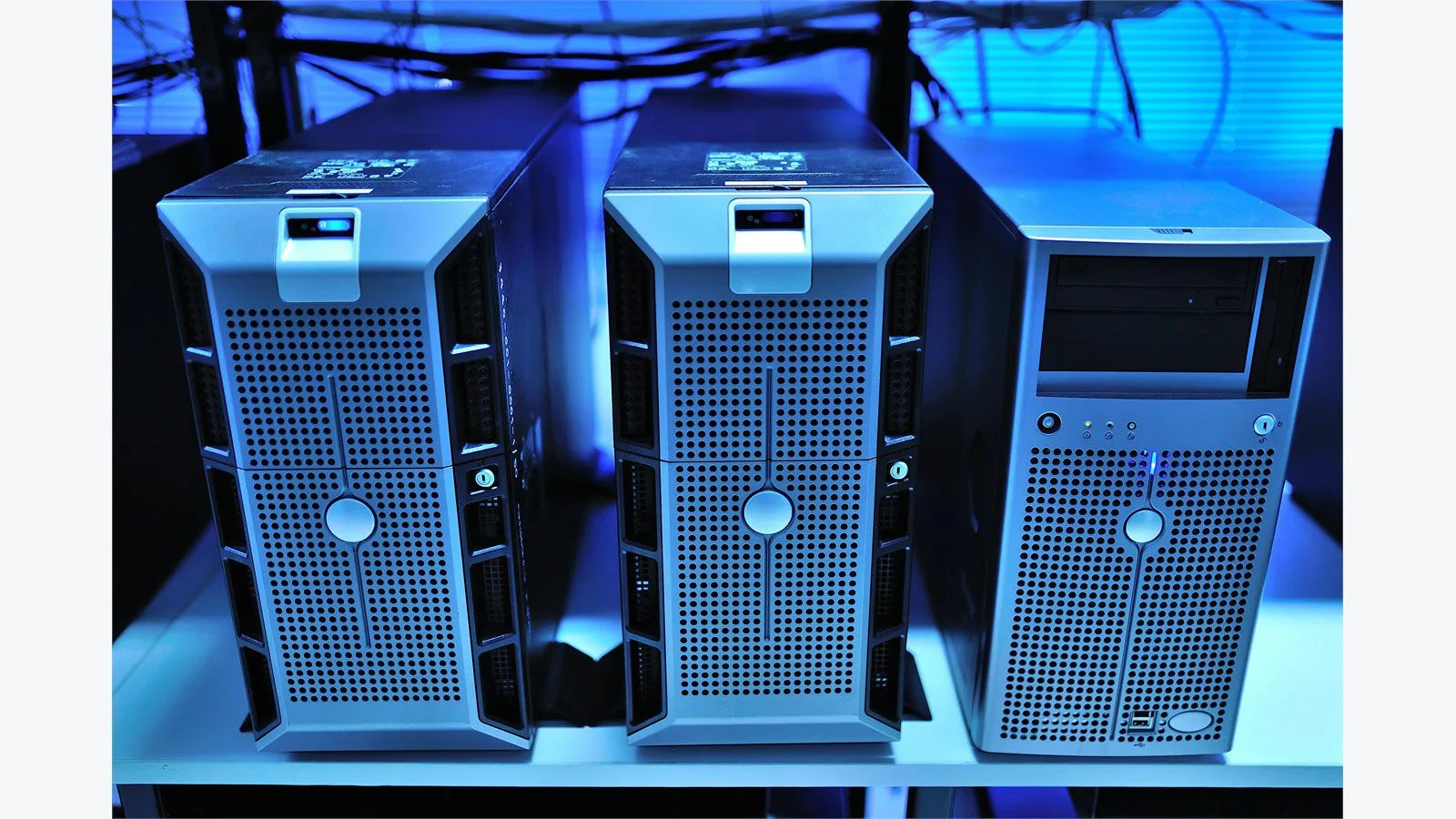
Hyperscalers and accelerator vendors should care because science buyers are now strategic accounts. The collaborations are not as large as the largest cloud customers, but they are highly visible, they buy at the high end of the SKU range, and they generate the kind of long-horizon demand signal that helps justify new fabs. Mishandling them is a brand risk as much as a revenue one.
Enterprise AI teams should care because their own roadmaps are quietly being shaped by science demand. Every multi-thousand-GPU allocation that goes to AI galaxy hunters is a slot that does not go to a corporate pilot. Companies investing in workflow automation and AI agents need to watch lead times and reservation pricing carefully so that their plans do not slip when survey campaigns ramp up.
Research leaders should care because the social contract around shared compute is being tested. These teams are reframing what scientific computing looks like, and funding agencies will eventually have to decide how much GPU capacity counts as basic research infrastructure rather than a competitive advantage for whichever team applies first. The teams that pair strong science cases with disciplined AI strategy and clean MLOps habits are best placed for the next allocation round.
For organisations that want to align their own roadmaps with this new compute reality, working with experienced artificial intelligence and machine learning partners can make the difference between a stalled pilot and a system that actually ships. Likewise, projects that depend on stable accelerator-backed services benefit from mature DevOps services so that GPU contention does not turn into outages.
The broader point is simple. AI galaxy hunters used to live at the edges of the compute market. They are now squarely inside it, and any plan that ignores them will mis-forecast both supply and price.
AI galaxy hunters FAQ
What are AI galaxy hunters in simple terms?
AI galaxy hunters are astronomy and machine learning teams that use deep neural networks to find and study galaxies, transients, and other faint signals in giant telescope data sets, instead of relying on slower hand-tuned pipelines.
Why do AI galaxy hunters use GPUs instead of CPUs?
Modern detection, classification, and redshift models are deep neural networks that map naturally to matrix-heavy GPU kernels. Running them on CPUs at survey scale would take so long that most of the science would be obsolete by the time it was published.
Are AI galaxy hunters really big enough to affect the GPU market?
On a single-customer basis they are smaller than hyperscalers, but together AI galaxy hunters now consume tens of millions of GPU hours per year on national systems and cloud platforms, which is large enough to shift availability and pricing for other buyers in the same regions.
What surveys are driving most of this demand?
Programs around the Vera C. Rubin Observatory, the Square Kilometre Array, and various space-based imagers are the loudest examples, but AI galaxy hunters are also active on archival data from older missions and on simulations that mimic future surveys.
How can smaller teams keep up with the GPU crunch?
Smaller AI galaxy hunters typically focus on niche models, share national allocations through consortium agreements, and lean on open foundation models so they can fine-tune rather than train from scratch. Combining that with strong contact with experienced infrastructure partners helps stretch every GPU hour.
Will the GPU crunch get easier soon?
Capacity is expanding, but demand from both AI galaxy hunters and industry is growing faster than wafer starts and data center power builds. Expect tight supply through at least the next two product generations, with periodic spot-market relief as new architectures ship.
External references for further reading: the Vera C. Rubin Observatory project pages and the Square Kilometre Array Observatory summarize the data scales that AI galaxy hunters are now expected to handle.
More AI coverage: explore Progressive Robot's AI Models, Tools & Releases hub — hands-on reviews, setup guides and benchmarks in one place.