
The Sony image sensor factory Japan subsidy is one of the most strategically important chip support announcements of 2026. The Japanese government will provide up to 60 billion yen, roughly $380 million, to Sony for a new image sensor plant in the western Japanese prefecture of Kumamoto.
This article uses the official Reuters report on the Sony image sensor factory Japan subsidy, the Japan Times briefing on the state aid for Sony, and the Gizmochina explainer on the Kumamoto image sensor subsidy as the primary sources.
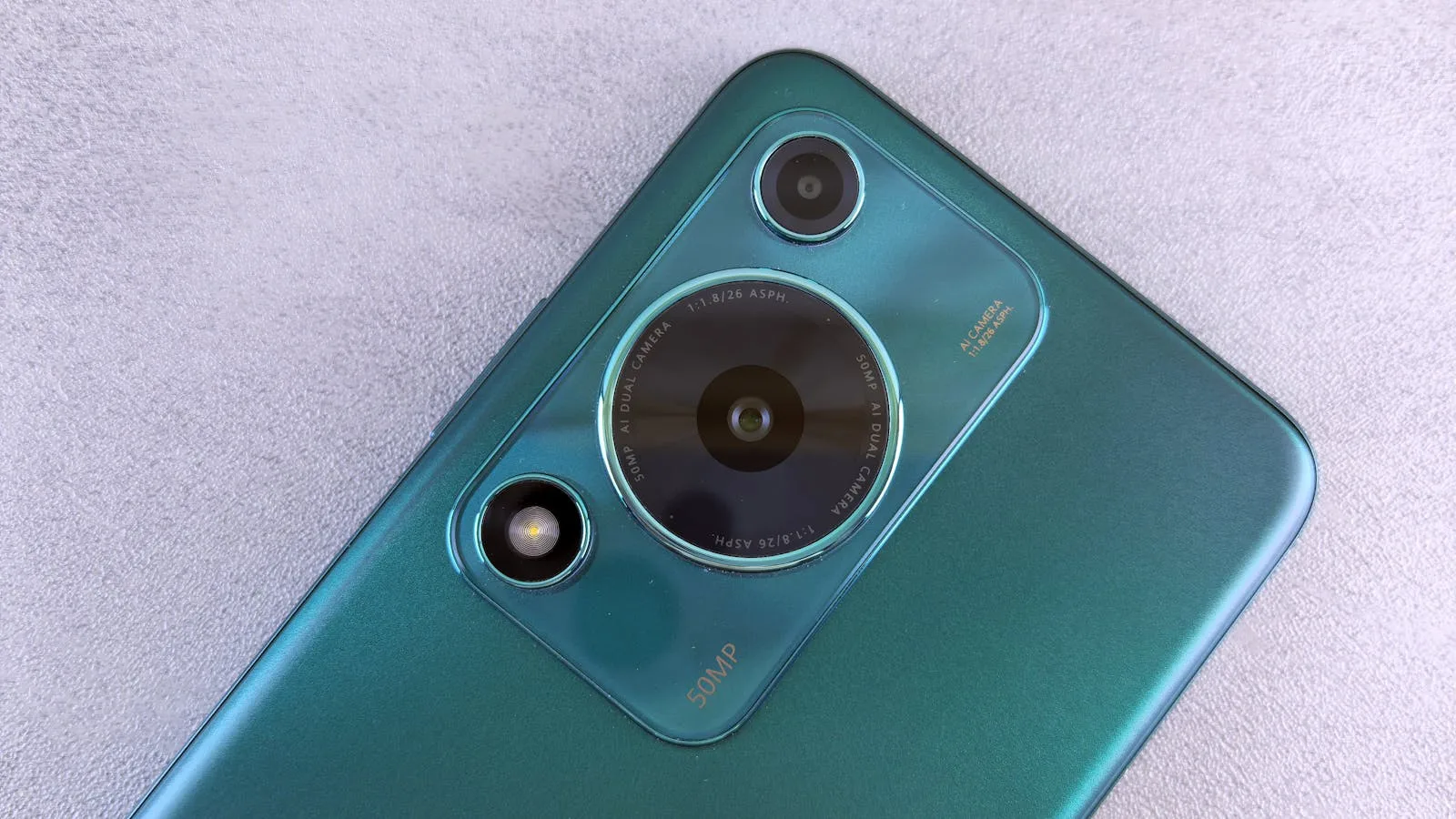
The Sony image sensor factory Japan subsidy at a glance is a one-third government cost share for a new advanced fab.
Japan will hand Sony up to 60 billion yen, around $380 million, for the new image sensor plant.
The recipient is Sony Semiconductor Manufacturing Corporation, the chip-making arm of Sony Group.
The site is in Koshi City, Kumamoto Prefecture, next to the TSMC Kumamoto cluster.
Sony’s total investment in the facility is about 180 billion yen, or roughly $1.13 billion.
The plant will produce 10,000 wafers per month at 300mm equivalent.
Mass supply is scheduled to begin in May 2029.
Industry minister Ryosei Akazawa announced the support on April 17, 2026.
The subsidy is granted under Japan’s Economic Security Promotion Act framework.
Sony already holds about half of the global CMOS image sensor market.
The Sony image sensor factory Japan subsidy is framed as critical for autonomous driving and physical AI.
To understand why the Sony image sensor factory Japan subsidy matters, you have to look at how central image sensors have become to modern hardware. CMOS image sensors are the eyes of every device that sees the world: smartphones, cars, robots, drones, medical scanners, and security systems. Whoever supplies those sensors at scale ends up controlling the perception layer of consumer and industrial AI.
The Sony image sensor factory Japan subsidy matters because Sony’s leadership in this category is no longer guaranteed. Samsung is preparing to break Sony’s effective monopoly on iPhone camera sensors with three-layer stacked sensor technology. China’s Will Semiconductor, through OmniVision, is closing in on automotive sensors. Without aggressive new capacity, Sony risks losing share in exactly the markets that AI is making more valuable.
It is also the same logic that drives big bets in workflow automation: when a critical layer of the stack stops being defensible, you either reinvest in capacity and capability or you cede pricing power to whoever is willing to spend. The Sony image sensor factory Japan subsidy is Japan’s choice to reinvest rather than concede.
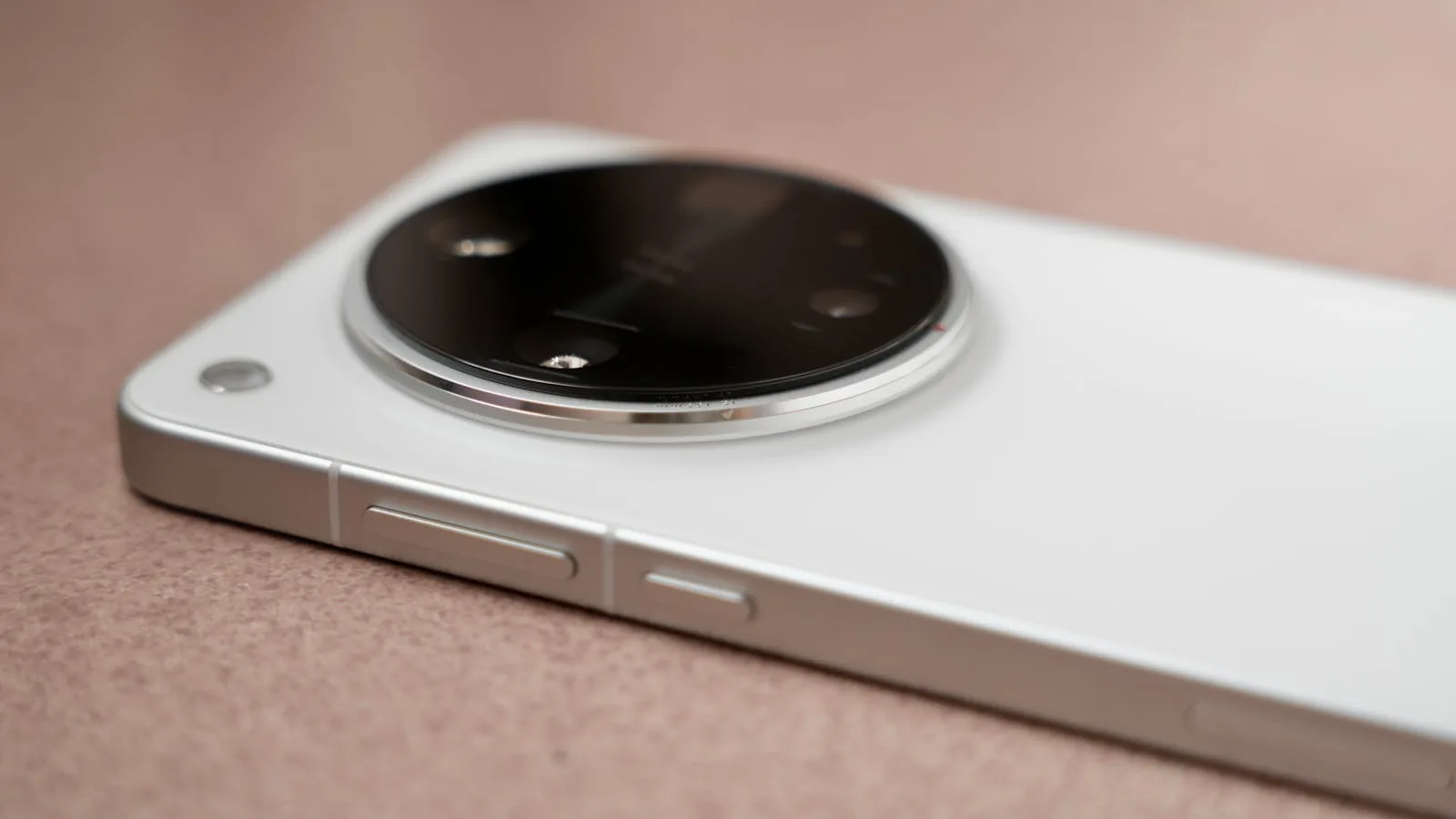
1. The Sony image sensor factory Japan subsidy is worth up to $380 million
The first headline fact behind the Sony image sensor factory Japan subsidy is the size of the support package: up to 60 billion yen, equal to about $380 million at the rate cited by Reuters. That is the maximum disbursement, scaled to the cost of qualifying production equipment at the new fab.
While that figure is smaller than what Japan has put behind Rapidus or TSMC’s Kumamoto fabs, it is precisely targeted at one of the few categories where a Japanese company is already the global leader.
2. The Sony image sensor factory Japan subsidy covers about one-third of the project cost
Sony Semiconductor Manufacturing’s total investment in the new facility is about 180 billion yen, or roughly $1.13 billion. With the Sony image sensor factory Japan subsidy capped at 60 billion yen, the government is covering up to one-third of the project.
That ratio matters. It signals that METI sees this fab as a national-priority asset rather than a routine commercial expansion, while still leaving Sony to fund the bulk of the build-out.
3. The Sony image sensor factory Japan subsidy backs a Kumamoto fab next to TSMC
The location of the new plant is no accident. The fab is in Koshi City in Kumamoto Prefecture, right next to the existing TSMC Kumamoto Fab 1 site. That puts Japan’s leading image sensor maker physically adjacent to its leading foreign logic-chip partner.
The Sony image sensor factory Japan subsidy therefore reinforces a clear semiconductor cluster strategy. Logic chips from TSMC and image sensors from Sony, both made in Kyushu, give Japan a strong regional base for sensor-plus-compute systems used in cars, robots, and AI hardware.
4. The Sony image sensor factory Japan subsidy targets a 10,000 wafer per month line
The new factory is designed to produce 10,000 wafers per month at the 300mm equivalent, with supply scheduled to start in May 2029. That is modest by mass-market smartphone standards, but it is calibrated for higher-margin work.
The Sony image sensor factory Japan subsidy is therefore not a subsidy for cheap commodity sensors. It is meant to support next-generation stacked CMOS image sensors aimed at premium phones, advanced driver assistance, and industrial AI cameras, where Sony can defend pricing.
5. The Sony image sensor factory Japan subsidy is anchored in the Economic Security Promotion Act
This is the legal core of the deal. The Sony image sensor factory Japan subsidy is granted under Japan’s Economic Security Promotion Act, which designates certain advanced semiconductors as Specified Critical Materials whose supply must be safeguarded.
That is a meaningful escalation. Image sensors are now treated alongside cutting-edge logic and memory as strategic technologies. METI is signaling that losing domestic sensor capacity would weaken Japan’s economic security, not just one company’s market share.
6. The Sony image sensor factory Japan subsidy responds to a Samsung threat
The competitive backdrop is unmistakable. Samsung is reported to be preparing to supply Apple with CMOS image sensors as soon as 2027, using three-layer stacked sensor technology and its own 28nm processes. For the first time in years, Apple has a viable second source for premium phone cameras.
The Sony image sensor factory Japan subsidy reflects an explicit decision to defend Sony’s position before the iPhone monopoly fully cracks. Even moving from monopoly to duopoly changes pricing power, supply contract structure, and long-term investment economics for Sony, so Tokyo is moving early.
7. The Sony image sensor factory Japan subsidy is also an automotive bet
A large share of the strategic case is automotive. As Level 2 and Level 3 driver assistance systems spread, the number of CMOS image sensors per vehicle is rising sharply. The global automotive sensor market is projected to grow from roughly $35 billion in 2025 to over $80 billion by 2035.
The Sony image sensor factory Japan subsidy aims to keep that perception layer made in Japan. For Toyota, Honda, Nissan, and Denso, sourcing image sensors at home is a hedge against future supply or geopolitical shocks affecting Korean or Chinese suppliers.

What the Sony image sensor factory Japan subsidy means for physical AI
What the Sony image sensor factory Japan subsidy means for physical AI is that Japan is taking sensor sovereignty seriously. Robots, drones, factory inspection systems, and humanoid platforms all rely on high-quality vision. Whoever owns the sensor stack also influences calibration, bandwidth, and image quality at the lowest layer of those systems.
By backing Sony with state funds, Japan is positioning its industrial base to remain the default supplier for premium machine vision in the physical AI era.
What the Sony image sensor factory Japan subsidy means for autonomous driving
What the Sony image sensor factory Japan subsidy means for autonomous driving is that Japanese automakers gain a more secure domestic source of sensors as ADAS becomes standard equipment. A modern Level 3 vehicle can carry more than ten image sensors for forward perception, surround view, blind-spot detection, and in-cabin monitoring.
If those sensors all came from foreign suppliers, Japan’s car industry would lose freedom on intellectual property, supply terms, and roadmap timing. The Sony image sensor factory Japan subsidy reduces that risk by reinforcing premium domestic capacity.
What the Sony image sensor factory Japan subsidy means for the Kumamoto cluster
What the Sony image sensor factory Japan subsidy means for the Kumamoto region is more concentrated semiconductor activity. TSMC is already running its first Kumamoto fab and expanding with Fab 2. Adding a high-end Sony sensor fab in Koshi reinforces the area as Japan’s most active chip cluster.
For Kumamoto residents, that means more high-skilled jobs and more infrastructure investment, although it also brings real concerns about water use and traffic that local government is still working through.
How much is the Sony image sensor factory Japan subsidy worth?
The Sony image sensor factory Japan subsidy is worth up to 60 billion yen, which is roughly $380 million at the rates cited by Reuters at the time of the announcement.
Where will the new Sony image sensor plant be built?
The new plant is located in Koshi City in Kumamoto Prefecture, in western Japan, next to the existing TSMC Kumamoto cluster.
When will the Kumamoto image sensor fab start production?
According to the official announcement, mass supply from the new fab is scheduled to begin in May 2029.
Why is the Japanese government subsidizing Sony?
Tokyo views CMOS image sensors as a strategic technology for autonomous driving, physical AI, and consumer electronics, so the Sony image sensor factory Japan subsidy is meant to secure stable domestic supply.
Does the Sony image sensor factory Japan subsidy guarantee Sony’s lead?
No. It strengthens Sony’s position, but Samsung’s three-layer stacked sensor and Will Semiconductor’s pressure on automotive mean Sony still has to compete hard on technology, yields, and pricing.
How does this fit into Japan’s wider chip strategy?
It is one piece of a larger push that also includes Rapidus, TSMC Kumamoto, Kioxia and Western Digital memory, and Micron Hiroshima, with cumulative Japanese semiconductor support approaching 3 trillion yen since 2022.
More AI coverage: explore Progressive Robot's AI Models, Tools & Releases hub — hands-on reviews, setup guides and benchmarks in one place.










