
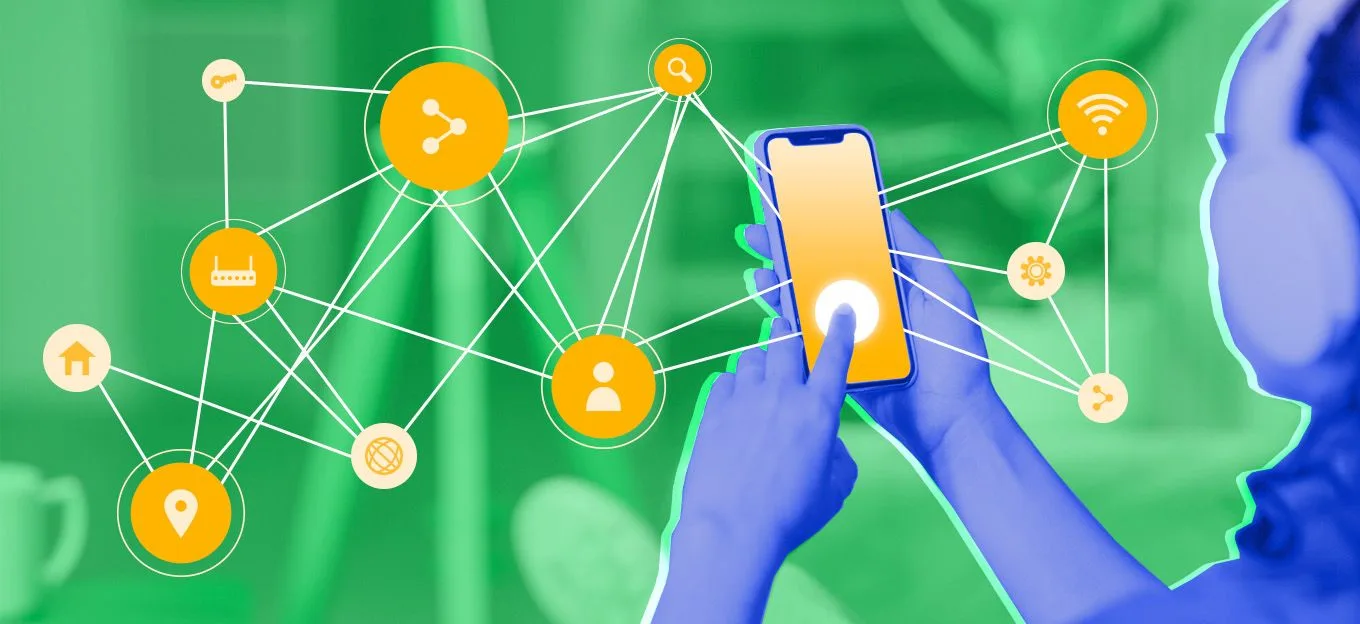
The Internet of Things (IoT) has rapidly moved beyond the concept of smart homes and personal gadgets. Today, IoT technology is transforming entire industries such as manufacturing, logistics, agriculture, healthcare, and automotive systems. By 2025, the agricultural IoT market alone is projected to reach nearly $7 billion, while the industrial IoT segment is expected to climb to over $110 billion. Smart home solutions will likely generate $144 billion, and the overall IoT market is forecasted to surge from $190 billion in 2018 to over $1.1 trillion in 2026, growing at an impressive compound annual growth rate of nearly 25%.
This unprecedented growth has created both opportunities and challenges, particularly for designers and developers who must create intuitive and efficient user interfaces (UIs) for IoT applications. Unlike traditional web or mobile app design, building a UI for an IoT Application requires accounting for a complex ecosystem of connected devices, data streams, and user experiences that span multiple platforms.
In this article, we’ll explore why IoT design is fundamentally different from conventional UX/UI approaches, the major challenges developers face, and the key considerations for creating user-friendly, future-ready IoT applications.
Why Designing for an IoT Application Is Different
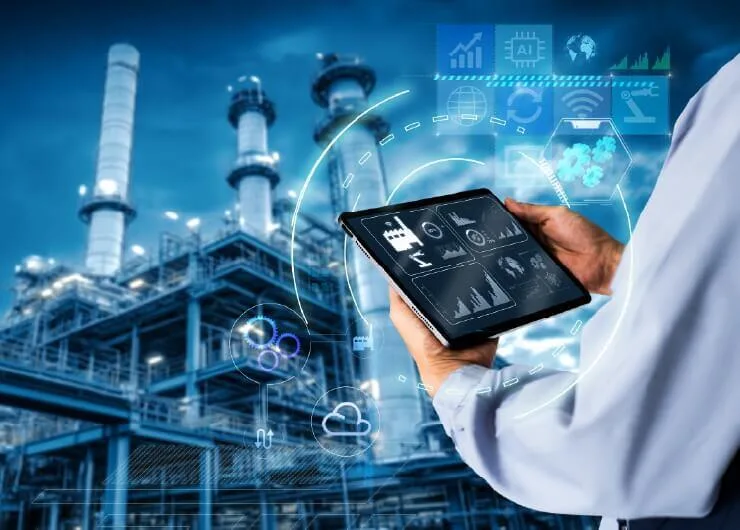
When building a UI for a typical mobile or web application, designers primarily focus on ensuring smooth navigation, appealing layouts, and intuitive workflows. However, IoT applications add layers of complexity. They must connect multiple devices, process vast amounts of data in real time, and often rely on artificial intelligence and machine learning to deliver useful insights.
Designers are tasked not just with creating an interface, but with orchestrating an ecosystem. An IoT Application involves input and output from sensors, cloud platforms, control dashboards, and physical devices, all of which must work together seamlessly. For example, the design requirements for a connected car system differ dramatically from those for a smart agriculture network, yet both demand reliability, security, and ease of use.
Another critical difference lies in scalability. Traditional apps might only handle one platform or device type, but IoT applications must support an expanding network of devices and data points. This means the UI must be flexible and adaptive so that it can grow with the system without requiring constant redevelopment.
Key Challenges in IoT App UI Design

Designing the UI for an IoT application presents several unique challenges. One of the most important is ensuring simplicity. IoT systems generate enormous volumes of raw data, but users only need clear, relevant insights. The role of design is to filter and present this information in ways that are understandable and actionable. A smartwatch user, for example, doesn’t need every data point from sensors—they just need to see steps taken, calories burned, or heart rate, presented in a clean and easy-to-read manner.
Performance is another pressing issue. Because IoT applications depend on real-time processing, lag or delays in the interface can quickly frustrate users. Smooth transitions, fast-loading dashboards, and accurate data visualization are essential for creating a positive user experience.
Connectivity also plays a major role in shaping UI design. Since IoT applications often rely on the cloud, designers must anticipate scenarios where data uploads are delayed or connectivity is lost. A good interface clearly communicates such issues, perhaps with notifications like “last data update one hour ago,” ensuring users understand the state of their system without confusion.
Finally, physical UI elements remain a critical fallback. Even in an advanced IoT ecosystem, users may need to interact with devices manually when internet connections fail. Simple indicators such as LED lights, manual switches, or tactile feedback can reassure users and provide continuity when digital interfaces aren’t available.
Considerations for Building a Strong UI for IoT Applications

To succeed in IoT application design, developers must blend user-centric design principles with technical robustness. The first step is to simplify the onboarding process. When users first engage with an IoT app, their initial experience often determines whether they continue using it. Onboarding should involve minimal friction, ideally enabling users to connect multiple devices with a single authentication step rather than complex configurations.
Cross-device consistency is another major consideration. An IoT Application spans smartphones, tablets, wearables, desktop dashboards, and sometimes voice assistants. The design must ensure seamless transitions between these touchpoints, offering familiar layouts and intuitive workflows across all platforms. Using cloud synchronisation as the backbone of the system allows data and interfaces to remain updated in real time, giving users a sense of reliability and continuity.
Personalisation is becoming increasingly vital. Since IoT applications collect extensive data about user habits and preferences, designers have the opportunity to tailor experiences. For example, smart home systems can learn a user’s preferred lighting and temperature settings, while connected healthcare apps can anticipate reminders for medications based on past patterns. Integrating artificial intelligence for predictive personalisation enhances usability and keeps users engaged.
Interface interconnectivity is another frontier. Modern IoT applications must integrate with voice assistants like Alexa, Siri, or Google Assistant, as well as support emerging modalities such as gesture control or biometric authentication. These features enhance accessibility and security, while also future-proofing the application for broader adoption. For instance, biometric authentication can secure sensitive medical IoT data, while gesture recognition can improve safety in automotive IoT systems.
How Professional Teams Enhance IoT Application Design
Given the complexity of IoT ecosystems, many businesses turn to professional software companies for IoT development. By outsourcing to experts, organisations can access teams that understand not only interface design but also the intricacies of cloud integration, device compatibility, and real-time data processing.
Experienced developers can recommend the most suitable technology stack, incorporating advanced tools like artificial intelligence for analytics, blockchain for data security, and augmented or virtual reality for immersive interactions. They can also create a Minimum Viable Product (MVP), allowing businesses to test their IoT Application in real-world scenarios and refine it based on user feedback before committing to a full-scale launch.
Progressive Robot, for example, specializes in developing end-to-end IoT solutions, including UI/UX design, mobile and web applications, wearable device apps, and cloud-based platforms. By combining technical expertise with design innovation, teams like Progressive Robot help businesses overcome the inherent challenges of IoT application development and deliver systems that are both functional and user-friendly.
The Future of IoT Applications and UI Design
As the IoT market continues to expand, user expectations will rise. End-users will demand applications that not only work but feel intuitive, responsive, and personalised. In industries such as healthcare, logistics, and manufacturing, IoT applications will increasingly become mission-critical, meaning reliability and usability cannot be compromised.
Future trends point toward more natural user interfaces, including voice, gesture, and biometric controls, as well as tighter integration with artificial intelligence for predictive insights. The line between physical and digital UIs will continue to blur, with devices offering both tactile controls and smart interfaces for redundancy and convenience.
Ultimately, the success of IoT adoption across industries depends heavily on UI design. A powerful IoT application is not just about connected devices and data streams—it’s about delivering value to users through a clear, intuitive, and engaging interface.
Conclusion

The Internet of Things is revolutionizing industries across the globe, offering unprecedented opportunities for efficiency, automation, and personalisation. However, the success of any IoT Application depends on the quality of its user interface. Designing for IoT is far more complex than traditional app design because it involves multiple devices, real-time data streams, and diverse user needs.
By prioritising simplicity, performance, connectivity, personalisation, and cross-device consistency, developers can build applications that users not only adopt but rely on daily. Professional IoT development teams such as Progressive Robot provide businesses with the expertise needed to design, build, and scale user-friendly IoT solutions.
As IoT adoption accelerates and the global market heads toward trillions of dollars in value, companies that invest in strong UI for their IoT applications will stand out, ensuring they deliver real value while shaping the future of connected technologies.










