

Health monitoring apps have become essential in modern healthcare. These apps help users track fitness stats, detect potential issues, and consult doctors remotely. Developing a Health Monitoring App requires careful planning and execution.
This guide covers everything from key features to development steps. You will learn how to create an app that meets user needs while ensuring security and compliance. A well-built Health Monitoring App can improve patient care and save costs.
The demand for remote healthcare solutions is growing fast. By following best practices, you can build an effective Health Monitoring App. Let’s explore the process in detail.
Why Health Monitoring Apps Matter in Healthcare

These digital solutions play a vital role in contemporary medicine by allowing individuals to track important biometrics. Early detection of potential health issues through continuous tracking can help prevent serious medical events before they occur.
Medical professionals benefit greatly from access to real-time patient information. Virtual tracking reduces unnecessary clinic visits while enabling more personalised treatment approaches. Such applications also increase patient participation in their own care while encouraging healthier daily habits.
From an economic perspective, these tools help lower overall medical expenses by preventing emergency situations. Patients gain greater awareness and control over their wellbeing, making these solutions valuable for both users and providers.
Benefits of Building a Custom Health Monitoring App

Off-the-shelf solutions often lack specialised features required for specific use cases. A tailored approach ensures all necessary functionality is included without unnecessary extras that increase costs.
Custom-built solutions integrate seamlessly with existing medical systems and wearable technology. The architecture can be designed to accommodate future growth and additional features as needs evolve.
Data protection represents another significant advantage of bespoke development. A purpose-built solution can be designed to meet stringent medical privacy regulations from the ground up. Complete control over updates and security measures helps build trust with both patients and healthcare providers.
Must-Have Features for a Health Monitoring App
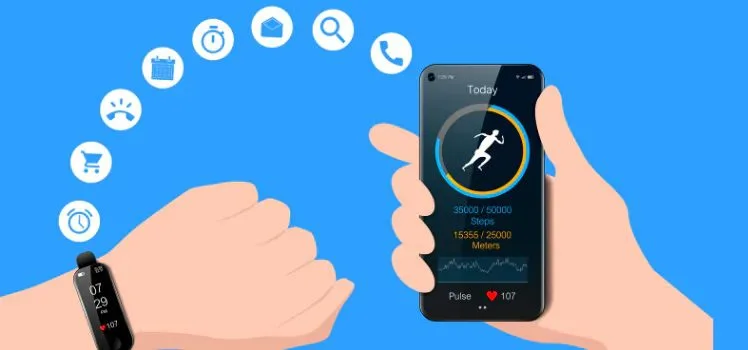
Effective solutions require certain core capabilities. Biometric tracking serves as the foundation, allowing users to record measurements either manually or through connected devices.
Sophisticated analysis tools should identify trends and alert users to potential concerns. Integrated telemedicine functionality enables virtual consultations with medical professionals when needed.
Comprehensive reporting summarizes user data in clinician-friendly formats. These outputs help medical professionals make better-informed decisions about patient care. Accessible support resources and community features can significantly enhance user engagement and satisfaction.
Step-by-Step Guide to Developing a Health Monitoring App
The process begins with thorough market and user research to identify specific needs. Clearly defined objectives help guide development and prevent costly revisions later in the process.
Interface design should prioritise simplicity and intuitiveness. Prototype testing with actual users provides valuable feedback to refine the user experience before full-scale development begins.
Core features should be developed first using iterative methodologies. Launching with basic essential functionality allows for real-world testing and feedback collection before committing to full development.
Ensuring Security in Your Health Monitoring App
Medical information requires the highest levels of protection. Robust encryption and secure authentication methods like biometric verification help safeguard sensitive data.
Compliance with healthcare regulations such as HIPAA is mandatory. Regular security assessments help identify and address potential vulnerabilities before they can be exploited. A trustworthy solution must prioritise patient privacy at every level.
Testing and Launching Your Health Monitoring App
Comprehensive quality assurance is essential before release. Testing across various devices and operating systems helps ensure consistent performance. All identified issues should be resolved prior to official launch.
App store submission requires careful attention to platform-specific guidelines. A strategic marketing plan helps generate interest and drive initial adoption. Performance monitoring after launch provides insights for future improvements.
Maintaining and Improving Your Health Monitoring App
Ongoing updates keep the solution current with evolving needs and technologies. New features should be added based on user feedback and changing requirements. Prompt resolution of any technical issues maintains user satisfaction.
Dedicated support services ensure users receive timely assistance when needed. Continuous enhancement based on real-world usage data helps maintain long-term relevance and value.
Conclusion

Creating an effective digital health solution requires meticulous planning and execution. Every phase, from initial design to ongoing maintenance, contributes to the overall success of the product. Well-designed solutions can dramatically improve healthcare accessibility and outcomes.
Progressive Robot specializes in developing customised healthcare applications. Our team creates secure, intuitive solutions tailored to specific requirements. Contact us today to discuss how we can help bring your vision to life.










