

Artificial intelligence is transforming healthcare, banking, communication, transportation, and countless other aspects of daily life. As AI becomes increasingly embedded in everyday services, an important conversation is emerging: older adults want a voice in shaping how AI evolves. Rather than being viewed only as users of technology, many seniors are calling for greater involvement in the design, testing, and governance of AI systems that directly affect their independence, safety, and quality of life. Recent research highlights that many older adults feel excluded from AI development despite being one of the groups most likely to benefit from accessible and trustworthy AI technologies.
The discussion extends far beyond learning how to use AI tools. It focuses on ensuring that AI for older adults reflects their real needs, experiences, and preferences instead of assumptions made by younger developers or caregivers. Researchers have found that older users often value transparency, clear explanations, privacy, reliability, and human-centered interactions more than rapid automation or novelty. They also want AI systems that support independence without reducing personal choice or dignity.
As governments, healthcare providers, financial institutions, and technology companies continue integrating AI into essential services, designing inclusive systems becomes increasingly important. Older adults frequently encounter AI-powered tools when scheduling medical appointments, accessing public services, using digital banking, communicating with family members, or managing smart home devices. If these technologies are not designed with accessibility in mind, they risk widening the digital divide rather than improving everyday life.
Effective AI for older adults requires more than larger fonts or simplified interfaces. It involves meaningful participation throughout the development process—from research and usability testing to policy discussions and product design. Including older adults as active contributors helps developers identify practical challenges that might otherwise be overlooked while building greater trust in AI technologies.
In this article, we’ll explore why AI for older adults matters, why seniors are asking for greater involvement in AI development, how inclusive design benefits everyone, and what organizations can do to build more accessible, trustworthy, and human-centered artificial intelligence.
Key Takeaways
- AI for older adults should be designed with direct input from seniors.
- Older adults value transparency, explainability, accessibility, and privacy.
- Inclusive AI design improves usability for people of all ages.
- Human-centered AI increases trust and adoption.
- Accessibility should be considered from the earliest stages of AI development.
- Collaboration between developers, policymakers, researchers, and older adults leads to more effective AI solutions.
What Is AI for Older Adults?

AI for older adults refers to artificial intelligence technologies designed to support the needs, preferences, independence, health, communication, and daily activities of older people.
These technologies may include:
- Voice assistants.
- Healthcare support systems.
- Smart home automation.
- Medication reminders.
- Fall detection.
- Accessibility tools.
- Companion robots.
- Personalized digital assistants.
Rather than replacing human care, these systems aim to improve independence while supporting caregivers and healthcare professionals.
Why Older Adults Want a Voice in AI Development
Many AI products are developed without extensive participation from older users.
Researchers have found that older adults often feel their perspectives are overlooked during product design, even though they interact with AI differently than younger users. For example, many prefer clear explanations, respectful communication, and predictable behavior from AI assistants instead of highly conversational interactions.
By involving older adults throughout development, organizations can create AI systems that better reflect real-world needs rather than assumptions.
Why Inclusive Design Matters
Inclusive design benefits everyone—not only older adults.
When organizations build AI for older adults, they often improve usability for broader audiences by focusing on:
- Simplicity.
- Accessibility.
- Transparency.
- Readability.
- Reliability.
- Privacy.
- User control.
- Trust.
These improvements make AI systems easier for people of all ages and technical backgrounds to understand and use.
How AI Is Already Supporting Older Adults
Modern AI for older adults is being applied across many areas of daily life.
Common applications include:
- Health monitoring.
- Medication management.
- Emergency assistance.
- Smart home automation.
- Voice-controlled technology.
- Digital communication.
- Fraud detection.
- Mobility assistance.
When designed responsibly, these technologies can promote independence while reducing caregiver burden.
Benefits of AI for Older Adults
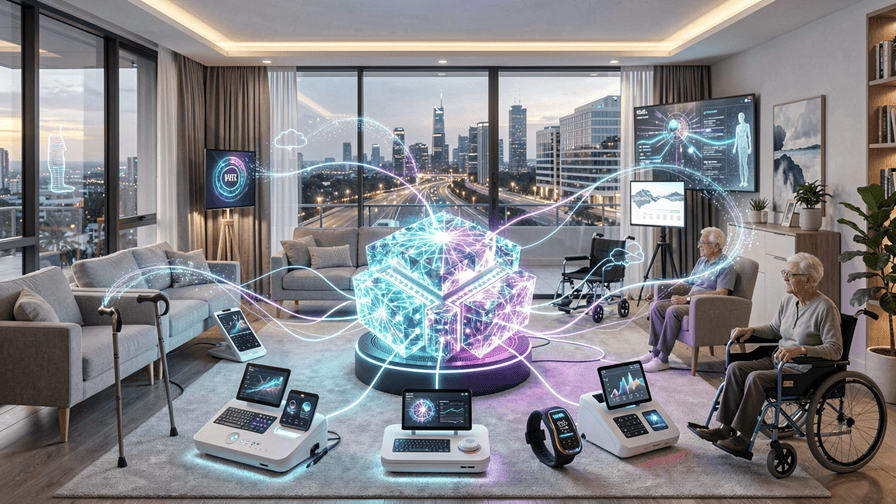
When designed with accessibility, transparency, and user participation in mind, AI for older adults can significantly improve quality of life. Rather than replacing human interaction, AI has the potential to support independence, enhance safety, simplify daily tasks, and provide easier access to essential services.
The greatest benefits are achieved when older adults are involved throughout the design and evaluation process, ensuring the technology addresses real-world needs instead of assumptions.
Promoting Independent Living
One of the primary goals of AI for older adults is to help seniors remain independent for longer.
AI-powered technologies can assist with everyday activities such as remembering appointments, managing medication schedules, controlling smart home devices, and accessing transportation services. These tools reduce reliance on constant assistance while allowing older adults to maintain greater control over their daily routines.
As populations continue to age, intelligent technologies will play an increasingly important role in supporting independent living.
Improving Healthcare Support
Healthcare is one of the fastest-growing applications for AI for older adults.
Artificial intelligence can help monitor health conditions, detect unusual patterns, provide medication reminders, support virtual consultations, and assist healthcare professionals with data analysis.
Common healthcare applications include:
- Remote patient monitoring.
- Medication management.
- Fall detection.
- Vital sign analysis.
- Appointment reminders.
- Health record assistance.
- Early risk detection.
- Personalized wellness recommendations.
These technologies complement healthcare providers while helping older adults receive more proactive and personalized care.
Enhancing Digital Accessibility
Many digital services now rely on AI-powered interfaces.
Designing AI for older adults with accessibility in mind ensures that more people can confidently use online banking, healthcare portals, government services, shopping platforms, and communication tools.
Accessibility improvements may include:
- Voice interaction.
- Natural language communication.
- Simplified navigation.
- Larger interface elements.
- Personalized settings.
- Clear explanations.
- Adaptive assistance.
- Error prevention.
These features benefit users of all ages, not only seniors.
Supporting Everyday Communication
AI technologies are making communication easier for older adults by reducing technical barriers.
Voice assistants, speech recognition, automatic captioning, language translation, and intelligent messaging tools help older users stay connected with family, caregivers, healthcare providers, and community services.
Well-designed AI for older adults improves communication without requiring advanced technical knowledge.
Increasing Safety and Security
Safety remains a major priority for older adults living independently.
Modern AI for older adults can contribute through:
- Emergency alerts.
- Fall detection systems.
- Smart home monitoring.
- Fraud detection.
- Scam identification.
- Security notifications.
- Location assistance.
- Health emergency monitoring.
These technologies provide additional peace of mind while supporting both seniors and their caregivers.
Real-World Applications
The adoption of AI for older adults continues expanding across multiple industries.
Healthcare
Hospitals and healthcare providers use AI to improve patient monitoring, appointment scheduling, clinical documentation, and personalized care planning.
Financial Services
Banks increasingly use AI to detect fraudulent transactions, simplify customer support, and provide accessible digital banking experiences for older customers.
Smart Homes
Connected home technologies allow older adults to control lighting, heating, appliances, security systems, and emergency devices using simple voice commands or automated routines.
Public Services
Governments are beginning to integrate AI into public services, making it easier for citizens to access benefits, schedule appointments, complete applications, and receive information through accessible digital assistants.
Transportation
AI-powered transportation services help older adults plan journeys, access mobility assistance, navigate unfamiliar environments, and receive real-time travel updates.
Explainable AI Builds Confidence
One of the most important requirements for AI for older adults is explainability.
Older users often want to understand:
- Why AI made a recommendation.
- How decisions were reached.
- What information was used.
- Whether recommendations can be trusted.
- What alternatives are available.
- How personal data is handled.
- When human assistance is available.
- How to override AI decisions.
Providing clear explanations helps users feel more confident and comfortable using AI technologies.
Building Trust Through Human-Centered Design
Trust is essential for the long-term success of AI for older adults.
Organizations can strengthen trust by:
- Involving older adults in product design.
- Conducting usability testing with diverse age groups.
- Prioritizing privacy and security.
- Offering transparent AI explanations.
- Providing human support when needed.
- Designing intuitive interfaces.
- Respecting user autonomy.
- Continuously improving accessibility.
Human-centered design ensures that AI remains a tool that empowers people rather than creating unnecessary barriers.
Why Inclusion Benefits Everyone
Although this discussion focuses on seniors, designing AI for older adults often results in products that are easier for everyone to use.
Clear interfaces, transparent decision-making, accessible communication, and intuitive experiences improve usability across all age groups, making inclusive AI a benefit for society as a whole.
Challenges and Limitations of AI for Older Adults

While artificial intelligence offers tremendous opportunities to improve accessibility, healthcare, communication, and independent living, there are still significant challenges that must be addressed. Building effective AI for older adults requires more than advanced algorithms—it demands thoughtful design, ethical development, strong privacy protections, and meaningful participation from older people throughout the development process.
If these challenges are overlooked, AI may unintentionally exclude the very people it is intended to support.
The Digital Skills Gap
One of the biggest barriers to adopting AI for older adults is the difference in digital experience among users.
Many older adults are highly comfortable with technology, while others may have limited experience using smartphones, mobile applications, or AI-powered digital services.
Common challenges include:
- Learning new technologies.
- Understanding AI-generated recommendations.
- Navigating complex interfaces.
- Managing multiple accounts.
- Remembering passwords.
- Updating devices.
- Identifying trustworthy information.
- Recognizing online scams.
Designing intuitive AI experiences helps reduce these barriers while encouraging wider adoption.
Accessibility Must Go Beyond Interface Design
Larger text and voice commands alone are not enough.
Effective AI for older adults must also consider cognitive accessibility, hearing and vision differences, language preferences, physical mobility, and varying levels of technical confidence.
Inclusive AI should provide:
- Clear explanations.
- Simple navigation.
- Flexible interaction methods.
- Adjustable accessibility settings.
- Consistent user experiences.
- Easy error recovery.
- Personalized assistance.
- Human support options.
Accessibility should be integrated into product design from the beginning rather than added later.
Privacy and Data Protection
Many AI systems rely on personal information to deliver personalized experiences.
Healthcare data, location information, financial records, communication history, and smart home activity can all improve AI recommendations, but they also introduce privacy concerns.
Organizations developing AI for older adults should prioritize:
- Transparent data collection.
- User consent.
- Secure data storage.
- Encryption.
- Access controls.
- Data minimization.
- Privacy-by-design principles.
- Regulatory compliance.
Strong privacy practices build confidence and encourage long-term adoption.
Trust in Artificial Intelligence
Trust remains one of the most important factors influencing whether older adults are willing to use AI technologies.
Many users want reassurance that AI systems are:
- Accurate.
- Reliable.
- Fair.
- Explainable.
- Secure.
- Respectful.
- Transparent.
- Easy to understand.
Providing clear explanations and allowing users to retain control over important decisions helps strengthen confidence in AI-powered services.
Bias and Inclusive Development
AI systems learn from the data used to train them.
If older adults are underrepresented in research datasets or product testing, AI systems may not fully understand their needs or behaviors.
Developers should ensure that AI for older adults includes:
- Diverse user testing.
- Inclusive research participants.
- Age-diverse datasets.
- Accessibility experts.
- Healthcare professionals.
- Caregivers.
- Community organizations.
- Older adults themselves.
Inclusive development produces AI systems that are more accurate, equitable, and useful for everyone.
Human Interaction Still Matters
Artificial intelligence should support—not replace—human relationships.
Many older adults value personal interaction with healthcare professionals, family members, caregivers, and community services.
The most successful AI for older adults combines intelligent automation with accessible human support whenever needed.
This balanced approach improves both efficiency and user satisfaction.
Best Practices for Developing AI for Older Adults
Organizations can improve adoption and trust by following several key principles.
Include Older Adults Early
Older adults should participate throughout research, design, testing, and product evaluation rather than being consulted only after development is complete.
Their lived experiences provide valuable insights that improve usability and accessibility.
Prioritize Explainability
AI systems should clearly explain:
- How recommendations are generated.
- What information is used.
- Why specific decisions are made.
- How users can review or change outcomes.
Transparent AI encourages greater confidence.
Design for Simplicity
Simple interfaces reduce frustration while making AI technologies easier to learn and use.
Reducing unnecessary complexity benefits users across all age groups.
Provide Human Assistance
Users should always have access to human support when AI cannot answer questions or when sensitive decisions require professional guidance.
Human-centered AI creates more trustworthy digital experiences.
Future Research Directions
Research into AI for older adults continues expanding as populations age and AI becomes more integrated into everyday life.
Future research areas include:
- Personalized AI assistants.
- Healthy aging technologies.
- AI-supported healthcare.
- Digital inclusion strategies.
- Explainable AI.
- Ethical AI governance.
- Age-friendly smart homes.
- Inclusive AI design methodologies.
These developments aim to ensure AI technologies remain accessible, equitable, and beneficial for people of all ages.
Inclusion Is the Foundation of Better AI
The future of artificial intelligence depends on designing systems that serve diverse communities.
By listening to older adults and involving them throughout the development process, organizations can create AI technologies that are more trustworthy, accessible, and effective—not only for seniors, but for society as a whole.
The Future of AI for Older Adults

The future of AI for older adults depends on creating technologies that are inclusive, accessible, and developed with direct input from the people who will use them. As artificial intelligence becomes part of healthcare, financial services, transportation, communication, and public services, older adults should be active participants in shaping how these systems are designed, tested, and governed.
Rather than focusing solely on technological advancement, future AI development will increasingly emphasize human-centered design, digital inclusion, explainability, and ethical innovation. Organizations are recognizing that successful AI systems must earn users’ trust through transparency, reliability, and accessibility.
Several trends are expected to shape the future of AI for older adults:
- Human-centered AI design.
- Greater participation of older adults in AI development.
- More accessible digital services.
- Personalized AI assistants.
- Explainable artificial intelligence.
- AI-supported healthy aging.
- Smart home technologies.
- Ethical AI governance.
As these technologies continue to evolve, they have the potential to improve independence, enhance healthcare, reduce social isolation, and make digital services more accessible for millions of older adults worldwide.
Strategic Takeaways
The growing conversation around AI for older adults highlights the importance of designing artificial intelligence that reflects the needs of all generations.
Key insights include:
- Older adults should be involved throughout the AI development process.
- Accessibility improves technology for users of every age.
- Explainable AI increases confidence and trust.
- Privacy and transparency remain essential.
- Human-centered design creates more inclusive digital experiences.
- Collaboration between developers, researchers, policymakers, and older adults leads to better AI solutions.
Organizations that prioritize inclusion will build AI systems that are more reliable, ethical, and widely adopted.
Conclusion
Artificial intelligence is reshaping how people interact with technology, but its long-term success depends on ensuring that no group is left behind. The growing demand for AI for older adults reflects a broader movement toward inclusive innovation, where people of all ages have the opportunity to influence technologies that affect their everyday lives.
Older adults bring valuable perspectives based on decades of life experience, practical problem-solving, and real-world challenges. Their involvement helps developers identify usability issues, accessibility barriers, privacy concerns, and design improvements that may otherwise be overlooked. By listening to these voices early in the development process, organizations can create AI systems that are more intuitive, trustworthy, and beneficial for everyone.
As AI becomes increasingly integrated into healthcare, financial services, transportation, smart homes, and government services, designing with older adults in mind will become even more important. Inclusive development not only supports healthy aging but also improves products for younger users by promoting simplicity, transparency, and user-centered experiences.
The future of AI for older adults is not simply about creating better technology—it is about building technology that respects human dignity, encourages participation, and enables people to live safer, healthier, and more connected lives.
Frequently Asked Questions (FAQs)
What is AI for older adults?
AI for older adults refers to artificial intelligence technologies designed to improve accessibility, healthcare, communication, safety, independence, and overall quality of life for older people.
Why should older adults be involved in AI development?
Older adults experience technology differently from younger users. Their participation helps developers create AI systems that are more accessible, understandable, trustworthy, and better suited to real-world needs.
How can AI improve the lives of older adults?
AI can support medication reminders, health monitoring, smart home automation, emergency alerts, fraud detection, voice assistance, communication tools, and personalized digital services that promote independent living.
Is AI replacing human caregivers?
No. AI for older adults is intended to assist caregivers and healthcare professionals rather than replace them. Human interaction remains essential for emotional support, complex decision-making, and personalized care.
Why is explainable AI important for older adults?
Explainable AI helps users understand how recommendations are made, increasing transparency, trust, confidence, and the ability to make informed decisions when using AI-powered services.
Build Inclusive AI Solutions for Every Generation
Artificial intelligence should empower everyone, regardless of age. Whether you’re developing accessible digital services, healthcare AI, intelligent automation, or customer-focused AI solutions, our experts can help you create secure, inclusive, and human-centered technologies that meet the needs of diverse users.
More AI coverage: explore Progressive Robot's AI Models, Tools & Releases hub — hands-on reviews, setup guides and benchmarks in one place.










