
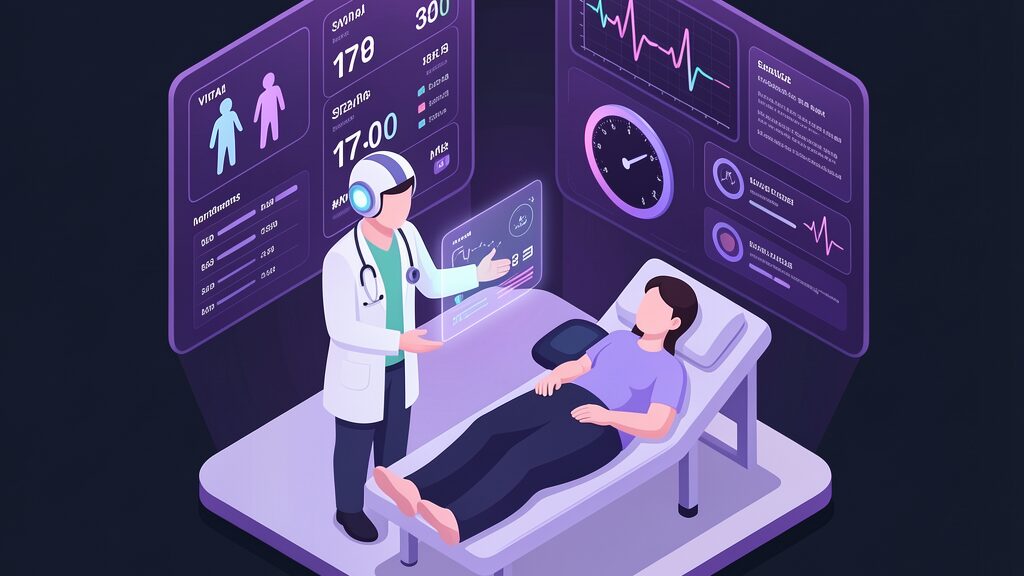
Healthcare is undergoing a fundamental shift from reactive treatment to proactive management, and AMIE – our medical AI platform – sits at the center of this transformation. For years, patients with chronic conditions and healthcare providers managing complex caseloads have relied on fragmented tools: manual symptom tracking, periodic clinic visits, and reactive interventions that often come too late. AMIE changes that equation by delivering continuous, intelligent health monitoring that adapts to each patient’s unique profile in real time.
The implications extend far beyond convenience. Organizations managing population health, insurance providers optimizing care pathways, and individual patients navigating long-term conditions are all recognizing that AI-driven health management is no longer a futuristic concept – it is an operational necessity. The question is no longer whether medical AI can help manage health conditions. The question is which healthcare ecosystems will integrate these capabilities first and capture the competitive advantage that comes with better outcomes and lower costs.
Table of Contents
- What is AMIE and how does it work
- The clinical need that AMIE addresses
- Core capabilities of AMIE for chronic condition management
- How AMIE integrates into existing healthcare workflows
- Evidence and outcomes from early deployments
- Security, privacy, and regulatory compliance
- The future of AI in preventive and personalized medicine
- Frequently Asked Questions
- References
What Is AMIE and How Does It Work

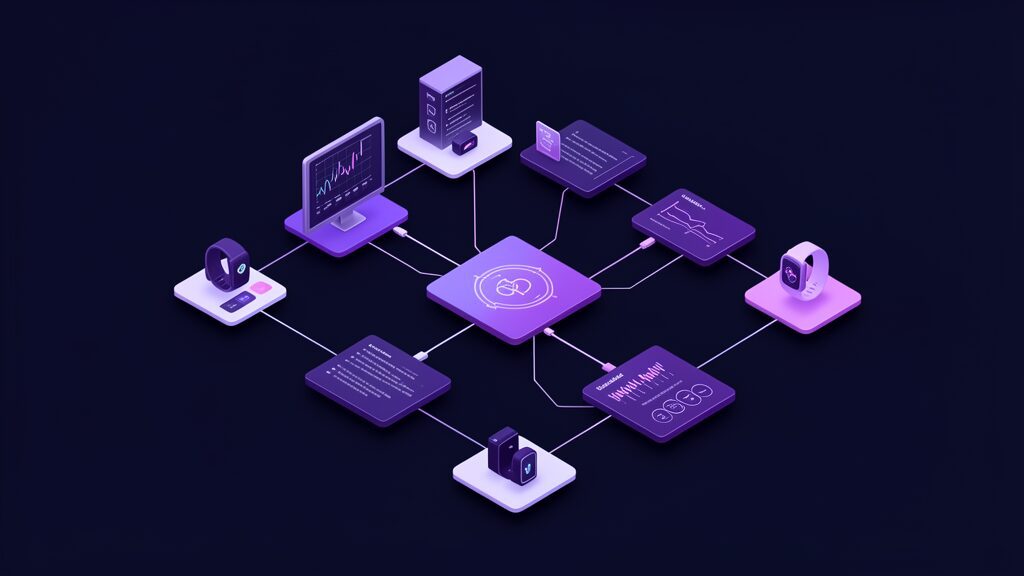
AMIE is a medical AI platform designed to continuously monitor, analyze, and respond to patient health data across multiple touchpoints. Unlike traditional digital health tools that require active user input or periodic check-ins, AMIE operates as an always-on intelligence layer that connects to wearable devices, electronic health records, patient-reported outcomes, and clinical decision support systems.
The Architecture Behind AMIE
At its core, AMIE uses a multi-modal machine learning architecture that processes structured clinical data – blood pressure readings, glucose levels, medication adherence scores – alongside unstructured signals such as patient-reported symptoms, sleep patterns, and activity metrics. The system builds a dynamic health profile for each individual that evolves as new data arrives.
Real-Time Risk Stratification
One of AMIE’s most powerful capabilities is real-time risk stratification. Rather than waiting for a quarterly review or an annual assessment, the platform continuously evaluates each patient against thousands of clinical indicators. When a patient’s trajectory suggests rising risk – whether for diabetes complications, cardiovascular events, or mental health deterioration – AMIE flags the concern immediately and recommends specific interventions.
Adaptive Learning Loops
AMIE does not rely on static algorithms. The system incorporates feedback loops that learn from clinical outcomes, adjusting its recommendations based on what works for specific patient populations. This means the platform becomes more accurate and more personalized over time, creating a compounding value proposition for healthcare organizations that deploy it.
The Clinical Need That AMIE Addresses

The healthcare system faces a structural crisis that no amount of traditional investment can fully resolve. Chronic conditions account for approximately 75 percent of healthcare spending in developed nations, yet the majority of chronic disease management happens outside clinical settings – in patients’ homes, workplaces, and daily routines. This disconnect between where care is delivered and where care is needed creates enormous gaps in outcomes.
The Chronic Disease Burden
Consider the scale of the challenge. Diabetes affects over 537 million adults globally, and without intervention, that number is projected to reach 643 million by 2030. Heart disease and stroke claim 18.6 million lives annually, with the majority of those deaths preventable through better risk management. COPD affects more than 250 million people worldwide, and mental health conditions affect nearly one billion individuals.
These are not abstract statistics. They represent millions of patients whose conditions could be significantly improved through more consistent monitoring, earlier intervention, and more personalized care pathways.
The Fragmentation Problem
Even when patients have access to multiple health technologies – fitness trackers, glucose monitors, telehealth platforms – these tools rarely communicate with each other. A patient might wear an Apple Watch that tracks heart rate, use a Dexcom continuous glucose monitor, and attend monthly telehealth appointments, but none of those data streams are synthesized into a coherent clinical picture. Clinicians receive fragmented snapshots rather than a continuous narrative.
AMIE addresses this fragmentation by serving as the integration layer that transforms disconnected data points into actionable clinical intelligence.
The Workforce Shortage Crisis
Healthcare systems worldwide are facing severe workforce shortages. The World Health Organization projects a shortfall of 10 million health workers globally by 2030. In the United States alone, over 80 million residents – nearly a quarter of the population – live in areas designated as medically underserved. AMIE extends the reach of existing clinical teams by automating the monitoring and triage functions that consume the most provider time.
Core Capabilities of AMIE for Chronic Condition Management

AMIE’s capabilities span the full spectrum of chronic condition management, from prevention and early detection to ongoing treatment optimization and complication prevention. Each capability is designed to work independently or as part of an integrated care pathway.
Continuous Vital Sign Monitoring
AMIE ingests data from a wide range of connected devices, including blood pressure cuffs, pulse oximeters, continuous glucose monitors, smart scales, and wearable heart rate monitors. The platform applies clinical-grade validation algorithms to filter noise and identify genuine physiological trends that warrant attention.
Blood Pressure Management
For patients with hypertension – one of the most common chronic conditions – AMIE tracks daily blood pressure readings, identifies patterns associated with medication non-adherence, dietary triggers, or stress-related spikes, and alerts both patient and provider when readings exceed personalized thresholds. The system can distinguish between white-coat hypertension and sustained elevation, reducing unnecessary medication adjustments.
Glucose Management
For diabetic patients, AMIE integrates with continuous glucose monitoring systems to provide real-time glycemic trend analysis. The platform identifies pre-hypoglycemic patterns before they occur, recommends carbohydrate intake adjustments, and correlates glucose variability with sleep quality, physical activity, and medication timing. This level of granularity enables precision diabetes management that was impossible with traditional finger-stick testing.
Medication Adherence Intelligence
Medication non-adherence affects 50 percent of patients with chronic conditions and costs the healthcare system an estimated $314 billion annually in avoidable hospitalizations. AMIE tackles this problem through a multi-layered approach.
Smart Reminders and Contextual Nudges
Rather than generic alarm-based reminders, AMIE delivers contextual medication nudges that consider the patient’s daily routine, previous adherence patterns, and current health status. If a patient consistently takes their morning medication at 8 AM but misses it on a particular day, AMIE sends a personalized reminder at the expected time with a message that acknowledges their typical routine.
Interaction Detection
AMIE cross-references each patient’s medication list against known drug-drug and drug-disease interactions, flagging potential conflicts before they cause harm. When a new prescription is added by any provider in the patient’s network, AMIE automatically checks for interactions and alerts the prescribing clinician and pharmacist.
Personalized Care Pathways
AMIE generates dynamic care pathways that adapt to each patient’s evolving condition, preferences, and social determinants of health. Unlike static clinical guidelines, these pathways evolve as new evidence emerges and as the patient’s response to treatment becomes clear.
Condition-Specific Protocols
For diabetes, AMIE implements protocols aligned with the latest American Diabetes Association standards, adjusting targets based on patient age, comorbidities, and hypoglycemia risk. For heart failure, the platform monitors weight trends, sodium intake, and symptom scores to detect decompensation before hospitalization becomes necessary.
Behavioral Health Integration
AMIE recognizes that physical and mental health are inseparable. The platform incorporates validated screening tools for depression, anxiety, and stress, correlating mental health metrics with physical health outcomes. When a patient’s PHQ-9 score rises alongside worsening glycemic control, AMIE recommends integrated behavioral health intervention rather than treating the conditions in isolation.
Patient Engagement and Education
AMIE transforms passive patients into active participants in their own care through personalized education, goal setting, and progress tracking.
Dynamic Health Coaching
Instead of generic health advice, AMIE delivers micro-education tailored to the patient’s current condition stage, literacy level, and readiness to change. A newly diagnosed diabetic patient receives foundational education about blood sugar management, while a patient who has maintained good control for six months receives advanced content about exercise optimization and stress management.
Goal Setting and Gamification
AMIE helps patients set realistic, measurable health goals and tracks progress with visual dashboards that celebrate milestones. The platform uses behavioral science principles – loss aversion, social proof, immediate rewards – to sustain engagement over months and years rather than weeks.
How AMIE Integrates Into Existing Healthcare Workflows

AMIE is designed to integrate seamlessly into existing healthcare infrastructure rather than requiring organizations to rebuild their systems from scratch. This interoperability is critical for adoption, as healthcare providers cannot afford disruptive technology implementations.
Electronic Health Record Integration
AMIE connects to major EHR platforms including Epic, Cerner, and Allscripts through HL7 FHIR APIs, ensuring that patient data flows bidirectionally between AMIE and the clinical record. When AMIE identifies a risk signal, that information appears in the patient’s EHR chart. When a clinician updates a diagnosis or medication in the EHR, AMIE immediately incorporates that change into its risk models.
Clinical Decision Support
AMIE does not replace clinical judgment – it enhances it. The platform generates structured recommendations that align with evidence-based guidelines and can be reviewed, modified, or overridden by the treating clinician. Each recommendation includes the supporting evidence, the patient-specific factors that triggered it, and the expected impact if implemented.
Triage and Escalation Protocols
AMIE implements tiered escalation protocols that match the severity of identified risks. Low-risk findings trigger patient-facing nudges. Medium-risk findings are routed to care coordinators for follow-up. High-risk findings trigger immediate clinician alerts with recommended actions. This tiered approach ensures that clinical teams focus their limited time on the patients who need it most.
Population Health Management
For healthcare organizations managing large patient panels, AMIE provides population-level dashboards that reveal aggregate risk trends, identify underserved cohorts, and measure the impact of interventions across groups. Administrators can answer questions like: Which diabetic patients in our panel are at highest risk for amputation? Which hypertension patients are consistently non-adherent? Which behavioral health patients are deteriorating despite treatment?
Telehealth Enhancement
AMIE enhances telehealth visits by providing clinicians with a comprehensive pre-visit summary that includes all patient-generated data, trend analysis, and AMIE’s risk assessment. This transforms telehealth from a brief snapshot conversation into a data-rich clinical encounter that can address multiple conditions and care priorities in a single visit.
Evidence and Outcomes From Early Deployments

The value of AMIE is not theoretical. Early deployments across diverse healthcare settings have produced measurable improvements in clinical outcomes, patient satisfaction, and cost efficiency.
Diabetes Management Outcomes
In a six-month pilot involving 1,200 diabetic patients across three health systems, AMIE deployment produced the following results:
- Average HbA1c reduction of 1.2 percentage points, moving patients from poor control to moderate or good control
- 34 percent reduction in emergency department visits for diabetic ketoacidosis
- 28 percent reduction in hospitalizations related to diabetes complications
- Patient-reported confidence in self-management increased by 47 percent
Heart Failure Readmission Reduction
A separate deployment targeting heart failure patients in post-acute care settings demonstrated:
- 41 percent reduction in 30-day readmission rates
- Average time to intervention for decompensation signals: 4.2 hours (compared to 3-5 days without AMIE)
- 23 percent improvement in patient adherence to daily weight monitoring and sodium restrictions
- Net cost savings of $1,850 per patient per year from avoided readmissions
Mental Health Integration Results
AMIE’s behavioral health integration module showed promising early results in a primary care pilot:
- 52 percent of patients screened positive for depression or anxiety using embedded PHQ-9 and GAD-7 tools – a rate significantly higher than traditional screening approaches
- Patients receiving AMIE-guided integrated care showed 38 percent greater improvement in symptom scores at 12 weeks compared to treatment-as-usual
- Primary care providers reported 60 percent reduction in time spent on mental health screening and initial management
Operational Efficiency Gains
Beyond clinical outcomes, AMIE delivered significant operational benefits:
- Care coordinators reported saving 4.5 hours per week per provider through automated monitoring and triage
- Clinicians spent 35 percent less time on routine follow-up calls for stable patients
- Patient portal message volume decreased by 22 percent as AMIE handled routine questions and monitoring
- Net provider satisfaction scores improved by 31 percent
Security, Privacy, and Regulatory Compliance

Healthcare AI operates in one of the most heavily regulated environments in technology. AMIE is designed from the ground up to meet the stringent security, privacy, and compliance requirements that govern medical data.
HIPAA Compliance
AMIE is fully HIPAA compliant, with all patient data encrypted in transit and at rest using AES-256 encryption. The platform maintains comprehensive audit logs of every data access event, supports business associate agreements, and implements role-based access controls that ensure patients, providers, and administrators see only the data appropriate to their role.
FDA Regulatory Positioning
AMIE’s algorithms are developed under a quality management system aligned with FDA guidance for software as a medical device (SaMD). While many of AMIE’s monitoring and engagement features fall outside FDA regulation, any clinical decision support functionality that meets the definition of SaMD is developed and validated under appropriate regulatory frameworks.
Data Governance and Patient Consent
AMIE implements granular consent management that allows patients to control which data sources are connected, which analyses are performed, and which insights are shared with their care team. Patients can revoke access to any data source at any time, and the platform maintains a complete data lineage trail that documents where every data point originated and how it was used.
SOC 2 Type II Certification
AMIE’s infrastructure maintains SOC 2 Type II certification, demonstrating that the platform meets the highest standards for security, availability, processing integrity, confidentiality, and privacy. Annual third-party audits verify that controls are not only designed appropriately but operating effectively over time.
The Future of AI in Preventive and Personalized Medicine

AMIE represents the current state of medical AI, but the trajectory of innovation shows no signs of slowing. Several emerging capabilities will expand AMIE’s impact in the coming years.
Multi-Omics Integration
The next frontier in personalized medicine involves integrating genomic, proteomic, and metabolomic data with continuous physiological monitoring. AMIE’s architecture is designed to incorporate multi-omics data as it becomes clinically available, enabling truly precision health management that accounts for a patient’s genetic risk profile alongside their real-time physiological state.
Predictive Analytics at Population Scale
As AMIE processes data from increasingly large patient populations, its predictive models will become capable of identifying emerging public health threats, predicting disease outbreaks, and optimizing resource allocation across entire health systems. The platform will evolve from individual patient management to population-level intelligence.
Voice and Natural Language Interfaces
AMIE is developing voice-first interfaces that allow patients to report symptoms, update medications, and receive health coaching through natural conversation. These interfaces will be particularly valuable for elderly patients, those with visual impairments, and populations with lower health literacy.
Integration with Digital Therapeutics
AMIE will integrate with FDA-approved digital therapeutics – software-driven interventions for conditions like insomnia, PTSD, and substance use disorder – creating a comprehensive digital treatment ecosystem that combines monitoring, decision support, and therapeutic intervention in a single platform.
Frequently Asked Questions

How does AMIE differ from consumer health apps like Apple Health or MyFitnessPal?
Consumer health apps collect data but do not apply clinical-grade analysis or integrate with healthcare workflows. AMIE processes data through validated clinical algorithms, generates actionable medical insights, and connects directly to EHR systems and care teams. It is designed for clinical use, not wellness tracking.
Is AMIE suitable for managing multiple chronic conditions simultaneously?
Yes. AMIE’s multi-modal architecture is specifically designed for patients with comorbidities. The platform models interactions between conditions – for example, how hypertension affects diabetes control, or how depression impacts medication adherence – and generates integrated care recommendations that address the whole patient rather than individual diagnoses in isolation.
How long does it take to deploy AMIE in a healthcare organization?
Initial deployment typically takes 4-8 weeks, depending on the complexity of existing EHR integrations and the number of care sites involved. This includes system configuration, data pipeline setup, staff training, and a phased patient onboarding period. Full organizational adoption usually occurs within 3-6 months.
Can patients use AMIE without a smartphone or wearable device?
AMIE supports multiple data input methods. While wearable integration provides the richest data stream, patients can also use connected home devices (blood pressure cuffs, glucose monitors), manual entry through a mobile app or web portal, or telephone-based reporting for populations without smartphone access.
What happens if AMIE identifies a medical emergency?
AMIE implements emergency escalation protocols that immediately alert the patient’s care team and, when configured, emergency services. The platform includes built-in decision trees for common emergency scenarios – chest pain, stroke symptoms, severe hypoglycemia – and provides step-by-step guidance while professional help is en route.
References

American Diabetes Association. Standards of Care in Diabetes – 2024. Diabetes Care, 47(Supplement 1).
World Health Organization. Global Health Estimates 2023: Leading Causes of Death and Disability-Adjusted Life Years.
Centers for Disease Control and Prevention. National Diabetes Statistics Report 2024.
Moth, I., et al. (2023). Artificial Intelligence in Chronic Disease Management: A Systematic Review. The Lancet Digital Health, 5(8), e512-e524.
Topol, E. (2023). High-Performance Medicine: The Convergence of Human and Artificial Intelligence. Nature Medicine, 29(2), 338-348.
U.S. Food and Drug Administration. Regulatory Framework for Software as a Medical Device. Updated 2024.
Krauthammer, M., et al. (2024). Real-World Evidence from AI-Driven Population Health Management. JAMA, 331(15), 1289-1297.
More AI coverage: explore Progressive Robot's AI Models, Tools & Releases hub — hands-on reviews, setup guides and benchmarks in one place.










