
Autonomous self healing network infrastructure machine learning is changing how enterprises think about fiber outages, carrier escalations, network operations, and downtime economics. The promise is not a magical network that never fails; it is an operating model where models predict degradation early, policies approve safe actions, and engineers intervene only when judgment is genuinely required.
Traditional network operations still depend on alarms, tickets, bridge calls, provider queues, manual correlation, and heroic troubleshooting. That model breaks down when hybrid cloud, branch connectivity, data-center fabrics, and carrier dependencies create more signals than humans can interpret quickly.
This guide explains how autonomous self healing network infrastructure machine learning can help leaders predict fiber outages before they become incidents, automate bounded repair actions, govern zero-human operations, and preserve human oversight where business risk demands it.
Table of contents
- Why zero-human network operations are becoming realistic
- How fiber outages announce themselves early
- Closed-loop remediation and safety
- Telemetry and topology foundations
- The first ninety days
- Frequently asked questions
Why zero-human network operations are becoming realistic
Autonomous self healing network infrastructure machine learning should begin where network telemetry is now rich enough to show weak signals before service failure. In that context, leaders can use machine learning to predict risk, trigger bounded actions, and keep engineers focused on exceptions. The goal is to combine telemetry, topology, policy, remediation evidence, and service impact into one operating loop.
The enterprise risk is concrete: a network can look healthy in a dashboard while optical loss, route churn, or configuration drift is already forming an outage. Leaders should judge the program by prevented outages, safer remediation, faster carrier escalation, better evidence, and fewer incidents that require emergency human coordination.
Fiber outages usually announce themselves early
Autonomous self healing network infrastructure machine learning should begin where optical power drift, error counters, interface flaps, packet loss, and weather or construction context often arrive before a hard cut. In that context, the operating model should turn those signals into probability, likely cause, service impact, and response urgency. The goal is to combine telemetry, topology, policy, remediation evidence, and service impact into one operating loop.
The enterprise risk is concrete: manual teams usually see the pattern only after users, carriers, or monitoring alarms escalate the incident. Leaders should judge the program by prevented outages, safer remediation, faster carrier escalation, better evidence, and fewer incidents that require emergency human coordination.
Machine learning changes the signal-to-noise problem
Autonomous self healing network infrastructure machine learning should begin where legacy monitoring generates too many alerts and too little context. In that context, models can group symptoms across transport, routing, application, and change data to identify the fault pattern that matters. The goal is to combine telemetry, topology, policy, remediation evidence, and service impact into one operating loop.
The enterprise risk is concrete: engineers should not spend the first thirty minutes deciding whether five alarms are one incident or five unrelated failures. Leaders should judge the program by prevented outages, safer remediation, faster carrier escalation, better evidence, and fewer incidents that require emergency human coordination.
Closed-loop remediation must start with safe actions
Autonomous self healing network infrastructure machine learning should begin where not every predicted outage should trigger an immediate autonomous repair. In that context, teams should begin with enrichment, ticket creation, suggested reroutes, and human approval before granting direct control. The goal is to combine telemetry, topology, policy, remediation evidence, and service impact into one operating loop.
The enterprise risk is concrete: aggressive automation can turn a small fiber problem into a larger service disruption if guardrails are missing. Leaders should judge the program by prevented outages, safer remediation, faster carrier escalation, better evidence, and fewer incidents that require emergency human coordination. This is where Autonomous self healing network infrastructure machine learning gives leaders a practical control point instead of another noisy alert stream.
Telemetry quality decides whether self-healing works
Autonomous self healing network infrastructure machine learning should begin where models are only as useful as the data they receive. In that context, a program needs clean optical metrics, interface counters, route changes, topology, dependencies, service ownership, and change history. The goal is to combine telemetry, topology, policy, remediation evidence, and service impact into one operating loop.
The enterprise risk is concrete: an incomplete telemetry fabric makes the model confident about the wrong layer. Leaders should judge the program by prevented outages, safer remediation, faster carrier escalation, better evidence, and fewer incidents that require emergency human coordination.
Topology context turns alerts into impact
Autonomous self healing network infrastructure machine learning should begin where a port alarm means different things depending on the services, sites, paths, and redundancy behind it. In that context, network graphs should connect devices, circuits, fibers, applications, users, providers, and failover paths. The goal is to combine telemetry, topology, policy, remediation evidence, and service impact into one operating loop.
The enterprise risk is concrete: without topology, automation cannot tell whether a failing circuit is noise or a business-critical path. Leaders should judge the program by prevented outages, safer remediation, faster carrier escalation, better evidence, and fewer incidents that require emergency human coordination.
Root-cause ranking reduces repair time
Autonomous self healing network infrastructure machine learning should begin where operators need a ranked explanation, not just an outage score. In that context, the system should present likely causes, evidence, confidence, blast radius, and recommended next action. The goal is to combine telemetry, topology, policy, remediation evidence, and service impact into one operating loop.
The enterprise risk is concrete: a model that predicts failure but cannot explain the practical repair path still leaves humans guessing. Leaders should judge the program by prevented outages, safer remediation, faster carrier escalation, better evidence, and fewer incidents that require emergency human coordination.
Anomaly detection should respect seasonality
Autonomous self healing network infrastructure machine learning should begin where enterprise networks have daily, weekly, quarterly, and event-driven patterns. In that context, training should separate normal backup windows, branch traffic cycles, maintenance periods, and unusual business events from genuine risk. The goal is to combine telemetry, topology, policy, remediation evidence, and service impact into one operating loop.
The enterprise risk is concrete: otherwise the system learns to panic during normal operations and stay quiet during novel failures. Leaders should judge the program by prevented outages, safer remediation, faster carrier escalation, better evidence, and fewer incidents that require emergency human coordination. This is where Autonomous self healing network infrastructure machine learning gives leaders a practical control point instead of another noisy alert stream.
Change correlation prevents false blame
Autonomous self healing network infrastructure machine learning should begin where many network incidents follow planned or emergency changes. In that context, the model should connect configuration changes, firmware updates, carrier work, route policy edits, and access-layer moves to later symptoms. The goal is to combine telemetry, topology, policy, remediation evidence, and service impact into one operating loop.
The enterprise risk is concrete: teams lose time when they investigate fiber degradation while the actual trigger was a bad change. Leaders should judge the program by prevented outages, safer remediation, faster carrier escalation, better evidence, and fewer incidents that require emergency human coordination.
Carrier handoff can be automated without losing control
Autonomous self healing network infrastructure machine learning should begin where fiber incidents often cross provider boundaries. In that context, automation should open cases with evidence, attach optical readings, include timestamps, and track escalation history. The goal is to combine telemetry, topology, policy, remediation evidence, and service impact into one operating loop.
The enterprise risk is concrete: a vague ticket to a carrier creates delay because the provider must rediscover evidence the enterprise already has. Leaders should judge the program by prevented outages, safer remediation, faster carrier escalation, better evidence, and fewer incidents that require emergency human coordination.
Traffic rerouting is the obvious first repair pattern
Autonomous self healing network infrastructure machine learning should begin where if an alternate path is healthy, tested, and policy-approved, automation can shift traffic before users feel degradation. In that context, the workflow should include congestion checks, route validation, rollback, and service-owner notification. The goal is to combine telemetry, topology, policy, remediation evidence, and service impact into one operating loop.
The enterprise risk is concrete: rerouting without capacity awareness can save one site while overloading another. Leaders should judge the program by prevented outages, safer remediation, faster carrier escalation, better evidence, and fewer incidents that require emergency human coordination.
Port resets need strict eligibility rules
Autonomous self healing network infrastructure machine learning should begin where some faults clear with a port bounce, transceiver reseat, or interface reset, but those actions are not harmless. In that context, eligibility should consider redundancy, active sessions, device role, historical success, and rollback options. The goal is to combine telemetry, topology, policy, remediation evidence, and service impact into one operating loop.
The enterprise risk is concrete: blind resets create avoidable downtime in the name of automation. Leaders should judge the program by prevented outages, safer remediation, faster carrier escalation, better evidence, and fewer incidents that require emergency human coordination. This is where Autonomous self healing network infrastructure machine learning gives leaders a practical control point instead of another noisy alert stream.
Configuration rollback is useful only with evidence
Autonomous self healing network infrastructure machine learning should begin where network drift and bad changes can mimic physical fiber trouble. In that context, a self-healing workflow should compare intent, running state, approved change windows, and current symptoms before rollback. The goal is to combine telemetry, topology, policy, remediation evidence, and service impact into one operating loop.
The enterprise risk is concrete: rolling back a healthy change because a model misread coincidence undermines trust quickly. Leaders should judge the program by prevented outages, safer remediation, faster carrier escalation, better evidence, and fewer incidents that require emergency human coordination.
Field dispatch should become evidence-driven
Autonomous self healing network infrastructure machine learning should begin where a predicted physical fault can automatically prepare the dispatch package. In that context, the package should include circuit ID, location, last clean timestamp, optical trend, affected services, and safe test steps. The goal is to combine telemetry, topology, policy, remediation evidence, and service impact into one operating loop.
The enterprise risk is concrete: sending a technician without clear evidence wastes time and increases mean time to repair. Leaders should judge the program by prevented outages, safer remediation, faster carrier escalation, better evidence, and fewer incidents that require emergency human coordination.
Incident communications can be automated too
Autonomous self healing network infrastructure machine learning should begin where technical fixes do not remove the need to inform service owners and support teams. In that context, automation should publish impact, current action, confidence, next update time, and rollback status. The goal is to combine telemetry, topology, policy, remediation evidence, and service impact into one operating loop.
The enterprise risk is concrete: quiet repairs are helpful, but silent uncertainty during a major outage is not. Leaders should judge the program by prevented outages, safer remediation, faster carrier escalation, better evidence, and fewer incidents that require emergency human coordination.
Blast-radius control separates mature automation from risky scripts
Autonomous self healing network infrastructure machine learning should begin where zero-human operations require explicit boundaries. In that context, policies should define which devices, sites, links, services, and hours can receive automatic actions. The goal is to combine telemetry, topology, policy, remediation evidence, and service impact into one operating loop.
The enterprise risk is concrete: without blast-radius control, one mistaken remediation can affect more users than the original fault. Leaders should judge the program by prevented outages, safer remediation, faster carrier escalation, better evidence, and fewer incidents that require emergency human coordination. This is where Autonomous self healing network infrastructure machine learning gives leaders a practical control point instead of another noisy alert stream.
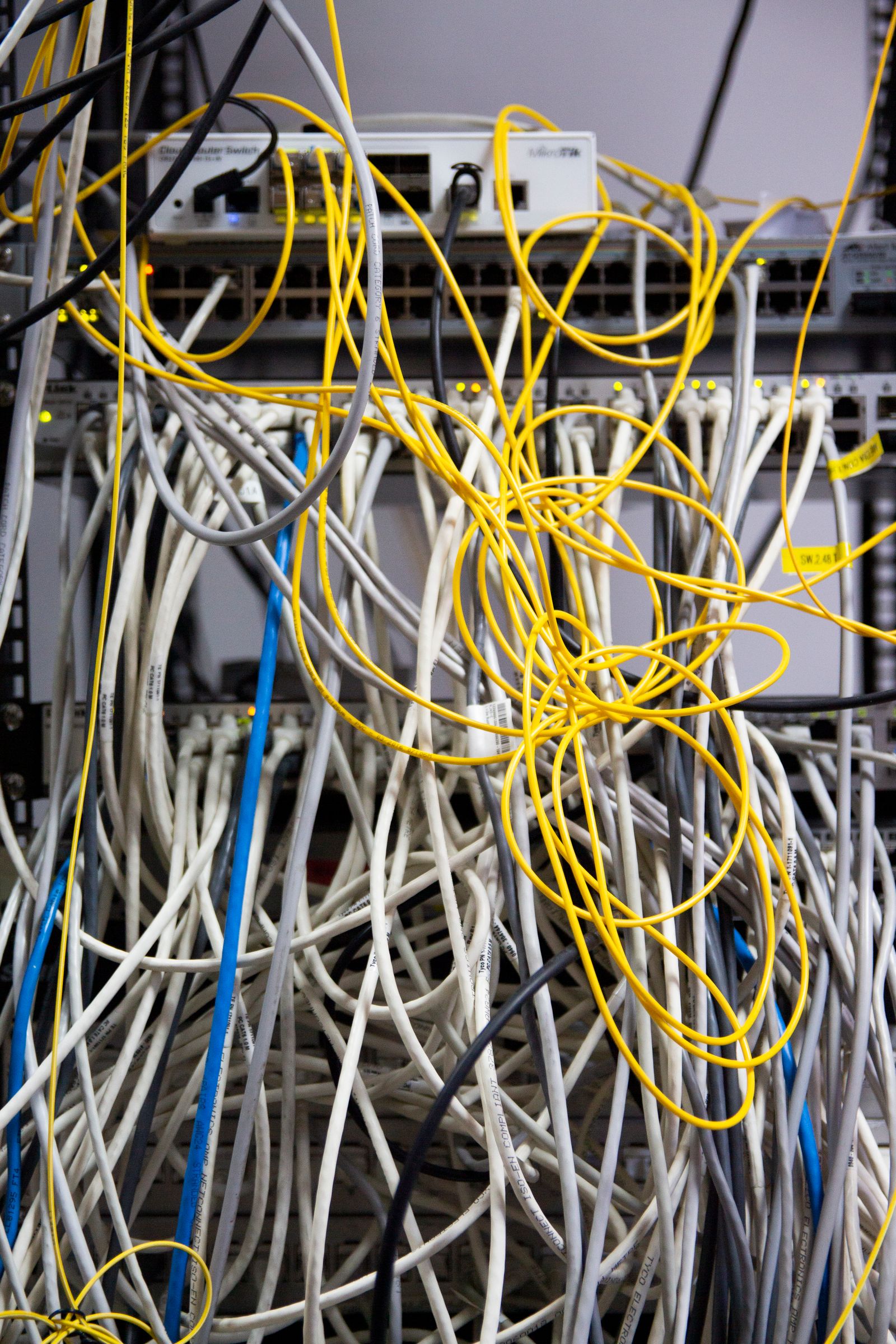
Human approval should be policy-based, not emotional
Autonomous self healing network infrastructure machine learning should begin where some actions deserve automatic approval while others require an operator. In that context, approval rules should depend on confidence, service tier, customer impact, redundancy, rollback success, and recent incident history. The goal is to combine telemetry, topology, policy, remediation evidence, and service impact into one operating loop.
The enterprise risk is concrete: teams should not debate the same remediation threshold during every outage. Leaders should judge the program by prevented outages, safer remediation, faster carrier escalation, better evidence, and fewer incidents that require emergency human coordination.
Model drift is an operational risk
Autonomous self healing network infrastructure machine learning should begin where network behavior changes when applications, sites, carriers, traffic patterns, and device software change. In that context, teams should monitor false positives, missed incidents, confidence calibration, and feature quality. The goal is to combine telemetry, topology, policy, remediation evidence, and service impact into one operating loop.
The enterprise risk is concrete: a model that was accurate last quarter can become dangerously stale after a routing redesign. Leaders should judge the program by prevented outages, safer remediation, faster carrier escalation, better evidence, and fewer incidents that require emergency human coordination.
Security boundaries matter in self-healing networks
Autonomous self healing network infrastructure machine learning should begin where remediation systems can change routes, interfaces, policies, and tickets. In that context, access should use least privilege, strong audit trails, secrets management, approval chains, and tamper-resistant logs. The goal is to combine telemetry, topology, policy, remediation evidence, and service impact into one operating loop.
The enterprise risk is concrete: an attacker who controls the remediation layer can turn reliability automation into an outage weapon. Leaders should judge the program by prevented outages, safer remediation, faster carrier escalation, better evidence, and fewer incidents that require emergency human coordination.
Compliance evidence should be built into every action
Autonomous self healing network infrastructure machine learning should begin where regulated enterprises need proof of what happened and why. In that context, each automated action should capture input data, model version, decision policy, actor, command, outcome, and rollback evidence. The goal is to combine telemetry, topology, policy, remediation evidence, and service impact into one operating loop.
The enterprise risk is concrete: post-incident reviews fail when automation leaves only a vague success message. Leaders should judge the program by prevented outages, safer remediation, faster carrier escalation, better evidence, and fewer incidents that require emergency human coordination. This is where Autonomous self healing network infrastructure machine learning gives leaders a practical control point instead of another noisy alert stream.
Service levels should decide automation depth
Autonomous self healing network infrastructure machine learning should begin where not every link, branch, or application needs the same self-healing policy. In that context, critical services may justify predictive rerouting and high-frequency telemetry while low-risk services begin with assisted repair. The goal is to combine telemetry, topology, policy, remediation evidence, and service impact into one operating loop.
The enterprise risk is concrete: uniform automation wastes effort and can create unnecessary operational risk. Leaders should judge the program by prevented outages, safer remediation, faster carrier escalation, better evidence, and fewer incidents that require emergency human coordination.
Edge and branch networks are strong candidates
Autonomous self healing network infrastructure machine learning should begin where remote sites often lack local engineers and suffer from slow dispatch. In that context, machine learning can compare site baselines, WAN behavior, access switch health, and last-mile provider patterns. The goal is to combine telemetry, topology, policy, remediation evidence, and service impact into one operating loop.
The enterprise risk is concrete: branch outages are expensive because the first expert may be hours away. Leaders should judge the program by prevented outages, safer remediation, faster carrier escalation, better evidence, and fewer incidents that require emergency human coordination.
Data center fabrics need a different self-healing pattern
Autonomous self healing network infrastructure machine learning should begin where east-west traffic, leaf-spine routing, overlay networks, and storage dependencies behave differently from branch WAN links. In that context, the model should understand fabric role, path diversity, congestion domains, and application blast radius. The goal is to combine telemetry, topology, policy, remediation evidence, and service impact into one operating loop.
The enterprise risk is concrete: a data-center fix that ignores workload placement can protect the network while hurting the application. Leaders should judge the program by prevented outages, safer remediation, faster carrier escalation, better evidence, and fewer incidents that require emergency human coordination.
Cloud connectivity adds another dependency layer
Autonomous self healing network infrastructure machine learning should begin where private interconnects, VPNs, transit gateways, cloud routers, and provider maintenance events complicate outage analysis. In that context, the system should combine cloud metrics with enterprise telemetry and carrier evidence. The goal is to combine telemetry, topology, policy, remediation evidence, and service impact into one operating loop.
The enterprise risk is concrete: hybrid outages often hide between teams because each platform sees only its own slice. Leaders should judge the program by prevented outages, safer remediation, faster carrier escalation, better evidence, and fewer incidents that require emergency human coordination. This is where Autonomous self healing network infrastructure machine learning gives leaders a practical control point instead of another noisy alert stream.
Vendor-neutral architecture protects long-term control
Autonomous self healing network infrastructure machine learning should begin where enterprises rarely run one vendor, one carrier, or one management plane. In that context, the self-healing layer should use open telemetry, APIs, intent data, and normalized event models where practical. The goal is to combine telemetry, topology, policy, remediation evidence, and service impact into one operating loop.
The enterprise risk is concrete: closed automation can become another silo that is hard to govern or replace. Leaders should judge the program by prevented outages, safer remediation, faster carrier escalation, better evidence, and fewer incidents that require emergency human coordination.
Testing sandboxes are mandatory
Autonomous self healing network infrastructure machine learning should begin where automation must be tested against realistic failures before production control. In that context, teams should replay incidents, simulate fiber degradation, test reroutes, validate rollback, and measure false positives. The goal is to combine telemetry, topology, policy, remediation evidence, and service impact into one operating loop.
The enterprise risk is concrete: production is a bad place to discover that an automated fix behaves differently under load. Leaders should judge the program by prevented outages, safer remediation, faster carrier escalation, better evidence, and fewer incidents that require emergency human coordination.
Runbooks become automation candidates
Autonomous self healing network infrastructure machine learning should begin where the best first remediations often come from proven human runbooks. In that context, teams should convert steps into decision trees, pre-checks, commands, validation, rollback, and evidence capture. The goal is to combine telemetry, topology, policy, remediation evidence, and service impact into one operating loop.
The enterprise risk is concrete: a runbook that cannot be explained clearly is not ready for autonomous execution. Leaders should judge the program by prevented outages, safer remediation, faster carrier escalation, better evidence, and fewer incidents that require emergency human coordination.
The operating model changes the network team
Autonomous self healing network infrastructure machine learning should begin where zero-human operations does not mean zero engineers. In that context, engineers shift toward policy design, model review, resilience architecture, exception handling, and post-incident improvement. The goal is to combine telemetry, topology, policy, remediation evidence, and service impact into one operating loop.
The enterprise risk is concrete: teams that sell automation as headcount removal create resistance and underinvest in governance. Leaders should judge the program by prevented outages, safer remediation, faster carrier escalation, better evidence, and fewer incidents that require emergency human coordination. This is where Autonomous self healing network infrastructure machine learning gives leaders a practical control point instead of another noisy alert stream.
The financial case is broader than ticket reduction
Autonomous self healing network infrastructure machine learning should begin where outages create lost revenue, customer churn, SLA penalties, truck rolls, overtime, and project delays. In that context, a business case should include avoided incidents, faster repair, fewer escalations, lower dispatch ambiguity, and higher service availability. The goal is to combine telemetry, topology, policy, remediation evidence, and service impact into one operating loop.
The enterprise risk is concrete: automation looks expensive when leaders count only monitoring licenses and ignore downtime economics. Leaders should judge the program by prevented outages, safer remediation, faster carrier escalation, better evidence, and fewer incidents that require emergency human coordination.
What to do in the first ninety days
Autonomous self healing network infrastructure machine learning should begin where a practical program starts with one critical service or recurring outage pattern. In that context, teams should inventory telemetry, map topology, review incidents, choose bounded remediation, and define approval rules. The goal is to combine telemetry, topology, policy, remediation evidence, and service impact into one operating loop.
The enterprise risk is concrete: trying to automate every network fault at once delays value and increases risk. Leaders should judge the program by prevented outages, safer remediation, faster carrier escalation, better evidence, and fewer incidents that require emergency human coordination.

Executive decisions before full autonomy
Autonomous self healing network infrastructure machine learning should begin where leaders need to define acceptable risk before machine actions change production infrastructure. In that context, decision thresholds should cover service tiers, financial impact, regulatory evidence, vendor lock-in, and rollback authority. The goal is to combine telemetry, topology, policy, remediation evidence, and service impact into one operating loop.
The enterprise risk is concrete: automation without executive policy leaves operators carrying business risk alone. Leaders should judge the program by prevented outages, safer remediation, faster carrier escalation, better evidence, and fewer incidents that require emergency human coordination.
The final verdict on self-healing enterprise networks
Autonomous self healing network infrastructure machine learning should begin where predictive models and closed-loop remediation are moving from theory into practical operations. In that context, organizations that instrument well, govern tightly, and automate gradually will prevent more outages before humans need to intervene. The goal is to combine telemetry, topology, policy, remediation evidence, and service impact into one operating loop.
The enterprise risk is concrete: the winning network team will not disappear; it will become the team that teaches the infrastructure how to heal itself. Leaders should judge the program by prevented outages, safer remediation, faster carrier escalation, better evidence, and fewer incidents that require emergency human coordination. This is where Autonomous self healing network infrastructure machine learning gives leaders a practical control point instead of another noisy alert stream.
Frequently asked questions about self-healing enterprise networks
What is autonomous self healing network infrastructure machine learning?
Autonomous self healing network infrastructure machine learning uses telemetry, topology, anomaly detection, root-cause ranking, and policy-controlled remediation to predict network failures and trigger safe repair actions before users experience outages.
Can machine learning really predict fiber outages?
It can often predict degradation patterns, not every physical cut. Optical drift, errors, flaps, weather context, construction patterns, and carrier history can reveal risk before a hard service failure.
Does zero-human operations remove network engineers?
No. Autonomous self healing network infrastructure machine learning changes the engineer role toward policy design, model review, automation governance, exception handling, and resilience engineering. Humans still own risk decisions.
What repairs should be automated first?
Start with low-risk actions such as ticket enrichment, carrier case creation, suggested reroutes, health checks, rollback validation, and assisted remediation. Direct production changes should wait for strong policy controls.
What data does a self-healing network need?
A strong autonomous self healing network infrastructure machine learning program needs optical metrics, interface counters, packet loss, route state, logs, topology, dependencies, change history, service ownership, and incident outcomes.
How should executives measure success?
Autonomous self healing network infrastructure machine learning should be measured by prevented incidents, lower downtime, faster carrier escalation, fewer manual bridges, stronger evidence, safer remediation, and improved service availability.
References and further reading
NIST AI Risk Management Framework
IETF RFC 8639: Subscription to YANG Notifications
IETF RFC 8641: Subscribed Notifications for YANG Datastores
Progressive Robot IT consulting services
Progressive Robot cloud computing services
Progressive Robot data analytics services