
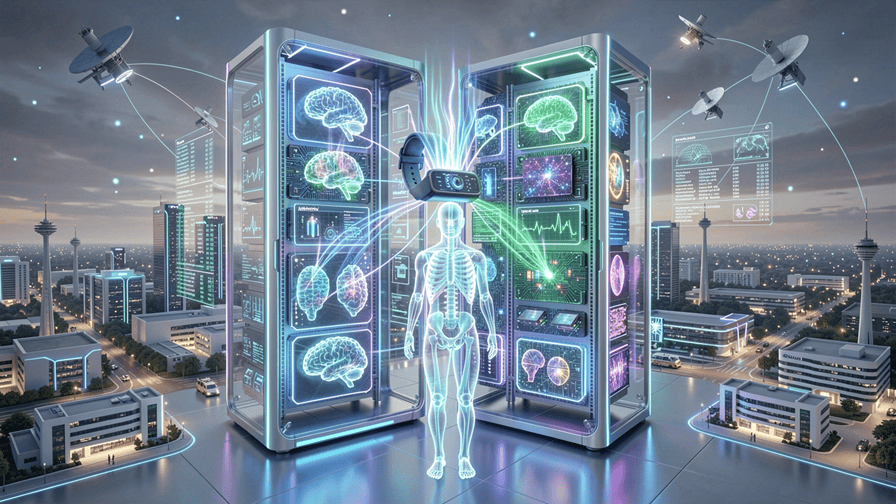
Remote Patient Monitoring in 2026 is transforming modern healthcare by enabling continuous patient observation through connected medical devices, artificial intelligence, cloud computing, and real-time health analytics. As healthcare providers increasingly shift toward proactive and data-driven care models, remote patient monitoring has become a critical technology for improving clinical outcomes, reducing hospital admissions, lowering healthcare costs, and supporting personalized treatment plans.
Healthcare systems around the world continue facing rising patient populations, workforce shortages, chronic disease management challenges, and increasing operational costs. Traditional healthcare delivery models often rely on periodic hospital visits that may fail to detect health deterioration early. Remote Patient Monitoring in 2026 addresses these limitations by allowing physicians and care teams to monitor patients continuously from their homes while receiving real-time physiological data through connected medical technologies.
Advancements in wearable sensors, Internet of Things (IoT) devices, edge computing, fifth-generation mobile networks, cloud-native healthcare platforms, artificial intelligence, and predictive analytics have significantly expanded the capabilities of remote monitoring systems. Modern platforms can continuously collect, transmit, analyze, and interpret patient health information, enabling clinicians to intervene before minor abnormalities become medical emergencies.
Despite its tremendous potential, Remote Patient Monitoring in 2026 also introduces significant technical challenges involving cybersecurity, interoperability, data privacy, device reliability, network connectivity, AI accuracy, regulatory compliance, and infrastructure scalability. Successfully addressing these issues is essential for ensuring safe, reliable, and effective digital healthcare delivery.
This comprehensive guide explores Remote Patient Monitoring in 2026, examines its underlying technologies, discusses the major technical challenges healthcare organizations face, highlights emerging solutions, and explains how next-generation digital health platforms are reshaping patient care worldwide.
Key Takeaways
- Remote Patient Monitoring in 2026 enables continuous patient care beyond hospitals.
- AI significantly improves clinical decision support and predictive monitoring.
- IoT devices provide real-time physiological health measurements.
- Cybersecurity remains one of the largest implementation challenges.
- Cloud computing improves scalability and healthcare data accessibility.
- Interoperability continues driving digital healthcare transformation.
- Predictive analytics support earlier medical intervention.
- Remote monitoring improves patient outcomes while reducing healthcare costs.
What Is Remote Patient Monitoring?
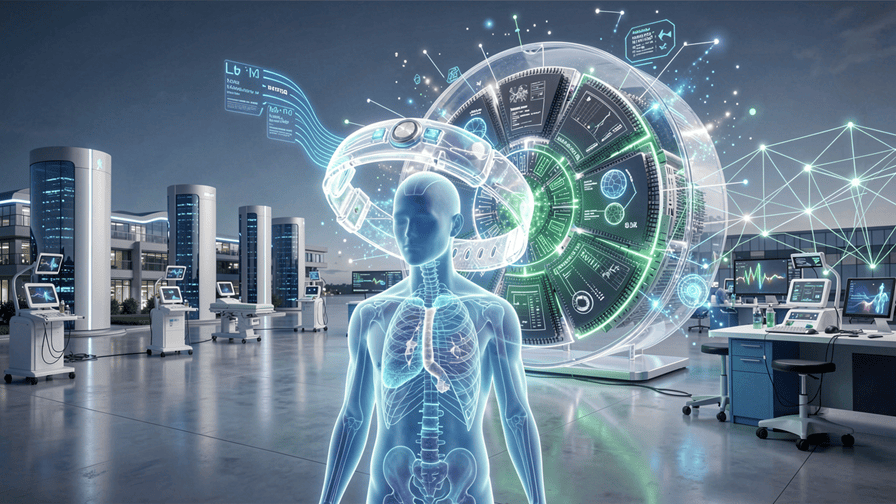
Remote Patient Monitoring (RPM) refers to healthcare technologies that continuously collect patient health information outside traditional clinical settings and securely transmit that information to healthcare professionals for evaluation.
Typical monitored health indicators include:
- Heart rate.
- Blood pressure.
- Blood glucose.
- Oxygen saturation.
- Respiratory rate.
- Body temperature.
- Weight.
- Sleep quality.
Rather than relying solely on scheduled appointments, clinicians receive ongoing patient data that supports faster diagnosis, proactive intervention, and personalized treatment.
Why Remote Patient Monitoring Matters
Healthcare systems increasingly require scalable methods for managing growing patient populations while maintaining high-quality care.
Remote Patient Monitoring in 2026 helps organizations achieve several objectives:
- Continuous patient observation.
- Earlier disease detection.
- Reduced hospital admissions.
- Improved chronic disease management.
- Faster clinical intervention.
- Better patient engagement.
- Lower operational costs.
- Enhanced healthcare accessibility.
These advantages are making RPM an essential component of digital healthcare strategies worldwide.
Technologies Driving Remote Patient Monitoring
Several emerging technologies power modern RPM platforms.
Key technologies include:
- Artificial Intelligence.
- Internet of Things (IoT).
- Wearable medical devices.
- Cloud computing.
- Edge computing.
- 5G connectivity.
- Predictive analytics.
- Electronic Health Record integration.
Together, these technologies enable intelligent, real-time healthcare monitoring across diverse clinical environments.
The U.S. Food and Drug Administration provides guidance on digital medical devices and connected healthcare technologies.
Healthcare Applications
Remote Patient Monitoring in 2026 supports numerous medical specialties.
Common applications include:
- Cardiology.
- Diabetes management.
- Hypertension monitoring.
- Pulmonary care.
- Post-operative recovery.
- Elderly care.
- Chronic disease management.
- Preventive healthcare.
Healthcare providers increasingly integrate RPM into long-term treatment programs to improve outcomes and reduce unnecessary hospital visits.
How Remote Patient Monitoring in 2026 Works
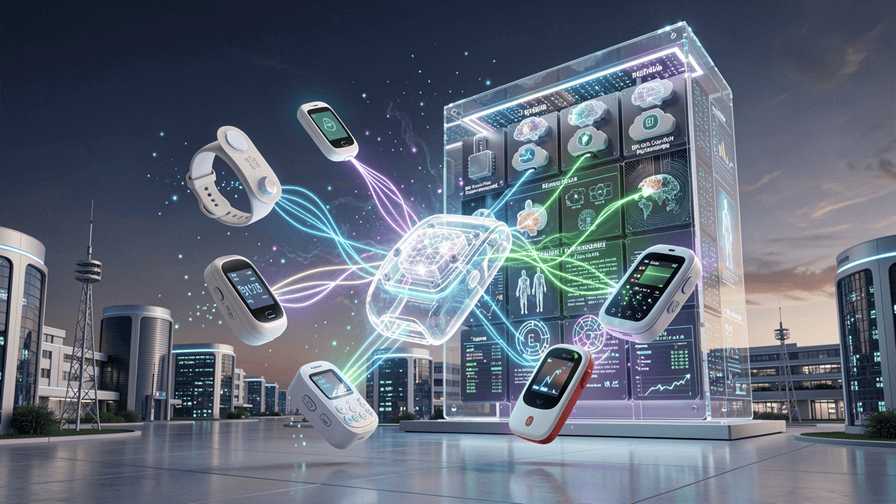
Remote Patient Monitoring in 2026 combines connected medical devices, wearable sensors, artificial intelligence, cloud computing, edge processing, secure communication networks, and healthcare information systems into a unified digital ecosystem. Rather than relying solely on scheduled hospital visits, the system continuously captures patient health information, analyzes physiological changes in real time, and securely delivers actionable insights to healthcare professionals.
The entire monitoring process is designed to support proactive healthcare rather than reactive treatment. By continuously collecting health measurements, clinicians can detect abnormalities earlier, monitor treatment effectiveness more accurately, and intervene before a patient’s condition deteriorates. This shift toward continuous digital care is transforming how healthcare organizations manage chronic diseases, post-operative recovery, elderly care, and preventive medicine.
Remote Patient Monitoring in 2026 operates through multiple interconnected technologies working together to create an intelligent healthcare platform capable of delivering reliable, scalable, and secure patient monitoring.
Medical Data Collection
Everything begins with continuous health data acquisition.
Modern monitoring platforms collect physiological information using connected medical devices such as:
- Smartwatches.
- ECG monitors.
- Blood pressure monitors.
- Glucose sensors.
- Pulse oximeters.
- Digital thermometers.
- Smart weight scales.
- Sleep monitoring devices.
These devices automatically record patient health measurements throughout the day with minimal user intervention.
Internet of Things (IoT) Connectivity
Connected medical devices form part of a broader healthcare Internet of Things ecosystem.
IoT connectivity enables devices to:
- Capture real-time health metrics.
- Communicate securely.
- Synchronize measurements.
- Detect abnormal readings.
- Share information automatically.
- Support continuous monitoring.
- Enable remote diagnostics.
- Improve patient mobility.
Modern IoT devices are increasingly optimized for long battery life, wireless communication, and reliable medical-grade accuracy.
Secure Data Transmission
After health information is collected, it must be transmitted safely to healthcare platforms.
Modern systems commonly utilize:
- Wi-Fi.
- Bluetooth Low Energy.
- 5G.
- LTE.
- Secure cloud APIs.
- Encrypted communication protocols.
- Virtual private networks.
- Healthcare interoperability standards.
Encryption protects sensitive patient information throughout transmission.
Cloud-Based Healthcare Platforms
Cloud infrastructure serves as the central processing environment for Remote Patient Monitoring in 2026.
Cloud platforms provide:
- Scalable storage.
- High availability.
- Real-time synchronization.
- Secure backups.
- Global accessibility.
- Disaster recovery.
- Centralized management.
- Clinical collaboration.
Healthcare professionals can securely access patient information regardless of location.
Artificial Intelligence Analysis
Artificial intelligence has become one of the most important components of Remote Patient Monitoring in 2026.
AI systems continuously evaluate incoming physiological information to identify patterns that may indicate changing health conditions.
Common AI capabilities include:
- Anomaly detection.
- Predictive analytics.
- Trend analysis.
- Risk assessment.
- Clinical prioritization.
- Health forecasting.
- Alert generation.
- Decision support.
Rather than replacing clinicians, AI assists healthcare professionals by highlighting patients requiring immediate attention.
Edge Computing
Many modern monitoring devices now perform preliminary analysis directly on the device before transmitting information.
Edge computing provides several advantages:
- Lower latency.
- Reduced bandwidth usage.
- Faster alerts.
- Improved responsiveness.
- Local processing.
- Better reliability.
- Increased efficiency.
- Enhanced privacy.
Only essential information may need to be transmitted to cloud infrastructure.
Clinical Dashboards
Healthcare professionals typically access Remote Patient Monitoring in 2026 through centralized clinical dashboards.
Dashboards commonly display:
- Patient status.
- Historical trends.
- Vital signs.
- AI-generated alerts.
- Treatment progress.
- Medication adherence.
- Device connectivity.
- Clinical priorities.
These interfaces enable physicians to monitor large patient populations efficiently.
Electronic Health Record Integration
Modern RPM platforms increasingly integrate directly with Electronic Health Record (EHR) systems.
Integration supports:
- Unified patient records.
- Automated documentation.
- Clinical workflows.
- Medication management.
- Appointment planning.
- Care coordination.
- Longitudinal patient history.
- Improved decision making.
Reducing duplicate data entry improves efficiency while minimizing administrative burden.
Real-Time Clinical Alerts
One of the greatest strengths of Remote Patient Monitoring in 2026 is automated alerting.
Systems can immediately notify clinicians when:
- Heart rate exceeds thresholds.
- Blood pressure changes significantly.
- Blood glucose becomes dangerous.
- Oxygen levels decline.
- Arrhythmias appear.
- Device failures occur.
- Medication adherence decreases.
- Health risks increase.
Timely notifications support faster medical intervention.
Predictive Healthcare
Modern monitoring platforms increasingly focus on prediction rather than simple observation.
Predictive capabilities help identify:
- Disease progression.
- Hospitalization risk.
- Treatment effectiveness.
- Medication response.
- Chronic disease deterioration.
- Cardiovascular events.
- Respiratory complications.
- Patient recovery patterns.
Earlier intervention often improves patient outcomes while reducing healthcare costs.
Challenges and Limitations of Remote Patient Monitoring in 2026
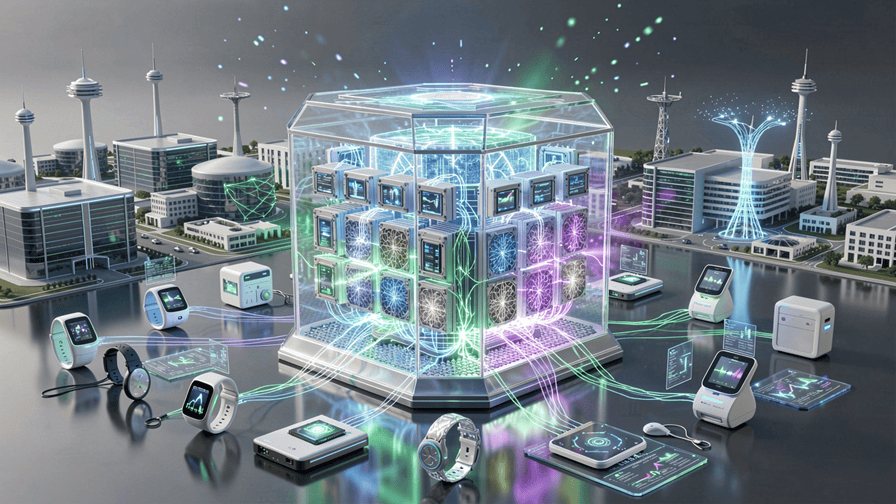
Although Remote Patient Monitoring in 2026 is transforming digital healthcare, widespread implementation continues to present significant technical, operational, and regulatory challenges. Building reliable monitoring platforms requires far more than simply connecting wearable devices to cloud infrastructure. Healthcare providers must ensure continuous system availability, protect sensitive medical information, maintain interoperability across numerous medical devices, and generate clinically meaningful insights without overwhelming physicians with unnecessary alerts.
As healthcare systems increasingly depend on continuous digital monitoring, the reliability of every component—including sensors, communication networks, artificial intelligence, cloud infrastructure, cybersecurity, and healthcare workflows—becomes critically important. A failure at any point within the monitoring ecosystem may affect patient safety, clinical decision-making, and treatment outcomes.
Successfully deploying Remote Patient Monitoring in 2026 therefore requires a balanced approach that combines advanced technology with rigorous healthcare governance, regulatory compliance, and continuous system optimization.
Cybersecurity Risks
Healthcare remains one of the most frequently targeted industries for cyberattacks.
Remote Patient Monitoring in 2026 continuously transmits highly sensitive patient information across connected devices, cloud platforms, mobile applications, and hospital information systems, making cybersecurity a top priority.
Common security concerns include:
- Ransomware attacks.
- Unauthorized access.
- Identity theft.
- Medical record breaches.
- API vulnerabilities.
- Device hijacking.
- Credential compromise.
- Cloud security threats.
Healthcare organizations must implement strong encryption, zero-trust security models, multi-factor authentication, continuous monitoring, and regular security audits to reduce cyber risk.
Patient Privacy
Continuous monitoring generates enormous volumes of personal health information.
Protecting patient privacy requires strict compliance with healthcare regulations while maintaining user trust.
Organizations must address:
- Data ownership.
- Consent management.
- Secure storage.
- Data sharing policies.
- Access control.
- Information retention.
- Audit logging.
- Regulatory compliance.
Maintaining transparency regarding data collection and usage remains essential for successful RPM adoption.
Device Interoperability
Healthcare providers often deploy monitoring devices from multiple manufacturers.
Unfortunately, not every device communicates using the same technical standards.
Interoperability challenges include:
- Proprietary communication protocols.
- Incompatible software.
- Vendor-specific ecosystems.
- Data format inconsistencies.
- API limitations.
- Integration complexity.
- Duplicate patient records.
- Workflow fragmentation.
Standardized healthcare interoperability frameworks continue improving system compatibility, but integration remains a significant technical challenge.
Network Reliability
Remote Patient Monitoring in 2026 depends heavily on stable internet connectivity.
Patients living in rural or underserved regions may experience:
- Weak mobile coverage.
- Limited broadband access.
- High network latency.
- Packet loss.
- Temporary outages.
- Bandwidth limitations.
- Signal interference.
- Synchronization delays.
Edge computing and offline data buffering can reduce some of these challenges, but reliable connectivity remains essential for real-time monitoring.
Artificial Intelligence Accuracy
Artificial intelligence greatly enhances Remote Patient Monitoring in 2026 by identifying abnormal health patterns and predicting potential medical events.
However, AI systems are not infallible.
Potential limitations include:
- False positives.
- False negatives.
- Algorithm bias.
- Limited training data.
- Population variability.
- Model drift.
- Overfitting.
- Clinical uncertainty.
Healthcare professionals must continue validating AI recommendations before making treatment decisions.
Alert Fatigue
Modern RPM platforms may generate large numbers of automated notifications.
Excessive alerts can overwhelm clinicians and reduce the effectiveness of monitoring systems.
Organizations should carefully optimize:
- Alert thresholds.
- Clinical prioritization.
- AI filtering.
- Escalation rules.
- Risk scoring.
- Notification frequency.
- Workflow integration.
- Clinical relevance.
Reducing unnecessary alerts improves clinician efficiency while helping critical events receive immediate attention.
Scalability Challenges
Healthcare organizations continue expanding their remote monitoring programs.
Supporting thousands—or even millions—of connected patients requires highly scalable infrastructure.
Scalability considerations include:
- Cloud capacity.
- Database performance.
- Network bandwidth.
- Storage growth.
- AI processing.
- Device management.
- System availability.
- Disaster recovery.
Modern cloud-native architectures help healthcare providers scale more efficiently.
Device Reliability
Patient safety depends on accurate and reliable medical devices.
Potential issues include:
- Sensor degradation.
- Battery failure.
- Calibration errors.
- Hardware malfunction.
- Firmware bugs.
- Physical damage.
- Environmental interference.
- User misuse.
Routine maintenance and continuous device monitoring help minimize these risks.
Regulatory Compliance
Healthcare technology remains one of the most highly regulated industries.
Organizations implementing Remote Patient Monitoring in 2026 must comply with multiple regulatory frameworks governing:
- Medical devices.
- Healthcare software.
- Patient privacy.
- Clinical documentation.
- Security.
- Risk management.
- Data retention.
- Quality assurance.
Compliance requirements vary across countries, making international deployments increasingly complex.
Best Practices for Successful Remote Patient Monitoring
Healthcare organizations can maximize the benefits of Remote Patient Monitoring in 2026 by following several best practices.
Build Security First
Implement encryption, identity management, zero-trust networking, and continuous cybersecurity monitoring throughout the platform.
Standardize Device Integration
Prioritize interoperability standards that simplify communication between medical devices and healthcare systems.
Continuously Validate AI
Regularly monitor AI model performance, retrain predictive algorithms, and ensure clinicians remain responsible for final medical decisions.
Optimize Clinical Workflows
Reduce alert fatigue by delivering only meaningful, high-priority notifications supported by intelligent risk assessment.
Design for Scalability
Build cloud-native infrastructure capable of supporting long-term patient growth without compromising performance or reliability.
The Future of Remote Patient Monitoring in 2026
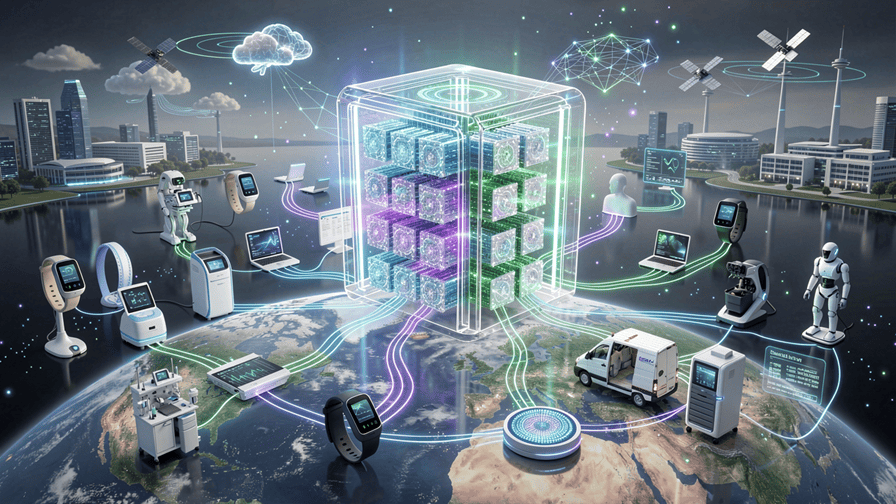
Remote Patient Monitoring in 2026 is expected to become one of the foundational technologies shaping the future of digital healthcare. As healthcare organizations continue embracing artificial intelligence, Internet of Things (IoT) devices, cloud computing, edge intelligence, and predictive analytics, remote monitoring will evolve from simple physiological data collection into comprehensive intelligent healthcare ecosystems capable of delivering proactive, personalized, and preventive patient care.
Future Remote Patient Monitoring in 2026 platforms will increasingly leverage generative AI, autonomous clinical decision support, digital twins, wearable biosensors, ambient health monitoring, continuous diagnostics, and predictive healthcare analytics. Rather than simply reporting patient conditions, next-generation monitoring systems will assist physicians by identifying emerging risks, recommending personalized interventions, optimizing treatment plans, and improving long-term disease management.
Healthcare providers will continue shifting toward value-based care models where continuous patient monitoring supports improved clinical outcomes while reducing hospital admissions, emergency visits, and operational expenses. As healthcare systems become increasingly connected, Remote Patient Monitoring in 2026 will serve as an essential bridge between patients, clinicians, hospitals, insurers, pharmacies, laboratories, and digital healthcare platforms.
Several innovations are expected to shape the future of Remote Patient Monitoring in 2026, including:
- AI-powered personalized healthcare.
- Continuous predictive diagnostics.
- Intelligent wearable medical devices.
- Digital twin patient modeling.
- Ambient home health monitoring.
- Autonomous clinical workflow automation.
- Real-time genomic health integration.
- Hyper-personalized preventive medicine.
These innovations will transform healthcare from reactive treatment toward continuous, intelligent care.
Strategic Takeaways
Remote Patient Monitoring in 2026 demonstrates how digital technologies are fundamentally changing healthcare delivery.
Key insights include:
- Continuous patient monitoring improves early disease detection.
- Artificial intelligence enhances clinical decision support.
- Cloud computing enables scalable healthcare infrastructure.
- IoT devices provide reliable real-time physiological monitoring.
- Predictive analytics supports proactive intervention.
- Cybersecurity remains a top implementation priority.
- Interoperability drives healthcare digital transformation.
- Patient-centered healthcare continues becoming increasingly data-driven.
Organizations investing in secure, intelligent, and scalable RPM platforms will be better positioned for the future of connected healthcare.
Conclusion
Remote Patient Monitoring in 2026 represents one of the most significant technological advancements in modern healthcare. By combining connected medical devices, artificial intelligence, cloud computing, predictive analytics, and secure digital infrastructure, healthcare providers can continuously monitor patients beyond hospital walls while delivering faster, more personalized, and more proactive care.
The benefits extend well beyond convenience. Continuous monitoring enables earlier detection of health deterioration, improves chronic disease management, reduces unnecessary hospital admissions, supports aging populations, lowers healthcare costs, and strengthens long-term patient outcomes. These advantages make Remote Patient Monitoring in 2026 an increasingly important component of digital health strategies across hospitals, clinics, insurance providers, and public healthcare systems.
Nevertheless, successful implementation requires careful attention to cybersecurity, regulatory compliance, interoperability, infrastructure scalability, device reliability, artificial intelligence validation, and patient privacy. Addressing these challenges will remain essential as healthcare organizations continue expanding remote monitoring programs.
As emerging technologies mature over the coming years, Remote Patient Monitoring in 2026 will continue evolving into an intelligent healthcare ecosystem capable of supporting predictive medicine, precision healthcare, personalized treatment, and continuous patient engagement. Organizations that successfully combine advanced technologies with strong clinical governance will help shape the future of global healthcare delivery.
Frequently Asked Questions (FAQs)
What is Remote Patient Monitoring in 2026?
Remote Patient Monitoring in 2026 refers to the use of connected medical devices, wearable sensors, artificial intelligence, and cloud platforms to continuously collect, transmit, and analyze patient health information outside traditional healthcare facilities.
What technologies power Remote Patient Monitoring in 2026?
Modern RPM platforms utilize artificial intelligence, IoT devices, wearable sensors, cloud computing, edge computing, predictive analytics, 5G connectivity, and Electronic Health Record integration.
What are the biggest technical challenges?
Major challenges include cybersecurity, patient privacy, interoperability, AI accuracy, network reliability, device management, infrastructure scalability, regulatory compliance, and clinical workflow integration.
How does artificial intelligence improve remote patient monitoring?
Artificial intelligence analyzes continuous physiological information, identifies abnormal patterns, predicts health risks, prioritizes alerts, and assists clinicians in making faster and more informed treatment decisions.
Why is Remote Patient Monitoring becoming increasingly important?
Growing patient populations, chronic disease management, aging demographics, workforce shortages, and increasing healthcare costs are driving healthcare organizations toward continuous digital monitoring solutions.
Transform Healthcare with Intelligent Remote Patient Monitoring
Whether you’re building next-generation healthcare platforms, integrating AI into medical workflows, or modernizing digital health infrastructure, our experts can help you develop secure, scalable, and intelligent Remote Patient Monitoring solutions tailored to your organization’s needs.
More AI coverage: explore Progressive Robot's AI Models, Tools & Releases hub — hands-on reviews, setup guides and benchmarks in one place.