
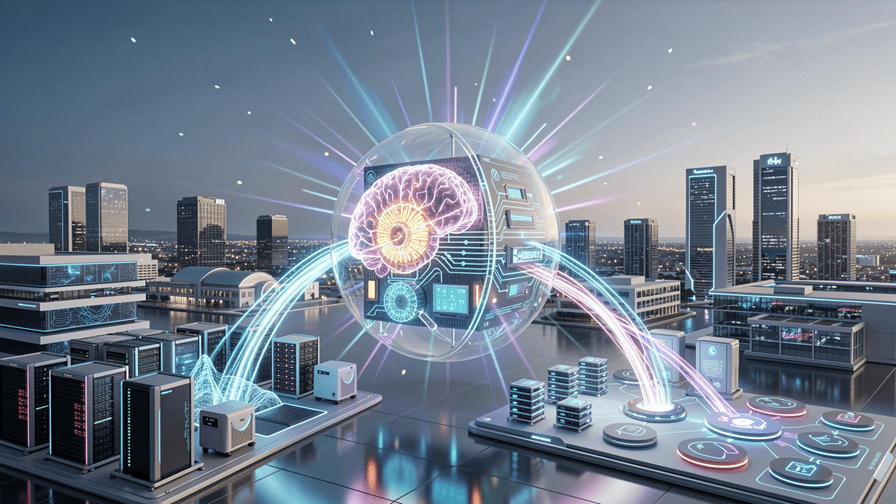
AI-Driven Software Modernization is transforming how organizations modernize legacy applications by combining artificial intelligence with advanced software engineering, automation, and cloud technologies. AI-Driven Software Modernization is rapidly becoming one of the most important strategies for organizations seeking to transform aging applications into scalable, secure, and intelligent digital platforms.
As businesses accelerate digital transformation initiatives, many continue relying on legacy software developed years or even decades ago. While these systems often support critical business operations, they also introduce significant challenges, including technical debt, security vulnerabilities, limited scalability, rising maintenance costs, and difficulty integrating with modern cloud technologies.
Artificial intelligence is fundamentally changing how software modernization projects are planned, executed, and maintained. Learn more about enterprise AI through Microsoft AI. Rather than relying solely on manual code analysis and lengthy migration processes, organizations can now leverage AI-powered tools to analyze legacy applications, identify modernization opportunities, automate repetitive development tasks, generate documentation, recommend architectural improvements, and accelerate migration toward cloud-native environments.
Traditional software modernization projects often require extensive manual effort. Developers must understand large codebases, identify dependencies, rewrite outdated components, test functionality, migrate databases, and ensure compatibility with modern infrastructure. These projects frequently consume significant budgets while introducing operational risk if critical business systems experience unexpected disruptions.
AI-Driven Software Modernization reduces much of this complexity by applying machine learning, generative AI, intelligent code analysis, and automated software engineering techniques throughout the modernization lifecycle. AI systems can rapidly inspect millions of lines of legacy code, detect obsolete programming patterns, recommend refactoring strategies, generate equivalent modern code, identify security weaknesses, and assist developers in validating migration outcomes.
The increasing adoption of cloud computing, microservices, containers, DevSecOps, and continuous delivery has also created strong demand for faster software modernization. Organizations must modernize legacy applications not only to improve performance but also to remain competitive in rapidly evolving digital markets. AI-powered modernization enables businesses to respond more quickly while minimizing development effort and operational disruption.
Beyond technical improvements, AI-Driven Software Modernization delivers measurable business value. Modernized applications typically improve operational efficiency, reduce maintenance costs, strengthen cybersecurity, accelerate feature delivery, enhance customer experiences, and increase long-term scalability. Business leaders therefore view modernization not simply as an IT initiative but as a strategic investment supporting future innovation.
As generative AI continues advancing, software modernization will increasingly become an intelligent, collaborative process where AI assists software engineers throughout planning, development, testing, deployment, and ongoing optimization.
This comprehensive guide explains AI-Driven Software Modernization, explores how artificial intelligence transforms legacy software, examines enterprise use cases, discusses implementation strategies, identifies common challenges, and highlights future trends shaping intelligent software engineering.
Key Takeaways
- AI-Driven Software Modernization accelerates legacy application transformation.
- Artificial intelligence reduces technical debt and manual development effort.
- AI-powered code analysis improves modernization planning.
- Automated refactoring increases software quality.
- Cloud migration becomes faster with AI assistance.
- Intelligent modernization supports long-term digital transformation.
What Is AI-Driven Software Modernization?
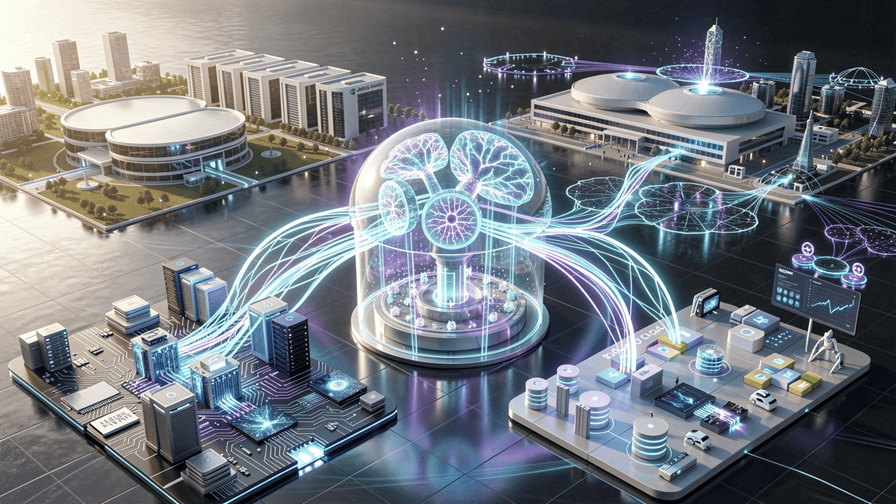
AI-Driven Software Modernization refers to the use of artificial intelligence technologies to analyze, improve, migrate, refactor, and optimize existing software applications.
Instead of relying entirely on manual software engineering processes, organizations use AI-powered systems to automate significant portions of modernization activities.
These activities may include:
- Legacy code analysis.
- Automated code generation.
- Application refactoring.
- Security assessment.
- Cloud migration planning.
- Documentation generation.
- Dependency analysis.
- Software testing.
The primary objective is to modernize software faster while reducing cost, complexity, and implementation risk.
Why Legacy Software Needs Modernization
Many organizations continue operating applications developed using outdated technologies.
Although these systems often remain functional, they may suffer from:
- Technical debt.
- Limited scalability.
- Poor maintainability.
- Outdated programming languages.
- Security vulnerabilities.
- Slow feature development.
- High infrastructure costs.
- Integration challenges.
AI helps organizations modernize these applications more efficiently than traditional development methods.
Why Artificial Intelligence Is Changing Software Engineering
Modern AI systems understand software at increasingly sophisticated levels.
Rather than simply generating code, AI can:
- Interpret application logic.
- Analyze architecture.
- Detect coding patterns.
- Recommend improvements.
- Generate documentation.
- Identify security issues.
- Automate testing.
- Support software migration.
These capabilities significantly improve developer productivity throughout modernization projects.
Business Benefits of AI-Driven Software Modernization
Organizations implementing AI-assisted modernization frequently experience measurable operational improvements.
Benefits include:
- Reduced maintenance costs.
- Faster software delivery.
- Improved cybersecurity.
- Better cloud readiness.
- Increased scalability.
- Enhanced developer productivity.
- Lower technical debt.
- Stronger digital transformation.
These improvements allow businesses to continue innovating while protecting previous software investments.
How AI-Driven Software Modernization Works
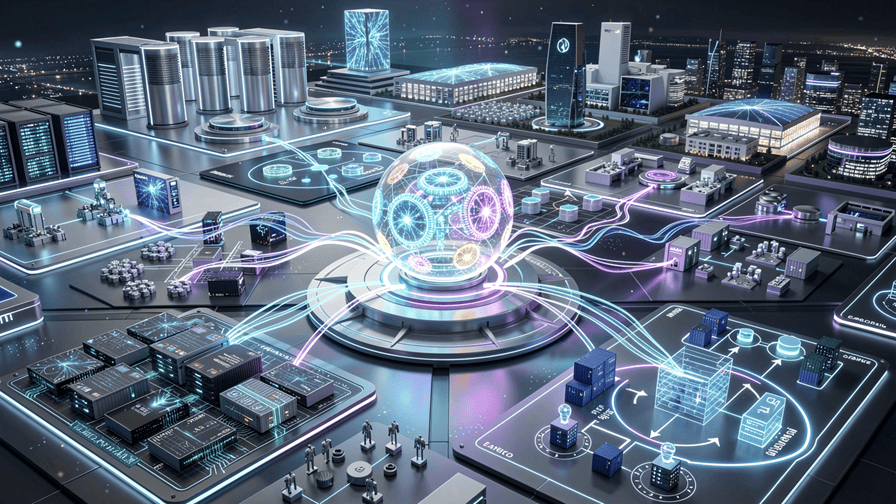
AI-Driven Software Modernization combines artificial intelligence, machine learning, generative AI, and advanced software engineering techniques to modernize legacy applications more efficiently than traditional development approaches. Instead of requiring developers to manually analyze every component of a large application, AI-powered platforms automate many of the most time-consuming activities while helping engineering teams make better modernization decisions.
Although human expertise remains essential, artificial intelligence significantly accelerates software analysis, planning, code transformation, testing, documentation, and migration throughout the modernization lifecycle.
Step 1: Legacy Application Analysis
Every modernization project begins by understanding the existing software.
AI-powered code analysis tools inspect:
- Source code.
- Database structures.
- APIs.
- Business logic.
- Software dependencies.
- Configuration files.
- Infrastructure components.
- Third-party libraries.
Rather than manually reviewing thousands or even millions of lines of code, developers receive automated insights into how the application is structured.
Step 2: Architecture Assessment
After analyzing the application, AI evaluates its architecture.
The system identifies:
- Monolithic components.
- Tight dependencies.
- Performance bottlenecks.
- Security weaknesses.
- Scalability limitations.
- Outdated frameworks.
- Redundant services.
- Modernization priorities.
This assessment helps engineering teams determine which components should be modernized first.
Step 3: Intelligent Code Refactoring
One of the most valuable capabilities of AI-Driven Software Modernization is automated code refactoring.
Instead of rewriting software manually, AI can recommend improvements such as:
- Cleaner code structures.
- Updated programming patterns.
- Improved readability.
- Reduced duplication.
- Better modularization.
- Performance optimization.
- Improved maintainability.
- Modern coding standards.
Developers review these recommendations before integrating them into production systems.
Step 4: Cloud Migration Support
Many modernization initiatives include migration to cloud infrastructure.
Artificial intelligence assists by identifying:
- Cloud-compatible services.
- Migration dependencies.
- Infrastructure requirements.
- Containerization opportunities.
- Storage optimization.
- Resource utilization.
- Deployment sequencing.
- Risk factors.
AI-powered planning reduces migration complexity while minimizing operational disruption.
Step 5: Automated Documentation
Legacy applications frequently lack complete documentation.
AI can automatically generate:
- Technical documentation.
- API descriptions.
- System architecture summaries.
- Database relationships.
- Workflow explanations.
- Dependency maps.
- Configuration documentation.
- Developer guidance.
Improved documentation significantly accelerates future development and maintenance.
Step 6: Intelligent Software Testing
Testing remains one of the most resource-intensive phases of software modernization.
AI assists by automatically generating:
- Unit tests.
- Integration tests.
- Regression tests.
- Performance testing scenarios.
- Security validation.
- API testing.
- Code coverage analysis.
- Defect prediction.
This improves software quality while reducing manual testing effort.
Step 7: Continuous Optimization
Modernization does not end after deployment.
AI continuously monitors applications by analyzing:
- Performance metrics.
- System health.
- Infrastructure utilization.
- Security events.
- User behavior.
- Error patterns.
- Resource consumption.
- Application reliability.
Continuous monitoring enables organizations to improve applications throughout their operational lifecycle.
Enterprise Use Cases
Organizations across industries increasingly implement AI-Driven Software Modernization.
Banking
Financial institutions modernize legacy core banking platforms while improving regulatory compliance and cybersecurity.
Healthcare
Healthcare providers modernize patient management systems to improve interoperability and cloud integration.
Manufacturing
Manufacturers transform legacy operational software to support automation, predictive maintenance, and Industrial IoT.
Government
Public-sector organizations modernize aging digital services while improving scalability and citizen experiences.
Retail
Retailers modernize commerce platforms to support omnichannel operations and personalized customer experiences.
Technology Companies
Software vendors modernize existing products to accelerate feature delivery and cloud-native deployment.
Why AI Improves Developer Productivity
Artificial intelligence enhances software engineering by reducing repetitive work.
Developers spend less time on:
- Manual code reviews.
- Documentation.
- Dependency analysis.
- Migration planning.
- Test generation.
- Bug detection.
- Code conversion.
- Architecture discovery.
Instead, engineers focus on higher-value activities such as solution design, business logic, innovation, and quality assurance.
Human Expertise Remains Essential
Despite rapid advances in artificial intelligence, AI-Driven Software Modernization remains a collaborative process.
Experienced software engineers continue making decisions regarding:
- Business requirements.
- Application architecture.
- Security policies.
- Compliance.
- System integration.
- Performance optimization.
- Deployment planning.
- Final code approval.
Artificial intelligence accelerates development, but human oversight ensures modernization aligns with organizational objectives and technical standards.
Challenges and Limitations of AI-Driven Software Modernization
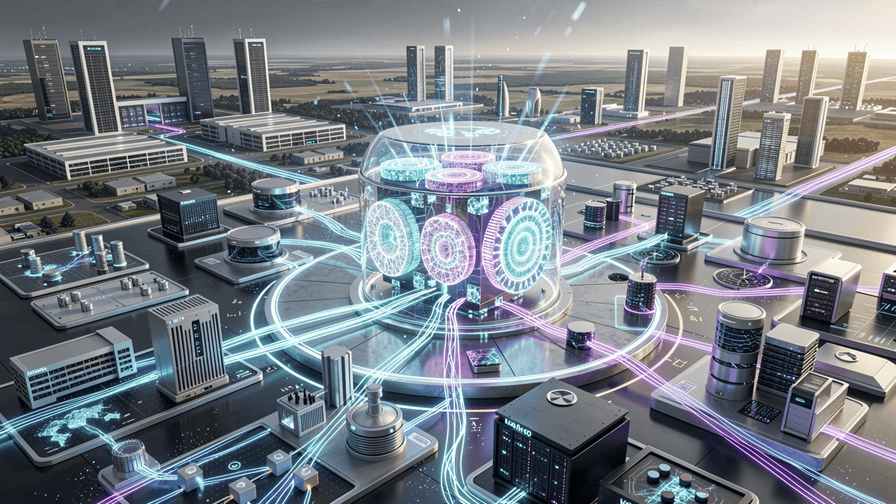
Although AI-Driven Software Modernization offers substantial advantages for organizations seeking to modernize legacy applications, it is not a fully automated process. Artificial intelligence can significantly accelerate software analysis, refactoring, testing, documentation, and migration, but successful modernization still requires experienced software engineers, enterprise architects, security specialists, and business stakeholders working together throughout the project.
Every legacy application is unique. Many enterprise systems have evolved over decades, incorporating custom business logic, third-party integrations, regulatory requirements, and undocumented processes that artificial intelligence cannot always interpret perfectly. Organizations should therefore view AI as an intelligent development assistant rather than a complete replacement for human expertise.
As AI technologies continue evolving, addressing these challenges will become increasingly important for organizations planning large-scale modernization initiatives.
Complex Legacy Systems
Many enterprise applications were built over long periods using multiple technologies.
Legacy environments often include:
- Outdated programming languages.
- Custom frameworks.
- Proprietary software.
- Undocumented code.
- Complex integrations.
- Obsolete databases.
- Legacy operating systems.
- Highly customized workflows.
Although AI accelerates software analysis, understanding decades of accumulated business logic may still require experienced developers.
Technical Debt
Technical debt remains one of the biggest modernization challenges.
Organizations frequently encounter:
- Duplicate code.
- Poor architecture.
- Hard-coded dependencies.
- Inconsistent documentation.
- Obsolete libraries.
- Manual processes.
- Unsupported software.
- Complex integrations.
Artificial intelligence can identify technical debt, but eliminating it often requires careful engineering decisions.
AI-Generated Code Requires Review
Generative AI has become highly capable of producing software code.
However, AI-generated output should always undergo:
- Code review.
- Security validation.
- Performance testing.
- Architecture verification.
- Compliance assessment.
- Integration testing.
- Quality assurance.
- Human approval.
Developer oversight remains essential before deploying modernized software into production.
Security Considerations
Software modernization frequently involves sensitive enterprise systems.
Organizations must protect:
- Customer information.
- Financial records.
- Intellectual property.
- Healthcare data.
- Business processes.
- Authentication systems.
- Cloud infrastructure.
- API security.
AI can identify many vulnerabilities, but enterprise cybersecurity policies remain critical throughout modernization projects.
Cloud Migration Challenges
Many AI-Driven Software Modernization projects include cloud migration.
Potential challenges include:
- Infrastructure compatibility.
- Database migration.
- Network architecture.
- Application dependencies.
- Performance optimization.
- Cost management.
- Security configuration.
- Operational continuity.
Artificial intelligence improves planning, but successful migration still depends upon careful implementation.
Change Management
Modernizing software affects both technology and people.
Organizations may need to prepare:
- Development teams.
- Business users.
- Operations staff.
- Security personnel.
- Project managers.
- Executives.
- Support teams.
- Customers.
Effective communication and structured change management help reduce resistance during modernization initiatives.
Best Practices for AI-Driven Software Modernization
Organizations can maximize success by following proven modernization strategies.
Begin with Business Objectives
Modernization should focus on measurable business outcomes rather than technology alone.
Prioritize High-Value Applications
Modernize systems that deliver the greatest operational or strategic value first.
Maintain Human Oversight
Developers and architects should validate AI recommendations before implementation.
Strengthen Security Throughout the Project
Integrate cybersecurity practices into every modernization phase.
Modernize Incrementally
Gradual modernization reduces operational disruption while allowing continuous validation.
Continuously Monitor Performance
Measure application performance after deployment to identify further optimization opportunities.
Why Organizations Are Investing Now
Several technology trends continue driving AI-Driven Software Modernization.
These include:
- Cloud computing.
- Generative AI.
- DevSecOps.
- Microservices.
- Containerization.
- Enterprise automation.
- Digital transformation.
- Intelligent software engineering.
Organizations that modernize early often achieve greater agility while reducing long-term maintenance costs.
The Future of AI-Driven Software Modernization
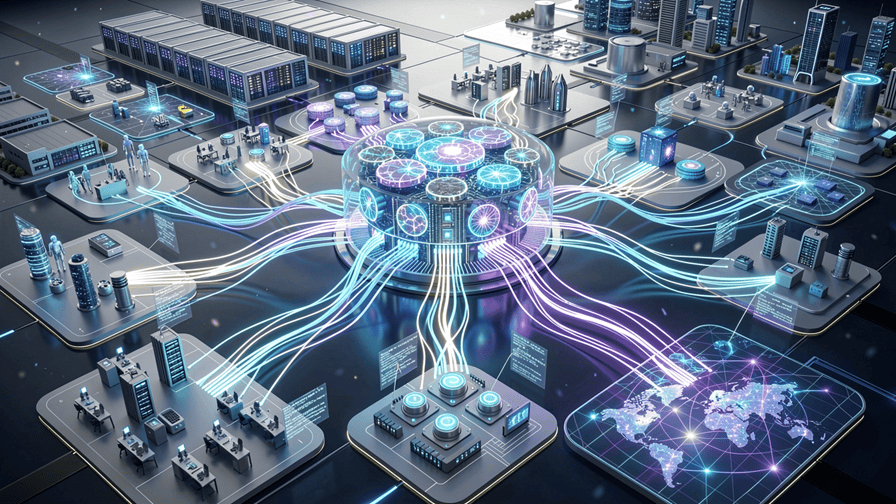
Artificial intelligence is reshaping the future of software engineering, and AI-Driven Software Modernization is expected to become a standard practice for organizations managing enterprise applications. As generative AI, machine learning, and intelligent automation continue to evolve, modernization projects will become faster, more accurate, and increasingly automated while still benefiting from human expertise.
Future AI platforms are expected to understand software architecture at much deeper levels, allowing them to recommend modernization strategies based on business objectives, performance requirements, security policies, regulatory compliance, and cloud infrastructure. Rather than simply generating code, AI will increasingly act as an intelligent software engineering partner capable of assisting throughout the entire application lifecycle.
Organizations are also expected to adopt AI-powered development environments that continuously analyze software quality, identify technical debt, recommend architectural improvements, detect security vulnerabilities, optimize cloud resources, and automate software maintenance long after modernization projects have been completed.
Potential future developments include:
- Autonomous code refactoring.
- AI-powered architecture optimization.
- Intelligent cloud migration assistants.
- Automated technical debt management.
- Continuous security analysis.
- Self-optimizing software applications.
- Predictive maintenance for enterprise systems.
- End-to-end AI-assisted software engineering.
As enterprise software continues growing in complexity, AI-Driven Software Modernization will become an essential capability for organizations seeking to remain competitive in an increasingly digital economy.
Strategic Takeaways
AI-Driven Software Modernization enables organizations to modernize legacy applications more efficiently while improving software quality and reducing development effort.
Key insights include:
- Artificial intelligence accelerates software modernization.
- AI reduces technical debt through intelligent code analysis.
- Automated refactoring improves maintainability.
- AI-assisted testing increases software quality.
- Cloud migration becomes faster with intelligent planning.
- Human expertise remains essential for successful modernization.
Conclusion
Legacy software remains one of the largest barriers to digital transformation for many organizations. Aging applications often contain valuable business logic but struggle to meet modern requirements for scalability, cybersecurity, cloud integration, and rapid software delivery. Traditional modernization approaches can require significant time, cost, and engineering effort, making it difficult for businesses to innovate at the speed demanded by today’s competitive markets.
AI-Driven Software Modernization offers a more intelligent approach by combining artificial intelligence with software engineering best practices. Through automated code analysis, intelligent refactoring, AI-generated documentation, cloud migration support, predictive testing, and continuous optimization, organizations can significantly accelerate modernization while reducing operational risk.
However, successful modernization is not achieved through automation alone. Human expertise remains essential for validating AI recommendations, preserving business requirements, maintaining security, ensuring regulatory compliance, and delivering reliable production systems. The most successful organizations will combine artificial intelligence with experienced engineering teams to achieve sustainable long-term modernization.
As artificial intelligence continues advancing, AI-Driven Software Modernization will play an increasingly important role in helping enterprises reduce technical debt, improve software quality, strengthen cybersecurity, accelerate innovation, and prepare legacy systems for the future of intelligent digital business.
Frequently Asked Questions (FAQs)
What is AI-Driven Software Modernization?
AI-Driven Software Modernization is the use of artificial intelligence to analyze, refactor, migrate, optimize, and modernize legacy software applications more efficiently than traditional manual development methods.
How does AI help modernize legacy software?
Artificial intelligence assists by analyzing source code, identifying technical debt, recommending architecture improvements, generating documentation, automating testing, detecting security vulnerabilities, and supporting cloud migration.
Can AI completely replace software developers during modernization?
No. AI significantly improves developer productivity, but experienced software engineers remain essential for architecture decisions, business logic validation, security reviews, compliance, and production deployment.
What are the benefits of AI-Driven Software Modernization?
Benefits include reduced technical debt, faster software delivery, lower maintenance costs, improved security, enhanced scalability, better cloud readiness, higher developer productivity, and accelerated digital transformation.
Which organizations benefit most from AI-Driven Software Modernization?
Banks, healthcare providers, manufacturers, retailers, government agencies, technology companies, and any organization maintaining legacy enterprise applications can benefit from AI-assisted modernization.
Modernize Your Legacy Applications with AI
Whether you’re planning a cloud migration, reducing technical debt, or modernizing enterprise software, our experienced team can help you leverage AI-powered modernization strategies to accelerate development, improve security, and future-proof your business applications.
More AI coverage: explore Progressive Robot's AI Models, Tools & Releases hub — hands-on reviews, setup guides and benchmarks in one place.










