

Modern enterprises need enterprise IoT physical cyber security convergence because cameras, badge readers, smart bulbs, sensors, and building systems now sit close enough to corporate networks to become practical backdoors.
The risk is not that every connected light or door controller is dramatic on its own. The risk is that facilities technology often grows outside normal IT governance while still touching identity, Wi-Fi, cloud portals, switches, and vendor support channels.
This guide explains how enterprise IoT physical cyber security convergence helps leadership secure connected facilities without slowing building operations, by joining physical security, cyber security, procurement, facilities management, network engineering, and incident response into one operating model.
Table of contents
- Why connected facilities became a boardroom issue
- Where smart building attack paths hide
- How to secure cameras, bulbs, access control, and sensors
- How converged governance works
- Frequently asked questions

Connected facilities are now corporate network risk
The boardroom case for enterprise IoT physical cyber security convergence starts with an uncomfortable fact: the building is no longer separate from the network that runs the business.
Access control panels, visitor systems, CCTV recorders, smart lighting bridges, occupancy sensors, vending systems, conference screens, and environmental controls increasingly depend on IP networks and cloud dashboards.
When those systems are unmanaged, a physical upgrade can quietly create a cyber exposure that security teams never reviewed, logged, patched, or included in incident drills.
Smart bulbs show why small devices matter
A mature enterprise IoT physical cyber security convergence program treats smart lighting as more than an energy project or workplace convenience.
A bulb may not store payroll data, but its hub can hold credentials, talk to mobile apps, expose wireless services, bridge VLANs, or depend on a vendor cloud account.
The lesson is wider than lighting. Seemingly minor devices can inherit the trust of the networks, identities, and maintenance workflows around them.
Facilities shadow IT is rarely malicious
Most failures that require enterprise IoT physical cyber security convergence begin with practical intentions. A building team buys a better camera, a contractor installs a controller, or a workplace team adds occupancy analytics.
The work may be legitimate, urgent, and budget-approved. Yet it can still bypass asset inventory, network review, password policy, vendor due diligence, and logging requirements.
Security teams should frame the problem as governance debt, not blame. Facilities teams need a usable path to deploy safe systems before exceptions become normal.
Attack paths often cross physical and digital boundaries
Practical enterprise IoT physical cyber security convergence maps attack paths that start with a door, camera, sensor, or lighting controller and end near identity services, file shares, cloud consoles, or executive networks.
A common path is a forgotten device with default credentials on a flat network. Another is a vendor remote access tool that bypasses the same controls required for corporate users.
The most dangerous paths are mundane. They are the paths nobody models because the device belongs to the building, not the IT estate.
Network placement decides blast radius
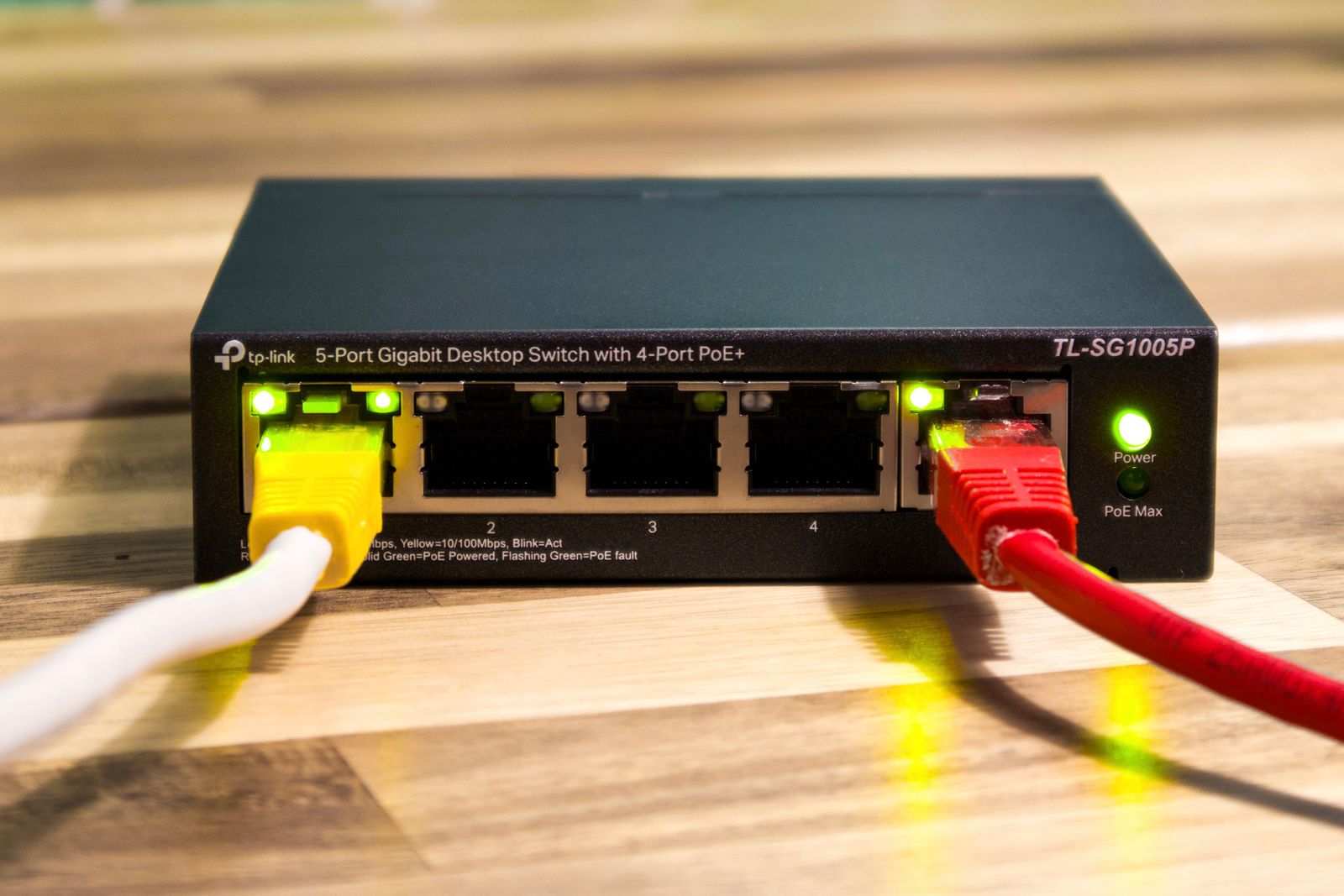
Network-led enterprise IoT physical cyber security convergence starts by asking where each facility device sits and what it can reach after compromise.
Cameras, lighting bridges, badge panels, HVAC gateways, printers, and meeting room devices should not share broad access with employee laptops or critical servers.
Segmentation should be practical enough for support teams to use. It should define allowed destinations, update paths, DNS, time services, monitoring, and emergency access.
Identity is now a physical security control
Identity-focused enterprise IoT physical cyber security convergence recognizes that building systems rely on people, service accounts, mobile apps, vendor portals, API tokens, and sometimes shared installer logins.
A door system can be strong at the badge level while weak at the administrator level. A camera platform can protect video while exposing management access through old accounts.
Named accounts, MFA, least privilege, break-glass rules, session logs, and periodic review should apply to facilities platforms just like finance or cloud systems.
Vendor remote access is a recurring weak point
Vendor-aware enterprise IoT physical cyber security convergence should inspect how installers, managed service providers, alarm companies, camera vendors, and smart building platforms access systems after deployment.
Permanent tunnels, shared VPN accounts, remote desktop tools, and cloud support portals can leave a building exposed long after the project team has moved on.
Contracts should define approval, authentication, logging, support hours, emergency access, data handling, subcontractors, vulnerability notification, and offboarding obligations.
Cameras create both surveillance and network exposure
Camera-heavy enterprise IoT physical cyber security convergence covers more than the video feed. It includes firmware, storage, recorder access, analytics, mobile viewing, cloud backup, and network paths.
Video systems may reveal staff movement, visitor patterns, loading bays, executive floors, screens, whiteboards, and incident response activity.
A secure camera program should segment devices, encrypt traffic where supported, restrict viewing roles, patch recorders, protect exports, and monitor unusual outbound connections.
Access control systems carry business-critical trust
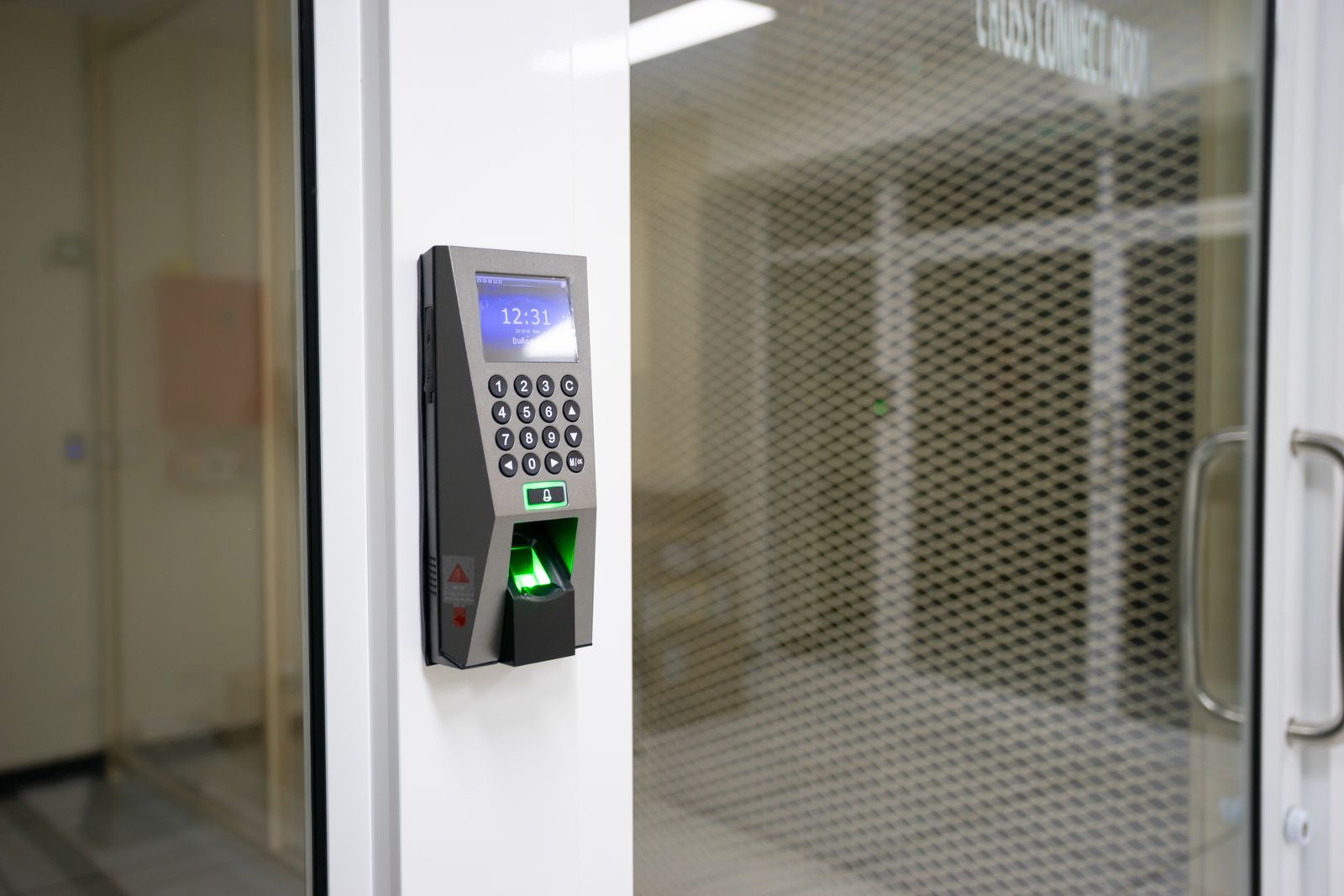
Access-control enterprise IoT physical cyber security convergence is essential because badge systems decide who can enter offices, data rooms, laboratories, warehouses, production areas, and executive floors.
Cyber weakness in these platforms can become physical weakness. Physical weakness can also become cyber weakness when an intruder reaches unattended ports or devices.
Card readers, controllers, door sensors, enrollment stations, visitor kiosks, and badge management applications should be inventoried and governed as critical systems.
Smart lighting can become a bridge
Lighting-oriented enterprise IoT physical cyber security convergence looks at bridges, bulbs, wireless protocols, management apps, firmware, cloud accounts, and integration with room scheduling or occupancy systems.
A lighting bridge may sit in a ceiling, closet, or open office and still communicate with phones, controllers, cloud APIs, and automation rules.
The control is not to ban smart lighting. The control is to isolate it, patch it, limit admin access, review integrations, and avoid mixing it with trusted corporate networks.
Sensors can expose patterns without stealing files
Sensor-aware enterprise IoT physical cyber security convergence includes occupancy, temperature, air quality, movement, noise, energy, desk use, and environmental sensors.
These devices may not hold documents, but they can reveal attendance, office utilization, executive presence, production rhythms, and sensitive operational behavior.
Privacy and security reviews should cover retention, aggregation, access rights, cloud processing, analytics exports, and whether data can be linked back to individuals.
Cloud portals extend the building perimeter
Cloud-driven enterprise IoT physical cyber security convergence recognizes that the perimeter of a facility may include SaaS dashboards, mobile apps, device APIs, and vendor identity stores.
A building can be locked from the street while still configurable from a weak web account or forgotten integration token.
Security teams should require MFA, role separation, tenant logging, API inventory, data export controls, and incident notification for cloud-managed facility systems.
Procurement is a security control
Procurement-led enterprise IoT physical cyber security convergence prevents risk before devices reach a wall, ceiling, server closet, or loading dock.
Purchase requests should ask about firmware updates, vulnerability disclosure, encryption, default credentials, cloud dependencies, support access, data location, logging, and lifecycle commitments.
A lightweight intake checklist is better than discovering after installation that the chosen system cannot meet minimum security expectations.
Asset inventory must include the building
Inventory-based enterprise IoT physical cyber security convergence should reconcile facilities records with DHCP, DNS, switch ports, wireless controllers, EDR gaps, invoices, maintenance schedules, and vendor portals.
Many connected devices will not run normal endpoint agents. Teams need network discovery, passive monitoring, tagging, owner records, and compensating controls.
Each record should name the business owner, technical owner, location, network zone, vendor, firmware version, support path, data handled, and replacement date.
Control standards should be specific by device class
Policy-based enterprise IoT physical cyber security convergence works when standards describe what different device classes actually need.
A camera, badge controller, lighting bridge, thermostat, kiosk, and elevator system do not share the same risk profile or patch cadence.
The standard should define segmentation, authentication, logging, remote access, physical tamper protection, update windows, backups, and decommissioning for each class.
Firmware patching needs ownership
Patch-focused enterprise IoT physical cyber security convergence assigns responsibility for firmware, controller software, mobile apps, gateways, recorders, and management servers.
Facility devices often miss patch cycles because they are not servers and cannot be casually rebooted during working hours.
Owners need maintenance windows, rollback plans, vendor advisories, risk acceptance rules, and emergency patch routes for actively exploited weaknesses.
Segmentation needs monitoring to stay real
Segmentation-centered enterprise IoT physical cyber security convergence should be tested continuously. A diagram is not evidence if switches, firewalls, wireless networks, and cloud rules drift.
Monitor allowed and denied flows, new MAC addresses, unusual DNS, direct internet access, east-west traffic, and unexpected communication with corporate services.
Policy-as-code and network access control can help, but teams still need exception review and operational ownership when facilities work under deadlines.
Logs must connect physical and cyber signals
Detection-led enterprise IoT physical cyber security convergence brings badge events, camera alerts, door forced-open signals, vendor logins, network flows, DNS, identity events, and cloud activity into a shared view.
A suspicious building event may matter more when paired with a privileged login, endpoint alert, or unusual data transfer.
Likewise, a cyber alert may need physical context, such as whether an account owner was in the building or whether a secure room door opened.
Incident response must include facilities
Incident-ready enterprise IoT physical cyber security convergence makes facilities part of planning before a breach, outage, protest, theft, insider event, or ransomware incident happens.
The response team should know who can lock doors, isolate camera networks, revoke badges, disable vendor access, preserve video, and keep safety systems running.
Exercises should include combined scenarios: a smart building portal compromise, a rogue device in a meeting room, or a camera recorder used as a network foothold.

Privacy cannot be bolted on later
Privacy-aware enterprise IoT physical cyber security convergence covers data that facility systems collect about employees, visitors, contractors, and customers.
Video, badge logs, occupancy analytics, location records, visitor documents, and environmental data can become sensitive when combined or retained too long.
Policies should define purpose, retention, access, employee notices, export approval, analytics limits, and controls for sharing evidence with vendors or investigators.
Boards need simple risk reporting
Board-level enterprise IoT physical cyber security convergence reporting should avoid device jargon and show exposure, control maturity, incidents, remediation progress, and business impact.
Useful metrics include inventoried device coverage, unmanaged facility networks, high-risk vendor access, unsupported firmware, segmentation exceptions, logging gaps, and critical building dependencies.
Leaders should also see whether new offices, renovations, acquisitions, and workplace projects follow the same governance path.
The operating model is the hard part
Sustainable enterprise IoT physical cyber security convergence depends on shared accountability. Facilities cannot own cyber risk alone, and cyber security cannot own building operations alone.
A practical model names who approves devices, who manages networks, who patches firmware, who reviews vendors, who monitors alerts, and who funds replacements.
The model should be boring enough to repeat. Every new camera, badge panel, lighting bridge, and sensor should follow a known route.
New sites should start secure
Expansion-ready enterprise IoT physical cyber security convergence puts controls into office moves, branch openings, factory upgrades, retail buildouts, and data room projects.
The best time to segment networks, choose secure vendors, place equipment, document ports, and require logging is before contractors finish installation.
Project templates should include device standards, network diagrams, support contracts, privacy review, acceptance testing, and handover records.
Legacy buildings need pragmatic triage
Legacy-site enterprise IoT physical cyber security convergence starts with ranking the highest-risk buildings and systems instead of trying to modernize every closet at once.
Prioritize sites with executive presence, regulated operations, public access, high-value inventory, critical uptime, known incidents, or flat networks.
Short-term controls may include isolation, password rotation, remote access cleanup, compensating monitoring, and vendor review while replacement plans are funded.
Insurance and audits are asking harder questions
Assurance-driven enterprise IoT physical cyber security convergence helps answer cyber insurance, customer audit, and regulatory questions about physical access, connected devices, third parties, and monitoring.
Auditors increasingly expect evidence that organizations understand operational dependencies and unmanaged technology, not just traditional servers and laptops.
Evidence should include inventories, standards, architecture diagrams, vendor contracts, access reviews, patch records, incident exercises, and remediation plans.
Zero trust should reach the building edge
Zero-trust enterprise IoT physical cyber security convergence does not mean every bulb gets an endpoint agent. It means trust is limited, verified, and monitored around building systems.
Devices should authenticate where possible, communicate only with expected services, receive least-privilege access, and lose broad network trust by default.
Administrators, vendors, service accounts, and cloud integrations should be subject to the same verification mindset as users and workloads.
Meeting rooms are part of the facility attack surface
Meeting-room enterprise IoT physical cyber security convergence matters because collaboration screens, wireless casting devices, room schedulers, microphones, cameras, and control tablets often sit on networks used by visitors and executives.
These rooms can expose calendars, presentations, wireless credentials, cached files, camera feeds, and sensitive conversations when devices are misconfigured or left unmanaged after installation.
Controls should include guest isolation, admin lock-down, firmware updates, privacy defaults, cable management, physical port review, and monitoring for unexpected outbound connections.
Common mistakes to avoid
The first mistake is treating enterprise IoT physical cyber security convergence as a facilities-only project. The devices may be mounted in the building, but their risk often lands in IT and security.
The second mistake is overreacting by banning useful smart building systems. Blanket bans usually create shadow buying and weaker governance.
The third mistake is accepting vendor claims without evidence. A secure brochure does not prove secure remote access, firmware maintenance, logging, or incident support.
A practical 90-day plan
A 90-day enterprise IoT physical cyber security convergence plan should begin with the most important sites and the device classes that create the largest blast radius.
In the first month, build an inventory from network scans, facilities records, vendor lists, invoices, and site walks, then identify unmanaged networks and remote access paths.
By day 90, leaders should have segmentation priorities, vendor remediation actions, monitoring requirements, owner records, and a funded replacement plan for critical gaps.
How outside support can help
Organizations often need help with enterprise IoT physical cyber security convergence because the work crosses facilities, network engineering, identity, procurement, privacy, compliance, and incident response.
A focused engagement can discover connected facility devices, map attack paths, design segmentation, review vendors, define control standards, and build evidence for audits.
For related support, cyber security services, IT consulting services, and cloud consulting services can connect facility risk to operational delivery.
The future is a converged security office
Future-ready enterprise IoT physical cyber security convergence will look less like a handoff between departments and more like one risk office with different technical specialties.
Physical teams understand sites, contractors, safety, and access. Cyber teams understand identity, networks, detection, cloud, and attacker behavior.
The companies that combine those views will adopt smarter buildings with less hidden exposure and faster response when something goes wrong.
Bottom line
The bottom line on enterprise IoT physical cyber security convergence is that connected facilities are now part of the enterprise attack surface.
Smart bulbs, cameras, badge readers, sensors, and automation systems do not need to be feared, but they do need the same discipline applied to other trusted technology.
When physical and cyber teams share inventory, controls, monitoring, vendors, and incident plans, the building becomes an asset instead of an accidental backdoor.
Frequently asked questions about physical security and IoT convergence
What is enterprise IoT physical cyber security convergence?
In practice, enterprise IoT physical cyber security convergence is the joint governance of smart building devices, physical access systems, cyber controls, vendor access, network segmentation, monitoring, and incident response.
Why can a smart bulb create corporate risk?
A smart bulb normally matters because of its bridge, account, app, wireless protocol, network placement, firmware, and integrations. Those surrounding systems can create a path into trusted environments.
Should enterprises ban smart building devices?
No. A ban usually pushes teams toward unmanaged purchases. A better approach is approved vendors, segmented networks, strong identity, patch ownership, and monitored remote access.
Which team should own connected facility security?
Ownership should be shared. Facilities should own building outcomes, while security and IT define minimum controls, network placement, logging, identity, vendor access, and incident response.
What is the safest first step?
Start with an inventory of cameras, badge systems, lighting bridges, sensors, gateways, vendor portals, and remote access paths across the highest-risk sites.










