
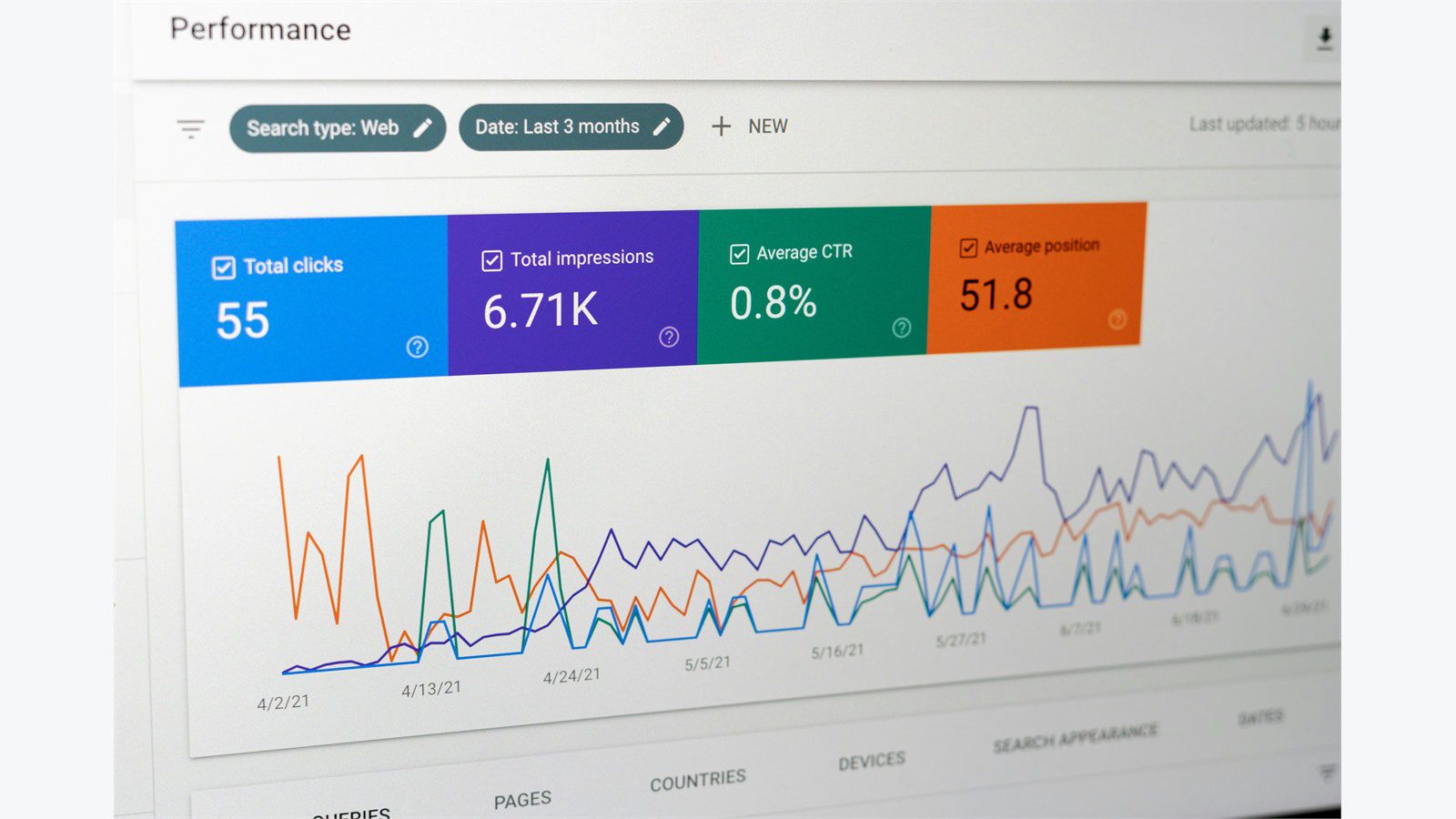
A business continuity plan helps an organization keep operating when an outage disrupts systems, people, vendors, facilities, data, or customer channels. It is not only an IT document. It is a business operating playbook that tells teams what matters first, who decides, how work continues, how systems recover, and how customers hear the truth.
Outages now come from many directions. A cloud provider can degrade. A SaaS tool can become unreachable. A payment processor can fail. A cyberattack can lock systems. A power issue can close a location. A deployment defect can break a customer portal. A business continuity plan turns those scenarios into rehearsed decisions instead of improvised panic.
For companies investing in cloud computing, DevOps services, cyber security, business process automation, and workflow automation, continuity planning should be treated as a design requirement. Recovery, communication, and manual fallback should be built before the next outage proves they are missing.
| Outage question | Continuity answer | Business result |
|---|---|---|
| What must keep running? | rank critical services and processes | fewer wrong recovery priorities |
| How much downtime is tolerable? | set RTO, RPO, and maximum outage limits | clearer architecture decisions |
| Who decides under pressure? | name incident and business owners | faster escalation |
| How will work continue? | define manual and alternate workflows | less revenue leakage |
| How will customers hear updates? | prepare communication templates and channels | stronger trust during disruption |
Business continuity plan at a glance
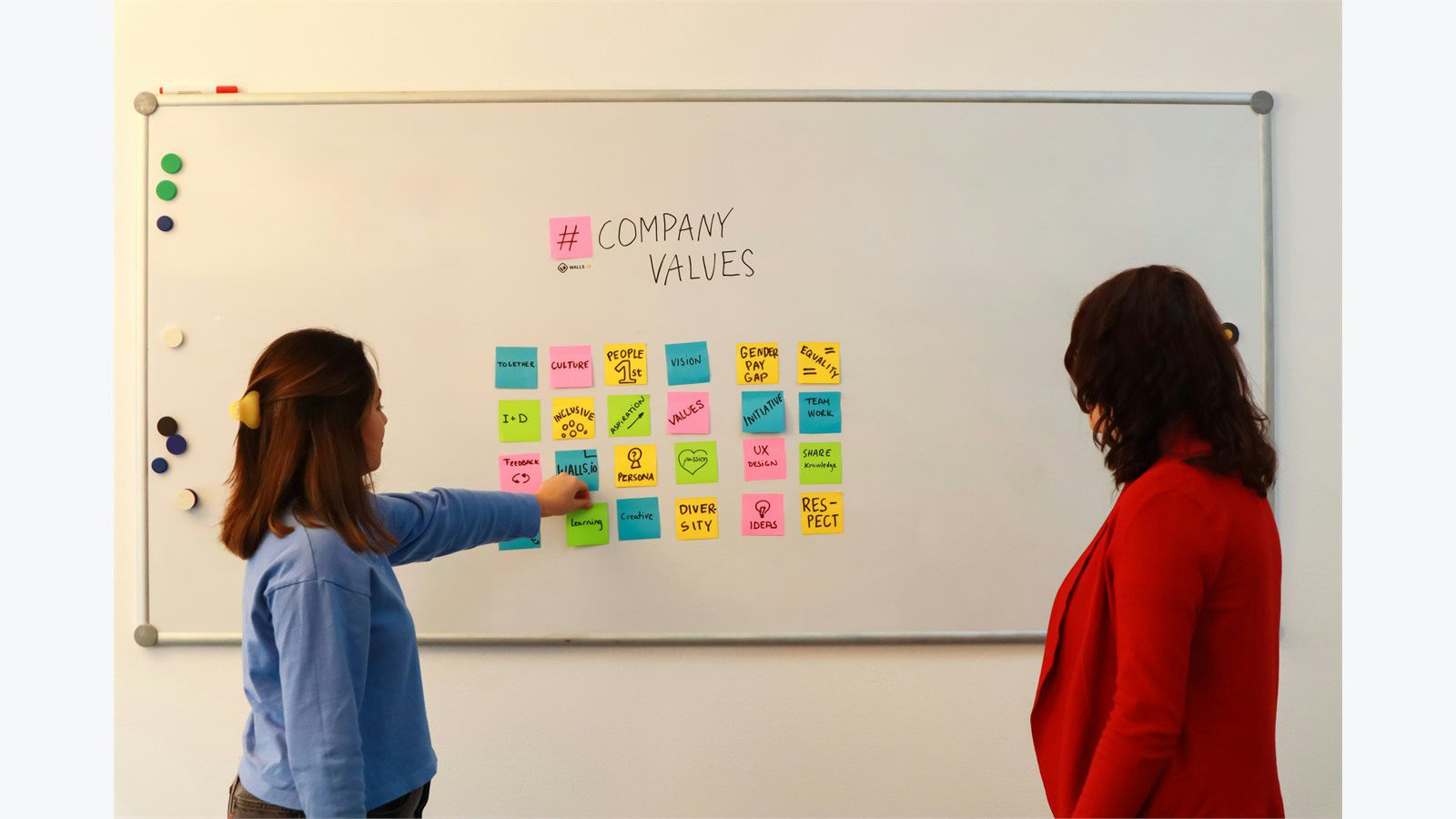
A business continuity plan defines how the organization maintains critical operations during disruption and restores normal service afterward. It should cover people, facilities, technology, data, vendors, customer communication, legal obligations, finance, and leadership decision-making.
The plan is different from a disaster recovery checklist. Disaster recovery usually focuses on restoring technology systems and data. Continuity planning is broader. It asks which business functions must continue, how long they can be degraded, what manual workarounds exist, which dependencies are required, and when executives must make trade-off decisions.
NIST SP 800-34 Rev. 1 is a useful reference because it explains information system contingency planning and keywords such as contingency planning, resilience, incident response plan, and disaster recovery plan. NIST CSF 2.0 also frames cybersecurity risk management as something organizations can profile, govern, and improve. Those ideas apply directly when building a business continuity plan for outages.
The practical output should be simple enough to use at 2 a.m. A binder no one opens is not continuity. The best plans contain short role cards, recovery priorities, dependency maps, contact paths, decision thresholds, tested runbooks, customer messages, and review dates.
Win 1: rank critical services and business processes

The first win is priority. During an outage, not every process can recover first. A business continuity plan should identify the services, applications, teams, locations, vendors, and data flows that matter most to revenue, safety, legal obligations, customer trust, and daily operations.
Start with a business impact analysis. Ask which functions stop revenue, create safety exposure, breach contracts, trigger regulatory obligations, or damage customer relationships if unavailable. Then rank them by maximum tolerable downtime and acceptable data loss.
This ranking should be owned by business leaders, not only by IT. Engineering may know how systems connect, but operations, finance, customer service, legal, and sales know which failures hurt the organization fastest. A business continuity plan works best when technical recovery priorities match business consequences.
Document dependencies for each critical function. A customer portal may depend on identity, payments, inventory, email, database replication, DNS, observability, and a support team. If one hidden dependency fails, the visible application may still be unusable.
Win 2: define outage scenarios and trigger points
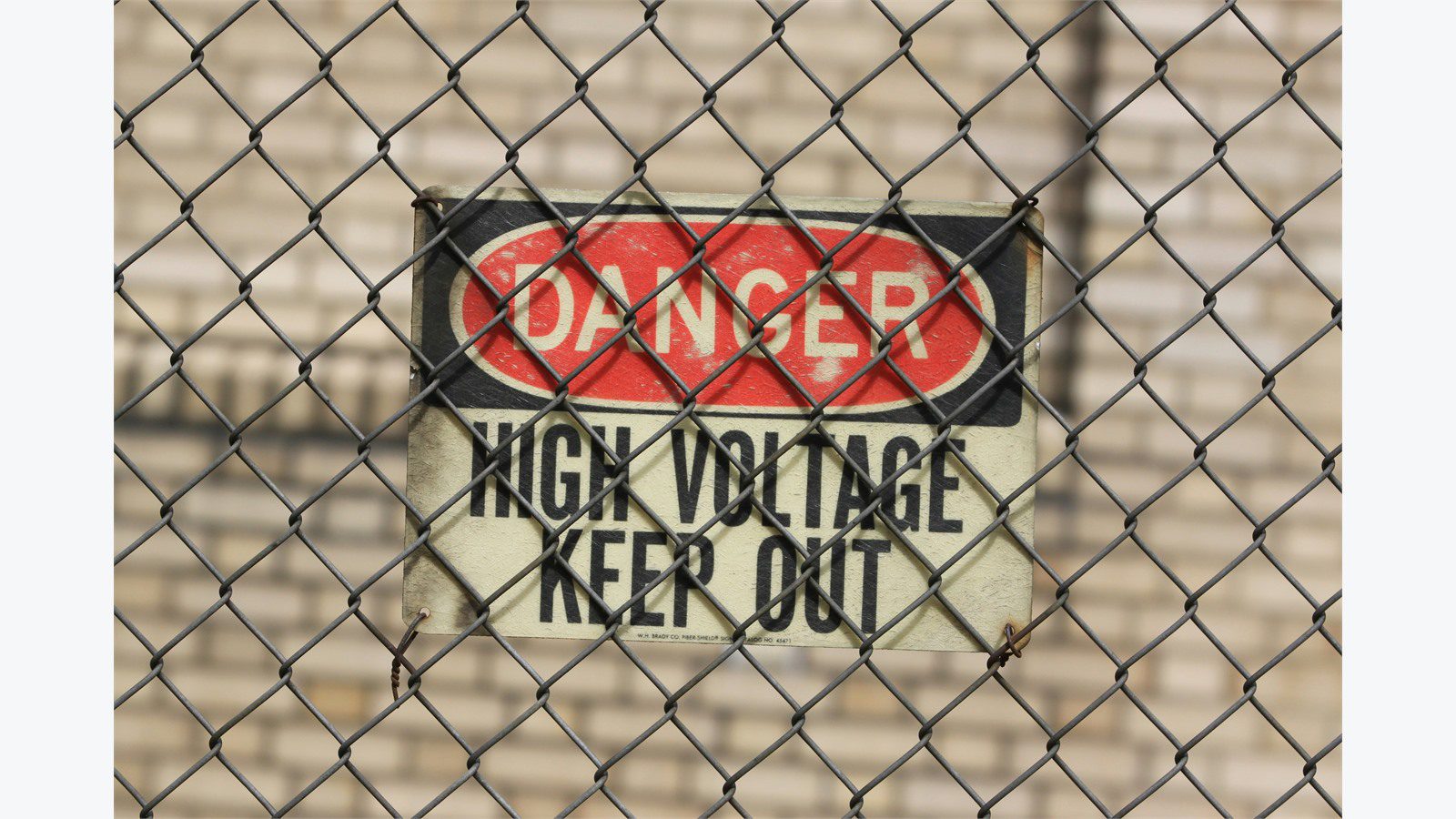
The second win is scenario clarity. Outages feel chaotic because teams often debate what kind of event they are facing while the clock is already running. A business continuity plan should define common scenarios and the trigger points that activate response roles.
Useful scenarios include cloud region degradation, SaaS outage, ransomware, database corruption, network failure, payment interruption, data center power loss, supply chain interruption, staffing shortage, failed deployment, and customer communication platform failure. Each scenario should include likely symptoms, immediate containment steps, escalation paths, and recovery goals.
Trigger points matter because small incidents can become business events quickly. If a system is down for five minutes, the helpdesk may handle it. If the same outage affects revenue, legal commitments, safety, or public reputation, continuity leadership should join. The plan should say when that shift happens.
A clear trigger model prevents underreaction and overreaction. Teams should know when to open an incident bridge, when to invoke manual workflows, when to notify executives, when to pause changes, and when to communicate with customers.
Win 3: set RTO, RPO, and maximum tolerable downtime

A business continuity plan needs measurable recovery targets. Recovery time objective defines how quickly a process or system should be restored. Recovery point objective defines how much data loss is acceptable. Maximum tolerable downtime defines the outer limit before business impact becomes unacceptable.
These targets guide architecture and spending. A service with a 15-minute recovery target may need automation, replication, standby infrastructure, and frequent restore tests. A back-office report with a two-day tolerance may only need reliable backups and a manual workaround.
The mistake is assigning aggressive targets to everything. That creates cost without clarity. Instead, classify tiers. Tier 1 may include customer ordering, payments, identity, emergency communications, and core operations. Tier 2 may include internal analytics or routine reporting. Tier 3 may wait until the business stabilizes.
Targets also need evidence. If a database restore takes six hours in practice, a one-hour objective is fiction. A business continuity plan should compare desired targets with tested recovery performance and assign owners to close gaps.
Win 4: map people, vendors, systems, and data dependencies

Outages reveal dependency gaps. A customer-facing system might rely on a vendor API, a single administrator, an expired certificate, one office network, one identity provider, or one undocumented batch job. A business continuity plan should make those dependencies visible before they fail.
Create maps for critical processes. Show systems, databases, integrations, vendors, roles, locations, credentials, certificates, network paths, backup locations, and communication channels. Keep the maps readable. The goal is not architectural art. The goal is to help responders find the weak link quickly.
Vendor dependencies deserve special attention. SaaS platforms, cloud providers, payroll systems, payment processors, logistics tools, support platforms, and managed service providers can all become outage sources. Contracts should define support paths, service commitments, notification expectations, data export options, and exit procedures.
People dependencies matter too. If only one person can approve emergency DNS changes or access the backup vault, recovery is fragile. The plan should document alternates, delegation rules, and emergency access procedures.
Win 5: build manual workarounds and minimum viable operations

Technology recovery is important, but some outages require the business to operate in a degraded mode. A business continuity plan should define minimum viable operations for each critical function. That means deciding what work continues, what pauses, what becomes manual, and what customers are told.
Manual workarounds might include offline order capture, alternate payment procedures, emergency dispatch spreadsheets, paper pick lists, temporary phone support scripts, preapproved refund rules, or alternate approval chains. These workarounds should be realistic, controlled, and tested.
The best fallback process is small and safe. It should not try to reproduce every normal feature. It should preserve the core business outcome: take orders, support customers, protect safety, fulfill urgent work, maintain records, and avoid irreversible mistakes.
Manual workflows also need reconciliation. If orders are captured offline, who enters them later? How are duplicates prevented? How are timestamps preserved? How are customer promises updated? A business continuity plan should define the cleanup phase as clearly as the emergency phase.
Win 6: prepare communication for customers and staff

Communication can make or break an outage response. A technically strong recovery can still damage trust if customers hear nothing, employees receive conflicting instructions, or executives discover the incident from social media. A business continuity plan should include communication roles, channels, templates, and approval rules.
Internal communication should tell employees what is affected, what to stop doing, which workaround to use, where updates will appear, and who is in charge. Customer-facing communication should be honest, concise, and consistent. Avoid speculation. State what is known, what customers should do, and when the next update will arrive.
Prepare templates for common scenarios: service unavailable, delayed orders, payment disruption, data access issue, location closure, security investigation, vendor outage, and restoration complete. Templates reduce delay, but they still need human review before release.
The plan should also cover communication channel failure. If email is down, use SMS, collaboration tools, status pages, phone trees, or alternate domains. A business continuity plan that depends on the failed system to communicate is not ready.
Win 7: protect backups, identity, and recovery tooling

Backups are the insurance policy that many organizations fail to test. A business continuity plan should define what data is backed up, how often, where copies live, who can restore them, how integrity is checked, and how backups are protected from ransomware or accidental deletion.
Identity is just as important. If administrators cannot sign in during an outage, recovery stops. Plan for emergency access, break-glass accounts, privileged access controls, backup MFA methods, and identity provider degradation. These controls should be secure enough for normal conditions and usable enough for emergencies.
Recovery tooling should not share every dependency with production. If the same cloud account, network, identity system, or monitoring platform fails, responders may lose visibility and control. Store critical runbooks, contacts, diagrams, and credentials in resilient locations with controlled access.
Testing should include full restore exercises, not just backup success reports. A green backup job does not prove recovery. The business continuity plan should require periodic restore tests, evidence capture, and remediation for any failed assumptions.
Win 8: rehearse tabletop exercises and live drills

A business continuity plan that has never been rehearsed is a draft. Tabletop exercises help leaders test decisions without taking systems down. Live drills test whether recovery steps actually work. Both are necessary because outages expose coordination gaps as much as technical gaps.
Start with tabletop scenarios. Give participants a realistic outage timeline, then ask what they would do at each stage. Who declares the incident? Who communicates with customers? Who decides to fail over? Who approves manual operations? Who contacts vendors? Where does legal review enter?
Then run controlled technical drills. Restore a backup. Fail over a nonproduction service. Test a status page. Verify call trees. Simulate identity disruption. Validate emergency access. Run a vendor contact drill. Each exercise should produce action items, owners, and deadlines.
The goal is learning, not blame. Teams should discover missing contacts, outdated diagrams, vague authority, slow approvals, and untested tools before a real outage forces those lessons in public.
Win 9: turn outage lessons into continuous improvement

The final win is feedback. Every incident, drill, near miss, vendor notification, and support spike should improve the business continuity plan. Continuity planning is not a yearly paperwork exercise. It is an operating loop.
After each outage, run a blameless review. Capture the timeline, customer impact, revenue impact, decision points, detection gaps, communication gaps, vendor issues, and recovery blockers. Then update the plan, runbooks, monitoring, architecture, training, and contracts.
Metrics help keep momentum. Track time to detect, time to declare, time to communicate, time to restore, restore success rate, manual workaround accuracy, customer ticket volume, and repeated incident causes. These measures show whether resilience is improving.
Executive visibility matters. A business continuity plan should be reviewed when the business changes: new products, new markets, new vendors, acquisitions, cloud migrations, automation projects, or staffing changes. The plan should evolve with the company.
Business continuity plan FAQ
What is a business continuity plan?
A business continuity plan is a documented operating approach for keeping critical business functions running during disruption and restoring normal operations afterward. It covers people, processes, systems, data, vendors, communication, and decision-making.
How is a business continuity plan different from disaster recovery?
Disaster recovery usually focuses on restoring technology systems and data. A business continuity plan is broader because it defines business priorities, manual workarounds, leadership decisions, customer communication, vendor coordination, and recovery governance.
What should be included in a plan for outages?
Include critical process rankings, outage scenarios, RTO and RPO targets, dependency maps, contact lists, recovery runbooks, manual fallback procedures, communication templates, vendor escalation paths, backup procedures, and testing schedules.
How often should the plan be tested?
Test critical parts at least annually, and test high-risk systems more often. Run tabletop exercises after major business changes, vendor changes, cloud migrations, new products, or incidents that reveal gaps.
Who should own continuity planning?
Ownership should be cross-functional. Operations, IT, security, finance, legal, customer support, communications, and executive leadership all have roles. One coordinator can manage the document, but the business owns the risk decisions.
What is the biggest continuity planning mistake?
The biggest mistake is writing a plan that is not tied to tested recovery capability. If backups are untested, contacts are outdated, roles are unclear, or manual workarounds are unrealistic, the plan will fail under pressure.
A business continuity plan is a practical resilience tool. It helps teams decide faster, recover safer, communicate better, and protect the customer experience when outages happen. The strongest plans stay short, tested, and connected to real business priorities.
If your organization needs outage-ready operations, contact Progressive Robot to build a business continuity plan that connects cloud reliability, cybersecurity, automation, and recovery testing.