

Vibe-jacking is the next brand-protection problem hiding inside AI-generated social engineering. It happens when attackers do not simply copy a logo or spoof an email address. They copy the recognizable feel of a brand: the executive voice, the visual style, the customer-support tone, the social cadence, the product language, and the trust cues that make people lower their guard.
That makes Vibe-jacking more dangerous than ordinary impersonation. A fake account may look close enough. A cloned voice may sound familiar enough. A deepfake video may appear urgent enough. A synthetic support message may use the right vocabulary. The goal is not artistic imitation; it is social engineering that borrows your brand’s credibility to move money, steal credentials, redirect customers, or damage reputation.
The FBI IC3 warning on generative AI fraud explains that criminals already use AI-generated text, images, audio, and video to make fraud more believable and scalable. For companies building an AI strategy, the defensive lesson is direct: brand identity is now a security asset, not only a marketing asset.
Vibe-jacking at a glance

Vibe-jacking blends brand impersonation, deepfake media, fake social presence, and workflow manipulation. The attacker studies how a company communicates, then uses AI tools to produce messages or media that feel native to that company. The copy does not need to be perfect. It only needs to be convincing enough for a rushed employee, customer, partner, journalist, or community member.
| Brand element | How it can be abused | Defensive control |
|---|---|---|
| Executive voice | Synthetic audio requests payment, access, or secrecy | Known callback paths and approval rules |
| Social tone | Fake posts promote scams, fake offers, or fake statements | Verified account inventory and monitoring |
| Visual style | Deepfake ads or images borrow campaign aesthetics | Watermarked asset library and takedown playbook |
| Support language | Fake helpdesk messages harvest credentials | Trusted support domains and user education |
| Partner trust | Fake supplier or agency messages change instructions | Out-of-band verification for risky changes |
Vibe-jacking succeeds when people treat familiarity as authorization. The defense is to separate brand familiarity from business authority. A message can sound right and still require verification.
Why vibe-jacking is rising now

Vibe-jacking is rising because the raw material is public. Executives speak on podcasts, webinars, earnings calls, LinkedIn videos, conference panels, sales demos, and customer webinars. Marketing teams publish brand books, campaign language, support scripts, ads, product tours, and social posts. That content is useful for customers, but it also gives criminals examples to imitate.
Generative AI lowers the cost of turning those examples into believable artifacts. A fraud attempt can now include fluent copy, plausible profile photos, synthetic product screenshots, cloned voice notes, realistic video snippets, and localized language. The attacker can test many versions quickly and aim them at different audiences.
Remote work also changed trust habits. People approve requests through chat, video meetings, shared documents, ticket queues, and mobile notifications. They may never meet the executive, agency contractor, supplier, or support agent they are talking to. Vibe-jacking exploits that distributed operating model by making a digital interaction feel familiar enough to bypass skepticism.
The answer is not to stop publishing. Brands need visibility. The answer is to publish with controls, monitor the channels where trust is created, and make risky requests follow a verified process.
What attackers copy from your brand
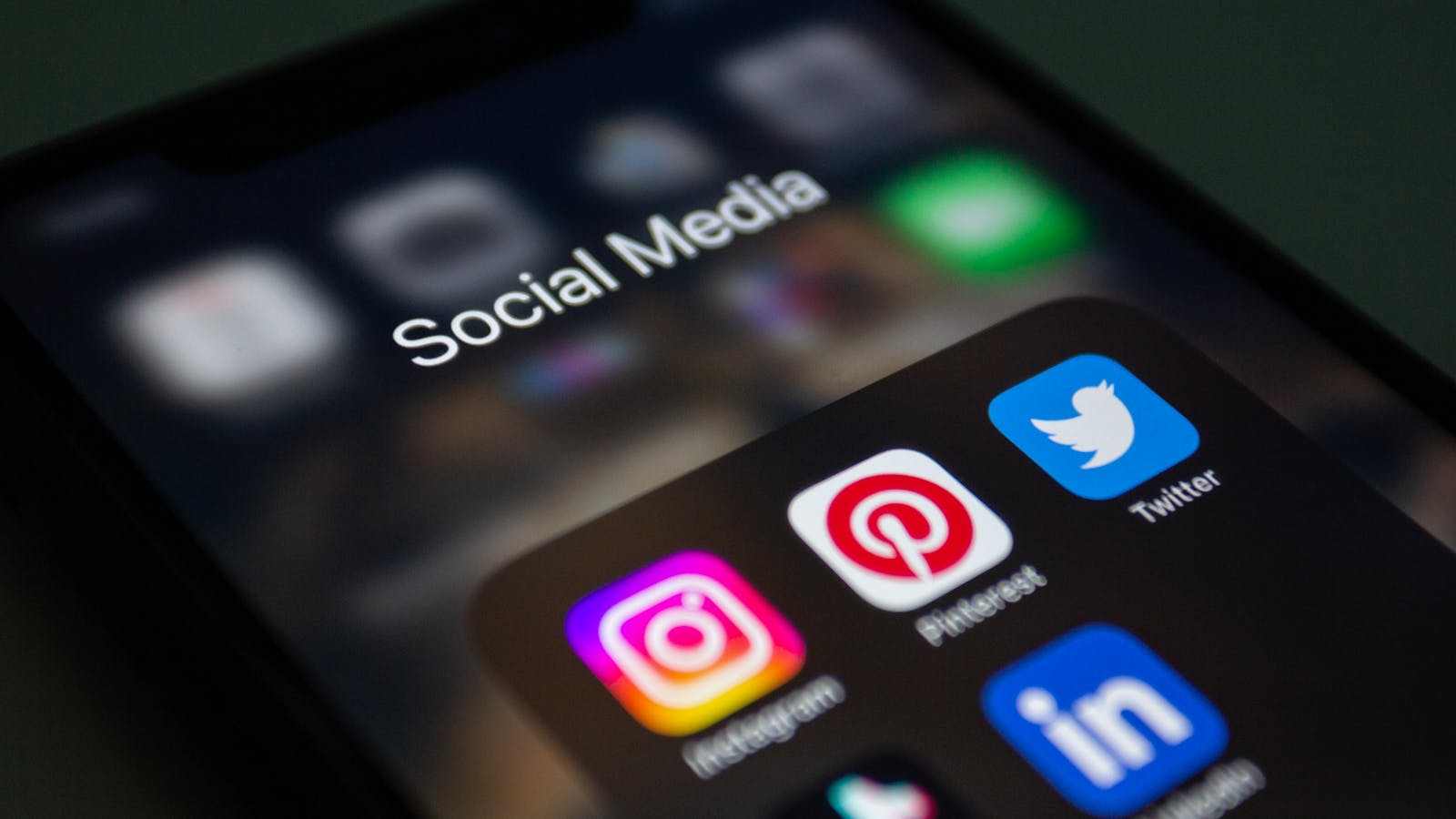
Vibe-jacking usually starts with the signals people already associate with legitimacy. A fake page may copy your product naming, support language, launch timing, customer stories, or brand colors. A fake executive message may copy a writing style, favorite phrases, and typical urgency patterns. A fake recruiter, partner, reseller, or customer-success account may borrow names, profile photos, and common workflows.
The highest-risk assets include:
- Executive videos, podcasts, and voice clips.
- Official social handles, bios, and profile images.
- Customer-support templates and escalation language.
- Product screenshots, pricing pages, and campaign visuals.
- Public org charts, job posts, and partner announcements.
- Email footers, calendar formats, and event landing pages.
- Community channels, Discord servers, LinkedIn groups, and comment sections.
Vibe-jacking does not require attackers to compromise your systems. It can happen entirely outside your perimeter. That is why brand protection must connect marketing operations, identity controls, fraud monitoring, and incident response.
This is also where AI governance platforms become useful. Governance should not only document internal AI use. It should also track the external AI risks that can weaponize company identity.
Map the digital identity surface

A brand cannot defend what it has not listed. Start by mapping your digital identity surface. This is the collection of places where customers, employees, partners, media, and communities learn what your brand sounds like, looks like, and asks them to do.
Include official websites, subdomains, microsites, social accounts, ad accounts, email domains, support portals, app listings, community spaces, reseller pages, marketplace profiles, executive profiles, and public content libraries. Add third-party channels that matter, such as YouTube, LinkedIn, GitHub, app stores, review platforms, podcast pages, webinar platforms, and event sites.
For each asset, record the owner, login method, recovery method, approved admins, publishing workflow, takedown path, and emergency contact. Then mark which assets can trigger high-impact action. A product page may influence purchases. A support portal may influence credential entry. An executive profile may influence wire transfers, investor trust, or hiring decisions.
Vibe-jacking becomes easier when ownership is unclear. If marketing thinks security owns a channel, security thinks legal owns takedowns, and legal thinks the agency owns credentials, the attacker gets time. A clear inventory turns brand identity into an operational control.
Protect executive voice and video

Executives are high-value targets because their likeness can create urgency. A synthetic CEO video, CFO voice note, founder message, or customer-success leader call can pressure people to act before checking. The control is not to hide leaders from the internet. The control is to stop voice and video from authorizing risky action by itself.
Create rules for requests involving payments, bank changes, credential resets, sensitive data, legal statements, emergency access, vendor changes, and public announcements. If a request changes money, access, identity, or public trust, it should require a known verification path. That path should use trusted contact details, not the phone number, link, or meeting invite supplied in the suspicious message.
The NIST AI Risk Management Framework is helpful here because it frames AI risk as something organizations should map, measure, manage, and govern. Vibe-jacking fits that model. Map where synthetic likeness can cause harm. Measure exposure. Manage risky workflows. Govern exceptions.
Also build an executive media policy. Track high-quality audio and video appearances. Avoid publishing unnecessary raw clips. Use consistent official channels for major announcements. Teach teams that executive familiarity is a cue to verify, not a reason to bypass controls.
Add verification to high-risk workflows

Vibe-jacking is a workflow attack. The fake media is only the hook. The real objective is usually a business action: approve a payment, reveal a password, change a supplier record, share confidential data, click a link, install a tool, transfer a customer, or publish a false statement.
That means verification must sit inside the workflow. For workflow automation teams, the practical move is to create step-up checks for any request that changes money, access, identity, or public communication. The check should be simple enough to use under pressure and strict enough that a convincing deepfake cannot replace it.
Good controls include:
- Two-person approval for vendor banking changes.
- Known-number callbacks for urgent executive requests.
- Separate admin approval for account recovery or MFA resets.
- Verified ticket histories before support teams change identity data.
- Locked templates for customer-impacting announcements.
- Audit trails for exceptions and emergency overrides.
Vibe-jacking loses power when familiar tone cannot override policy. Employees need permission to slow down, verify, and escalate without being blamed for delaying a suspicious request.
Monitor fake accounts, ads, and content

Monitoring should cover the places where people encounter the brand, not only the systems the company owns. Look for lookalike handles, copied profile photos, fake executive accounts, cloned landing pages, misleading paid ads, synthetic testimonial videos, fake support replies, and suspicious comments under official posts.
Prioritize channels based on harm. A fake customer-support profile that asks for credentials is urgent. A fake investment pitch using an executive deepfake is urgent. A parody account with no fraud signal is different. Monitoring should classify likely impact so teams do not treat every mention as a crisis.
Useful signals include sudden account creation, copied bios, repeated logo misuse, urgent payment language, external links, mismatched domains, promoted posts, fake giveaways, and replies that redirect users away from official channels. Pair human review with automated alerts so the team can move fast without overreacting.
Connect monitoring to business process automation. A suspicious account should trigger a standard workflow: capture evidence, classify risk, notify owners, contact the platform, publish customer guidance if needed, and update the incident record.
Respond fast when a deepfake appears

A deepfake brand incident is partly technical, partly legal, partly communications, and partly customer support. The first hour matters. Teams should preserve evidence, avoid amplifying the fake, confirm whether any customer or employee action occurred, and decide whether public clarification is needed.
A practical response playbook should include:
- Evidence capture, including URLs, screenshots, timestamps, account IDs, and message metadata.
- Internal escalation to security, legal, marketing, communications, and support.
- Platform takedown steps for each major channel.
- Customer support scripts that point users to official channels.
- Partner and employee alerts when the fake targets a specific workflow.
- Post-incident review to close the process gap the attacker exploited.
Vibe-jacking response should be rehearsed before the first incident. Waiting until a fake video is circulating is too late to decide who can speak, who contacts platforms, who notifies partners, and who approves customer messaging.
The goal is controlled speed. Move fast enough to reduce harm, but keep evidence clean enough for platform review, legal follow-up, insurance claims, or law-enforcement reporting if needed.
Align marketing, security, and legal

Vibe-jacking sits between teams. Marketing understands brand voice and campaign timing. Security understands identity, access, monitoring, and incident handling. Legal understands trademarks, platform escalation, evidence requirements, and liability. Communications understands public trust.
If these groups work separately, response becomes slow and political. If they share an operating model, the brand becomes harder to impersonate. Build a cross-functional brand identity risk group with a small monthly agenda: review new campaigns, update official channels, check executive media exposure, test takedown contacts, review incidents, and refine verification rules.
Make the controls practical. Marketing teams should not need a security ticket for every social post. Security teams should not rewrite brand strategy. Legal teams should not become the only takedown bottleneck. Each team should own the part it can execute quickly.
For organizations scaling AI strategy, this alignment is essential. AI risk is not confined to model deployments. It also includes how outside actors use AI to imitate the organization.
Vibe-jacking FAQ

Is vibe-jacking the same as phishing?
No. Phishing is often one delivery method. Vibe-jacking is broader because it copies the brand’s recognizable identity across voice, video, social presence, visuals, and workflows to make social engineering feel legitimate.
Which teams are most exposed?
Finance, HR, customer support, executive assistants, sales, community management, investor relations, recruiting, and IT helpdesks are common pressure points. Any team that acts on identity, money, access, or public messaging needs controls.
Can detection tools solve the problem alone?
No. Detection helps, but Vibe-jacking is a trust and workflow problem. A tool may flag a fake video, but payment controls, callbacks, admin approval, platform takedowns, and customer guidance still matter.
Should brands publish less executive content?
Not necessarily. Visibility has business value. The better approach is to publish intentionally, track high-value media, route major announcements through official channels, and stop executive media from authorizing risky actions by itself.
What is the first step for a small business?
List official channels, lock down admin access, verify high-risk requests through known contact paths, and prepare a simple takedown and customer-alert process. Small teams can reduce Vibe-jacking risk without buying a large platform first.
Final take

Vibe-jacking turns brand trust into an attack surface. The threat is not only a fake logo or a suspicious email. It is a synthetic version of the brand’s voice, mood, timing, visual style, and authority aimed at real people in real workflows.
The strongest defense is boring by design: inventory official channels, protect executive likeness, monitor high-impact platforms, verify risky requests, rehearse takedowns, and align marketing, security, legal, and support. Those controls make it harder for attackers to convert imitation into action.
For leaders, the message is simple. Vibe-jacking should be treated as a brand identity risk, an AI governance risk, and a social engineering risk at the same time. If the business depends on digital trust, the brand’s vibe now needs the same operational protection as its domains, credentials, and customer data.
More AI coverage: explore Progressive Robot's AI Models, Tools & Releases hub — hands-on reviews, setup guides and benchmarks in one place.










