
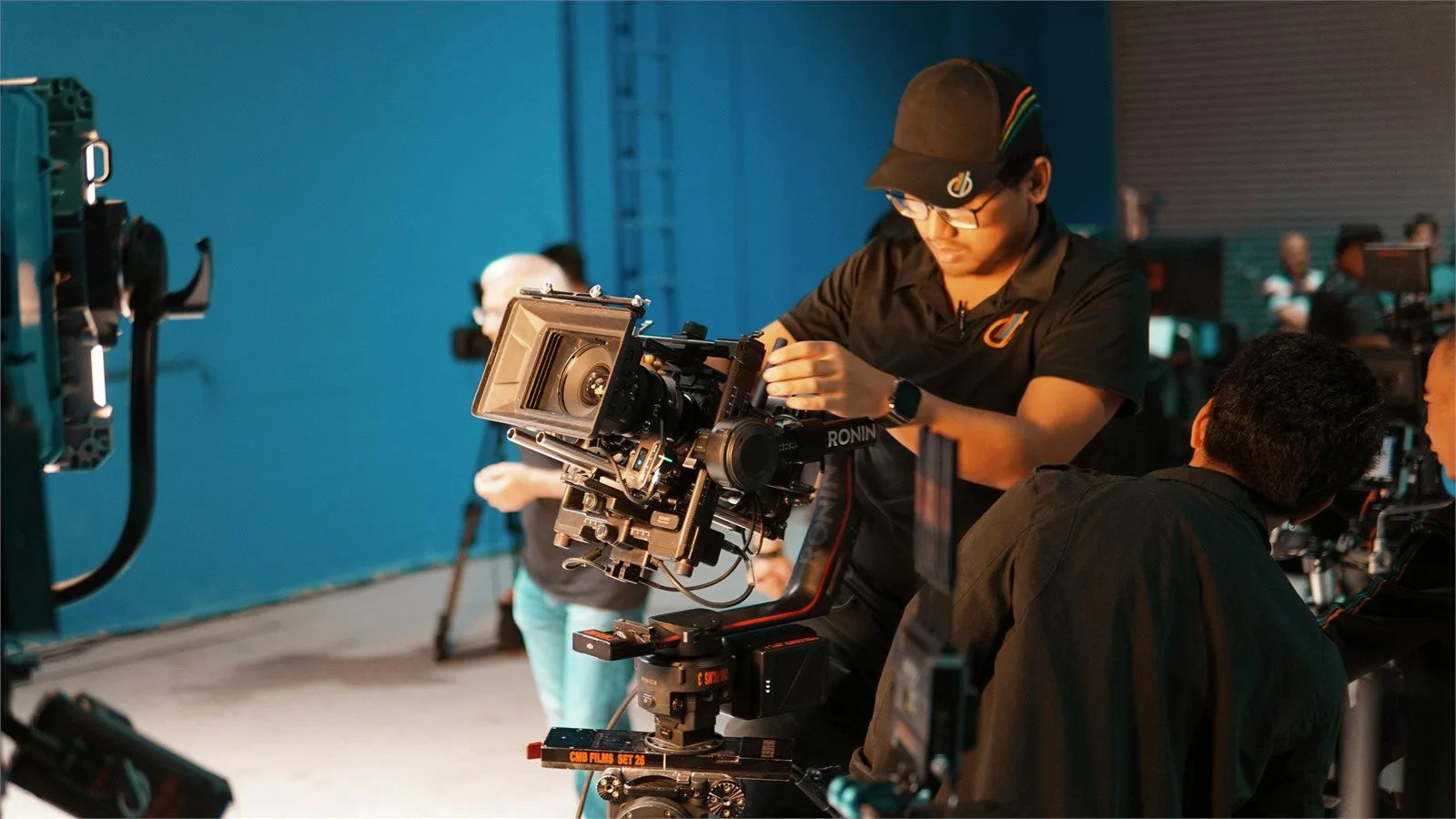
Netflix VOID AI is one of the more practical AI video stories to surface this year because it is aimed at a real post-production problem, not a demo-friendly gimmick. The reported goal is simple to describe and hard to execute: remove an object from footage, then make the rest of the scene behave as if that object had never been there.
That is why the model stands out. Standard cleanup can erase a mic stand, reflection, logo, or crew artifact in a single frame, but the harder problem is keeping motion, timing, and scene logic believable over the full shot. If a removed object would have affected movement, occlusion, or the way the frame evolves, the edit has to do more than paint over pixels.
Coverage from TechSpot and an MSN summary of wider reporting describes VOID as shorthand for Video Object and Interaction Deletion. The important part is not the acronym. The important part is the production ambition behind it.
Netflix VOID AI matters because the cost of small visual fixes adds up fast. Editorial teams lose time to continuity repairs, VFX vendors spend cycles on cleanup passes, and producers still have to weigh whether a distracting element is worth a reshoot. That makes this development relevant to larger conversations around AI strategy, workflow automation, and intelligent automation.
If Netflix VOID AI works close to how early reports describe it, the biggest shift is not that editors can erase more objects. The bigger shift is that post-production teams may get a faster way to preserve scene realism after an object is removed.
| Topic | Practical answer |
|---|---|
| Core job | Remove an object from a video while keeping the scene coherent |
| Reported focus | Motion, scene evolution, and interaction-aware deletion |
| Main users | Post-production teams, VFX artists, and streaming studios |
| Main value | Faster cleanup without obvious continuity breaks |
| Biggest opportunity | Reducing expensive manual fix work late in the pipeline |
| Biggest risk | Using AI edits without clear review, disclosure, or quality gates |
Table of Contents
- At a glance
- How it removes objects while preserving interactions
- Why interaction deletion matters for post-production
- Where it could save the most time
- How it compares with standard cleanup tools
- Limits, risks, and ethics
- Who should watch it closely
- FAQ
Netflix VOID AI at a glance
Netflix VOID AI appears to sit at the intersection of video inpainting, scene understanding, and post-production automation. It is not being discussed as a consumer feature. The story is interesting precisely because the model seems aimed at professional footage workflows where small visual inconsistencies are expensive.
The clearest reported use case is post-shoot cleanup. A production might want to remove a boom reflection, a background distraction, a piece of gear, or some unwanted object that slipped into frame. In ordinary tooling, that can become a frame-by-frame exercise with plenty of manual correction. Netflix VOID AI is notable because it is described as trying to preserve how the surrounding scene should naturally continue.
That is a meaningful distinction. Removing an object from video is never only about the object itself. It is about what that object was blocking, how nearby motion should flow, and whether the audience can tell that the image has been altered. The approach becomes valuable only if those surrounding details remain convincing.
From a business perspective, the technology also fits the broader economics of streaming production. Platforms want faster turnaround, tighter quality control, and fewer labour-intensive fixes that drag late-stage delivery. Tools that shave time off cleanup without forcing obvious visual compromises can become strategically important.
That is why the tool deserves attention beyond headline value. It points to a production tool category where AI can remove friction from high-cost work instead of only generating flashy synthetic content.
How Netflix VOID AI removes objects while preserving interactions
The phrase that matters most in the current reporting is not object deletion. It is interaction deletion. Netflix VOID AI is interesting because it reportedly aims to model what the rest of the shot should do once the removed object is gone.
That sounds abstract until you think about how many relationships exist inside even a short clip. A removed object may affect what is visible behind it. It may change where a shadow falls, how a reflection behaves, or how the audience interprets motion through the frame. The system is compelling because it is framed as dealing with those dependencies over time rather than treating each frame like an isolated still image.
This is where ordinary cleanup often struggles. A single frame can look clean while the next few frames wobble, smear, or reveal that something unnatural happened. The model appears to target that exact weakness by predicting how the scene should evolve after the object disappears.
If that holds up in practice, the benefit is not only aesthetic. It changes the amount of manual repair work that follows the first pass. Instead of deleting an object and then fixing the surrounding behaviour by hand, the editor may start from a much more believable baseline.
That is the central technical promise behind Netflix VOID AI, and it is why post-production teams will care more about continuity quality than about the novelty of the model name.
Why video object and interaction deletion matters for post-production
Netflix VOID AI matters because video editing is full of problems that are small in isolation and expensive in aggregate. Productions lose time to cleanup work that nobody wants to celebrate but everybody has to pay for. A distraction in the background, a crew member in reflection, a misplaced prop, or a late branding issue can trigger an unexpectedly large repair job.
That makes the model relevant to post-production economics. Every cleanup task competes with color work, finishing, delivery, and deadline pressure. If an AI system can make those cleanup passes faster while keeping the result believable, it affects both cost and schedule. That is where tools like this start to overlap with business process automation.
There is also a pipeline benefit. Manual fixes often move between editorial, VFX, and approval loops. Netflix VOID AI could reduce some of that back-and-forth if the first pass is strong enough for teams to review rather than rebuild. Even when a human artist still makes final adjustments, starting from a stronger draft matters.
This model also signals something larger about where AI video tooling is heading. The more useful near-term tools may not be the ones that generate everything from scratch. They may be the ones that take existing footage and solve painful, repetitive tasks inside a real professional workflow.
That is why this announcement matters. The tool is easier to justify than a novelty feature because it targets labour that already exists, budgets that already exist, and bottlenecks that already hurt.
Where Netflix VOID AI could save the most time
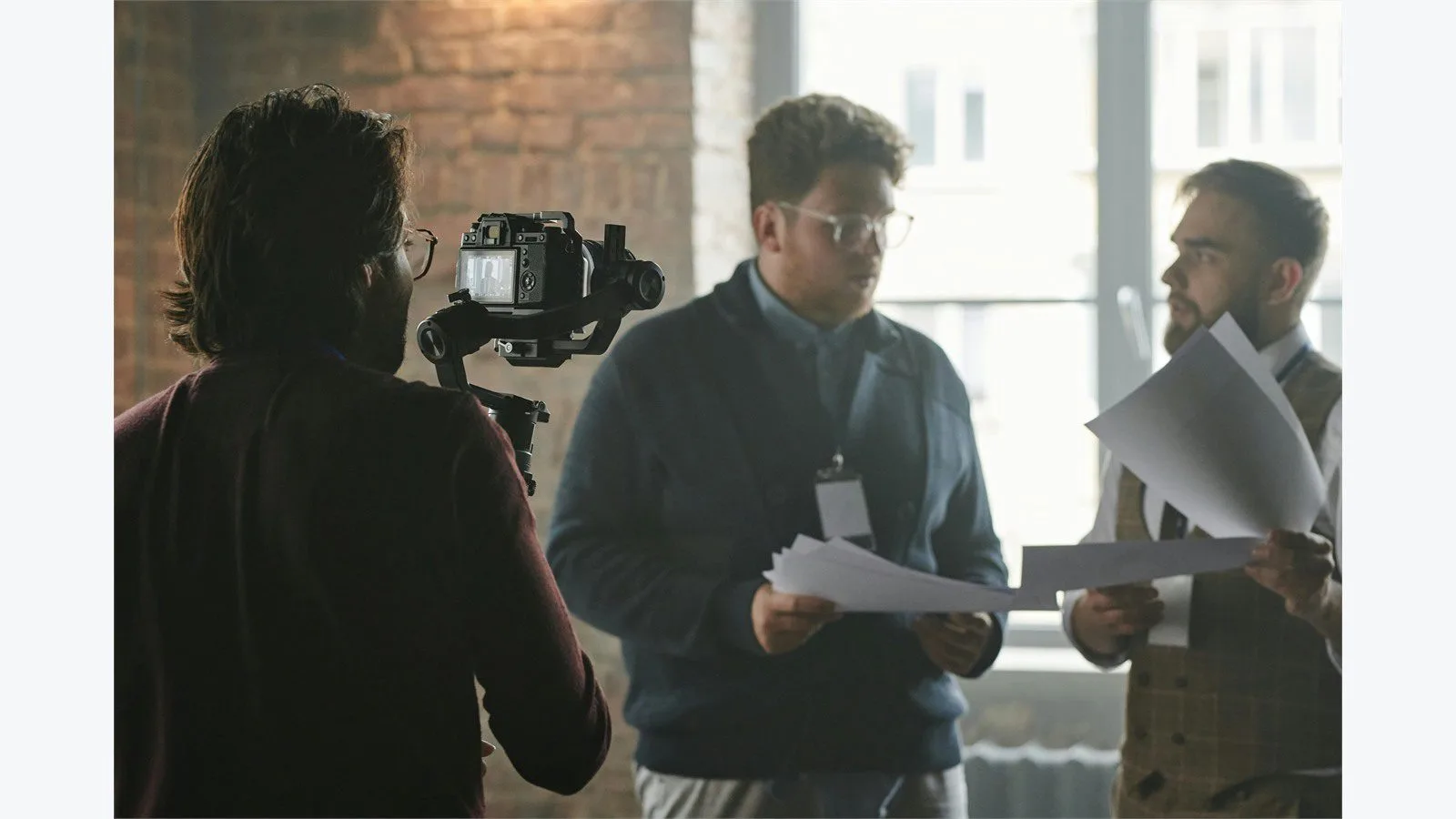
The first obvious win for Netflix VOID AI is continuity cleanup. Productions routinely discover problems after principal photography that are too minor for a reshoot and too visible to ignore. If the model can handle those situations cleanly, it could compress a stubborn part of finishing.
A second win is versioning. Streaming platforms often need localized, platform-specific, or marketing-adjacent variations of content. The tool could help when a scene needs a cleanup adjustment for different release contexts without forcing a fully manual rebuild each time. That matters for teams trying to reduce turnaround time under tight launch windows.
There is also value in documentary, unscripted, and live-to-tape adjacent workflows where the footage is valuable but imperfect. Netflix VOID AI could become useful when there is no clean alternate take and no practical way to reshoot. In those scenarios, a believable removal tool is not cosmetic. It is operationally important.
Post teams may also see it as a triage tool. Not every shot deserves a heavyweight VFX process. Some problems only need a fast, credible fix that passes review. If the model can get those shots into an approval-ready state faster, the team can reserve deep manual work for the places that truly need it.
That is where the time savings become real. Netflix VOID AI does not need to replace artists to matter. It only needs to reduce the number of tedious cleanup hours attached to otherwise straightforward shots.
How Netflix VOID AI compares with standard cleanup tools
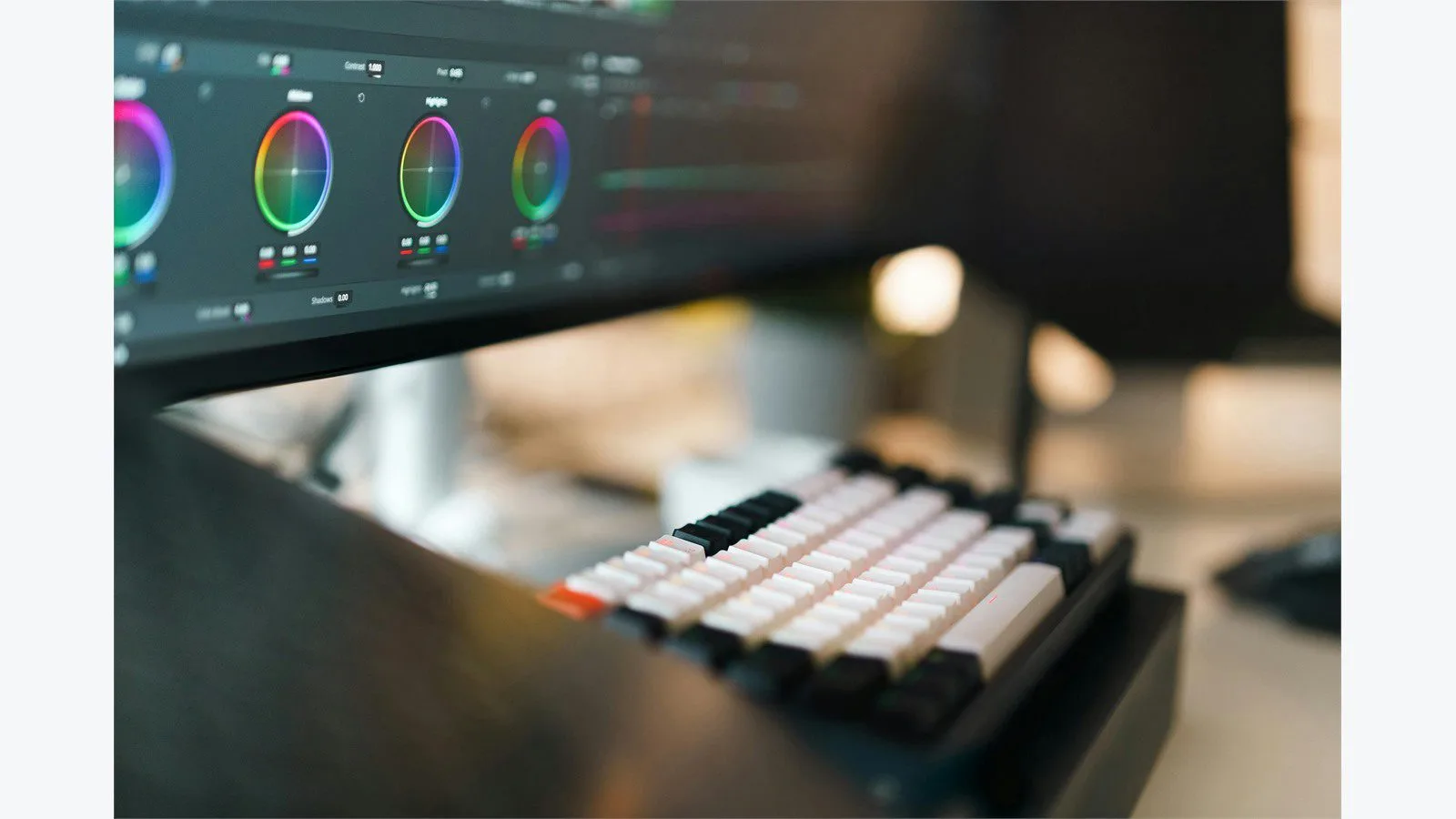
Traditional cleanup workflows already do impressive work, but they usually depend on careful masking, tracking, paint, compositing, and a lot of artist judgment. The limitation is not that current tools are weak. The limitation is that they can be slow when a removed object changes how the rest of the shot should behave.
Netflix VOID AI appears to push beyond simple object removal by focusing on scene evolution after deletion. That is a stronger promise than basic inpainting. Instead of only filling an empty patch, the model is reported as trying to preserve motion and interaction logic across the shot.
That comparison matters because post teams do not buy slogans. They compare time, reliability, and review burden. If a traditional tool gives perfect control but takes much longer, and Netflix VOID AI gives a believable draft much sooner, teams may adopt the AI pass as a first stage rather than a full replacement.
The most likely near-term outcome is hybrid use. An artist uses the model to generate the first believable cleanup, then checks edges, timing, reflections, and any shot-specific issues before signoff. That is much more realistic than assuming the model will eliminate human involvement.
This is also why the technology deserves a sober reading. The benchmark is not magic. The benchmark is whether it reduces painful manual work while keeping enough control in the hands of experienced editors and VFX artists.
Limits, risks, and ethics for edited footage

Netflix VOID AI raises the same question every serious video-editing AI tool raises: where does acceptable cleanup end and misleading alteration begin. Removing a visible microphone is easy to defend. Removing context that changes what a scene communicates is not.
That is the first reason it needs strong governance. Teams will need clear internal rules about what kinds of deletions are acceptable, who approves them, and when disclosure or legal review is required. The better the tool gets, the more important those rules become.
The second limitation is quality trust. Netflix VOID AI may be impressive in selected demos and still fail on difficult scenes with heavy interaction, fast motion, or complex lighting. Post teams cannot assume that because an object vanished, the scene remains physically or narratively convincing. Human review still has to catch the failure cases.
There is also a rights and audit concern. AI-assisted footage changes can create downstream questions about version control, approvals, and accountability. If a scene is altered after the fact, teams need a reliable record of what changed and why. That makes the technology relevant to operational discipline, not just creative tooling.
Used carelessly, the tool could blur the line between efficient post-production and hidden manipulation. Used carefully, it could become a powerful cleanup assistant with clear boundaries.
Who should watch Netflix VOID AI closely

Post-production supervisors should watch Netflix VOID AI first because they live closest to the schedule and cleanup pain it is trying to reduce. They will care less about hype and more about whether the tool actually shortens the path from flawed shot to approved shot.
VFX vendors and finishing houses should watch it closely as well. If streaming platforms begin adopting interaction-aware deletion, clients will soon expect faster first passes and cleaner automation-assisted workflows. That affects staffing, pricing, and review expectations.
Studio operations leaders should pay attention because this is a workflow story as much as a model story. The real impact will show up in cycle time, shot triage, and the amount of manual effort required for common repair tasks. That is exactly the sort of change that belongs in a serious workflow automation roadmap.
Enterprise AI leaders outside entertainment should also watch the pattern. Netflix VOID AI reinforces a useful lesson: the strongest AI tools are often the ones that improve expensive specialist workflows instead of trying to replace the whole profession. That is the same lens teams should apply when assessing intelligent automation initiatives elsewhere.
Netflix VOID AI may not matter to casual viewers right away, but it could matter quickly to the professionals who have to clean, version, finish, and deliver footage under pressure.
Netflix VOID AI FAQ

What does VOID stand for?
Current reporting describes Netflix VOID AI as short for Video Object and Interaction Deletion.
What is the model supposed to do?
The model is described as removing objects from video footage while preserving how the rest of the scene should move and behave afterward.
Why is it different from basic object removal?
The reported distinction is that the model focuses on interaction-aware deletion, not only painting over an object in a single frame.
Who would benefit most?
Post-production teams, VFX artists, finishing vendors, and streaming studios are the most likely early beneficiaries.
Is it a replacement for human editors?
No. The tool looks more like a cleanup accelerator than a substitute for editorial judgment, VFX supervision, or legal and ethical review.
Netflix VOID AI is worth watching because it targets a narrow but expensive problem with a more operational mindset than many AI video headlines. If the model delivers believable cleanup while preserving motion and continuity, the biggest effect will be faster decisions, fewer manual fixes, and a clearer case for AI inside real production workflows.
If your team is evaluating where tools like Netflix VOID AI actually belong in production and automation planning, contact Progressive Robot for a more grounded review of where AI reduces workflow cost and where it still needs human control.
More AI coverage: explore Progressive Robot's AI Models, Tools & Releases hub — hands-on reviews, setup guides and benchmarks in one place.