
Anthropic and the Trump administration no longer look locked in a one-way breakdown. After a Friday White House meeting between Anthropic CEO Dario Amodei, White House Chief of Staff Susie Wiles, Treasury Secretary Scott Bessent, and other senior officials, both sides described the discussion as productive and constructive.
That change in tone matters because Anthropic and the Trump administration were openly at odds only weeks ago. The Pentagon labelled Anthropic a supply-chain risk after negotiations collapsed over two safeguards Anthropic said it would not remove: limits on mass domestic surveillance and limits on fully autonomous weapons. President Donald Trump then publicly said federal agencies should stop using Anthropic’s technology, though that order was later blocked in court.
Now the picture is more complicated. Reuters, CNBC, TechCrunch, and The New York Times all point to continuing talks, while Anthropic’s own statements show that the company never stopped trying to work with Washington on national security and cybersecurity. The cleanest reading is not that the fight is over. It is that Mythos Preview and the urgency of AI-driven cyber defence have made a total freeze harder to sustain.
This article uses Reuters’ April 13 report on Anthropic’s talks with the Trump administration about Mythos, CNBC’s April 17 report on Dario Amodei’s White House meeting, TechCrunch’s April 18 report on a thawing relationship, The New York Times’ April 17 report on a possible compromise, Anthropic’s official February statement on its Department of War dispute, Anthropic’s March update on where things stand, and Anthropic’s official Project Glasswing announcement as the main sources.
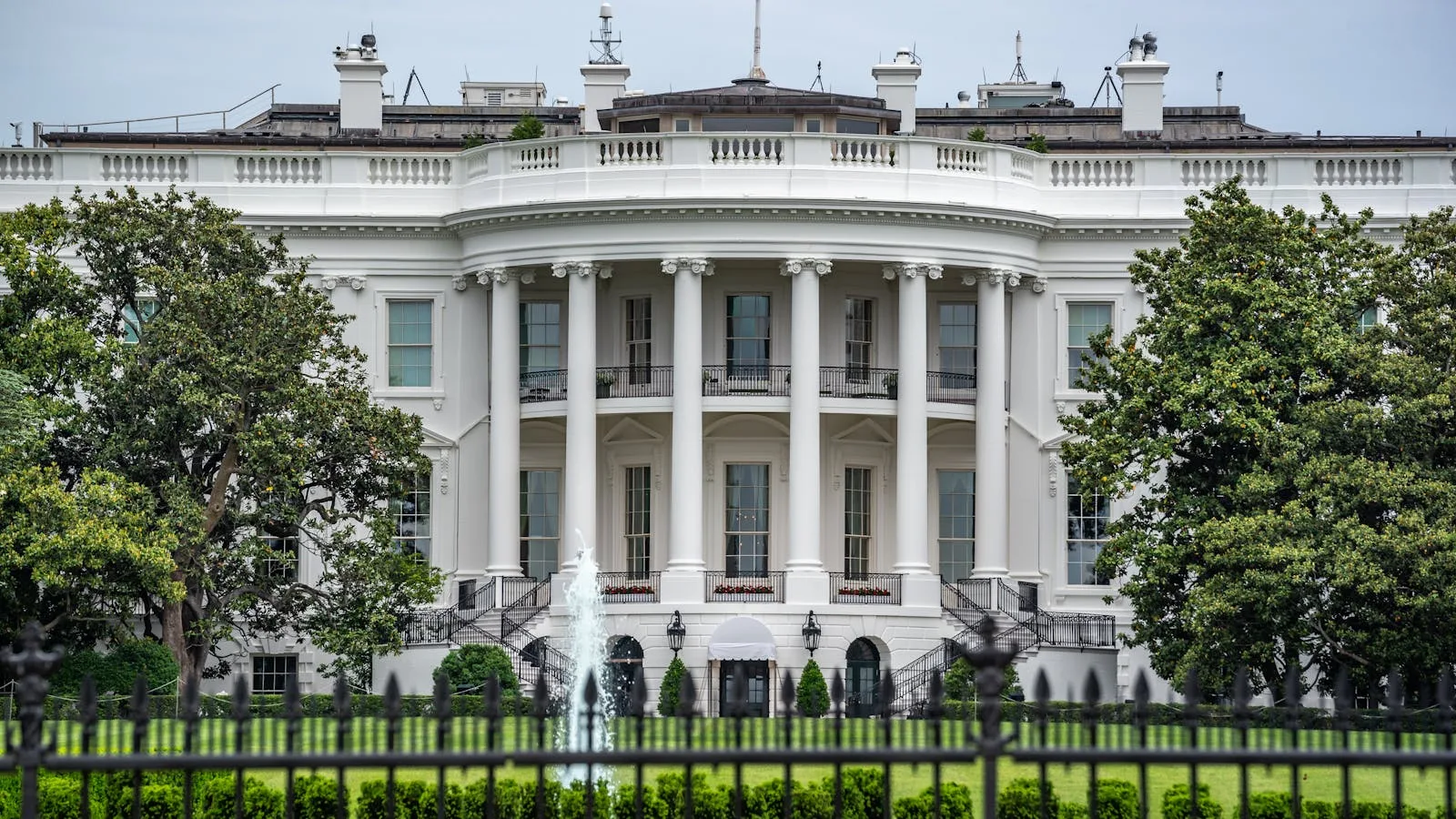
- Dario Amodei met White House Chief of Staff Susie Wiles, Treasury Secretary Scott Bessent, and other senior officials on April 17.
- The White House said the meeting was productive and constructive and focused on collaboration, innovation, and safety.
- Anthropic said the discussion covered cybersecurity, America’s lead in the AI race, and AI safety.
- The Pentagon’s supply-chain-risk designation against Anthropic still exists.
- The original dispute centered on Anthropic refusing to allow mass domestic surveillance and fully autonomous weapons.
- Reuters reported on April 13 that Anthropic was still briefing the administration on Mythos despite the Pentagon fight.
- The New York Times reported the White House is trying to forge a compromise that could bring Anthropic back into parts of government, potentially without the Pentagon.
- TechCrunch reported that the broader administration appears more open to Anthropic than the Department of Defence has been.
This standoff matters because it is no longer a narrow Silicon Valley drama. It is a live test of whether a frontier AI company can hold a few visible safety red lines and still remain strategically useful to the U.S. government.
That question matters more now because Mythos Preview is not being marketed as a normal chatbot or coding upgrade. Anthropic is framing Mythos as a cyber-capable frontier model that can identify and in some cases exploit serious software vulnerabilities at unusually high levels. In Project Glasswing, Anthropic says the model has already found thousands of high-severity flaws across major operating systems, browsers, and other critical software. That makes the public-policy argument much harder than a simple procurement ban.
It also shows how quickly AI policy is moving from model access to operational control. Once systems start affecting cybersecurity, public infrastructure, and state decision-making, the conversation stops being only about product competition. It becomes about who gets access, what limits survive government pressure, and how these tools fit into real workflow automation and higher-stakes autonomous AI agents.
If a compromise emerges, it will likely become a template for future disputes between frontier labs and governments. A partial deal would suggest Washington can tolerate some vendor-imposed guardrails when the underlying capability is too useful to ignore. A failed deal would suggest that the administration ultimately wants total control over the lawful-use boundary for strategic AI systems.

1. Both sides publicly used positive language after the White House meeting
The first sign is simply the language.
According to CNBC, the White House said the April 17 meeting with Amodei was “productive and constructive.” Anthropic used similar wording, saying the discussion with senior administration officials focused on shared priorities such as cybersecurity, America’s AI lead, and AI safety. That is not the language of two sides escalating toward a permanent split.
It is also a step up from earlier weeks, when the relationship was defined by blacklisting, litigation, and public accusation. Even if the statement language was diplomatic by design, it still marks a clear shift from overt confrontation to cautious re-engagement.
2. The conversation has moved beyond the Pentagon
Another sign is who is now involved.
The original breakdown was driven by the Pentagon and the Department of War contract dispute. But the newer reporting points to a wider White House and economic-policy conversation. CNBC reported that Susie Wiles and Scott Bessent were in the room with Amodei. TechCrunch also pointed to earlier reports that Bessent and Federal Reserve Chair Jerome Powell were encouraging major banks to test Anthropic’s Mythos model.
That matters because it implies the relationship is no longer being defined only by the Pentagon’s “any lawful use” position. Once the issue moves into White House coordination, Treasury, financial stability, and broader cyber defence, the path to a partial truce becomes more plausible.
3. Mythos Preview changed the cost of keeping Anthropic out
Mythos is the clearest practical reason the tone may be changing.
Reuters reported on April 13 that Anthropic was actively discussing Mythos with the Trump administration even after the Pentagon cut off business with the company. The New York Times went further, saying officials believe access to Mythos could be critical for protecting government networks from cyberattacks. Anthropic’s own Project Glasswing announcement says Mythos Preview is being used with major partners to secure critical software and that U.S. government officials have been part of ongoing discussions about its offensive and defensive cyber implications.
In other words, the relationship may be thawing not because the underlying disagreement vanished, but because Mythos made exclusion more expensive. Once the model is viewed as strategically useful for cyber defence, a blanket freeze becomes harder to defend across the whole federal apparatus.
4. Anthropic never stopped saying it wanted to work with the government
Anthropic’s public posture throughout the dispute left room for a return.
In Dario Amodei’s February 26 statement, Anthropic said it believed deeply in using AI to defend the United States and other democracies. The company said Claude was already deployed across the Department of War and the intelligence community for intelligence analysis, modelling and simulation, operational planning, cyber operations, and other mission-critical work. Anthropic’s March 5 update repeated that message and said the company had much more in common with the Department than it had differences.
That matters because the two sides were never fighting over whether Anthropic should work with government at all. Anthropic kept arguing for government partnership while defending two exceptions. That is a much easier dispute to unwind than a total refusal of state or defence work.
5. The dispute now looks narrower than the public rhetoric suggested
The public rhetoric sounded absolute. The actual policy conflict looks narrower.
Anthropic’s official statements say the company objected only to mass domestic surveillance and fully autonomous weapons. Reuters quoted co-founder Jack Clark on April 13 describing the standoff as a “narrow contracting dispute” that should not block the government from knowing about or discussing new models. TechCrunch highlighted the same point, arguing that not every part of the administration appears to share the Pentagon’s hostility.
That narrowing matters. If the two sides are really arguing about two boundary conditions rather than every possible use of Claude or Mythos, then compromise becomes a live possibility. The fight stops looking like a total ideological clash and starts looking like a high-stakes procurement and guardrails negotiation.
6. White House officials appear open to a deal even if the Pentagon is not
One of the strongest signals comes from the reporting that the White House may be looking for a workaround rather than a full reversal.
The New York Times reported that officials are trying to forge a compromise that could bring Anthropic’s technology back into government and that any deal would likely exclude the Pentagon. TechCrunch cited an Axios-reported administration source saying that every agency except the Department of Defence wants to use Anthropic’s technology.
If that reporting holds, the thaw is happening in a very specific way: not through a clean reunification with the Pentagon, but through a broader federal recognition that Anthropic’s tools may be too useful to leave on the shelf.
7. Re-engagement is now happening through formal policy and influence channels
The last sign is procedural, but it matters.
CNBC reported that Anthropic hired Ballard Partners after the supply-chain-risk designation. Anthropic’s own Project Glasswing announcement says the company has been in ongoing discussions with U.S. government officials about Mythos Preview and is ready to work with local, state, and federal representatives on AI-related national security tasks. Reuters also confirmed direct talks on the model days before the White House meeting became public.
That means the two sides are no longer interacting only through court filings and public statements. They are also talking through structured policy, security, and lobbying channels. Once that machinery is active, relationships often become more negotiable, not less.

The thaw is real enough to notice, but it is still fragile.
First, the Pentagon dispute has not disappeared. Anthropic is still challenging the supply-chain-risk designation in court, and the Department of Defence has not publicly walked back its position that suppliers should allow “any lawful use.” As long as that remains the baseline, the original conflict is still alive.
Second, Trump himself did not appear to be driving the warmer tone directly. CNBC reported that when asked about Amodei’s White House visit, Trump said he had “no idea” who he was talking about. That does not kill the thaw, but it does suggest the relationship is being repaired through staff-level and policy-level channels rather than through a clear presidential reset.
Third, Mythos remains tightly controlled. Anthropic has not made the model generally available. Instead, it is being deployed through Project Glasswing and related high-trust channels focused on defensive cybersecurity. So even if relations keep warming, the practical result may be narrow access for cyber defence and critical infrastructure rather than a broad restoration of normal procurement.
The next things worth watching are simple:
- whether civilian agencies or non-Pentagon national-security users regain formal access to Anthropic tools;
- whether the White House pushes a compromise that preserves Anthropic’s two stated exceptions;
- whether courts force any change to the supply-chain-risk designation;
- and whether Mythos becomes central enough to cyber policy that the Pentagon eventually softens its position.
Did the two sides reach a deal?
Not yet, at least publicly. The reporting so far points to productive meetings and talks about collaboration, not a finalized agreement.
Why did the Pentagon blacklist Anthropic?
The Pentagon designated Anthropic a supply-chain risk after negotiations broke down over Anthropic’s refusal to allow two uses of its models: mass domestic surveillance and fully autonomous weapons.
What changed after Mythos Preview launched?
Mythos appears to have raised the strategic value of working with Anthropic. Officials increasingly seem to view the model as important for cybersecurity and protection of government networks, which makes total exclusion less attractive.
Could Anthropic return to government work without fully repairing things with the Pentagon?
Yes, that is one of the likeliest paths described in current reporting. The New York Times said a compromise could bring Anthropic back into parts of government while still excluding the Pentagon.
Is Anthropic refusing all military or government use?
No. Anthropic’s own statements say it supports many government and national-security uses and had already deployed Claude across classified networks and defence workflows. The dispute is over two specific exceptions, not all government use.
Why should businesses care about this thaw?
Because this dispute is really about how advanced AI systems get deployed in critical environments. The outcome will shape procurement risk, cyber-access policy, and the balance between government demand and vendor-imposed safety limits.
More AI coverage: explore Progressive Robot's AI Models, Tools & Releases hub — hands-on reviews, setup guides and benchmarks in one place.










