

Blockchain technology in the energy industry is no longer just a theoretical concept—it is becoming a driving force for digital transformation across utilities, oil and gas, and renewable energy markets. While blockchain was initially associated with cryptocurrency, its potential extends far beyond finance. Today, it offers the energy sector powerful tools to address transparency, security, regulatory compliance, and efficiency challenges that have long plagued the industry.
According to Statista, 45% of companies are using blockchain for secure information exchange, 44% for digital currency, 40% for asset tracking and management, and 36% for regulatory compliance. Yet, despite its adoption in other industries, the energy sector is only beginning to unlock the disruptive potential of blockchain.
With increasing demands for sustainability, rising regulatory pressures, and the growing complexity of energy supply chains, blockchain has emerged as a critical enabler of change.
This article explores how blockchain technology is transforming the energy industry, its real-world applications in energy trading, oil and gas, and utilities, and why energy businesses must embrace this innovation to stay competitive.
How Blockchain Impacts the Energy Industry
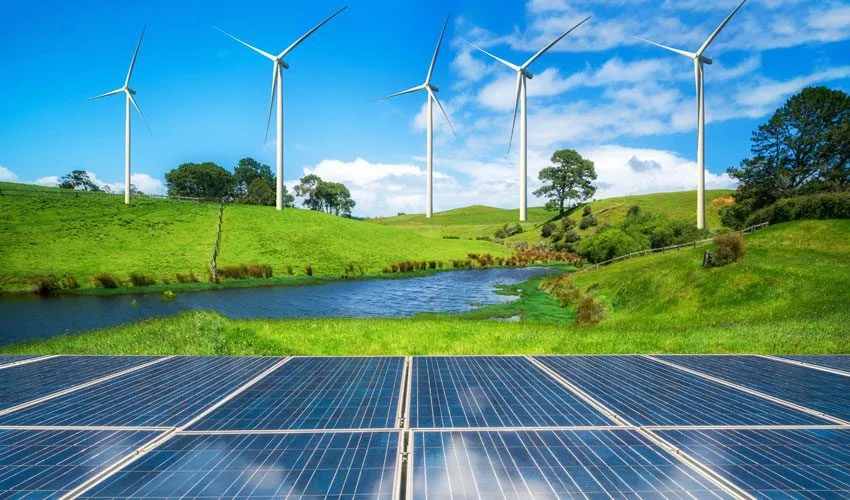
The energy industry has always relied heavily on technology to streamline operations, but the current digital ecosystem remains complex and costly. Deloitte research points out that transaction-heavy ecosystems in the sector can benefit from blockchain’s ability to simplify, secure, and decentralize processes. Blockchain technology in the energy industry introduces a distributed ledger system that records transactions securely, provides transparency, and reduces the need for intermediaries.
By adopting blockchain, energy companies can achieve greater visibility across supply chains, improve operational efficiency, and create real-time access to tamper-proof data. This is particularly valuable when multiple stakeholders are involved—ranging from energy producers and government regulators to independent service providers and end consumers. A shared blockchain network allows all participants to access consistent, accurate, and secure data, reducing disputes and strengthening trust.
Security is another major area where blockchain adds value. With decentralized data storage and strong encryption, cybercriminals face significant hurdles in attempting to manipulate or steal sensitive information. Moreover, blockchain allows energy companies to track the origin of data, enhancing credibility and reducing fraudulent or unethical activities within the market.
Perhaps most importantly, blockchain eliminates many intermediaries in energy transactions. Traditionally, electricity supply chains involve multiple third parties that drive up costs. With blockchain-enabled peer-to-peer platforms, suppliers can sell directly to consumers, reducing costs while enabling dynamic and flexible pricing models.
Blockchain also transforms regulatory compliance. Because all transactions are recorded in real time on an immutable ledger, regulators can access transparent and tamper-proof data at the source. This reduces the administrative burden of compliance and enhances trust between companies and regulators.
Finally, blockchain supports sustainable resource management by integrating smart devices and IoT sensors. Through these networks, energy companies can monitor usage, prevent leaks or losses, and optimise consumption. The shift toward globally distributed utility systems powered by blockchain promises smarter, more efficient energy management for the future.
Blockchain in Energy Trading

One of the most exciting applications of blockchain technology in the energy industry lies in energy trading. With the rise of battery storage systems and decentralized renewable energy production, individual consumers and businesses now have the ability to buy, store, and sell electricity. Blockchain enables these transactions through peer-to-peer marketplaces that allow producers to connect directly with consumers.
In such markets, consumers can purchase electricity at lower rates by choosing when to buy power, while producers benefit from competitive pricing models and broader access to customers. By removing retailers and intermediaries, blockchain reduces overhead and administrative costs while making transactions faster and more efficient.
Blockchain also facilitates billing, metering, and settlement processes, which have traditionally been handled by centralised authorities. By embedding these functions into the blockchain, energy trading becomes automated and transparent. Peer-to-peer markets even allow individuals to sell excess energy—such as solar power generated at home—to neighbors or other participants. According to a survey by Wood Mackenzie, nearly 60% of blockchain energy projects today are focused on peer-to-peer markets, underscoring the growing significance of this use case.
The result is not only a more efficient and flexible marketplace but also a democratized energy economy where consumers actively participate in trading and managing resources.
Blockchain in Oil and Gas

The oil and gas industry, with its intricate supply chains and massive transaction volumes, stands to benefit significantly from blockchain adoption. Blockchain technology in the energy industry helps oil and gas companies reduce inefficiencies, eliminate silos, and improve collaboration across multiple stakeholders involved in exploration, production, processing, and trading.
Petroleum trade, for example, involves refiners, tankers, regulators, retailers, and many other actors. Coordinating these activities often requires centralised systems that lack transparency and create delays. Blockchain replaces these legacy systems with a transparent, shared ledger that allows participants to track transactions, monitor shipments, and verify compliance in real time.
Enhanced security is another major advantage for oil and gas. Blockchain allows companies to establish private networks with selective access rights, ensuring that only authorized participants can view or modify specific data. This approach not only reduces the risk of cyberattacks but also strengthens trust among global trading partners.
For an industry that faces growing regulatory scrutiny and demands for environmental accountability, blockchain also provides a reliable way to ensure compliance. By maintaining immutable records of transactions, companies can prove adherence to environmental and safety regulations, strengthening their reputations and reducing legal risks.
Blockchain in Utilities
Utilities are another area where blockchain is making a major impact. Electricity is now generated from diverse sources, including solar panels, wind farms, hydro plants, and traditional power plants. Managing the distribution of this energy requires accurate and timely data across a wide network of participants.
Blockchain technology in the energy industry enables utilities to collect and share critical data seamlessly across their networks. Devices at the grid edge can send real-time information to blockchain systems, which store it securely and make it available to all participants. This improves coordination, prevents errors, and ensures the accuracy of energy distribution records.
Moreover, blockchain supports new business models such as dynamic pricing and real-time settlement, which can improve efficiency and customer satisfaction. For renewable energy integration, blockchain ensures that data on generation, distribution, and consumption is accurate and tamper-proof, enabling transparent green energy certification and trading.
Why the Energy Sector Must Embrace Blockchain
Interest in blockchain technology in the energy industry is rapidly accelerating. A joint report from the World Economic Forum, Stanford Woods Institute for the Environment, and PwC identified more than 65 use cases for blockchain in energy, ranging from carbon credit trading and renewable energy certification to real-time data management and new business models for energy markets.
The energy transition toward renewable sources, combined with rising regulatory pressures and consumer demand for transparency, makes blockchain an essential tool for the future. Companies that embrace blockchain today will be better equipped to handle growing complexities, secure their data, and build innovative business models.
Energy CIOs and executives recognise blockchain’s potential as both a catalyst for innovation and a solution to longstanding challenges. From enhancing security and compliance to enabling new forms of energy trading, blockchain offers tangible value that companies cannot afford to ignore.
Conclusion

Blockchain technology in the energy industry is no longer on the horizon—it is already here, reshaping the way companies manage resources, trade energy, and secure data. By improving transparency, enhancing security, removing intermediaries, and facilitating regulatory compliance, blockchain provides energy businesses with a competitive edge in an increasingly digital world.
While its adoption is still in the early stages compared to other industries, blockchain’s impact is already evident in peer-to-peer trading markets, oil and gas operations, and utility management. In the years ahead, the technology will drive further innovation, such as unified global energy trading platforms, more resilient supply chains, and seamless integration of renewable energy sources.
Progressive Robot continues to play an important role in helping energy companies integrate blockchain into their operations. By providing advanced blockchain development services and expertise, Progressive Robot empowers energy businesses to future-proof their operations and stay ahead of the curve.
The energy industry is at a critical turning point, and blockchain will be one of the defining technologies that shapes its future. Companies that embrace it today will lead the transformation of tomorrow.










