
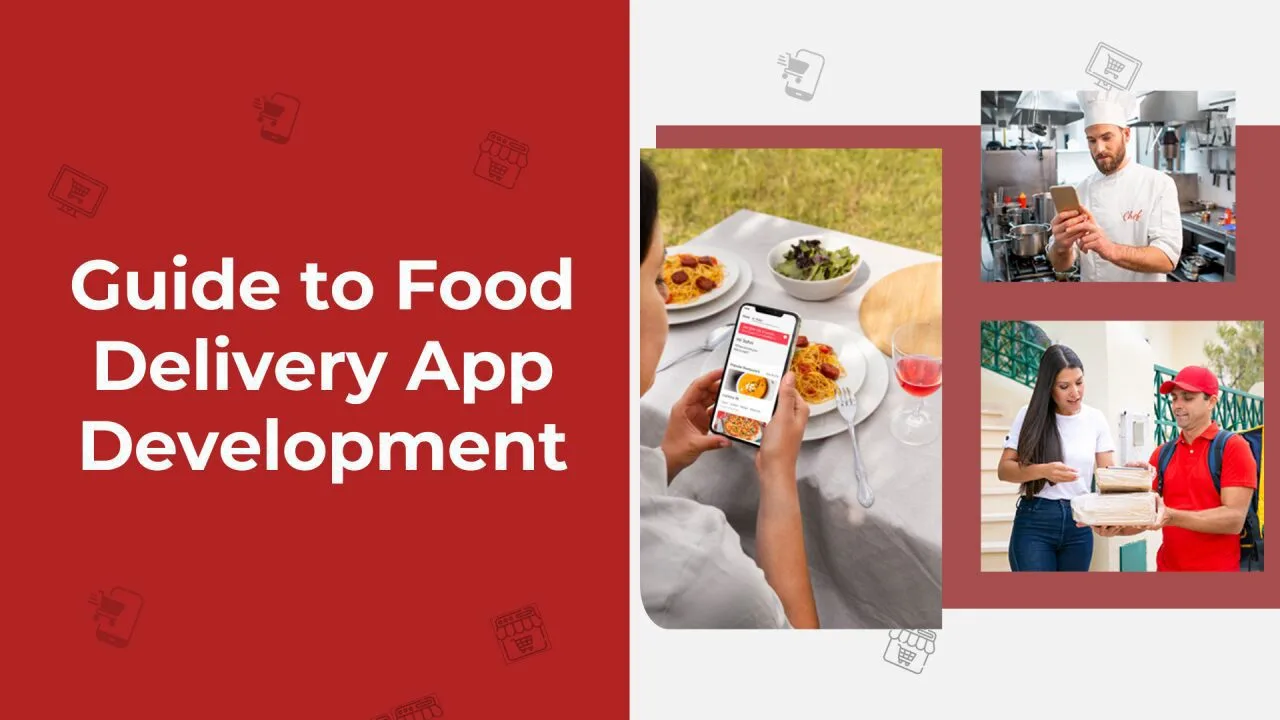
Food delivery apps have changed how people order meals, offering convenience and endless choices. For businesses, they open new revenue streams and customer engagement opportunities. If you’re planning Food Delivery App Development, this guide covers everything you need—from app types to must-have features and development steps.
The demand for food delivery apps keeps growing, making it a profitable venture. However, building a successful app requires careful planning. You must choose the right model, design an easy-to-use interface, and ensure smooth operations. Without proper execution, even great ideas can fail.
In this guide, we explore different types of food delivery apps, essential features, and the development process. Whether you’re a startup or an established business, this article helps you navigate Food Delivery App Development effectively.
Types of Food Delivery Apps
Before starting Food Delivery App Development, you must decide which model suits your business. Each type has unique benefits and revenue strategies.
Order-Only Platforms (Marketplace Model)
These apps connect users with restaurants but don’t handle delivery. Customers browse menus, compare prices, and place orders directly. Restaurants manage deliveries themselves or use third-party services. This model works best for businesses with existing delivery systems.
Order and Delivery Platforms (Logistics Support)
These apps handle everything—ordering, payment, and delivery. They partner with restaurants and hire drivers to fulfil orders. Revenue comes from delivery fees and restaurant commissions. This full-service model is popular but requires strong logistics management.
Aggregator Platforms
Aggregator apps list multiple restaurants in one place, letting users compare options. They don’t provide delivery but earn through commissions and ads. Success depends on marketing to attract both users and restaurant partners.
Full-Stack Apps (Cloud Kitchens)
Also called ghost kitchens, these apps control cooking and delivery from dedicated kitchens. They operate multiple virtual brands from one location, reducing costs. This model is scalable but requires significant investment in kitchen infrastructure.
Restaurant-Branded Apps
Large chains like Domino’s and McDonald’s use their own apps for direct orders. These apps offer loyalty programs and personalised deals, enhancing customer retention. They avoid third-party fees but require strong brand recognition.
Meal Kit Delivery Apps
These services deliver pre-portioned ingredients and recipes for home cooking. They target users who enjoy cooking but skip meal planning. Unlike traditional delivery apps, they focus on freshness and convenience.
Must-Have Features for Food Delivery App Development

A successful Food Delivery App Development project includes features for customers, restaurants, drivers, and admins. Here’s what each part needs:
Customer App Features
Users should easily browse menus, place orders, and track deliveries. Key features include secure logins, multiple payment options, real-time order tracking, and review systems. A smooth UI/UX design ensures high engagement.
Restaurant App Features
Restaurants need tools to manage orders, update menus, and adjust prices. Notifications for new orders and analytics for sales performance are also essential. This helps restaurants operate efficiently.
Driver App Features
Drivers require GPS navigation, order pickup confirmations, and delivery status updates. Real-time route optimisation saves time and improves efficiency. A rating system ensures accountability.
Admin Panel Features
Admins oversee the entire system. They need dashboards for user management, order tracking, and financial reports. This helps monitor app performance and resolve issues quickly.
Steps for Food Delivery App Development

Building a food delivery app involves several stages. Following a structured process ensures success.
Gap Analysis
First, define your app’s goals and target audience. Research competitors and identify market gaps. This helps shape a unique value proposition.
UI/UX Design
A user-friendly design is critical. Focus on intuitive navigation, attractive visuals, and fast loading times. Prototyping and testing refine the experience before development.
Frontend and Backend Development
Developers build the app’s interface (frontend) and server-side logic (backend). APIs integrate payment gateways, maps, and notifications. Scalable architecture supports future growth.
QA Testing
Thorough testing catches bugs and security flaws. Test for performance, usability, and compatibility across devices. Fixing issues before launch ensures a smooth user experience.
Launch and Maintenance
After launch, monitor app performance and user feedback. Regular updates add new features and fix bugs. Ongoing maintenance keeps the app competitive.
Custom vs. Ready-Made Solutions

Choosing between custom and off-the-shelf apps depends on your needs.
Custom Food Delivery App Development
Custom apps offer full branding control and unique features. They scale easily but take longer to build and cost more upfront. Ideal for businesses with specific requirements.
Off-the-Shelf Solutions
Ready-made apps deploy faster and cost less. However, they lack customisation and may not support unique business models. Best for startups needing quick launches.
Development Timeline
Food Delivery App Development typically takes 5-8 months:
Planning & Research: 2-4 weeks
UI/UX Design: 4-6 weeks
Development: 12-20 weeks
Testing: 4-6 weeks
Final Thoughts
Food Delivery App Development is complex but rewarding. Choosing the right model, features, and development approach ensures success. A well-built app attracts users, retains restaurants, and boosts revenue.
Progressive Robot specializes in Food Delivery App Development, offering end-to-end solutions. Our expertise helps businesses launch high-performing apps quickly. Contact us today to turn your idea into reality!
By following this guide, you can create a food delivery app that meets market demands and exceeds user expectations. Start planning today and enter the booming food delivery industry with confidence.










