

Cost of downtime is one of the clearest ways to explain why reliability, cybersecurity, disaster recovery, monitoring, and operational maturity deserve budget. When systems fail, the bill is not limited to lost sales. It can include idle employees, overtime, refunds, SLA credits, support surges, regulatory exposure, delayed shipments, reputational damage, and lost confidence.
The challenge is that many organizations discuss uptime in technical terms while executives approve investment in financial terms. A stronger cost of downtime model translates outage scenarios into revenue at risk, operating cost, customer impact, and risk-adjusted return.
For companies improving cloud computing, DevOps services, cyber security, business process automation, and IT consulting, cost of downtime analysis turns resilience from a vague fear into a practical business case.
| ROI question | Calculation input | Decision it supports |
|---|---|---|
| What stops during an outage? | critical services and business flows | investment priority |
| How much value is lost per hour? | revenue, productivity, recovery labor | downtime baseline |
| Which losses are indirect? | churn, credits, penalties, reputation | risk adjustment |
| What does prevention cost? | tooling, architecture, process, training | ROI comparison |
| How will leaders track progress? | incidents, recovery time, avoided losses | value realization |
Cost of downtime at a glance

Cost of downtime is the total financial impact created when a service, workflow, facility, or digital product is unavailable or degraded. It should include direct losses that are easy to see and indirect losses that appear after the incident.
A useful formula is:
Downtime cost = lost gross profit + idle labor + recovery labor + penalties + customer impact + risk adjustment.
The exact model should match the business. An ecommerce outage may emphasize checkout revenue and refund volume. A healthcare outage may emphasize clinical workflow disruption and compliance duties. A manufacturer may focus on halted production, delayed shipments, and overtime. A SaaS provider may track SLA credits, support load, churn risk, and renewals.
The AWS Well-Architected Reliability Pillar connects reliability to resilient architecture, change management, and proven recovery. The Azure Well-Architected reliability guidance emphasizes business requirements, reliability targets, redundancy, monitoring, recovery, and testing. Those practices become easier to fund when the cost of downtime is visible.
Step 1: define the outage scope and critical services

Start by defining what counts as downtime. A total platform outage is obvious, but partial degradation can still damage the business. Customers may be unable to log in, submit payments, book appointments, complete support requests, scan warehouse items, or view real-time inventory even when the homepage is still available.
Map critical services to business flows. For each flow, identify the user group, system dependencies, peak hours, revenue linkage, compliance obligations, support impact, and recovery owner. This prevents the cost of downtime model from treating every server as equally important.
Separate customer-facing, employee-facing, and partner-facing interruptions. A failed customer checkout path has a different financial profile than an internal reporting delay. A vendor API outage may not stop the whole business, but it can delay fulfillment or create manual reconciliation work.
The result should be a ranked list of services and scenarios. Leaders need to see which outages justify high-availability architecture, which need better monitoring, which can tolerate slower recovery, and where cost of downtime exposure is highest.
Step 2: calculate direct revenue loss

Direct revenue loss is the simplest part of the cost of downtime calculation, but it still needs discipline. Use gross profit where possible, not only top-line revenue, because ROI should compare margin impact against investment.
A practical starting point is:
Lost gross profit = average revenue per hour × gross margin × affected transaction share × outage hours.
If the outage happens during a peak season or daily demand spike, use a peak-hour baseline instead of an annual average. A one-hour payment outage on a quiet morning is not the same as a one-hour outage during a product launch, tax deadline, holiday sale, or payroll run.
Also account for recoverable revenue. Some customers will return later. Others will switch to a competitor, cancel a subscription, abandon a cart, call support, or demand concessions. The model should distinguish deferred revenue from permanently lost revenue.
This direct loss estimate becomes the anchor for downtime ROI. It gives finance, operations, and technology leaders a shared cost of downtime baseline before indirect costs are added.
Step 3: add productivity and recovery labor

Employee productivity loss can exceed visible revenue loss, especially in service businesses, healthcare operations, logistics, finance, and internal platforms. When systems are unavailable, employees may wait, rekey data, use spreadsheets, call other departments, or repeat work after recovery.
Calculate idle labor with a simple model:
Idle labor cost = affected employees × loaded hourly rate × productivity loss percentage × outage hours.
Then add recovery labor. Engineers, support teams, operations managers, security analysts, compliance staff, and external vendors may work overtime to restore service, validate data, communicate with customers, and close post-incident tasks.
Do not ignore context switching. A major incident interrupts roadmap work, delays planned releases, and consumes management attention. These costs are harder to measure, but they are real. Include a reasonable recovery multiplier when the business routinely loses planned work after incidents.
A mature cost of downtime model separates immediate idle time from follow-up labor. That distinction helps leaders see why better automation, observability, runbooks, backups, and incident response can generate ROI even when revenue loss is modest.
Step 4: include customer churn, SLA credits, and brand damage

Some outage costs arrive after systems recover. Customers may submit complaints, request refunds, leave negative reviews, miss deadlines, escalate to account teams, or reconsider renewals. Enterprise customers may claim SLA credits or invoke contract remedies.
Model customer impact in tiers. Small incidents may create support volume and goodwill credits. Moderate incidents may increase churn risk for affected accounts. Severe incidents may create renewal pressure, public relations work, legal review, and executive outreach.
A practical formula is:
Customer impact = affected accounts × expected value at risk × probability of loss.
For SaaS, use annual recurring revenue, expansion potential, and support cost. For ecommerce, use customer lifetime value and repeat purchase probability. For regulated industries, consider notification duties, audit effort, and customer trust.
Brand damage should not be invented to make a business case look larger. Use conservative assumptions, document them, and revisit them after real incidents. The purpose of cost of downtime analysis is credibility, not fear-based budgeting.
Step 5: quantify compliance, security, and data exposure risk
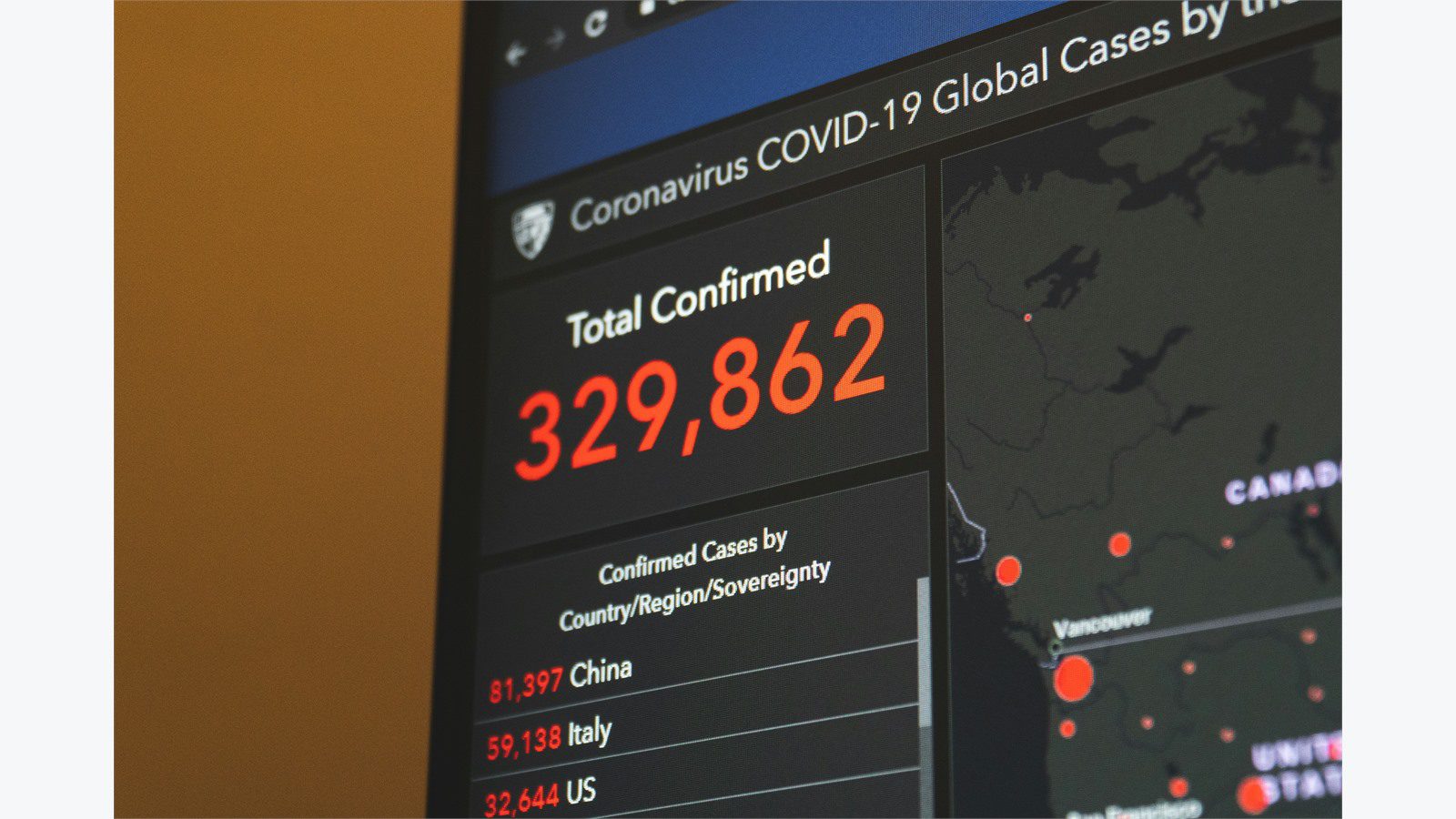
Downtime and security often overlap. A ransomware event, identity outage, data corruption issue, or failed change can create availability disruption and risk exposure at the same time. The NIST contingency planning guidance highlights contingency planning, resilience, incident response, disaster recovery, and risk assessment as connected disciplines.
Compliance impact depends on industry. Healthcare, finance, public sector, education, and critical infrastructure organizations may face documentation duties, audit findings, legal review, or contractual penalties after prolonged disruption. Even when no fine occurs, investigation and reporting work can be expensive.
Security-related downtime also has containment costs. Teams may isolate systems, rotate credentials, restore from clean backups, verify logs, notify stakeholders, and bring in external specialists. The IBM Cost of a Data Breach report notes that preparation, crisis simulations, backups, and faster containment are part of improving resilience.
Add a risk-adjusted line item rather than treating every outage as a breach. Estimate probability, exposure, and response cost by scenario. This keeps the cost of downtime model realistic while still capturing risks that basic revenue math misses.
Step 6: model RTO, RPO, and downtime scenarios

ROI depends on scenario planning. Recovery time objective defines how quickly a service should return. Recovery point objective defines how much data loss is acceptable. Together, RTO and RPO shape architecture choices, backup design, replication, staffing, and testing.
Build at least three downtime scenarios:
- Minor degradation: one feature, one dependency, or one team workflow is impaired.
- Major outage: a critical customer or employee journey is unavailable.
- Severe disruption: a region, vendor, security event, or data issue requires extended recovery.
For each scenario, estimate duration, affected users, affected revenue, labor impact, customer impact, compliance exposure, and recovery complexity. Then calculate expected annual loss:
Expected annual downtime loss = scenario cost × estimated yearly frequency.
This approach prevents overbuilding for every workload. A low-frequency, low-impact scenario may not justify expensive redundancy. A frequent, high-impact outage may justify automation, monitoring, architectural redesign, and stronger support coverage.
Step 7: compare prevention options and ownership costs

Once leaders understand the cost of downtime, compare realistic prevention and recovery options. Examples include multi-zone deployment, managed database failover, immutable backups, monitoring, incident tooling, endpoint protection, network redundancy, runbook automation, load testing, and staff training.
Calculate total cost of ownership for each option. Include subscription fees, cloud consumption, implementation labor, migration effort, training, operational maintenance, vendor support, and testing. A tool that looks inexpensive can become costly if it requires manual care or specialized expertise.
Also compare value beyond avoided outages. Better observability can reduce incident duration and improve customer support. Safer deployment pipelines can reduce failed releases. Backup testing can reduce cyber recovery risk. Automation can lower manual toil.
The strongest cost of downtime business cases compare options by risk reduction per dollar. Leaders should see which investments reduce the biggest losses first and which are nice-to-have improvements.
Step 8: calculate ROI, payback, and risk-adjusted value

The core ROI formula is simple:
Downtime ROI = (expected annual loss avoided – annual solution cost) ÷ annual solution cost × 100.
If an availability investment costs $120,000 per year and is expected to avoid $300,000 in annual downtime loss, the first-year ROI is 150%. Payback is the time required for avoided losses to cover the investment.
Use ranges instead of false precision. A conservative case, expected case, and severe case help executives understand uncertainty. If the investment only works under an extreme assumption, it may be weak. If it works under conservative assumptions, it deserves serious attention.
Risk-adjusted value matters because prevention does not guarantee every outage disappears. A new design may reduce incident frequency, shorten recovery, or limit blast radius. Estimate the percentage reduction and apply it honestly.
Cost of downtime analysis is most useful when finance validates the baseline. Ask finance to review revenue, margin, labor rates, churn assumptions, and discount rates. Shared ownership makes the ROI model harder to dismiss.
Step 9: build a downtime cost dashboard leaders trust
A one-time spreadsheet helps secure budget. A dashboard helps sustain improvement. Track incidents, affected services, duration, customer impact, recovery effort, root causes, avoided recurrence, and lessons learned.
Connect technical metrics to financial outcomes. Mean time to detect, mean time to restore, failed deployment rate, backup restore success, alert quality, and incident frequency should roll up to estimated downtime dollars. That link turns reliability into an operating metric.
The dashboard should also track investment performance. If a new monitoring platform reduces detection time, show the resulting cost of downtime reduction. If deployment automation prevents failed releases, show avoided labor and customer disruption. If backup drills expose weak recovery steps, track remediation.
Keep the dashboard simple enough for executives and detailed enough for operators. Leaders need trends and ROI. Teams need root causes, owners, due dates, and runbook updates. Both views should come from the same source of truth.
Cost of downtime FAQ

What is the cost of downtime?
Cost of downtime is the total financial impact of a service interruption or degradation. It includes lost gross profit, idle labor, recovery labor, SLA credits, customer churn risk, compliance effort, reputational impact, and risk-adjusted exposure.
How do you calculate downtime cost per hour?
Start with revenue or gross profit per hour, then add affected employee labor, recovery labor, penalties, customer concessions, and scenario-specific risk. For better accuracy, use peak-hour demand and affected transaction share instead of a simple annual average.
What is a good downtime ROI formula?
A practical formula is: ROI = (expected annual downtime loss avoided – annual solution cost) ÷ annual solution cost × 100. Use conservative, expected, and severe scenarios so leaders can compare investment value under uncertainty.
Should downtime calculations use revenue or profit?
Use gross profit when comparing ROI because profit is closer to economic impact. Revenue can still be useful for customer-facing reporting, but investment decisions should account for margins, recoverable sales, and operating costs.
How often should a downtime cost model be updated?
Update the model after major incidents, system launches, pricing changes, staffing changes, acquisitions, compliance changes, or cloud architecture changes. At minimum, review assumptions quarterly with finance, operations, security, and technology leaders.
What investments usually reduce downtime cost fastest?
Common high-return investments include better monitoring, tested backups, incident runbooks, safer deployments, redundancy for critical paths, dependency mapping, security hardening, and recovery drills. The right sequence depends on the services with the highest cost of downtime.
Cost of downtime modeling gives leaders a practical way to compare outage risk against reliability investments. It replaces vague uptime anxiety with measurable business exposure, defensible assumptions, and clear ROI.
If your organization needs a finance-ready uptime roadmap, contact Progressive Robot to calculate downtime ROI and prioritize reliability, cybersecurity, cloud resilience, and recovery improvements.