
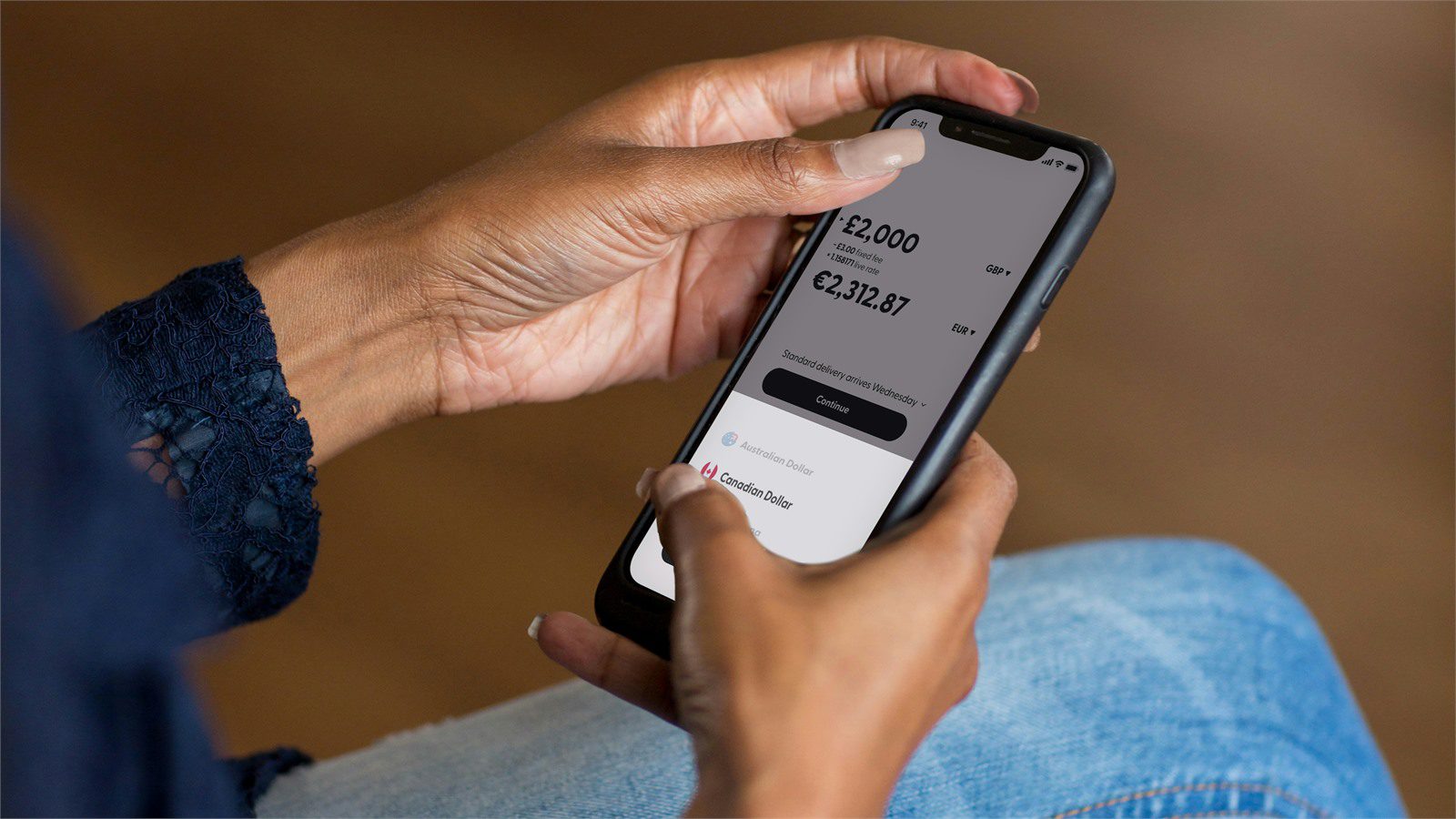
FinTech security protocols are the controls that keep digital banking apps trustworthy when money, identity, and customer confidence are all moving through software. A modern banking app is no longer only a login screen and a balance page. It is a mobile interface, API platform, payment rail, fraud target, customer support channel, analytics source, and regulated financial workflow in one product.
That complexity raises the standard for security. Attackers do not need to break every layer. They can phish credentials, abuse recovery flows, automate credential stuffing, exploit weak APIs, compromise devices, manipulate transactions, attack vendors, or wait for a misconfigured cloud service. FinTech security protocols give teams a disciplined way to reduce those paths before the app reaches scale.
This guide explains the practical protocols digital banking teams should design into mobile apps, web portals, APIs, and back-end services. It is not legal or regulatory advice, but it can help product, engineering, security, and compliance teams align around implementation. Progressive Robot can connect this work with fintech, software development, cybersecurity, data protection, and DevOps services.
| Security layer | What it protects | Practical control goal |
|---|---|---|
| Identity | account access, recovery, sessions | stop account takeover and phishing |
| Device and app | mobile runtime, tampering, rooted devices | reduce client-side manipulation |
| APIs | account data, transfers, entitlements | enforce object and function authorization |
| Data | credentials, tokens, payment data, PII | encrypt, tokenize, minimize, and retain safely |
| Operations | alerts, incidents, vendors, releases | detect abuse and recover quickly |
FinTech security protocols at a glance

FinTech security protocols should be designed as a layered system, not a single product feature. Authentication blocks one class of attacks. Authorization blocks another. API controls, device checks, encryption, monitoring, and incident response each cover different failure modes. Digital banking security works when those controls reinforce one another.
The business goal is not only preventing breaches. It is protecting customers while keeping payments, deposits, transfers, onboarding, card controls, lending workflows, and support interactions available. A banking app that is secure but unusable will drive customers to weaker channels. A banking app that is convenient but weak will invite fraud and regulatory scrutiny.
Good teams define security requirements before sprint planning. They document data flows, threat models, abuse cases, authentication policies, API boundaries, rate limits, alert rules, and recovery procedures. FinTech security protocols become much easier to implement when they are treated as product requirements instead of late security review comments.
Use external references carefully. The NIST Cybersecurity Framework helps organizations manage cybersecurity risk across governance, identification, protection, detection, response, and recovery. The OWASP API Security Top 10 highlights common API failure modes such as broken object-level authorization, broken authentication, unrestricted resource consumption, and unsafe consumption of third-party APIs. Both are useful lenses for digital banking apps.
Protocol 1: phishing-resistant authentication and account recovery

Authentication is the front door of digital banking, but passwords alone are no longer enough. Customers reuse passwords, malware steals credentials, phishing pages mimic login screens, and bots test leaked username-password pairs at scale. FinTech security protocols should assume that some credentials will be exposed and design the app so exposure does not automatically become account takeover.
Start with strong multifactor authentication, risk-based step-up checks, and session controls. High-risk actions such as adding a payee, changing contact information, increasing transfer limits, initiating a large payment, or enrolling a new device should require more confidence than checking a balance. Passkeys and FIDO-style authentication can reduce phishing risk because the credential is bound to the legitimate domain and device.
Account recovery deserves the same attention as login. Attackers often bypass strong authentication by exploiting weak password reset, SIM-swap-prone SMS, call center workflows, or outdated email addresses. Recovery flows should verify device history, customer behavior, identity evidence, recent account changes, and fraud signals before restoring access.
FinTech security protocols should also limit session abuse. Use short-lived access tokens, refresh-token rotation, device binding where appropriate, inactivity timeouts, secure logout, and anomaly detection for impossible travel or unusual device fingerprints. Customers should see active devices and receive clear alerts when access changes.
Protocol 2: device trust and mobile app integrity

Digital banking apps run on devices the bank does not control. Some are updated and protected. Others are rooted, jailbroken, infected with malware, running screen overlays, or sharing data with risky apps. FinTech security protocols should treat the mobile client as an important signal, but never as the only trusted enforcement layer.
App integrity controls can detect tampering, debugging, repackaging, emulator abuse, hooked functions, and known malware indicators. They can also verify app version, operating system patch level, device binding, and whether the app was installed through an approved channel. These checks help decide when to allow access, step up authentication, reduce limits, or block sensitive actions.
Do not place secrets, business rules, or final authorization decisions only inside the app. Attackers can inspect mobile code, modify traffic, or automate client behavior. The server must still validate every request, entitlement, object access, amount, destination, and state transition.
The best device model is risk based. A new device may be allowed to view limited information after strong authentication but require extra verification for transfers. A high-risk device may need a safer recovery path. FinTech security protocols should avoid both extremes: blindly trusting the phone or blocking legitimate customers without a path to resolution.
Protocol 3: API authorization and secure banking data access

Digital banking apps are API products. Every balance view, transaction search, card freeze, address change, transfer, statement download, and support message depends on APIs. That is why API authorization is one of the highest-value FinTech security protocols.
Broken object-level authorization is especially dangerous in banking. If an endpoint accepts an account ID, card ID, document ID, or transaction ID from the client, the server must confirm that the authenticated user is allowed to access that object. It is not enough to hide IDs in the interface. Authorization belongs in every function that reads or changes data.
Function-level authorization is just as important. A retail customer, small-business user, treasury operator, staff member, support agent, and administrator should not be able to call the same operations. Back-office tools should not share loose permissions with customer APIs. Open banking endpoints should have strict consent, scope, and revocation models.
FinTech security protocols should include API inventory, version management, schema validation, rate limiting, authorization tests, and automated abuse detection. Deprecated APIs, debug endpoints, undocumented partner routes, and inconsistent permission logic are common sources of risk. Treat every API as a product with an owner, lifecycle, and security test suite.
Protocol 4: encryption, tokenization, and payment data minimization

Financial apps handle sensitive data: names, addresses, account numbers, payment cards, tokens, transaction history, device identifiers, credit decisions, and support records. FinTech security protocols should protect this data in transit, at rest, in logs, in backups, in analytics, and in development environments.
Use strong transport encryption and certificate validation for app-to-server communication. Encrypt sensitive data at rest with managed keys, rotation procedures, access separation, and clear ownership. Tokenize payment data where possible so internal systems can complete workflows without spreading raw account or card values into every service.
Data minimization matters because every unnecessary copy becomes another liability. Avoid placing sensitive account details in URLs, push notifications, crash reports, analytics events, data lakes, screenshots, or customer support transcripts unless the business need is clear and the system is approved for that data. Mask data by default and reveal only when the user’s role and workflow require it.
Payment teams should also consider PCI obligations. The PCI Security Standards Council explains that PCI standards protect payment data throughout the payment lifecycle, including PCI DSS for environments that store, process, or transmit payment account data and secure software standards for payment software. FinTech security protocols should align payment architecture with those expectations early.
Protocol 5: transaction risk scoring and fraud controls

A banking app can have strong login security and still lose money through authorized-looking fraud. Social engineering, mule accounts, push payment scams, session hijacking, device takeover, synthetic identities, and business email compromise can all produce transactions that look technically valid. FinTech security protocols need fraud controls inside the transaction path.
Risk scoring should evaluate who is acting, what device is being used, where the session originated, which account is involved, whether the payee is new, how the amount compares with history, whether velocity is unusual, and whether recent profile changes increased risk. A risky transaction may need step-up verification, a cooling-off period, manual review, lower limits, or customer confirmation.
Fraud controls should be explainable enough for operations teams. If analysts cannot understand why a transaction was flagged, they will either ignore alerts or slow legitimate customers. The model should show signals, reason codes, and recommended actions. It should also be tested for false positives, customer impact, and drift.
FinTech security protocols should include limits for sensitive flows: new payee creation, account-to-account transfers, wire initiation, card provisioning, loan disbursement, and password recovery. Controls should adapt to the customer relationship, account age, device history, and risk context rather than relying on static dollar thresholds alone.
Protocol 6: secure coding, DevSecOps, and release gates

Digital banking security depends on how software is built. A one-time penetration test cannot compensate for weak development practices. FinTech security protocols should be embedded into the software delivery lifecycle, from architecture review to deployment monitoring.
Start with secure coding standards, threat modeling, peer review, dependency scanning, secret scanning, static analysis, dynamic testing, API tests, mobile security tests, and infrastructure policy checks. High-risk changes should trigger deeper review: authentication logic, authorization rules, transfer workflows, encryption, payment integrations, admin tools, and logging pipelines.
Release gates should be practical and risk based. Block known critical vulnerabilities, exposed secrets, unreviewed permission changes, missing audit events, risky dependency updates, or infrastructure drift in sensitive environments. Lower-risk issues can enter a tracked backlog, but ownership and deadlines should be explicit.
FinTech security protocols should also protect the pipeline itself. Limit who can approve production releases, protect signing keys, require code provenance, monitor build systems, and separate duties for sensitive changes. A compromised CI/CD pipeline can become a direct route into a banking app.
Protocol 7: cloud infrastructure, secrets, and environment isolation

Many digital banking apps run on cloud-native infrastructure, but cloud security is not automatic. FinTech security protocols should define how workloads are segmented, how secrets are managed, how network paths are controlled, how backups are protected, and how privileged access is reviewed.
Separate development, testing, staging, and production environments. Use least-privilege identity for services, engineers, pipelines, and vendors. Store secrets in managed vaults, rotate them, and prevent them from appearing in repositories, logs, chat tools, or support tickets. Apply infrastructure as code so changes are reviewed and repeatable.
Network design should limit blast radius. Customer-facing APIs, admin tools, payment connectors, databases, analytics systems, and third-party integrations should not all sit in one flat trust zone. Use segmentation, private connectivity, egress controls, web application protections, and service-to-service authentication.
Backups and disaster recovery belong in this protocol too. Ransomware, cloud outages, database corruption, or deployment failures can become customer trust events. FinTech security protocols should include tested restore procedures, immutable backups where appropriate, clear recovery objectives, and tabletop exercises for app outages and fraudulent transaction surges.
Protocol 8: monitoring, incident response, and customer communication
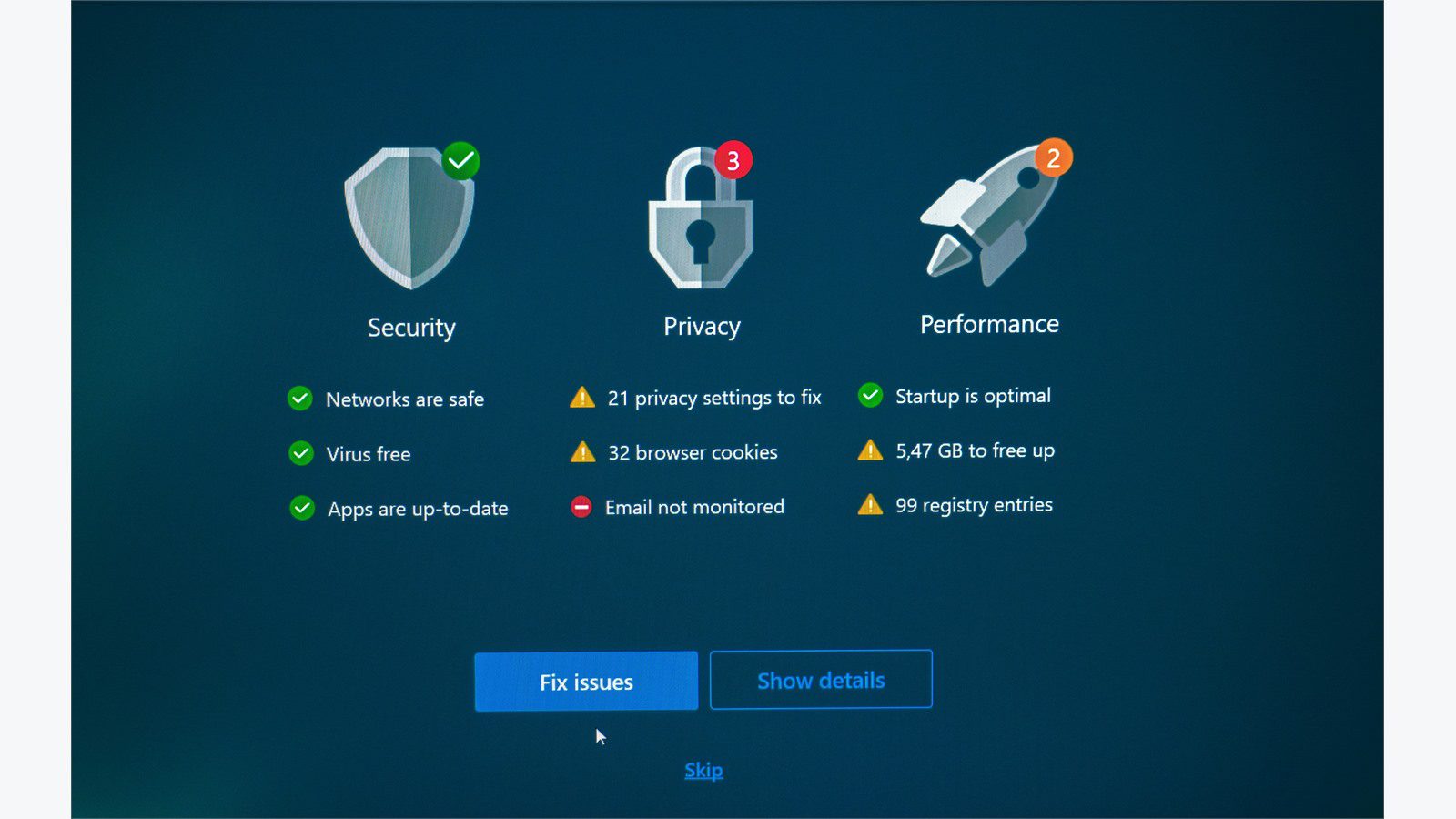
Detection is the layer that turns security design into operational resilience. FinTech security protocols should define what the bank monitors, which alerts matter, who responds, and how the organization communicates with customers when something goes wrong.
Monitor authentication failures, new-device enrollment, payee changes, transfer velocity, unusual API access, privilege escalation, admin activity, configuration changes, build pipeline events, data exports, third-party failures, and anomalous support actions. Logs should be tamper resistant, time synchronized, retained according to policy, and searchable during investigations.
Incident response should distinguish between technical incidents and customer-impacting financial events. A credential stuffing attack, mobile malware campaign, exposed API, vendor breach, or suspicious transfer pattern may require different containment, customer notifications, legal review, regulator communication, and product changes.
Customer communication should be prepared before an incident. Customers need clear alerts, safe links, guidance on what to do, and easy ways to report suspicious activity. FinTech security protocols should avoid vague messages that train users to click blindly. Security communication is part of the product experience.
Protocol 9: compliance, vendors, and governance evidence

Regulated financial apps need evidence, not only intentions. FinTech security protocols should produce documentation that shows how the organization manages risk: threat models, control mappings, vendor reviews, test results, incident records, access reviews, data retention rules, and release approvals.
Vendor governance matters because digital banking apps rarely stand alone. Identity providers, cloud platforms, core banking systems, fraud tools, analytics services, messaging vendors, payment processors, open banking aggregators, support platforms, and AI services can all touch sensitive workflows. Each vendor should have a data classification, security review, contract owner, incident reporting path, and exit plan.
Governance should also cover product changes. New features such as instant payments, account aggregation, card provisioning, AI chat support, embedded lending, or biometric login can change the risk model. Security and compliance teams should review these features before launch rather than after customer adoption creates pressure to keep them unchanged.
The strongest FinTech security protocols make audits easier because evidence is generated by normal work. Pull requests, test pipelines, access reviews, vendor inventories, monitoring dashboards, and incident systems should tell a consistent story about how the app is secured and improved over time.
FinTech security protocols FAQ

What are FinTech security protocols?
FinTech security protocols are the technical, operational, and governance controls that protect digital financial products from unauthorized access, fraud, data exposure, API abuse, vendor failures, and service disruption.
Which protocol should digital banking teams implement first?
Start with authentication, account recovery, and API authorization. These controls directly protect account access and customer data. Then strengthen fraud monitoring, encryption, mobile app integrity, DevSecOps, and incident response.
Are passwords still acceptable for banking apps?
Passwords may still exist in some workflows, but they should not be the only defense. Digital banking apps should use multifactor authentication, risk-based step-up checks, session controls, and phishing-resistant options such as passkeys where practical.
How do APIs become risky in banking apps?
APIs become risky when they miss object-level authorization, expose excessive data, lack rate limits, use weak authentication, keep deprecated endpoints online, or trust third-party inputs without validation. Banking APIs need continuous testing and inventory management.
How often should FinTech security protocols be reviewed?
Review them after major releases, new vendors, new payment flows, regulatory changes, incidents, architecture changes, and at regular intervals. Digital banking risk changes too quickly for a yearly checklist alone.
Do small fintech teams need the same controls as banks?
Small teams may implement controls differently, but they still need strong authentication, secure APIs, encryption, fraud monitoring, secure delivery, vendor oversight, and incident response. Attackers do not ignore smaller apps if they can move money or steal identity data.
FinTech security protocols are not a one-time certification exercise. They are the operating system for trusted digital banking. Build them into the product roadmap, automate the evidence, test the controls, and keep refining the app as threats, regulations, and customer behavior change.
If your team is building or modernizing a digital banking app, contact Progressive Robot to plan secure fintech software that can scale without turning security into a bottleneck.