

The question of low earth orbit satellite networking enterprise backup is moving from remote-site curiosity to enterprise continuity planning because cloud applications, payment systems, VoIP, monitoring, and field operations now depend on always-available internet access.
Low-earth-orbit constellations promise lower latency than older satellite services, wider reach than many rural fixed networks, and a backup path that can survive some local fibre or carrier failures. The enterprise question is whether that promise is mature enough to act as primary failover when the main WAN path is down.
This guide explains how low earth orbit satellite networking enterprise backup should be assessed by CIOs, infrastructure teams, security leaders, procurement owners, and business continuity planners before they treat space-based internet as a dependable recovery layer.
Table of contents
- Why LEO satellite mesh is back on the enterprise agenda
- Primary failover is different from primary access
- SD-WAN is the enterprise control point
- A good pilot is narrow and measurable
- Frequently asked questions

Why LEO satellite mesh is back on the enterprise agenda
Low earth orbit satellite networking enterprise backup should be evaluated where fibre outages, cloud dependence, hybrid work, rural operations, and geopolitical risk have made connectivity resilience a board-level issue. In that context, LEO constellations promise lower latency and broader coverage than older satellite options. The better question is not whether space-based internet sounds modern; it is whether the complete access path protects the work that matters during a real outage.
The enterprise risk is practical: buyers can mistake improved satellite access for automatic enterprise-grade continuity. Network leaders should compare LEO satellite mesh against fibre, Ethernet, 5G, SD-WAN, and existing backup services using measured workflows, not isolated speed tests.
What satellite mesh networking really means
Low earth orbit satellite networking enterprise backup should be evaluated where traffic can move through constellations, ground gateways, provider backbones, local terminals, and enterprise SD-WAN edges. In that context, the mesh is not only the satellites; it is the complete path from the branch LAN to the application. The better question is not whether space-based internet sounds modern; it is whether the complete access path protects the work that matters during a real outage.
The enterprise risk is practical: a weak handoff between provider network and enterprise policy can erase the benefit of the space segment. Network leaders should compare LEO satellite mesh against fibre, Ethernet, 5G, SD-WAN, and existing backup services using measured workflows, not isolated speed tests.
Primary failover is different from primary access
Low earth orbit satellite networking enterprise backup should be evaluated where many sites need satellite as the first recovery path when terrestrial circuits fail. In that context, that is a stronger claim than saying every office should run day-to-day traffic over space-based internet. The better question is not whether space-based internet sounds modern; it is whether the complete access path protects the work that matters during a real outage.
The enterprise risk is practical: primary access expectations create pressure around uptime, support, latency, and user experience that backup links may not satisfy. Network leaders should compare LEO satellite mesh against fibre, Ethernet, 5G, SD-WAN, and existing backup services using measured workflows, not isolated speed tests. This is where Low earth orbit satellite networking enterprise backup becomes a service design question rather than a simple broadband replacement.
LEO changes the satellite comparison
Low earth orbit satellite networking enterprise backup should be evaluated where traditional geostationary satellite links often carry higher latency and different capacity assumptions. In that context, LEO services reduce round-trip delay and make cloud application backup more plausible. The better question is not whether space-based internet sounds modern; it is whether the complete access path protects the work that matters during a real outage.
The enterprise risk is practical: lower latency is still not the same as a guaranteed enterprise SLA across every route and weather condition. Network leaders should compare LEO satellite mesh against fibre, Ethernet, 5G, SD-WAN, and existing backup services using measured workflows, not isolated speed tests.
SD-WAN is the enterprise control point
Low earth orbit satellite networking enterprise backup should be evaluated where satellite terminals should not sit outside the normal routing and policy model. In that context, SD-WAN can steer critical SaaS, voice, payments, and operations traffic over the right link during an incident. The better question is not whether space-based internet sounds modern; it is whether the complete access path protects the work that matters during a real outage.
The enterprise risk is practical: a satellite link without policy control becomes another unmanaged circuit that no one can trust under pressure. Network leaders should compare LEO satellite mesh against fibre, Ethernet, 5G, SD-WAN, and existing backup services using measured workflows, not isolated speed tests.
Application classes decide what can fail over
Low earth orbit satellite networking enterprise backup should be evaluated where not every enterprise workload needs the same latency, jitter, throughput, or session behavior. In that context, email, collaboration chat, payment authorization, monitoring, and remote support may survive on different policies. The better question is not whether space-based internet sounds modern; it is whether the complete access path protects the work that matters during a real outage.
The enterprise risk is practical: the wrong assumption can push video, backups, and low-priority sync over the only emergency path. Network leaders should compare LEO satellite mesh against fibre, Ethernet, 5G, SD-WAN, and existing backup services using measured workflows, not isolated speed tests. This is where Low earth orbit satellite networking enterprise backup becomes a service design question rather than a simple broadband replacement.
Latency is better, but still needs evidence
Low earth orbit satellite networking enterprise backup should be evaluated where LEO performance can be good enough for many cloud workflows. In that context, network teams should measure voice, video, VDI, SaaS login, DNS, VPN, and file transfer behavior in their own sites. The better question is not whether space-based internet sounds modern; it is whether the complete access path protects the work that matters during a real outage.
The enterprise risk is practical: marketing latency numbers do not prove the route will satisfy a specific business process. Network leaders should compare LEO satellite mesh against fibre, Ethernet, 5G, SD-WAN, and existing backup services using measured workflows, not isolated speed tests.
Weather and obstruction are design constraints
Low earth orbit satellite networking enterprise backup should be evaluated where terminals need clear sky view, resilient mounting, suitable cable runs, and protection from local environmental conditions. In that context, pilot surveys should include rain, snow, wind, tree growth, roof access, and neighboring structures. The better question is not whether space-based internet sounds modern; it is whether the complete access path protects the work that matters during a real outage.
The enterprise risk is practical: the backup path can fail at the same moment it is needed if installation quality is treated as cosmetic. Network leaders should compare LEO satellite mesh against fibre, Ethernet, 5G, SD-WAN, and existing backup services using measured workflows, not isolated speed tests.
Power resilience matters as much as the link
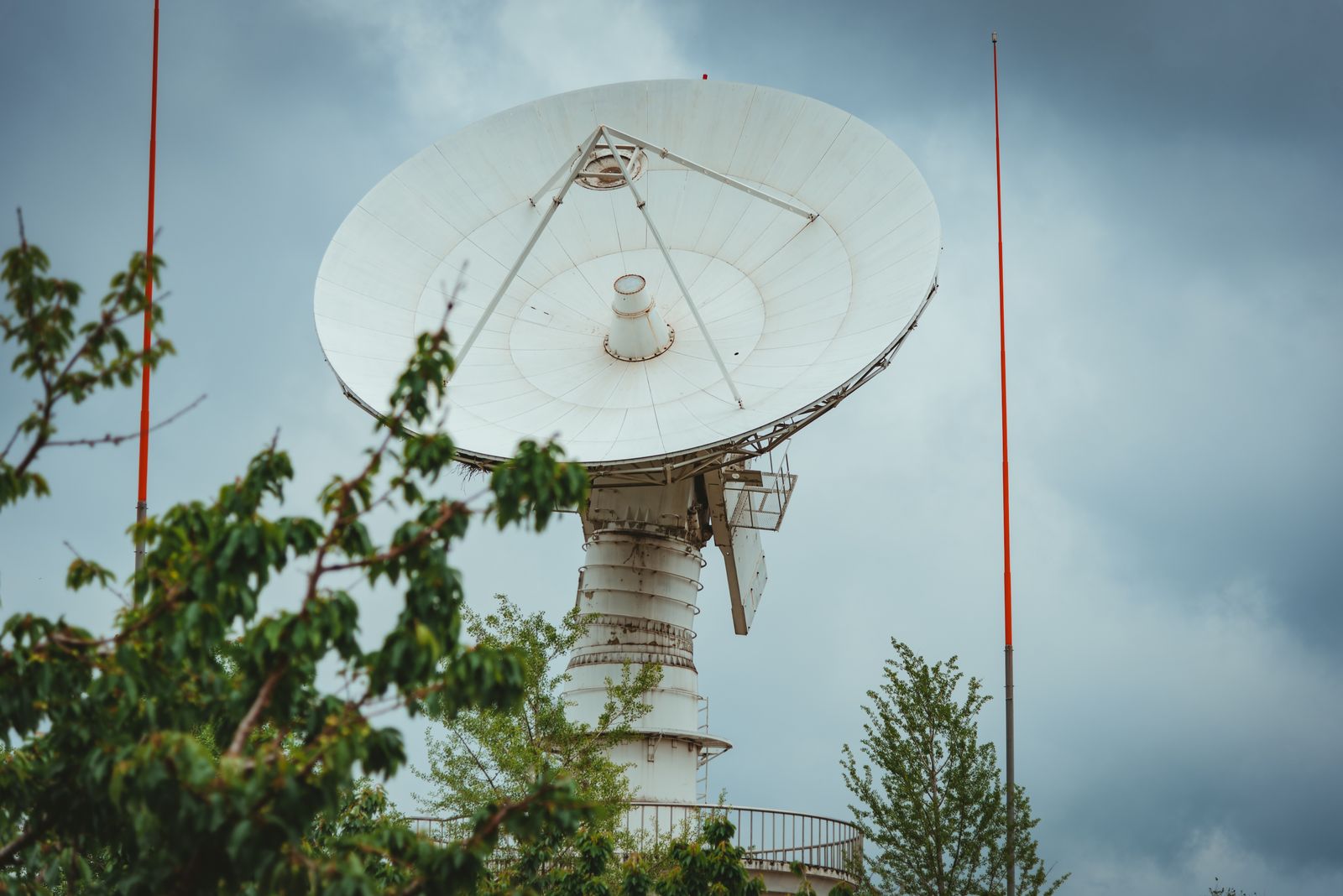
Low earth orbit satellite networking enterprise backup should be evaluated where satellite terminals, firewalls, switches, Wi-Fi, PoE gear, and business systems all need power during an outage. In that context, UPS sizing and generator policy should be part of the connectivity design. The better question is not whether space-based internet sounds modern; it is whether the complete access path protects the work that matters during a real outage.
The enterprise risk is practical: a working satellite dish cannot keep operations running if the edge network loses power first. Network leaders should compare LEO satellite mesh against fibre, Ethernet, 5G, SD-WAN, and existing backup services using measured workflows, not isolated speed tests. This is where Low earth orbit satellite networking enterprise backup becomes a service design question rather than a simple broadband replacement.
Security controls must travel with the failover path
Low earth orbit satellite networking enterprise backup should be evaluated where satellite access should inherit segmentation, firewall inspection, DNS controls, identity policy, logging, and endpoint posture. In that context, the backup path should not become a shortcut around normal enterprise defenses. The better question is not whether space-based internet sounds modern; it is whether the complete access path protects the work that matters during a real outage.
The enterprise risk is practical: attackers and misconfigurations exploit emergency exceptions when teams only test connectivity. Network leaders should compare LEO satellite mesh against fibre, Ethernet, 5G, SD-WAN, and existing backup services using measured workflows, not isolated speed tests.
Encryption and provider boundaries deserve scrutiny
Low earth orbit satellite networking enterprise backup should be evaluated where enterprise traffic may traverse provider infrastructure, gateways, inter-satellite paths, and internet exits. In that context, buyers should understand encryption, private connectivity options, routing visibility, lawful-access boundaries, and logging evidence. The better question is not whether space-based internet sounds modern; it is whether the complete access path protects the work that matters during a real outage.
The enterprise risk is practical: space-based access does not remove the need to protect data and administrative channels. Network leaders should compare LEO satellite mesh against fibre, Ethernet, 5G, SD-WAN, and existing backup services using measured workflows, not isolated speed tests.
Resilience depends on independence
Low earth orbit satellite networking enterprise backup should be evaluated where backup value comes from independence from the outage that broke the primary path. In that context, LEO satellite can diversify away from local fibre cuts, street works, rural exchange faults, and some carrier failures. The better question is not whether space-based internet sounds modern; it is whether the complete access path protects the work that matters during a real outage.
The enterprise risk is practical: it may not help if power, DNS, identity, firewall, or cloud dependencies are the real single points of failure. Network leaders should compare LEO satellite mesh against fibre, Ethernet, 5G, SD-WAN, and existing backup services using measured workflows, not isolated speed tests. This is where Low earth orbit satellite networking enterprise backup becomes a service design question rather than a simple broadband replacement.
The ground segment is still terrestrial infrastructure
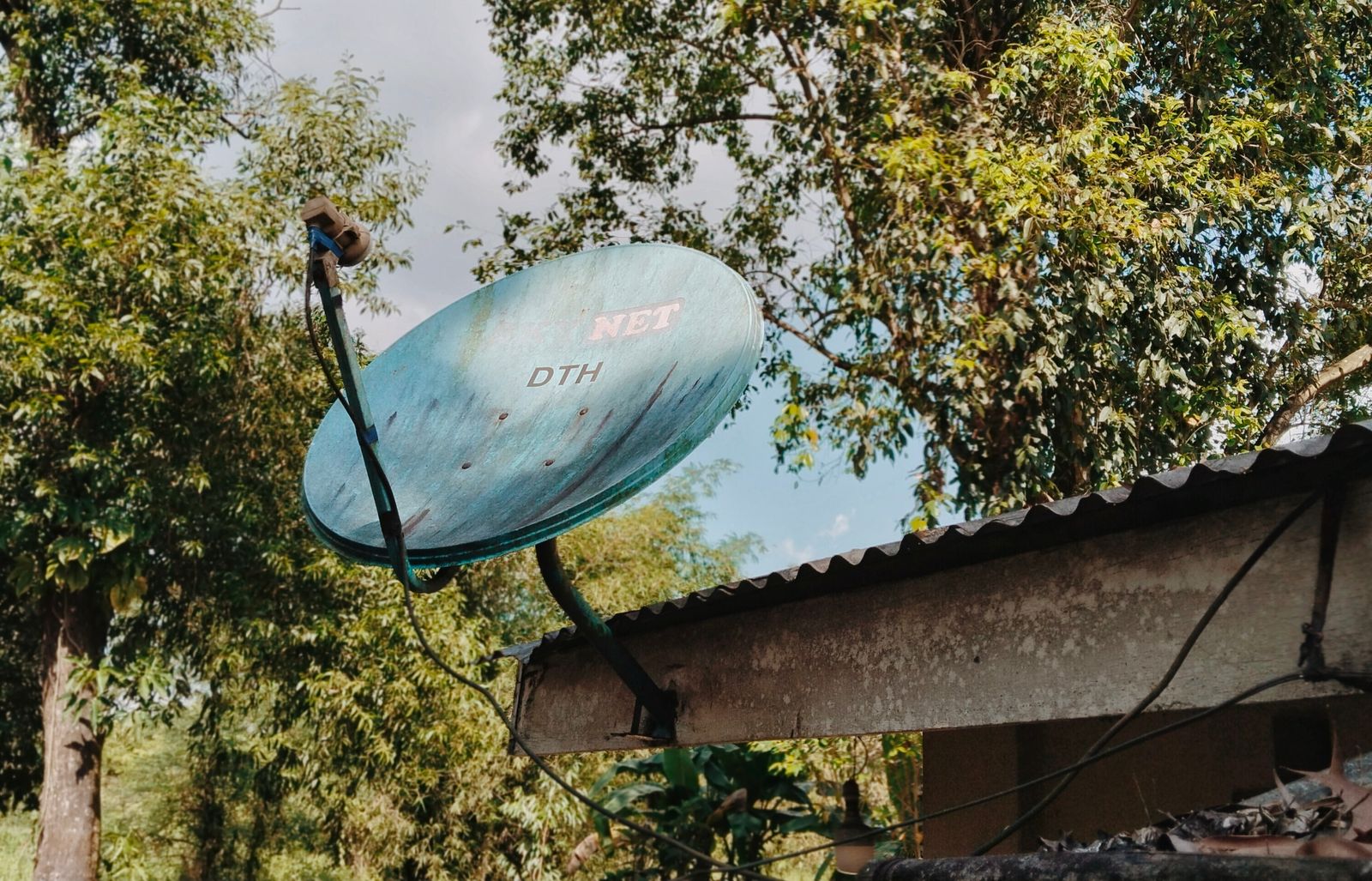
Low earth orbit satellite networking enterprise backup should be evaluated where satellite traffic eventually touches gateways, provider networks, peering points, and cloud routes. In that context, enterprise architects should ask where traffic exits, how congestion is managed, and what regional dependencies exist. The better question is not whether space-based internet sounds modern; it is whether the complete access path protects the work that matters during a real outage.
The enterprise risk is practical: calling the service space-based can hide the terrestrial weak points that still shape availability. Network leaders should compare LEO satellite mesh against fibre, Ethernet, 5G, SD-WAN, and existing backup services using measured workflows, not isolated speed tests.
Capacity planning prevents failover disappointment
Low earth orbit satellite networking enterprise backup should be evaluated where backup circuits are often undersized because they are rarely used in normal operations. In that context, teams should decide which users, VLANs, applications, and sites receive priority during satellite failover. The better question is not whether space-based internet sounds modern; it is whether the complete access path protects the work that matters during a real outage.
The enterprise risk is practical: a link that works in a test can collapse when every endpoint tries to resume normal traffic. Network leaders should compare LEO satellite mesh against fibre, Ethernet, 5G, SD-WAN, and existing backup services using measured workflows, not isolated speed tests.
Cost should be modeled per protected workflow
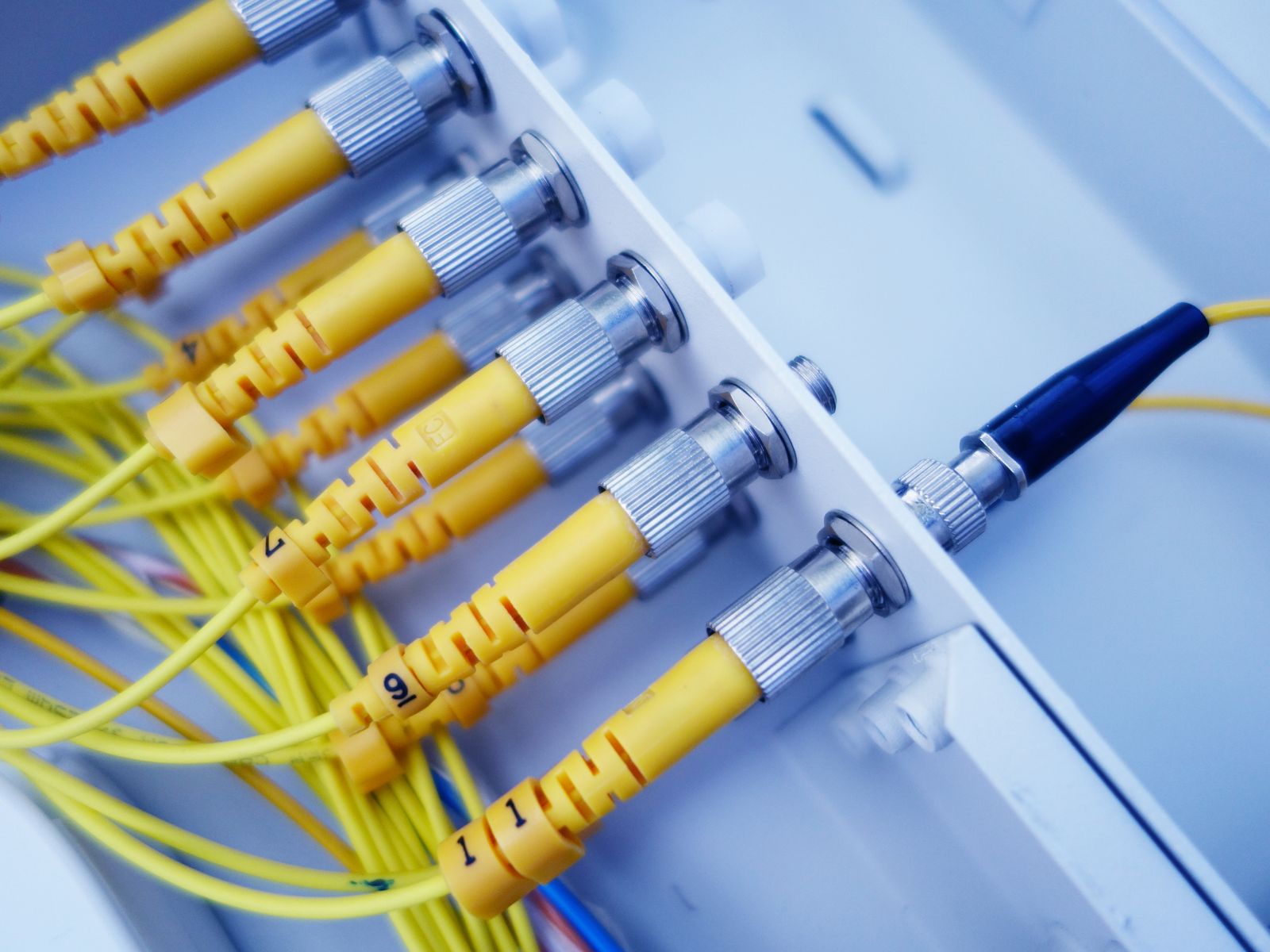
Low earth orbit satellite networking enterprise backup should be evaluated where hardware, installation, subscription, service tier, traffic policy, monitoring, support, and power all affect economics. In that context, the right comparison is the cost of protected revenue, safety, operations, or compliance, not only monthly bandwidth. The better question is not whether space-based internet sounds modern; it is whether the complete access path protects the work that matters during a real outage.
The enterprise risk is practical: satellite backup looks expensive when measured like broadband and cheap when compared with avoidable outage loss. Network leaders should compare LEO satellite mesh against fibre, Ethernet, 5G, SD-WAN, and existing backup services using measured workflows, not isolated speed tests. This is where Low earth orbit satellite networking enterprise backup becomes a service design question rather than a simple broadband replacement.
Operations teams need normal runbooks
Low earth orbit satellite networking enterprise backup should be evaluated where support staff must know when satellite is active, which traffic is limited, who owns the terminal, and how to escalate provider faults. In that context, monitoring should expose link health, latency, packet loss, obstruction warnings, failover events, and policy decisions. The better question is not whether space-based internet sounds modern; it is whether the complete access path protects the work that matters during a real outage.
The enterprise risk is practical: novel connectivity fails operationally when it is visible only during a crisis. Network leaders should compare LEO satellite mesh against fibre, Ethernet, 5G, SD-WAN, and existing backup services using measured workflows, not isolated speed tests.
Monitoring has to prove the standby link
Low earth orbit satellite networking enterprise backup should be evaluated where a backup link can silently fail for weeks if no one tests it. In that context, synthetic probes, forced failover drills, provider status checks, and SD-WAN telemetry should run continuously. The better question is not whether space-based internet sounds modern; it is whether the complete access path protects the work that matters during a real outage.
The enterprise risk is practical: leadership needs evidence that backup connectivity exists today, not only a contract that says it was installed. Network leaders should compare LEO satellite mesh against fibre, Ethernet, 5G, SD-WAN, and existing backup services using measured workflows, not isolated speed tests.
Voice and video need careful policy
Low earth orbit satellite networking enterprise backup should be evaluated where collaboration tools are often the first thing users notice during an outage. In that context, traffic shaping can preserve emergency meetings, support calls, and dispatch communication while limiting background sync. The better question is not whether space-based internet sounds modern; it is whether the complete access path protects the work that matters during a real outage.
The enterprise risk is practical: a failover design that allows every video stream can burn capacity before critical work starts. Network leaders should compare LEO satellite mesh against fibre, Ethernet, 5G, SD-WAN, and existing backup services using measured workflows, not isolated speed tests. This is where Low earth orbit satellite networking enterprise backup becomes a service design question rather than a simple broadband replacement.
Branch and remote sites are the clearest fit
Low earth orbit satellite networking enterprise backup should be evaluated where rural offices, depots, farms, construction sites, energy assets, logistics hubs, and care locations often have limited terrestrial options. In that context, LEO satellite mesh can give those sites a realistic secondary WAN path. The better question is not whether space-based internet sounds modern; it is whether the complete access path protects the work that matters during a real outage.
The enterprise risk is practical: the business case is strongest where downtime blocks revenue, safety, field operations, or customer service. Network leaders should compare LEO satellite mesh against fibre, Ethernet, 5G, SD-WAN, and existing backup services using measured workflows, not isolated speed tests.
Urban offices still need a harder justification
Low earth orbit satellite networking enterprise backup should be evaluated where metro sites usually have more fibre, Ethernet, and 5G alternatives. In that context, satellite may still help where carrier diversity is weak or roof rights are easier than new circuits. The better question is not whether space-based internet sounds modern; it is whether the complete access path protects the work that matters during a real outage.
The enterprise risk is practical: using satellite as primary backup in a city should be justified by measured diversity rather than novelty. Network leaders should compare LEO satellite mesh against fibre, Ethernet, 5G, SD-WAN, and existing backup services using measured workflows, not isolated speed tests.
Temporary and mobile locations change the equation
Low earth orbit satellite networking enterprise backup should be evaluated where construction, events, disaster recovery rooms, pop-up retail, and field projects need connectivity before fixed circuits arrive. In that context, satellite can be the primary service during setup and then become backup later. The better question is not whether space-based internet sounds modern; it is whether the complete access path protects the work that matters during a real outage.
The enterprise risk is practical: temporary success should not be confused with permanent enterprise readiness until support and security are formalized. Network leaders should compare LEO satellite mesh against fibre, Ethernet, 5G, SD-WAN, and existing backup services using measured workflows, not isolated speed tests. This is where Low earth orbit satellite networking enterprise backup becomes a service design question rather than a simple broadband replacement.
Procurement should ask enterprise-grade questions
Low earth orbit satellite networking enterprise backup should be evaluated where buyers need clarity on service tiers, contention, support hours, hardware replacement, installation ownership, data caps, priority, and termination terms. In that context, legal teams should review availability commitments, change notices, privacy, and acceptable-use boundaries. The better question is not whether space-based internet sounds modern; it is whether the complete access path protects the work that matters during a real outage.
The enterprise risk is practical: consumer-style ordering can leave enterprises without the evidence or escalation path they need. Network leaders should compare LEO satellite mesh against fibre, Ethernet, 5G, SD-WAN, and existing backup services using measured workflows, not isolated speed tests.
Provider diversity is not automatic
Low earth orbit satellite networking enterprise backup should be evaluated where two links can share hidden dependencies such as power, building entry, DNS, firewall, cloud authentication, or upstream internet routing. In that context, architects should map dependencies before claiming true diversity. The better question is not whether space-based internet sounds modern; it is whether the complete access path protects the work that matters during a real outage.
The enterprise risk is practical: satellite helps most when it removes a real correlated failure rather than adding a second logo to a diagram. Network leaders should compare LEO satellite mesh against fibre, Ethernet, 5G, SD-WAN, and existing backup services using measured workflows, not isolated speed tests.
Testing should be uncomfortable on purpose
Low earth orbit satellite networking enterprise backup should be evaluated where good failover tests disable the primary path, run actual workflows, and measure user impact. In that context, teams should test business hours, low-light operations, weather variation, provider incidents, and recovery back to primary. The better question is not whether space-based internet sounds modern; it is whether the complete access path protects the work that matters during a real outage.
The enterprise risk is practical: gentle tests prove almost nothing about how the business will behave under pressure. Network leaders should compare LEO satellite mesh against fibre, Ethernet, 5G, SD-WAN, and existing backup services using measured workflows, not isolated speed tests. This is where Low earth orbit satellite networking enterprise backup becomes a service design question rather than a simple broadband replacement.
Compliance teams need evidence, not assumptions
Low earth orbit satellite networking enterprise backup should be evaluated where regulated businesses may need proof of continuity, access control, logging, change management, and supplier risk review. In that context, satellite failover can support those controls when the operating model is documented. The better question is not whether space-based internet sounds modern; it is whether the complete access path protects the work that matters during a real outage.
The enterprise risk is practical: auditors will still ask whether the backup path was tested and whether controls applied during the test. Network leaders should compare LEO satellite mesh against fibre, Ethernet, 5G, SD-WAN, and existing backup services using measured workflows, not isolated speed tests.
Data path and sovereignty questions still apply
Low earth orbit satellite networking enterprise backup should be evaluated where satellite connectivity can move traffic through provider locations that differ from the office site. In that context, enterprises should understand routing, peering, logging, support access, and regional policy implications. The better question is not whether space-based internet sounds modern; it is whether the complete access path protects the work that matters during a real outage.
The enterprise risk is practical: a backup link can accidentally change the legal or risk context of sensitive traffic. Network leaders should compare LEO satellite mesh against fibre, Ethernet, 5G, SD-WAN, and existing backup services using measured workflows, not isolated speed tests.
Inter-satellite links may improve resilience
Low earth orbit satellite networking enterprise backup should be evaluated where newer LEO architectures can use optical or radio inter-satellite links to move traffic inside the constellation. In that context, that can reduce dependence on nearby gateways for some routes and improve reach. The better question is not whether space-based internet sounds modern; it is whether the complete access path protects the work that matters during a real outage.
The enterprise risk is practical: enterprise buyers still need product-level evidence because constellation capability varies by provider, region, and service tier. Network leaders should compare LEO satellite mesh against fibre, Ethernet, 5G, SD-WAN, and existing backup services using measured workflows, not isolated speed tests. This is where Low earth orbit satellite networking enterprise backup becomes a service design question rather than a simple broadband replacement.
A good pilot is narrow and measurable
Low earth orbit satellite networking enterprise backup should be evaluated where one branch, depot, temporary site, or continuity-sensitive office can produce useful evidence quickly. In that context, the pilot should compare normal circuit failure, satellite failover, application experience, cost, support, and recovery. The better question is not whether space-based internet sounds modern; it is whether the complete access path protects the work that matters during a real outage.
The enterprise risk is practical: a broad rollout before measurement can turn a backup strategy into a fleet of unmanaged terminals. Network leaders should compare LEO satellite mesh against fibre, Ethernet, 5G, SD-WAN, and existing backup services using measured workflows, not isolated speed tests.
What an enterprise readiness assessment should deliver
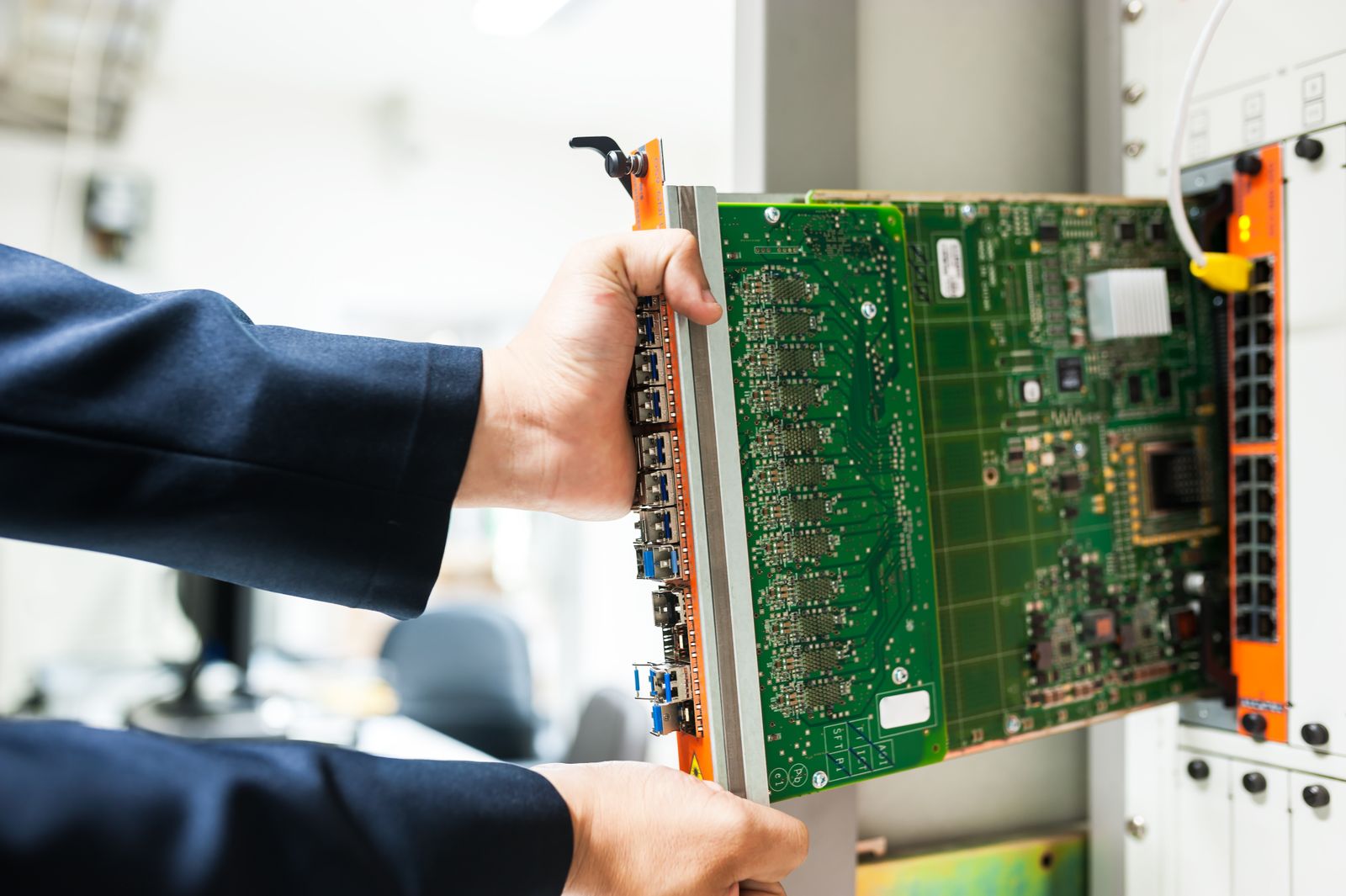
Low earth orbit satellite networking enterprise backup should be evaluated where executives need a practical decision on where satellite belongs in the WAN roadmap. In that context, deliverables should include site shortlist, obstruction survey, SD-WAN design, security model, cost case, test plan, and support runbook. The better question is not whether space-based internet sounds modern; it is whether the complete access path protects the work that matters during a real outage.
The enterprise risk is practical: without clear outputs, the topic stays stuck between carrier marketing and internal caution. Network leaders should compare LEO satellite mesh against fibre, Ethernet, 5G, SD-WAN, and existing backup services using measured workflows, not isolated speed tests.
The realistic verdict for enterprise failover
Low earth orbit satellite networking enterprise backup should be evaluated where LEO satellite mesh is ready to be taken seriously for enterprise backup and selected primary use cases. In that context, it is not ready to replace all terrestrial WAN resilience planning across every site. The better question is not whether space-based internet sounds modern; it is whether the complete access path protects the work that matters during a real outage.
The enterprise risk is practical: the mature answer is hybrid connectivity with measured satellite backup, disciplined SD-WAN policy, and tested operational evidence. Network leaders should compare LEO satellite mesh against fibre, Ethernet, 5G, SD-WAN, and existing backup services using measured workflows, not isolated speed tests. This is where Low earth orbit satellite networking enterprise backup becomes a service design question rather than a simple broadband replacement.
Frequently asked questions about LEO satellite mesh failover
What is low earth orbit satellite networking enterprise backup?
Low earth orbit satellite networking enterprise backup is the enterprise design problem of using low-earth-orbit satellite services, provider mesh capacity, SD-WAN policy, and backup WAN controls to keep critical work online when terrestrial links fail.
Can LEO satellite replace enterprise fibre?
Usually no. Low earth orbit satellite networking enterprise backup should treat fibre, Ethernet, and 5G as part of the same resilience model, with LEO satellite mesh acting as a strong backup or selected primary path where terrestrial options are weak.
Where is LEO satellite failover most useful?
It is most useful for rural branches, depots, construction sites, logistics yards, utilities, farms, care locations, and temporary offices where terrestrial circuit diversity is limited or slow to install.
What is the biggest enterprise risk?
The biggest risk in Low earth orbit satellite networking enterprise backup is assuming the link alone solves continuity. Power, terminal placement, SD-WAN policy, security controls, monitoring, support, and application prioritization decide whether failover works.
How should a company test low earth orbit satellite networking enterprise backup?
A company should test low earth orbit satellite networking enterprise backup by forcing real circuit failure at one selected site, running critical workflows, measuring latency and packet loss, reviewing tickets, and documenting rollback to the primary link.
Is satellite mesh secure enough for enterprise backup?
It can be, but only when it inherits the same firewall, segmentation, encryption, identity, logging, and monitoring controls as the primary WAN. The backup path should never be a security exception path.
References and further reading
Starlink business service overview
Eutelsat OneWeb low earth orbit connectivity
Amazon Project Kuiper overview
FCC satellite space station licensing information
ITU overview of LEO, MEO, and GEO satellite constellations
Progressive Robot Satellite-as-a-Service
Progressive Robot IT consulting services










