

Confidential computing implementation hardware enclaves matters because encryption at rest and encryption in transit do not protect data while cloud processors are actively working on it.
Multi-tenant cloud environments make that gap more visible. Sensitive workloads now run beside other tenants, managed services, administrators, observability agents, and automation tools that may be outside the data owner’s direct control.
Secure enclaves address that gap by using hardware-backed isolation, memory encryption, measured startup, and remote attestation. The goal is not a magic black box. The goal is a defensible operating model for protecting data in use.
Table of contents
- Why data in use changes cloud security
- Architecture decisions for secure enclaves
- Implementation steps for multi-tenant cloud
- Operations, governance, and risk controls
- Frequently asked questions

Why data in use changes cloud security
A practical confidential computing implementation hardware enclaves program starts with a simple threat model. The organization wants to reduce exposure while code is running, not only when files sit in storage or packets cross the network.
Traditional cloud security assumes the host, hypervisor, operating system, and administrative plane are trusted enough to see workload memory. Confidential computing reduces that assumption by placing sensitive execution inside a measured boundary.
The multi-tenant cloud risk model
Cloud tenancy creates shared physical resources, shared control planes, and shared operational dependency. A tenant may trust the provider contractually, but still need technical assurance that administrators, neighboring workloads, or compromised agents cannot read sensitive memory.
That is where confidential computing implementation hardware enclaves becomes useful. It gives architects a hardware-backed way to narrow what the platform can inspect and a verification path before workloads receive secrets.
What a secure enclave protects
A secure enclave protects selected code and data while it runs. Depending on the platform, the protected boundary may surround a process, a virtual machine, a container workload, or a specialized execution environment attached to a parent instance.
Successful confidential computing implementation hardware enclaves does not assume every workload belongs inside an enclave. It identifies the smallest useful execution boundary for regulated data, cryptographic keys, proprietary models, or sensitive calculations.
What enclaves do not solve
Secure enclaves do not fix vulnerable application code, weak identity, poor key rotation, poisoned input, insecure APIs, or broken authorization. They also do not remove the need for network segmentation, logging, patching, and incident response.
A grounded confidential computing implementation hardware enclaves plan treats enclaves as one layer. The platform should still expect application bugs, dependency risk, configuration mistakes, and operational failure.
Architecture decisions for secure enclaves
Architecture starts with platform choice. Teams need to compare virtual machine isolation, process-level trusted execution, container-friendly confidential nodes, and hardware security modules that support key custody and attestation workflows.
The strongest confidential computing implementation hardware enclaves architectures connect these choices to business risk. A payment workload, healthcare analytics job, or model inference service may each need a different enclave pattern.
Compare enclave platforms by operating model
AWS Nitro Enclaves, Azure confidential computing options, Google Cloud Confidential Computing, Intel SGX, AMD SEV-SNP, and Arm TrustZone solve related problems with different boundaries, developer models, and attestation flows.
Teams evaluating confidential computing implementation hardware enclaves should compare deployment friction, performance overhead, memory limits, attestation evidence, cloud integration, incident visibility, and whether the workload needs virtual machine or process isolation.
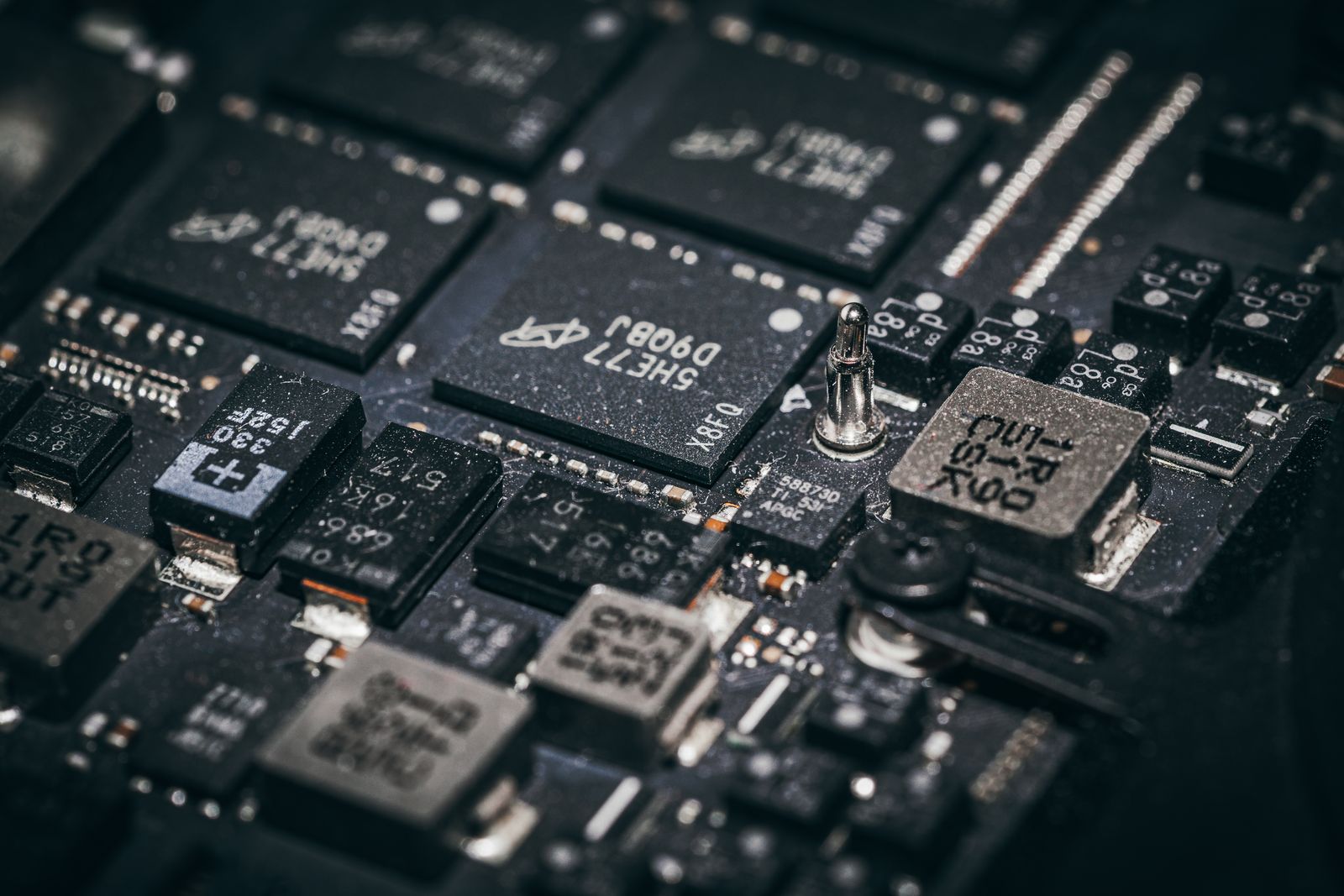
Virtual machine enclavesGood for lift-and-shift databases, analytics services, and packaged workloads that need stronger host isolation.
Process enclavesUseful when a narrow code path must protect keys, cryptographic operations, or sensitive calculations.
Container patternsPractical when platform teams need Kubernetes workflows with measured images and policy-controlled secrets.
Hardware security modulesImportant for high-assurance key custody that sits beside enclave workloads and verifies attestation.
Remote attestation is the trust gate
Remote attestation is the mechanism that proves a workload is running in an expected protected environment. A verifier checks measurements, signed claims, firmware state, image identity, and policy before it releases secrets or permits a transaction.
Without attestation, confidential computing implementation hardware enclaves becomes a weaker promise. The system might encrypt memory, but the business cannot prove that the right code ran on the right platform under the right policy.
Key release should be policy controlled
Secrets should not be placed in images, scripts, or general instance metadata. A key release service should evaluate attestation evidence, tenant identity, workload identity, risk tier, environment, and approval state before releasing a key.
Policy-controlled key release is central to confidential computing implementation hardware enclaves. It creates the practical link between hardware evidence and the sensitive data the workload is allowed to process.

Measured images need disciplined builds
Enclave measurements depend on what actually runs. Teams need reproducible builds, signed artifacts, pinned dependencies, approved base images, and a release process that records which measurement maps to which business workload.
Build discipline keeps confidential computing implementation hardware enclaves from collapsing into exception handling. If every image produces a surprise measurement, operators will weaken attestation rules just to keep deployments moving.
Memory boundaries must match the data flow
The protected boundary should include the code that touches plaintext and exclude components that do not need it. Data should enter the enclave encrypted, be processed inside the boundary, and leave only as approved output.
This design keeps confidential computing implementation hardware enclaves focused. Teams should not place an entire sprawling application inside an enclave when a narrow service can process the sensitive field, token, model feature, or cryptographic operation.
Implementation steps for multi-tenant cloud
Start with a workload inventory. Rank applications by sensitivity, tenant exposure, regulatory pressure, data-in-use risk, operational complexity, and whether the workload can tolerate the platform’s performance and debugging tradeoffs.
The first confidential computing implementation hardware enclaves rollout should be narrow enough to test evidence, deployment, observability, and incident response. A controlled analytics job is usually a better first target than a large distributed production system.

Networking still matters
Enclaves usually need a controlled path to receive encrypted input, request attestation, reach key services, and return approved results. Network design should minimize exposure and make every external dependency explicit.
Network-aware confidential computing implementation hardware enclaves prevents the protected workload from becoming a mystery island. The team still needs routing rules, service identity, private connectivity, and egress controls.
Tenant isolation must be explicit
Multi-tenant systems should avoid mixing tenant secrets, tenant measurements, tenant logs, and tenant policy inside the same operational bucket. Each tenant boundary needs its own access rules and evidence trail.
Tenant-aware confidential computing implementation hardware enclaves is especially important for SaaS providers. They need to show that one customer’s encrypted processing path cannot silently inherit another customer’s key, policy, or debug data.
Kubernetes changes the control points
Kubernetes teams should treat confidential nodes, admission control, image signing, runtime classes, secret delivery, and workload identity as one control plane. The scheduler should know which workloads require protected hardware.
Kubernetes-based confidential computing implementation hardware enclaves also needs strong separation between cluster administrators and sensitive plaintext. Cluster convenience should not become a shortcut around attestation and key release.
Databases need careful fit analysis
Databases are attractive confidential computing candidates because they handle valuable data in use. They are also complex because query engines, caches, extensions, backups, replication, and observability may all touch sensitive state.
A database-focused confidential computing implementation hardware enclaves pilot should begin with a limited workload, explicit query patterns, measured performance, backup design, and a clear plan for operations teams that cannot inspect memory directly.
Analytics and AI workloads have special pressure
Analytics, machine learning inference, and cross-organization data collaboration often need data to be used without broadly exposing it. Enclaves can support cleaner collaboration when the computation, model, and data access are all measured.
For AI and analytics, confidential computing implementation hardware enclaves should define which party owns the model, which party owns the data, what output can leave the enclave, and how training or inference evidence is retained.
Performance must be measured early
Memory encryption, attestation, narrower debug paths, and platform constraints can affect latency, throughput, startup time, and operational support. The cost is usually manageable only when it is measured against a real workload.
Performance-aware confidential computing implementation hardware enclaves tests representative data size, concurrency, peak load, failover, key-release latency, and cold-start behavior before teams commit to a full platform migration.
Observability needs privacy by design
Operators still need health, audit, and incident evidence, but logs should not leak the plaintext that enclaves are meant to protect. Metrics should distinguish platform health from sensitive data content.
Privacy-aware observability is a hard part of confidential computing implementation hardware enclaves. Teams need enough signal to investigate failure without turning logs, traces, crash dumps, or screenshots into a new exposure path.
recheck measurements after image, firmware, host, and policy changes
centralize key release decisions and rotate tenant-scoped secrets
apply platform guidance, scheduling controls, and workload minimization
log evidence without leaking plaintext or sensitive enclave state
Operations, governance, and risk controls
Operational governance should cover ownership, approved platforms, enclave measurements, firmware baselines, key policies, tenant exceptions, emergency access, incident playbooks, and evidence retention.
A mature confidential computing implementation hardware enclaves program makes enclave decisions visible to security, platform, application, compliance, and risk teams. It should not live only inside one infrastructure team’s scripts.
Patching changes attestation evidence
Patching firmware, images, dependencies, and runtime components can change measurements. Teams need a release process that anticipates measurement changes and updates attestation policies without unsafe shortcuts.
Patch-aware confidential computing implementation hardware enclaves keeps security maintenance from becoming a production emergency. The policy workflow should distinguish expected approved changes from suspicious drift.
Side-channel risk deserves honest treatment
Hardware enclaves reduce many risks, but side channels, shared-resource leakage, microarchitectural issues, and misconfiguration remain part of the threat model. Vendor guidance and platform updates matter.
Responsible confidential computing implementation hardware enclaves documents residual risk. It may use dedicated hosts, workload minimization, patched platforms, scheduling controls, and compensating controls for especially sensitive tenants.
Incident response needs enclave-specific playbooks
When a confidential workload fails, responders need to know how to collect evidence without breaking confidentiality. They also need a way to revoke keys, quarantine workloads, rotate measurements, and notify affected tenants.
Incident-ready confidential computing implementation hardware enclaves defines what evidence can be collected, who may approve emergency access, when tenant keys are rotated, and how attestation failures are communicated.
The cost model includes people and process
The platform bill is only part of the cost. Teams also pay for engineering effort, attestation services, policy management, performance testing, key governance, build discipline, and support training.
A realistic confidential computing implementation hardware enclaves business case compares those costs against reduced data exposure, stronger customer assurance, regulated-workload enablement, and better control over privileged cloud access.
Data classification decides where enclaves belong
Not every dataset needs protected execution. Teams should classify workloads by plaintext sensitivity, tenant exposure, regulatory obligations, insider-risk concern, model value, and whether computation can be narrowed to a protected function.
Classification-led confidential computing implementation hardware enclaves keeps architecture disciplined. The highest-value candidates are workloads where data-in-use exposure is meaningful and where the protected boundary can be explained to auditors, customers, and operators.
Key lifecycle design is a first-class requirement
Keys need creation, release, rotation, revocation, expiration, backup, destruction, and emergency freeze procedures. Those processes should be tenant-scoped and tied to attestation evidence, not only cloud account permissions.
Lifecycle-aware confidential computing implementation hardware enclaves prevents a strong enclave from depending on weak secret handling. If old keys survive after a failed measurement or tenant offboarding, the workload boundary is weaker than the hardware claim suggests.
Migration patterns should reduce blast radius
Most organizations should migrate in layers. First move a narrow calculation or key-handling service, then a protected analytics job, then larger services after build, attestation, logging, and incident routines are proven.
Phased confidential computing implementation hardware enclaves reduces surprises because teams learn how the platform behaves before placing critical applications inside a harder-to-debug execution model.
Data clean rooms are a strong use case
Secure data collaboration often fails because one party must reveal more raw data than it wants to share. Enclave-backed clean rooms can let parties run approved computation while limiting direct access to the underlying records.
Clean-room confidential computing implementation hardware enclaves still needs policy. Participants should agree on allowed queries, output thresholds, model behavior, audit evidence, and what happens when a result could reveal too much about a small group.
Backup and recovery cannot bypass the enclave
Backups, snapshots, replicas, crash dumps, and disaster-recovery copies can accidentally become the easiest path around confidential execution. Recovery design should preserve encryption and avoid placing plaintext into ordinary storage workflows.
Recovery-aware confidential computing implementation hardware enclaves includes tested restore procedures, key availability rules, tenant separation, and evidence that restored workloads still pass attestation before they process sensitive data.
Testing should include hostile and broken states
Teams should test stale measurements, wrong regions, debug-mode launches, missing firmware claims, expired certificates, malformed input, failed key release, overloaded verifiers, and unavailable attestation services.
Adversarial testing makes confidential computing implementation hardware enclaves credible. The platform should fail closed when evidence is missing or suspicious, and operators should know exactly which alert, runbook, and tenant message follow.
People and process determine whether the control lasts
A confidential computing platform needs trained application teams, cloud engineers, security architects, compliance owners, SREs, and support staff. Each group needs plain-language boundaries for what it can inspect and what it cannot override.
People-centered confidential computing implementation hardware enclaves turns a specialized security feature into a repeatable service. Without training and ownership, teams will either avoid the platform or weaken it with emergency exceptions.
Documentation should describe proof, not slogans
The runbook should explain which data is protected, where plaintext exists, how attestation is checked, which keys are released, what evidence is retained, and which failure states stop processing.
Documentation for confidential computing implementation hardware enclaves should be specific enough for a new engineer to operate safely and for an auditor to understand why the workload deserves a stronger trust boundary.
A 90-day rollout roadmap
In the first 30 days, identify candidate workloads, map data-in-use exposure, choose one platform pattern, and define attestation and key-release requirements. Keep the pilot narrow enough to learn quickly.
The next 60 days of confidential computing implementation hardware enclaves should implement reproducible builds, measured deployment, key release, logging, performance tests, runbooks, and a readiness review with security, platform, legal, and application owners.
Vendor questions that matter
Ask vendors how measurements are generated, how attestation evidence is verified, how secrets are released, how host administrators are restricted, how updates affect evidence, and how incidents are investigated.
Vendor review for confidential computing implementation hardware enclaves should also ask about memory limits, supported runtimes, Kubernetes integration, hardware availability by region, compliance evidence, and documented side-channel mitigations.
Production readiness checklist
A production-ready enclave platform should have threat models, workload owners, tenant boundaries, reproducible builds, attestation policy, key release workflow, patch process, observability rules, and incident procedures.
Before scaling confidential computing implementation hardware enclaves, leaders should ask whether the team can prove which code touched plaintext, which hardware protected it, which keys were released, and which tenant policy allowed the run.
Final view
The final view on confidential computing implementation hardware enclaves is practical rather than mystical. Secure enclaves are valuable when they reduce a specific data-in-use exposure and connect hardware evidence to operational controls.
The strongest programs start small, measure carefully, and make attestation, key release, patching, tenant isolation, and incident response part of the cloud platform rather than a one-off security experiment.
Confidential computing will matter most where trust boundaries are complicated. Multi-tenant cloud, sensitive analytics, regulated SaaS, and AI workloads all benefit when data can be processed with less unnecessary visibility. That discipline turns isolation into a service teams can trust at scale.
Frequently asked questions about confidential computing platforms
What does confidential computing implementation hardware enclaves mean?
Confidential computing implementation hardware enclaves means deploying hardware-backed protected execution environments that isolate data while it is being processed, then using attestation and key release controls to prove the workload is trustworthy.
Is confidential computing the same as encryption at rest?
No. Encryption at rest protects stored data, and encryption in transit protects moving data. Confidential computing focuses on protecting data in use while processors and memory are actively handling it.
Which workloads are best for a first secure enclave pilot?
Good first candidates include sensitive analytics, key handling, small regulated services, payment calculations, privacy-preserving collaboration, and model inference workflows with clear data boundaries.
Does an enclave remove the need for cloud security controls?
No. Teams still need identity, network security, patching, logging, vulnerability management, application security, and incident response. Enclaves reduce one class of exposure but do not replace the security program.
What is remote attestation?
Remote attestation is a verification process that checks signed evidence about the platform and workload before secrets or sensitive data are released to the protected environment.
References and further reading
Confidential Computing Consortium
Microsoft Azure confidential computing overview
AWS Nitro Enclaves documentation
Google Cloud Confidential Computing
AMD Secure Encrypted Virtualization
Intel Software Guard Extensions overview
Progressive Robot on ZTNA migration for cloud access control
Progressive Robot on high-density data center infrastructure










