
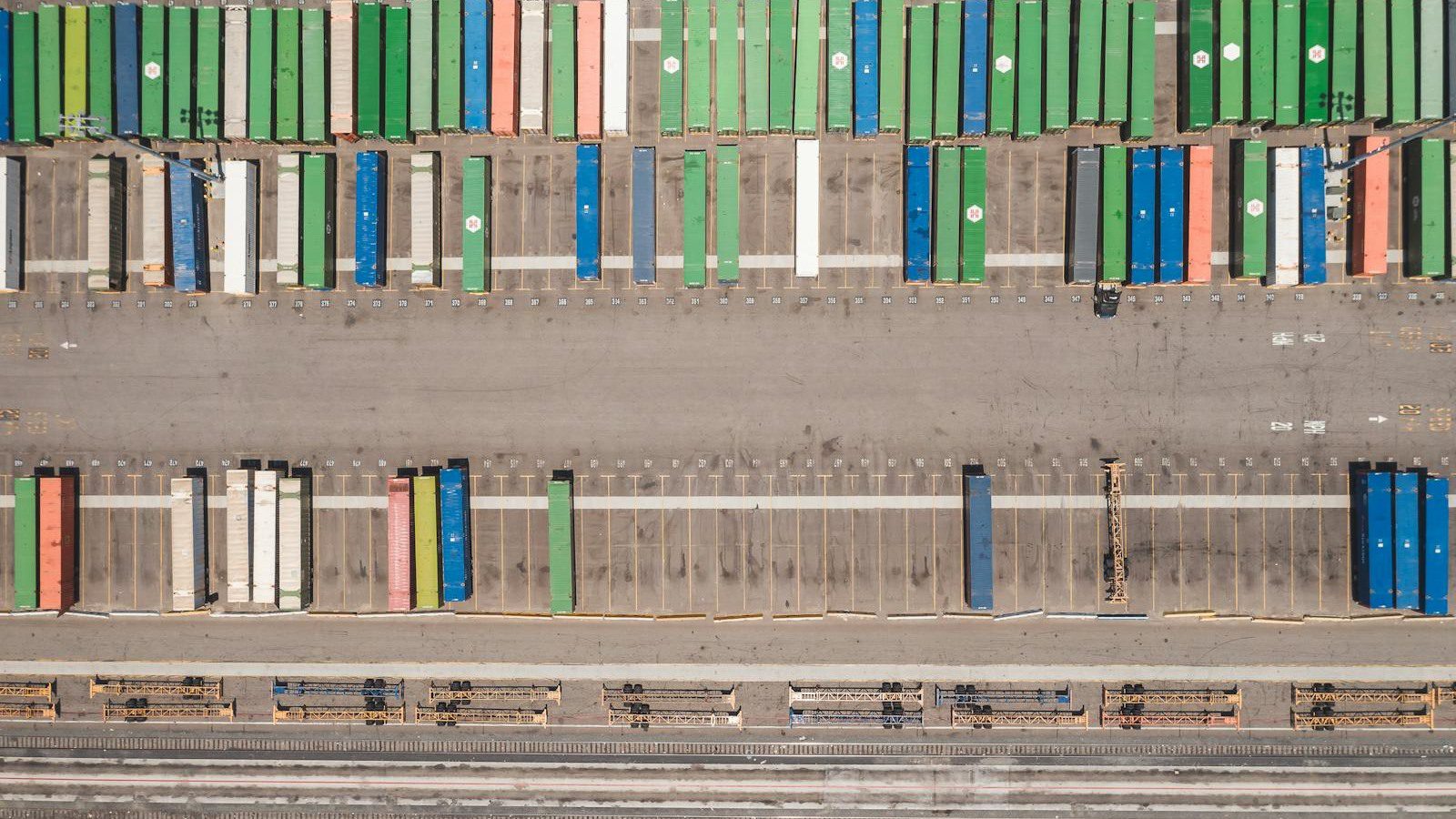
DLT supply chain tracking is the use of distributed ledger technology to record trusted product, shipment, custody, and compliance events across multiple trading partners. It moves blockchain beyond crypto by focusing on a practical business problem: proving what happened, when it happened, where it happened, and who attested to it.
The value is not magic immutability. A ledger cannot fix bad data at the point of capture. The value comes from a shared, tamper-evident record that reduces reconciliation work, makes disputes easier to resolve, and gives auditors a stronger trail than scattered spreadsheets and private databases.
NIST describes blockchains as tamper-evident and tamper-resistant distributed ledgers that let a community record transactions so they cannot normally be changed once published. GS1 describes EPCIS as a data-sharing standard for the what, when, where, why, and how of supply chain events. Together, those ideas explain why DLT supply chain tracking should start with trusted events and standards before technology selection.
For businesses in the Supply Chain category, the goal is secure visibility, not hype. A good program connects barcodes, sensors, ERP records, warehouses, suppliers, carriers, and customers into a controlled record that supports operations, compliance, and trust.
| Decision area | Why it matters | What to define first |
|---|---|---|
| Product identity | Records must point to the right item | GTIN, serial, lot, batch, shipment ID |
| Event quality | Ledgers preserve inputs | capture rules, scanners, sensors, approvals |
| Partner governance | Multiple parties need rules | membership, roles, dispute process |
| Privacy model | Supply chains expose sensitive data | off-chain data, permissions, encryption |
| Business outcome | Technology must serve a workflow | recall speed, fraud reduction, audit effort |
DLT supply chain tracking at a glance

DLT supply chain tracking works best when several organizations need to share a trusted history but do not want one party to control the only database. That situation appears in food safety, pharmaceuticals, electronics, luxury goods, automotive parts, aerospace components, recycled materials, and regulated logistics.
The ledger records events such as produced, packed, shipped, received, inspected, transformed, returned, or disposed. Each event can reference an item, batch, pallet, container, location, timestamp, business step, and responsible organization. The event may also link to certificates, sensor readings, documents, or quality checks.
For that reason, DLT supply chain tracking is a governance design as much as a technology design.
The key distinction is that DLT supply chain tracking is not just a dashboard. A dashboard displays information. A distributed ledger helps partners agree on a shared event history and detect when a record has been altered outside the agreed process.
That makes it useful for secure supply chain tracking, but only if governance is clear. Partners need rules for identity, data submission, error correction, permissions, onboarding, audits, and dispute resolution.
Win 1: create tamper-evident product histories

The first win is a stronger product history. Traditional tracking often relies on each partner maintaining its own record, then exchanging files when something goes wrong. That approach can work, but it creates delays during recalls, counterfeiting investigations, warranty claims, and customs reviews.
DLT supply chain tracking creates a shared chain of custody. When a supplier creates a batch, a logistics partner receives a pallet, a warehouse repacks cases, or a retailer accepts delivery, those events can be written to a common ledger with cryptographic integrity.
This does not mean every private document belongs on the ledger. In many designs, the ledger stores event proofs, hashes, references, and permissions while large documents remain in controlled systems. That keeps the record verifiable without exposing unnecessary details.
A mature DLT supply chain tracking record should make the history easier to verify without forcing every partner to reveal every internal detail.
A good product history answers practical questions quickly: where did this lot originate, which shipments included it, which facilities touched it, what certificates applied, and which customers may be affected if a problem appears.
Win 2: use standards before choosing a ledger
The second win is interoperability. Many supply chain failures happen because partners describe the same event in different ways. One system says received, another says accepted, another says inbound complete, and a fourth hides the status inside a custom field.
That is why standards matter before platform choice. GS1 EPCIS provides a common language for supply chain visibility events, including status, location, movement, chain of custody, sensor data, certifications, JSON and JSON-LD syntax, and REST API support.
DLT supply chain tracking becomes more durable when it uses common identifiers and event vocabularies. Standards make it easier to integrate with ERP, warehouse, transport, regulatory, and customer systems without turning the ledger into a custom island.
For DLT supply chain tracking, standard terms reduce translation work between partners and help the network survive system changes.
Start by mapping the minimum event model. Decide which identifiers represent products, locations, shipments, parties, and assets. Then choose a ledger architecture that supports those standards, not the other way around.
Win 3: connect IoT, barcodes, and handoff events

The third win is better event capture. A ledger is only as trustworthy as the scan, sensor, or system that feeds it. DLT supply chain tracking should therefore focus on the edge of the operation: receiving docks, production lines, packing stations, cold-chain sensors, mobile scanners, and carrier handoffs.
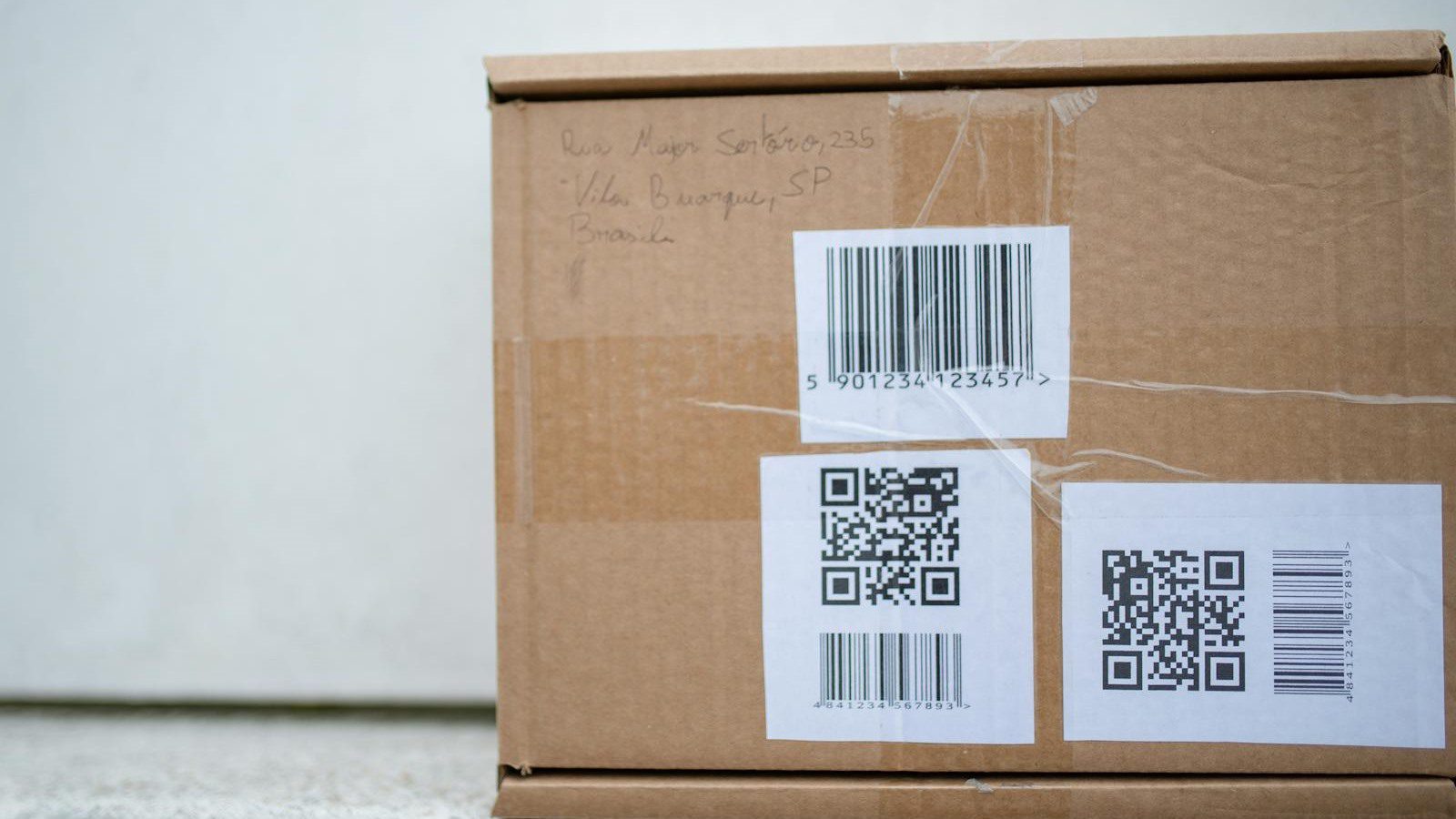
Barcodes, QR codes, RFID, GPS, temperature sensors, and inspection apps can all contribute events. For example, a vaccine shipment might record packaging, temperature excursions, custody transfers, and final receipt. A food shipment might record harvest, processing, storage, transport, and retail arrival.
The best design separates observation from approval. A sensor can report a temperature reading, but a quality manager may need to decide whether the shipment is accepted, quarantined, or rejected. The ledger should preserve both the data and the business decision.
For workflow automation, the payoff is a repeatable process: scan the item, validate the identifier, record the event, trigger the next task, and alert the right person when the expected path breaks.
Win 4: build permissioned networks for partners

The fourth win is controlled collaboration. Public blockchains are not the default answer for enterprise supply chains because supplier names, volumes, routes, prices, and certificates can be commercially sensitive. Most serious programs need permissioned participation.
Hyperledger Fabric is one example of enterprise distributed ledger software. Its project page describes modular governance, membership services, identity and access management for permissioned networks, and production deployments across supply chain, trade finance, and healthcare.
DLT supply chain tracking should define who can join the network, what each participant can see, what events each role can write, and how corrections are handled. A carrier may see shipment instructions. A regulator may see compliance attestations. A supplier may not need access to customer-level demand data.
Permissioning also supports phased adoption. A company can start with a small network of critical suppliers and expand as event quality, partner trust, and integration patterns improve.
Win 5: automate exceptions with smart contracts

The fifth win is exception handling. Smart contracts are not just for tokens. In supply chain systems, they can encode business rules for alerts, holds, approvals, payments, and compliance checks.
For example, DLT supply chain tracking can flag a shipment if a required custody event is missing, a temperature sensor crosses a threshold, a certificate expires, or a serial number appears twice. The rule does not need to replace human judgment. It can route the case to the right reviewer faster.
This is useful when multiple organizations are involved because everyone can see the rule that triggered the exception. The dispute becomes less about whose spreadsheet is correct and more about the evidence attached to the shared record.
Keep the first rules simple. Start with duplicate serial numbers, missing handoffs, late arrivals, required document checks, and cold-chain thresholds. Complex commercial logic can wait until the event foundation is stable.
Win 6: protect sensitive data and supplier trust

The sixth win is stronger security governance. NIST SP 800-161 Rev. 1 focuses on cybersecurity supply chain risk management, including risks from counterfeit, vulnerable, or malicious products and services. DLT supply chain tracking can support that discipline, but it does not replace it.
Sensitive data should be minimized. Prices, volumes, customer names, formulas, routing details, and confidential supplier relationships may need to stay off chain or be protected with strict permissions. Store only what the network needs to prove, trace, and audit the event.
In DLT supply chain tracking, privacy controls should be designed before the first production partner is invited.
Security teams should also review identity controls, key management, node hosting, API access, data retention, backup, monitoring, and incident response. A tamper-evident ledger is still part of a larger attack surface.
For Cyber Security teams, the practical rule is simple: do not use a ledger to avoid governance. Use it to strengthen governance with better evidence, controlled access, and shared accountability.
Win 7: rollout roadmap for secure tracking

A smart rollout starts with one high-value use case. Choose a product line where traceability problems are expensive, such as regulated goods, warranty-heavy components, food safety, cold-chain shipments, or high-counterfeit categories.
Next, define the event model. Identify the minimum events needed to answer the business question. Decide which partners participate, which systems feed the ledger, which standards apply, and which data remains off chain.
Then run a pilot with measurable outcomes. DLT supply chain tracking should reduce recall lookup time, improve lot visibility, lower manual reconciliation, strengthen audit evidence, or reduce counterfeit exposure. If those measures do not improve, the network needs redesign before expansion.
A DLT supply chain tracking pilot should also define who pays for shared infrastructure, support, training, and ongoing data-quality reviews.
For broader transformation, combine the pilot with IT Consulting support, integration planning, and Cloud Computing architecture review. The ledger is one component in a bigger operating model.
DLT supply chain tracking FAQ

What is DLT supply chain tracking?
DLT supply chain tracking is the use of distributed ledger technology to record verified supply chain events across multiple organizations so products, batches, shipments, and custody changes can be traced with stronger integrity.
How is DLT different from a normal database?
A normal database is usually controlled by one organization. A distributed ledger gives approved network participants a shared record with consensus, cryptographic proofs, and agreed rules for writing and verifying events.
Does every product event belong on chain?
No. Many designs store proofs, hashes, references, and key status events on chain while keeping large files, personal data, pricing, and sensitive supplier details in controlled off-chain systems.
What standards should teams review first?
Teams should review GS1 identifiers, EPCIS, Core Business Vocabulary, barcode or RFID practices, regulatory traceability rules, data retention requirements, and internal cybersecurity supply chain risk policies.
Can DLT stop counterfeits?
DLT can make counterfeiting harder by improving product identity, custody evidence, and duplicate detection. It still needs strong labeling, scanning, supplier controls, inspections, and enforcement.
What data should remain off chain?
Sensitive commercial data, personal data, large documents, confidential contracts, credentials, and detailed pricing should usually stay off chain unless there is a clear reason and approved protection model.
Who should own the network governance?
Governance should be owned by a cross-functional group with supply chain, security, legal, compliance, IT, data, and partner representatives. No single department should set every rule alone.
DLT supply chain tracking is most useful when it solves a traceability problem that spans organizations. The winning pattern is not blockchain for its own sake. It is shared event data, trusted identities, practical standards, and governance strong enough to support real operating decisions.
If your organization wants to test secure product traceability beyond crypto, contact Progressive Robot to design a focused pilot.