

Blockchain tracking helps supply chains prepare for a future where buyers, regulators, insurers, and partners expect proof instead of promises. Traditional tracking systems often depend on private databases, emailed spreadsheets, manual certificates, and after-the-fact reconciliation. Those tools can support daily operations, but they struggle when a recall, counterfeit event, customs delay, or supplier dispute requires trusted evidence across multiple organizations.
The value is not hype or cryptocurrency speculation. It is a shared, tamper-evident event history that helps participants prove what happened, when it happened, where it happened, and who attested to it. That record can support provenance, chain of custody, sustainability claims, warranty investigations, regulatory reporting, and risk management.
For leaders modernizing supply chain, IoT, automation, cybersecurity, and software development programs, the practical question is not whether blockchain sounds innovative. The question is where a trusted multi-party record would reduce delay, fraud, manual audit work, or operational uncertainty.
| Future-proofing goal | Blockchain tracking contribution | Practical business outcome |
|---|---|---|
| Provenance confidence | shared product and custody history | faster verification and fewer disputes |
| Partner alignment | common event rules and attestations | less reconciliation between systems |
| Fraud reduction | tamper-evident records and duplicate checks | lower counterfeit and gray-market risk |
| Compliance readiness | auditable event evidence | faster recalls, inspections, and certifications |
| Operational resilience | better visibility during disruption | quicker rerouting and recovery decisions |
Blockchain tracking at a glance

Blockchain tracking records trusted supply chain events on a distributed ledger or ledger-connected network. Each event can reference a product, lot, batch, shipment, pallet, container, certificate, sensor reading, location, timestamp, and responsible party. The ledger helps partners agree on a shared history instead of waiting for one company to reconcile every private record.
NIST describes blockchain as a collaborative, tamper-resistant ledger that groups transactional records into blocks and links each block to the previous one. If data changes in one block, the change becomes visible through later identifiers, providing tamper evidence. That property makes blockchain tracking useful when several parties need confidence in the same event history.
A future-proof architecture should still respect reality. A ledger cannot make a false scan true. It cannot fix missing master data or weak supplier onboarding. It cannot replace warehouse discipline, barcode standards, or cybersecurity. The approach works when event capture, identity, governance, and software integration are already treated as serious operating capabilities.
The strongest programs begin with a business problem. Examples include proving origin for high-value goods, reducing recall lookup time, validating cold-chain handoffs, managing certificates, detecting duplicate serial numbers, and creating audit evidence across suppliers and logistics partners. The program should serve those outcomes, not become a standalone experiment.
Win 1: map products to trusted digital identities
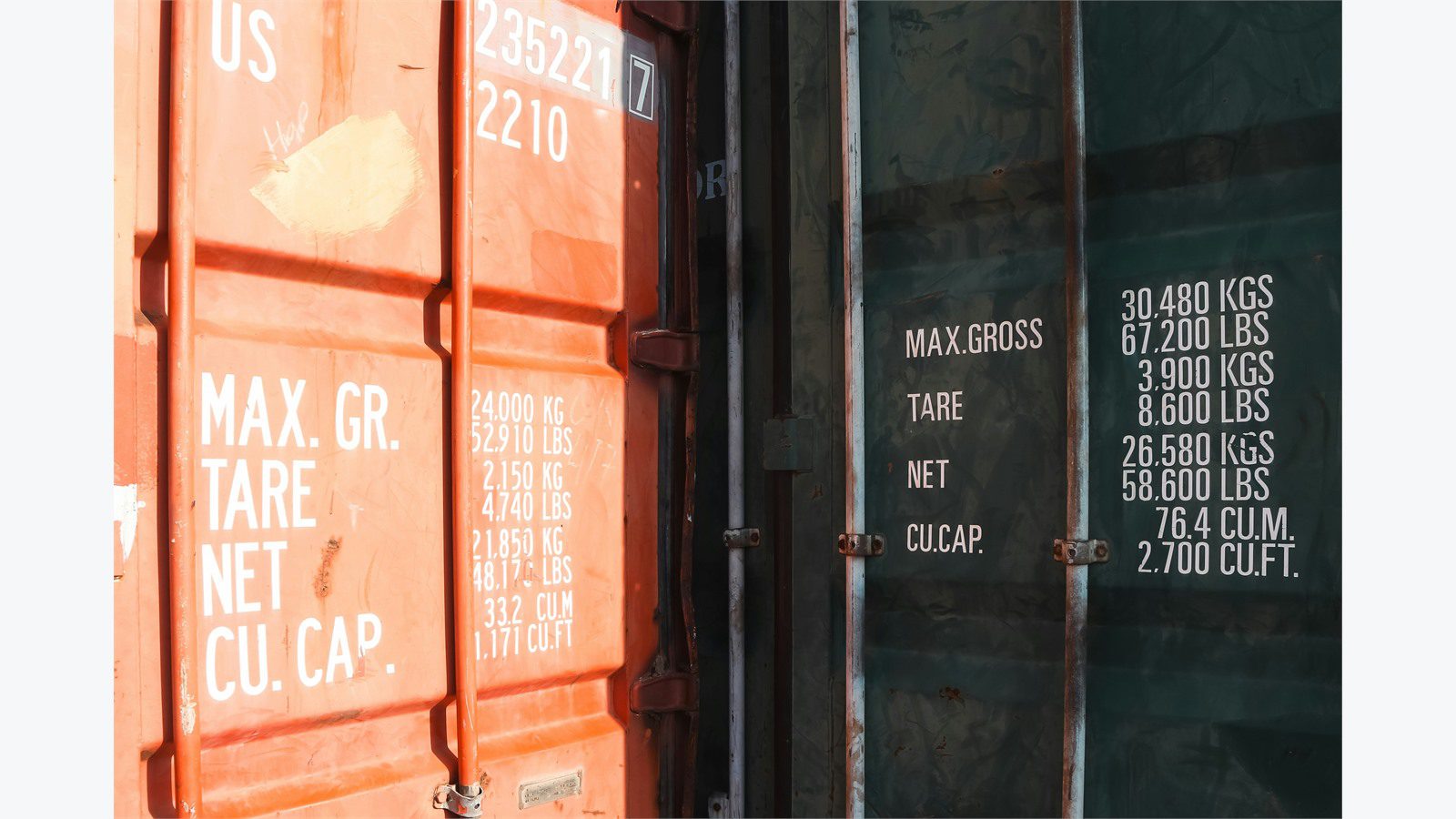
Future-proof supply chains need consistent identity. If partners cannot agree which item, batch, shipment, or asset is being discussed, no ledger will create clarity. Blockchain tracking begins by mapping physical goods to durable digital identifiers that survive movement across factories, warehouses, carriers, distributors, and customers.
That identity layer may include GTINs, serial numbers, lot numbers, pallet IDs, container IDs, purchase orders, shipment IDs, or digital product passports. The right level depends on value, regulation, risk, and operating cost. A pharmaceutical lot may need different evidence than a reusable tote or a consumer electronics device.
The record becomes more useful when identifiers are connected to clear master data. Product names, supplier IDs, facility IDs, expiration rules, materials, certificates, and ownership relationships should be governed before events are written. Otherwise, a ledger can preserve inconsistent data at scale.
Start by defining the minimum identity model for the use case. Decide which identifier is mandatory, who assigns it, who validates it, how duplicates are handled, and how corrections are approved. This foundation makes later provenance and audit work far more reliable.
Win 2: record chain-of-custody events across partners
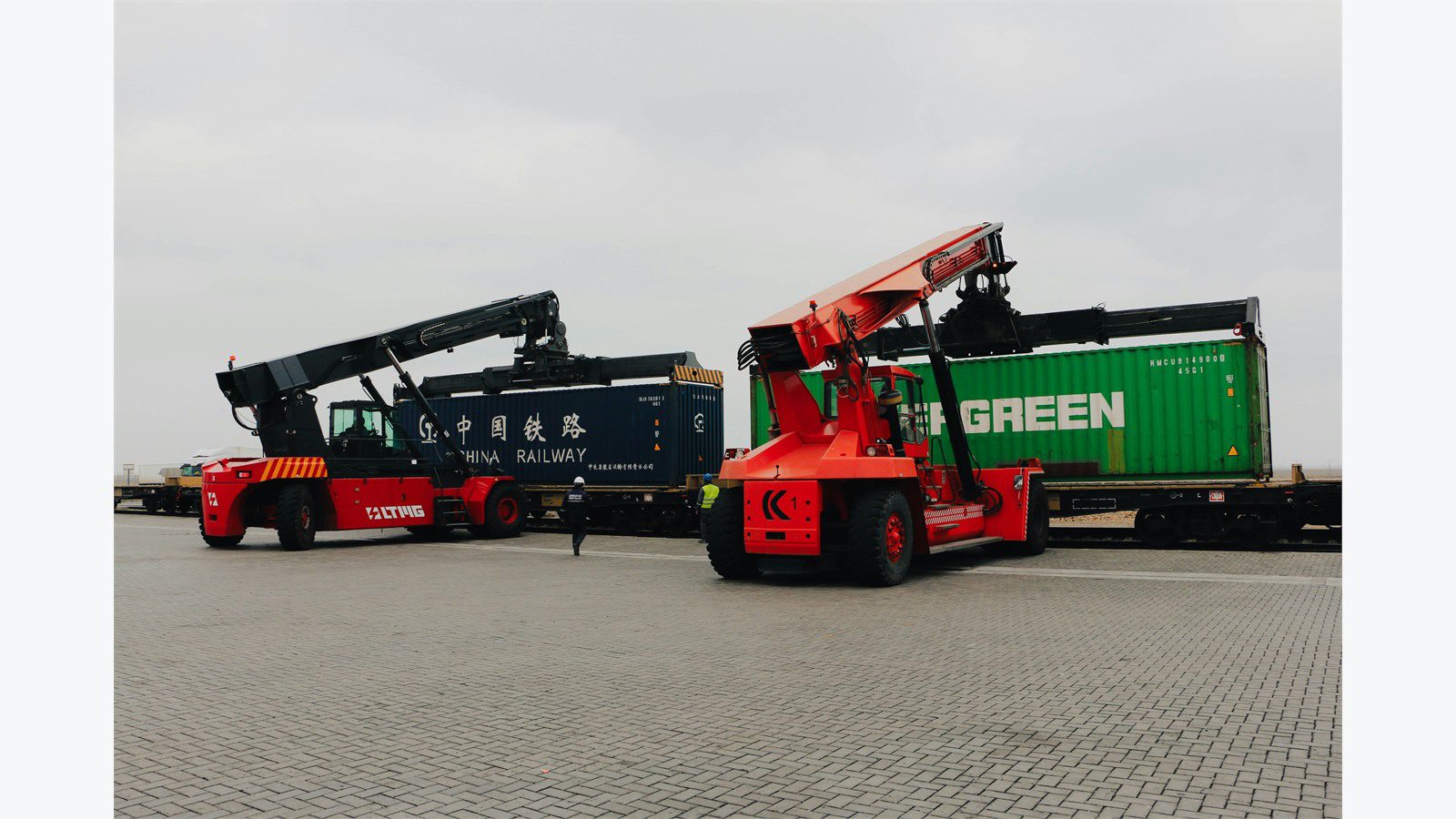
The second win is chain-of-custody visibility. Many supply chain problems happen at handoff points: supplier to manufacturer, manufacturer to warehouse, warehouse to carrier, carrier to distributor, distributor to retailer, or customer to returns processor. Blockchain tracking can record those handoffs as shared events.
A useful custody event states who had control, what moved, where it moved, when it moved, and why the event occurred. It may include produced, packed, aggregated, shipped, received, inspected, transformed, quarantined, released, returned, or disposed. Each event should be tied to a role and a trusted source system.
This does not mean every partner exposes its full internal system. In many designs, a partner writes a standardized event, a cryptographic proof, or a reference to controlled documentation. The ledger can prove that an attestation existed at a point in time while sensitive contracts, volumes, routes, and prices remain protected.
For future-proofing, custody events should also support exception workflows. If a shipment skips an expected scan, arrives from an unexpected location, or changes ownership without a required certificate, the network should flag the gap quickly instead of waiting for a manual investigation.
Win 3: protect provenance without exposing private data

Provenance is powerful, but supply chains contain sensitive information. Supplier relationships, volumes, formulas, routes, prices, quality records, customer identities, and production capacity may be commercially confidential. Blockchain tracking must therefore balance transparency with privacy.
One practical model keeps operational documents off-chain while writing proofs, hashes, event summaries, or permissioned references to the ledger. A verifier can check whether a document matches the original proof without seeing every private detail. Role-based access then controls who can view supporting data.
The design should also define data retention rules. Some records may need long-term retention for warranty, safety, customs, or sustainability claims. Other details may require minimization. Privacy design should happen before the network expands, not after partners have already uploaded sensitive records.
Future-proofing means preparing for more disclosure demands without overexposing the network. Product passports, carbon claims, ethical sourcing, and quality certificates all require evidence. A privacy-aware design lets companies share proof with customers, auditors, or regulators while protecting competitive data.
Win 4: automate compliance, recalls, and audit evidence
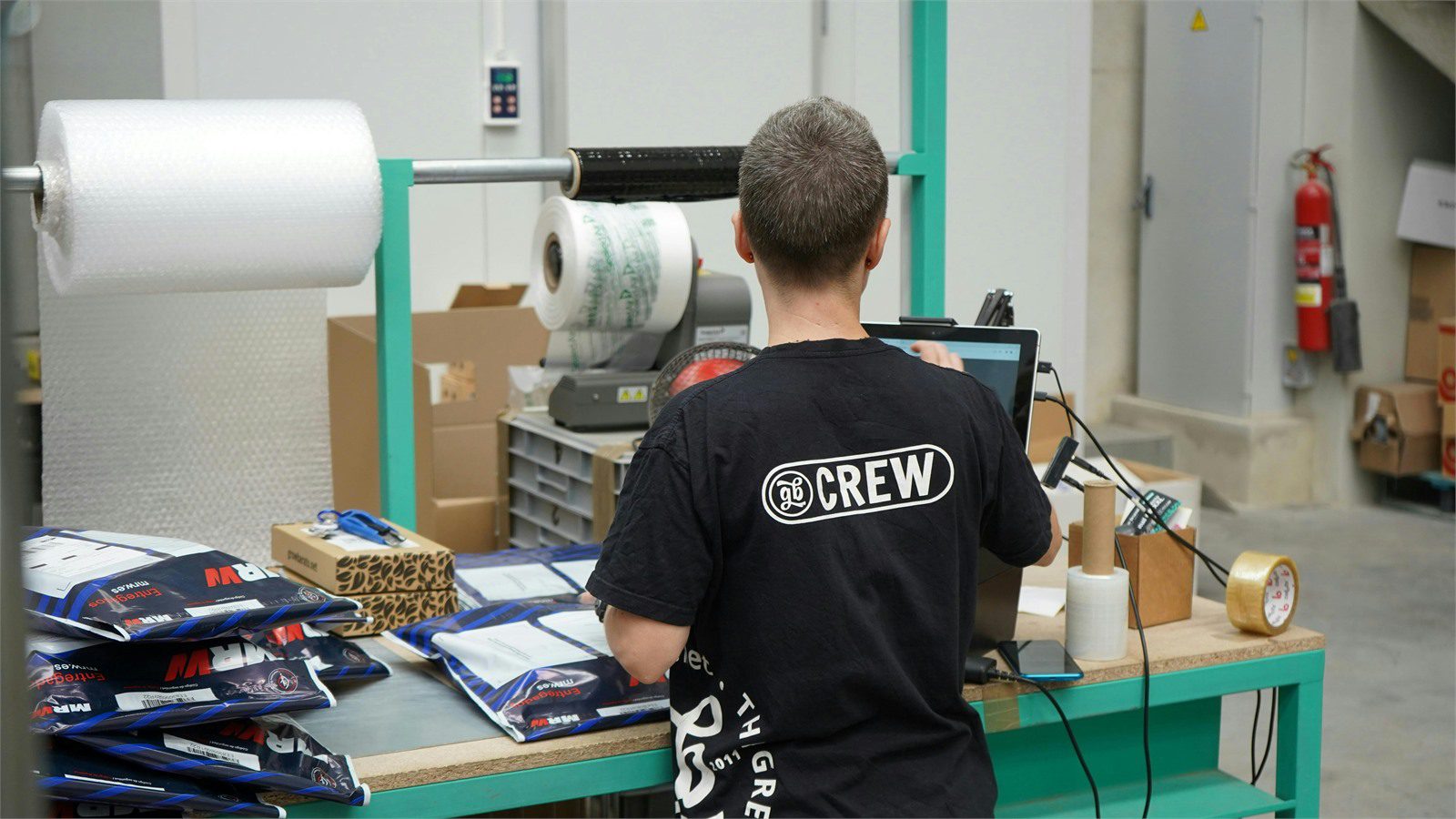
Compliance teams often spend too much time collecting evidence from disconnected systems. A supplier sends one certificate, a warehouse sends another file, a carrier sends a timestamp, and an auditor asks for a consolidated history. A shared ledger can reduce that friction by preserving event evidence as work happens.
For recalls, speed matters. If a contaminated lot, defective component, or mislabeled shipment must be traced, teams need to know which products were affected, where they traveled, which customers received them, and which inventory is still available. Blockchain tracking can shorten the lookup path when events are complete and standardized.
Audit readiness also improves when approvals, inspections, certificates, temperature events, and custody changes are linked. The ledger can show whether required steps happened before release or shipment. It can also reveal gaps, late updates, or suspicious corrections that deserve review.
The goal is not fully automated compliance without human judgment. The goal is better evidence. Future-proof teams use blockchain tracking to make audits less dependent on email chains and more dependent on verified operating events.
Win 5: connect IoT, RFID, ERP, and warehouse data
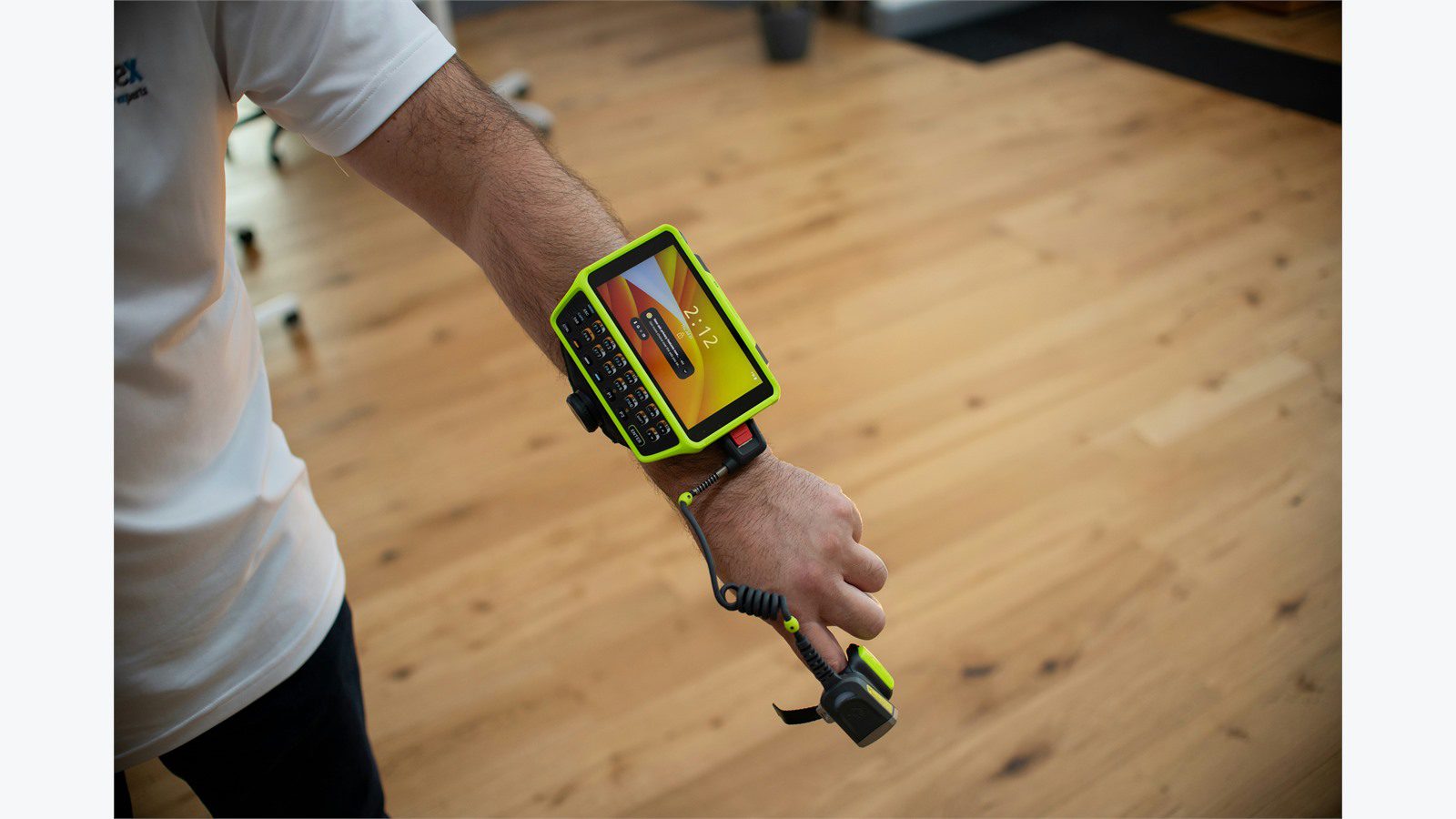
A ledger is only as good as the events that feed it. Future-proof supply chains combine distributed records with barcodes, RFID portals, IoT sensors, warehouse systems, transportation systems, ERP records, quality systems, and partner APIs. The architecture should turn operational activity into trusted events without creating duplicate manual work.
GS1 EPCIS provides a common language for supply chain visibility events, including what, when, where, why, and how products and assets move. GS1 notes that EPCIS 2.0 supports sensor data, certification details, JSON and JSON-LD syntax, REST APIs, product whereabouts, aggregation, temperature-controlled transport, inventory visibility, and certification details. Those capabilities fit blockchain tracking because standards make partner data easier to interpret.
IoT adds real-time context. Temperature sensors can support cold-chain proof. RFID reads can confirm movement through a dock door. Warehouse scans can prove packing and aggregation. ERP records can connect purchase orders, invoices, and supplier data. The ledger can then preserve the verified event trail that matters across organizations.
Integration should avoid a brittle point-to-point design. Use event streams, APIs, validation rules, monitoring, and error queues. If a device goes offline or a partner submits a malformed event, the system should quarantine the issue and alert the owner instead of silently corrupting the ledger history.
Win 6: reduce fraud, counterfeits, and gray-market risk

Counterfeit and gray-market risk grows when products change hands many times without a trusted record. High-value components, luxury goods, pharmaceuticals, aerospace parts, automotive parts, electronics, and specialty materials can all suffer from forged documents or duplicate serial numbers. A shared history makes suspicious patterns easier to detect.
A network can compare new events against prior attestations. If the same serial number appears in two places at once, if a product claims a certificate that does not match the issuing authority, or if a shipment appears without a required custody path, the system can flag the exception. Blockchain tracking helps because partners reference a shared record instead of isolated spreadsheets.
This protection depends on onboarding. Partners must verify identities, signing keys, roles, and authority to write events. A counterfeit actor should not be able to join the network as a trusted supplier. Cybersecurity controls, legal agreements, and operational review remain essential.
Future-proofing also includes customer-facing verification. Some programs let downstream buyers scan a code to confirm origin, authenticity, warranty eligibility, or sustainability attributes. Blockchain tracking can support that trust layer when the public view is carefully limited to safe information.
Win 7: strengthen resilience during disruption
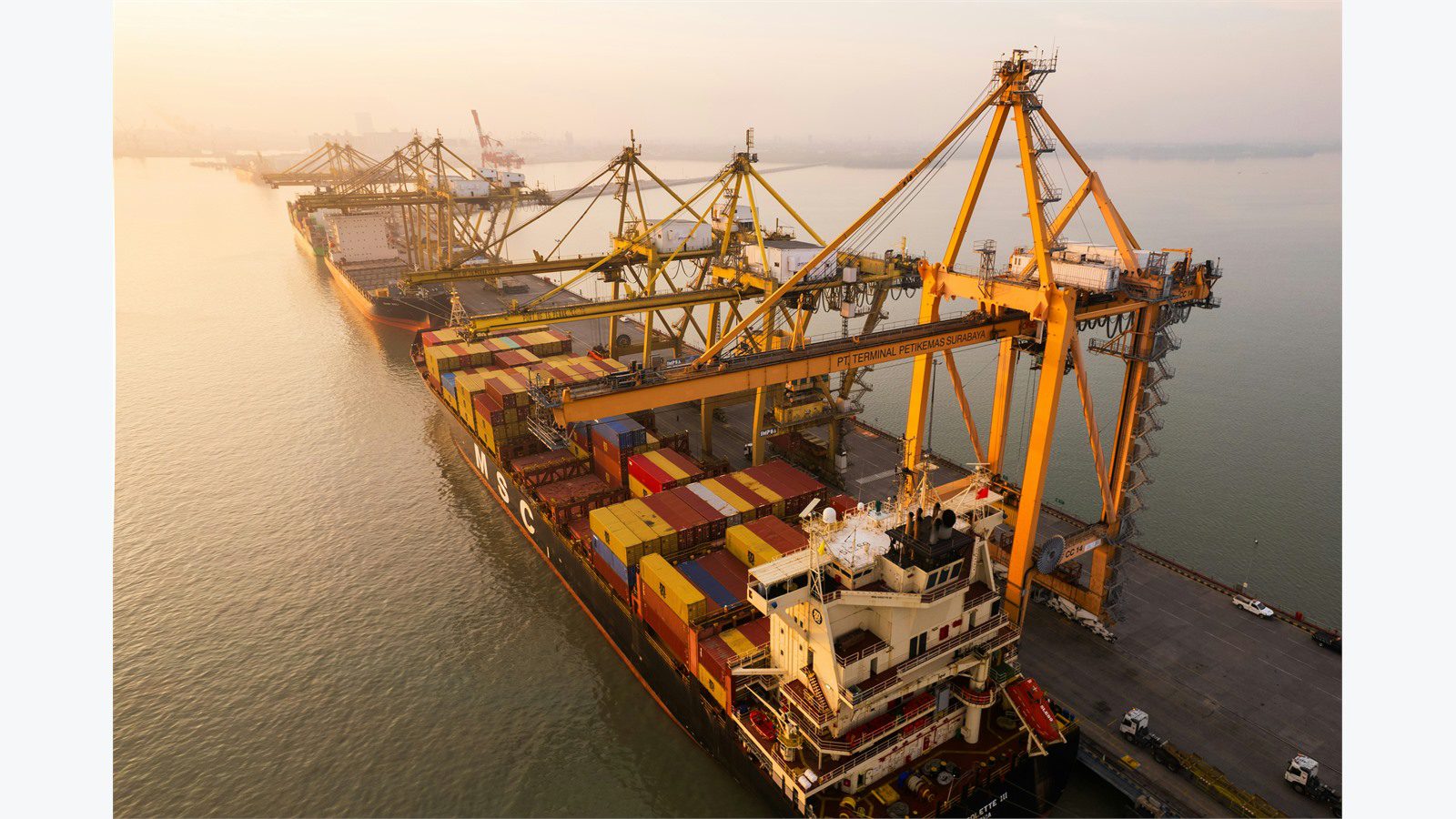
Supply chain disruptions are now normal operating conditions. Weather events, port delays, cyber incidents, supplier failures, geopolitical shifts, demand spikes, and material shortages can all break plans. Blockchain tracking helps resilience by making shared facts available faster during uncertainty.
When a disruption occurs, teams need to know which shipments are affected, which inventory is safe, which suppliers are exposed, which certificates are valid, and which alternative routes or facilities can be used. A trusted event history can reduce the time spent arguing about the current state.
The network can also support scenario planning. If a supplier fails an audit or a facility shuts down, it can identify dependent products, open orders, inventory locations, and customers at risk. That insight depends on connecting ledger events with planning, inventory, and risk systems.
The resilience win is not just visibility. It is faster coordinated action. Future-proof supply chains use blockchain tracking to align partners around evidence so that rerouting, recalls, substitutions, holds, and customer communications happen with fewer delays.
Win 8: design governance for multi-party networks

Technology is easier than governance. Multi-party tracking networks need clear rules for participation, identity, permissions, event schemas, validation, correction, dispute handling, cost sharing, and support. Without those rules, a ledger can become another system that partners do not trust.
Governance should define who can write each type of event. A manufacturer may create production events. A logistics provider may create shipment and receipt events. A lab may create test results. A certifier may attest to compliance. A regulator may view selected evidence. Blockchain tracking should reflect these business roles instead of giving every participant the same access.
Corrections need special attention. Supply chain data is messy, and mistakes will happen. A future-proof design should preserve the original event, record the correction, explain the reason, and require proper approval. That creates accountability without pretending every first entry is perfect.
The governance group should include supply chain, IT, security, legal, compliance, finance, operations, and partner representatives. The model succeeds when the network is trusted as a shared operating model, not when one sponsor imposes rules that others quietly avoid.
Win 9: launch a future-proof blockchain tracking roadmap
A practical roadmap starts with one measurable pain point. Choose a use case where traceability failures are expensive, slow, or risky. Good candidates include recalls, counterfeit prevention, cold-chain proof, supplier certification, warranty verification, recycled-content claims, regulated parts, or cross-border documentation.
The first phase is process mapping. Define products, partners, events, systems, documents, exceptions, and decisions. The second phase is data readiness. Clean identifiers, locations, supplier records, roles, and event definitions. The third phase is a limited pilot with real partners and real operating data. The pilot should prove value before it scales.
The fourth phase is integration. Connect the ledger to ERP, WMS, TMS, IoT, quality, and analytics tools so events support daily work. The fifth phase is governance expansion. Add partners, refine access rules, formalize support, and measure results such as recall lookup time, audit effort, fraud exposure, and dispute reduction.
Future-proofing means designing for change. New regulations, data-sharing requirements, product passport expectations, sustainability claims, and partner platforms will keep evolving. Blockchain tracking is strongest when it is built on standards, modular integration, privacy controls, and clear governance rather than a one-off pilot.
Blockchain tracking FAQ

What is blockchain tracking in supply chains?
Blockchain tracking is the use of a tamper-evident ledger to record trusted product, shipment, custody, certificate, and compliance events across multiple supply chain partners so provenance and accountability are easier to verify.
How does blockchain tracking future-proof supply chains?
Blockchain tracking future-proofs supply chains by creating shared evidence for provenance, recalls, audits, disruption response, counterfeit prevention, and partner accountability. It helps organizations answer proof-based questions faster.
Does every supply chain need blockchain?
No. A single-company database is often enough when one organization controls the full process. A ledger network is most useful when several independent parties need a shared history and no single private system is trusted by everyone.
What data should go on the blockchain?
Most programs should record event proofs, identifiers, timestamps, custody updates, certificate references, and hashes rather than every private document. Sensitive files can stay off-chain with permissioned access and verification links.
How is blockchain tracking different from a normal dashboard?
A dashboard displays information from one or more systems. A ledger layer adds a shared, tamper-evident event history that helps partners verify whether important records were created, changed, or missing.
What is the biggest implementation risk?
The biggest risk is poor data governance. If identifiers, partner roles, event rules, and correction workflows are unclear, the network will only preserve confusion. Start with process design before platform selection.
Blockchain tracking is not a shortcut around operational discipline. It is a way to turn important supply chain events into evidence that partners can trust. The future-proof advantage comes from combining clean identity, standards, privacy, governance, integration, and measurable business outcomes.
If your organization wants to strengthen product traceability and partner trust, contact Progressive Robot to design a blockchain tracking roadmap that fits real supply chain operations.