

The Room database is moving beyond its older image as a mostly Android-only persistence layer. Google’s current documentation now treats shared Kotlin code, coroutine-based queries, and multiplatform database setup as practical parts of the Room story rather than side notes.
In practice, the Room database now sits closer to shared application architecture than to a single Android utility.
That matters because the library already solves a hard problem well: giving teams a safer abstraction over SQLite with compile-time query checks, schema management, and a cleaner DAO model. What changed is the direction. Google now documents a Kotlin Multiplatform setup where entities, DAOs, and the database definition can live in common code while platform-specific builders handle local file paths and drivers.
If you have seen headlines calling this “Room 3.0,” the official pages tell a narrower but still important story. Google’s public Room docs currently show Kotlin Multiplatform support from Room 2.7.0 and sample dependency versions at 2.8.4, not a public 3.0 label. The strategic point is still clear: the Room database is becoming more Kotlin-first, more async-friendly, and more portable across Android, iOS, and desktop targets.
Google’s official guides on Room for Kotlin Multiplatform and asynchronous DAO queries make that shift concrete. For teams already tightening delivery through workflow automation, business process automation, intelligent automation, and DevOps services, local persistence design is not an isolated app concern. It affects offline behaviour, sync reliability, testing, and release velocity.
| Question | Short answer |
|---|---|
| What changed most? | The Room database now has a documented Kotlin Multiplatform path with shared database code and platform-specific builders |
| Why call it Kotlin-first? | DAO APIs lean on suspend, Flow, KSP, and coroutine context instead of older Android-only execution patterns |
| What platforms matter? | Android, iOS, and JVM desktop are explicitly covered in Google’s KMP setup guide |
| What is the async model? | One-shot DAO work uses suspend, observable reads use Flow, and background execution is tied to coroutines |
| Best next step | Audit your current Room usage, then decide whether shared persistence is worth the migration cost |
What Google is actually changing in Room
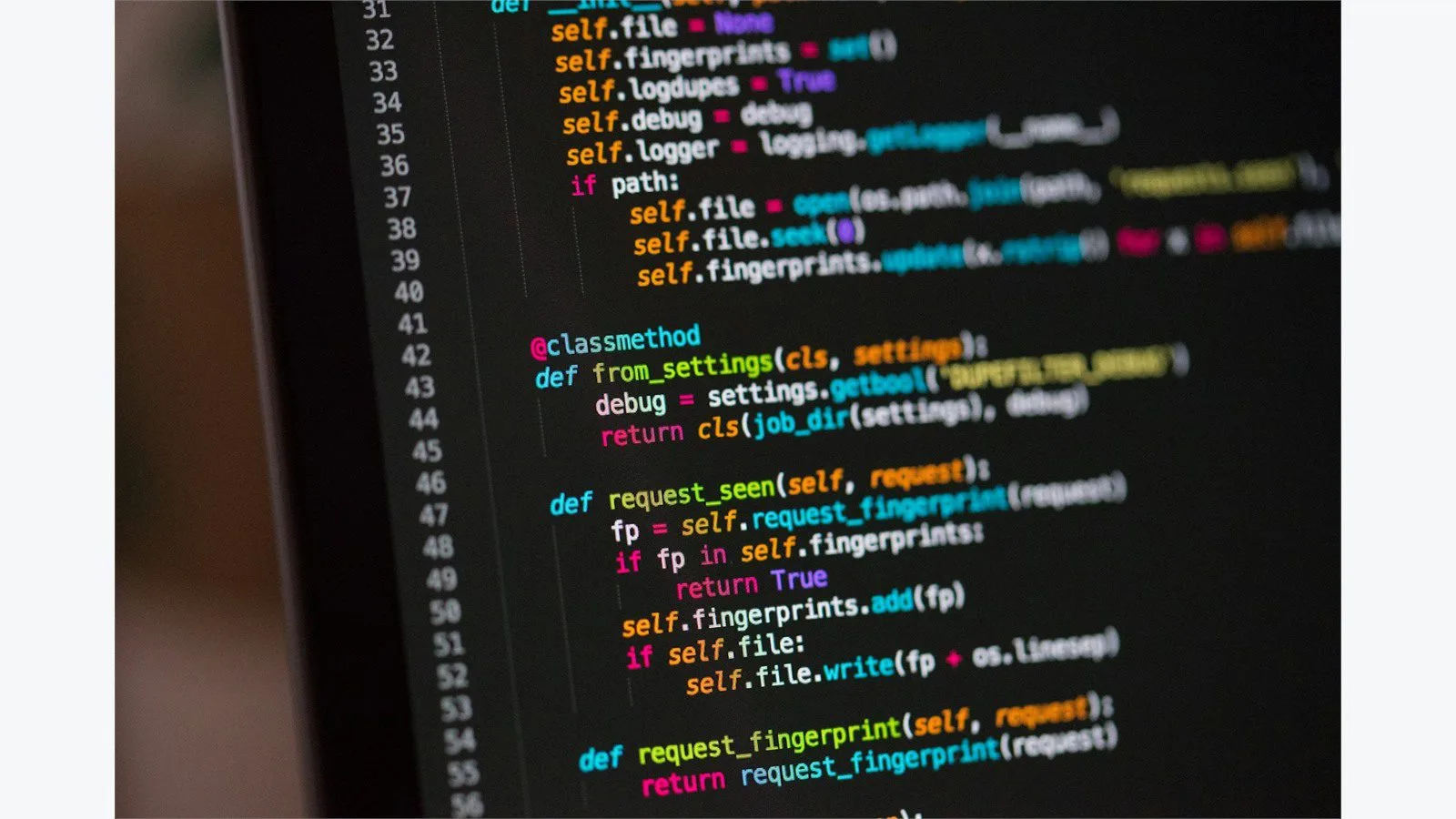
The Room database still does the job it was built for: abstracting SQLite behind safer schema definitions, query annotations, and generated code. What Google is changing is the scope of that promise. The official Kotlin Multiplatform setup now places the database class, entities, and DAOs inside commonMain, which means the core persistence model can move into shared code instead of remaining locked to Android.
That is a bigger shift than a version headline suggests. A shared persistence layer that used to sit inside one mobile client can now stretch across Android and iOS with the same schema model, DAO contracts, and migration intent. The only required platform split is the database builder, because Android, iOS, and JVM desktop use different file system APIs to locate the database file.
The other important nuance is versioning. Google’s current public docs point to Room 2.7.0 as the start of KMP support and use 2.8.4 in sample dependency blocks. So Room is clearly expanding, but the available public documentation supports an evolution in the 2.x line rather than a formally documented 3.0 launch.
Why Room now feels Kotlin-first
The Room database has always worked well with Kotlin, but the newer documented path feels more intentionally Kotlin-first. The setup uses KSP, the Room Gradle plugin, expect and actual constructor generation, coroutine contexts, suspend DAO functions, and Flow for observable reads. That is a distinctly Kotlin-centered developer experience.
The library also moves away from some older execution ideas that were comfortable on Android but awkward in shared code. Google notes that executors are not Kotlin Multiplatform compatible in commonMain, so the shared builder path uses a coroutine context instead. If no coroutine context is set, Room defaults to Dispatchers.IO, which fits the broader Android and Kotlin coroutines guidance for non-blocking work.
That shift makes the Room database feel native to coroutine-heavy Kotlin codebases instead of bolted onto them.
That matters in practice because a Kotlin-first shared persistence layer is easier to reason about across platforms. The same DAO contract can express one-shot work with suspend functions and live updates with Flow without forcing each platform team to invent a separate async model.
How async queries work with suspend and Flow

The Room database is opinionated about asynchronous access for a good reason: database work should not block the UI thread. Google’s async query guide says Room does not allow database access on the main thread, and it gives three broad categories for DAO behaviour: one-shot writes, one-shot reads, and observable reads.
For Kotlin teams, the library uses the cleanest pair of primitives available. One-shot reads and writes use suspend functions. Observable queries return Flow. That combination makes the async model much simpler than older mixtures of callbacks, LiveData, and ad hoc thread management.
For many teams, the Room database becomes the default local source of truth inside a repository layer.
There is still one subtlety worth planning for. Observable queries in Room rerun whenever any row in a referenced table changes, even if the changed row does not alter the final result set. Google’s guide recommends applying distinctUntilChanged() if you want downstream UI layers to react only when the actual emitted result changes.
From an architecture perspective, this is the real upgrade. This persistence layer can now sit inside a coroutine-first data layer where writes are explicit, reads are main-safe, and streaming updates fit naturally into repository boundaries.
For teams standardising local state, the Room database also simplifies testing and offline refresh logic.
How shared persistence reaches Android, iOS, and desktop
The most interesting multiplatform change is that the Room database can now keep the data model in shared code while leaving only the file-path builder in platform-specific source sets. Google’s documentation shows Android builders using Context.getDatabasePath(), iOS builders resolving a file path through NSFileManager, and JVM desktop builders using standard file APIs.
The library also gains a clearer driver story. Google’s KMP guide recommends BundledSQLiteDriver for the most consistent SQLite behaviour across platforms. Teams can still choose platform drivers such as AndroidSQLiteDriver or NativeSQLiteDriver, but the bundled driver is the cleanest way to reduce cross-platform drift.
That consistency matters when the Room database must behave the same way across Android, iOS, and desktop targets.
This is where the Room database starts to feel strategic rather than merely convenient. If one business domain needs the same offline data rules on Android and iOS, shared persistence code can remove entire classes of parity bugs and duplicated migration work.
What teams must migrate to use the new multiplatform path
Moving an existing Room database into Kotlin Multiplatform is not a cosmetic refactor. Teams usually need to move database definitions, entities, and DAOs into commonMain, add KSP targets for every platform, and decide which SQLite driver strategy they want to standardise on.
The Room database migration path is easier when schemas, drivers, and async contracts are planned together.
The async model is often the biggest code change. Google’s guidance for KMP says non-Android DAO functions need to be suspend functions, and reactive return types should move toward Flow. If your persistence layer still depends on blocking DAO calls, older SupportSQLite code, or Android-only query types, the migration effort can be meaningful.
Google does provide a bridge. The optional androidx.room:room-sqlite-wrapper artifact exists to help teams migrate from SupportSQLiteDatabase toward the newer SQLite driver APIs without rewriting every low-level call in one pass. That makes a phased migration much more realistic for larger codebases.
Which Android-only conveniences still do not cross over
A multiplatform Room database is powerful, but it is not a perfect one-to-one copy of the Android-only API surface. Google’s documentation explicitly calls out several features that are not available in common code or on non-Android targets.
Those limits mean a Room database still needs a deliberate boundary between shared code and platform-only behaviour.
Today, the library does not bring query callback support, auto-closing after a timeout, pre-packaged database creation, or multi-instance invalidation into the shared KMP API surface. Those gaps matter because they shape whether your current Android implementation can be lifted into common code unchanged.
This is why migration discipline matters. The best adoption plan is usually not “move everything.” It is “move the persistence rules that truly benefit from sharing, then keep platform-only extras where they still belong.”
Where it fits in a modern app architecture
The Room database is most useful when a team wants offline resilience, local caching, and a stable boundary between business logic and storage. In a Kotlin Multiplatform setup, that value grows because the same persistence contract can support Android and iOS clients instead of being rebuilt twice.
That does not mean every app needs a shared persistence layer. If your iOS and Android products intentionally diverge, if your persistence needs are trivial, or if local data is mostly disposable cache, the migration cost may not pay for itself. But when offline state, sync correctness, and domain parity matter, Room can become part of a broader operating model that also touches release orchestration, QA repeatability, and service integration.
At that point, the Room database is not just storage. It becomes part of product architecture.
That is why the Room database now belongs in architecture conversations, not just storage discussions.
This is also where process matters. Teams that treat persistence as part of delivery design usually connect it back to automation, testing, and deployment discipline. If your app roadmap includes cross-platform storage rules, shared business logic, or data-flow hardening, contact Progressive Robot for a practical review of architecture and delivery risk.
Room FAQ
Is Google officially calling this Room 3.0?
Not in the public Room pages reviewed for this article. Google’s current docs show KMP support from Room 2.7.0 and sample dependencies at 2.8.4, so the public story is a stronger Room direction rather than a clearly posted 3.0 release label.
What makes Room async-friendly now?
Google’s guidance centers Room on suspend DAO methods for one-shot work and Flow for observable reads, which fits cleanly into coroutine-based application architectures.
Can Room really run on iOS?
Yes, through Kotlin Multiplatform. Google’s setup guide documents a shared Room definition with platform-specific builders for Android, iOS, and JVM desktop targets.
Do I need to rewrite everything to migrate?
Not always. The optional SQLite wrapper can help teams bridge from older SupportSQLite usage while they move Room toward the newer driver model in stages.
What is the best use case for this approach?
The strongest fit is a product that needs shared local persistence rules, offline behaviour, and data-model parity across platforms. That is where Room can reduce duplication instead of just adding another migration project.
Room is not suddenly important because of a headline. It is important because Google’s documented direction now aligns local persistence with the way Kotlin teams already build asynchronous, shared code.
That makes the decision less about hype and more about leverage. If your roadmap already points toward multiplatform business logic and cleaner coroutine-based data access, Room is becoming a more credible foundation for that work.
More AI coverage: explore Progressive Robot's AI Models, Tools & Releases hub — hands-on reviews, setup guides and benchmarks in one place.