

A property management tech stack is the operating backbone for a distributed property management company. When leasing agents, maintenance coordinators, accountants, regional managers, owners, vendors, and residents are no longer in one office, every handoff has to move through connected systems instead of hallway conversations.
The best property management tech stack does not mean buying every shiny app in the market. It means building a practical cloud foundation that keeps property data clean, makes remote work visible, protects resident information, speeds maintenance, simplifies accounting, and gives leaders one reliable view of performance across locations. A property management tech stack should make the distributed company easier to run, not harder to govern.
This guide explains the core tools and controls a distributed property management company should include. It is written for residential managers, commercial operators, HOA managers, mixed portfolio teams, short term rental operators, and real estate service firms that need modern systems without creating a messy collection of disconnected subscriptions.
Progressive Robot helps companies connect this type of technology through IT consulting, cloud computing services, software development services, business process automation, and cybersecurity services. The goal is simple: build a property management tech stack that supports people, process, data, and growth.
Use this property management tech stack map before choosing products:
| Stack layer | Primary job | Key decision |
|---|---|---|
| Cloud PMS | system of record for properties, leases, units, owners, residents | one source of truth or multiple systems |
| Portals and payments | resident self service, leasing, rent, deposits, owner access | resident adoption and payment controls |
| Maintenance and inspections | work orders, field tasks, vendor coordination, photos | mobile workflow and SLA tracking |
| Accounting and analytics | rent roll, payables, owner statements, dashboards | clean chart of accounts and reporting model |
| Communications | phone, SMS, email, chat, ticket history | shared inbox and resident response standards |
| Documents and compliance | leases, notices, insurance, approvals, records | retention, permissions, audit trail |
| Integration and automation | data sync, alerts, approvals, handoff reduction | API quality and workflow ownership |
| Security and devices | identity, access, endpoints, backups, training | least privilege and remote work protection |
| Rollout governance | adoption, training, support, measurement | phased deployment and change control |
Property management tech stack at a glance
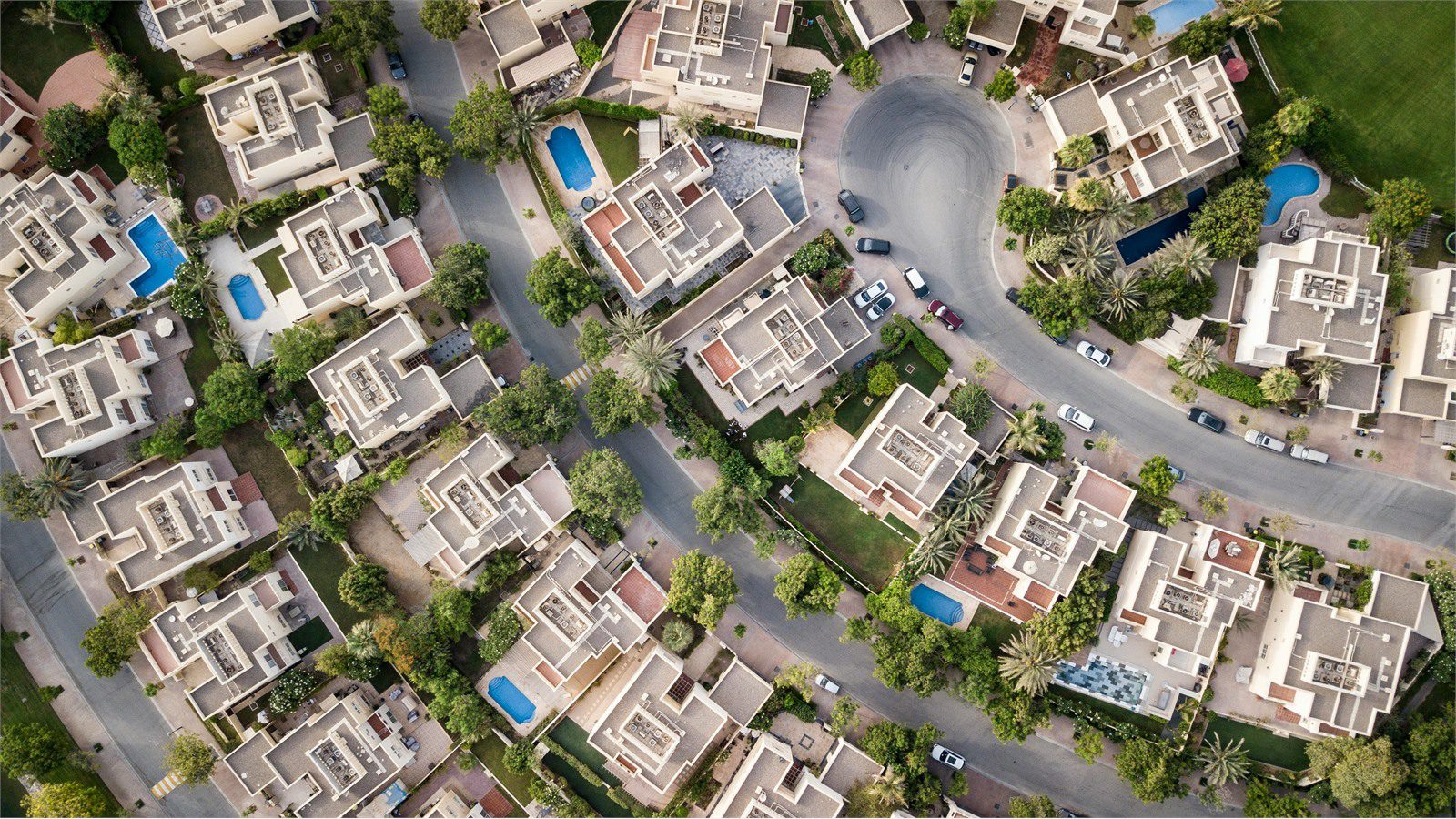
A property management tech stack is the full collection of software, cloud services, data workflows, security controls, and operating rules that a property management company uses to run daily work. The stack should support leasing, resident service, maintenance, inspections, vendor management, accounting, owner reporting, document storage, analytics, and remote team coordination.
Distributed property operations expose gaps quickly. One team member may be showing a unit, another may be approving a vendor invoice, another may be answering a resident message, and another may be preparing an owner statement. If each person uses a different spreadsheet, inbox, or phone log, the company loses control of data and service quality.
A strong property management tech stack gives every location a shared process. Residents can submit requests without calling a local office. Maintenance teams can update work orders from the field. Accountants can see charges, receipts, deposits, and owner distributions. Managers can monitor vacancy, delinquency, response time, inspection status, and portfolio risk from a central dashboard.
The stack should also match the scale of the portfolio. A company managing 150 units does not need the same architecture as a firm managing 15,000 doors across states. The principle is the same, but the number of integrations, controls, roles, and reporting layers will differ.
Start with outcomes before tools. The property management tech stack should reduce double entry, shorten response times, improve rent collection visibility, protect sensitive data, standardize documents, and make portfolio performance easier to understand. If a tool does not support one of those outcomes, it may be clutter rather than infrastructure. A property management tech stack review should therefore begin with workflow pain, not vendor demos.
Layer 1: choose a cloud property management system as the source of truth
The cloud property management system is the center of the property management tech stack. It should hold property records, unit details, resident profiles, lease data, rent charges, work order history, owner information, vendor records, and accounting links. If this layer is weak, every other tool has to compensate.
A distributed company should treat the PMS as the source of truth. That means staff should know which system owns each record. Unit numbers, lease dates, resident contact information, rent amounts, security deposits, owner entities, and vendor profiles should not be manually maintained in several places unless a controlled integration handles the sync.
The right PMS depends on portfolio type. Residential portfolios need strong lease, rent, resident, maintenance, and owner workflows. Commercial portfolios may need CAM reconciliation, complex lease abstracts, insurance certificates, escalations, and tenant improvement tracking. HOA management needs association accounting, board packets, architectural requests, violations, and community communication. Short term rental management needs channel management, cleaning workflows, dynamic pricing, and guest messaging. The property management tech stack should follow the portfolio model instead of forcing every business line into the same workflow.
When evaluating a PMS, ask these questions:
- Can remote staff complete the full workflow without local office files?
- Does the platform support roles for leasing, accounting, maintenance, owners, vendors, and executives?
- Does it provide clean APIs or reliable exports for reporting and automation?
- Can it handle multi entity accounting and owner reporting at the needed scale?
- Does it support audit history for lease changes, charges, payments, and approvals?
A property management tech stack should not depend on one employee knowing where everything lives. The PMS should make standard work easy enough that new team members can follow the process. This is especially important when regional teams, offshore support, weekend coverage, or third party maintenance coordinators are involved.
Before migration, clean the data. Duplicate owner records, inconsistent unit names, missing lease dates, old vendor records, and unclear property codes can damage the new stack. A PMS implementation should include data mapping, validation, user role design, and post go live support.
Layer 2: connect leasing, resident portals, and digital payments

Leasing, resident portals, and digital payments are the most visible parts of the property management tech stack. Residents judge the company by how easy it is to apply, sign, pay, request help, and receive updates. Distributed teams judge the stack by whether those actions flow into the right back office records without extra manual work.
A modern resident experience should include online applications, screening workflows, digital lease signing, move in checklists, portal access, recurring payments, maintenance request intake, document delivery, and account history. For commercial tenants or owners, the portal may also include notices, statements, insurance requests, service tickets, and shared documents.
Payments deserve special attention. The company should define which payment methods are allowed, how fees are handled, how chargebacks are managed, how security deposits are tracked, and how payment data flows into accounting. Rent collection dashboards should separate billed amounts, collected amounts, pending payments, partial payments, delinquency, and exceptions.
A property management tech stack should also support fair and consistent communication. If one resident pays online, another mails a check, and another calls the office, staff still need a complete account view. Remote teams should not have to search several inboxes to answer a simple question about balance, payment status, or lease renewal. A property management tech stack with connected payment history also helps managers spot exceptions faster.
Important controls include:
- Clear payment approval and reversal rules.
- Role based access to resident financial data.
- Automated reminders that follow company policy.
- Secure storage for leases and notices.
- A documented exception workflow for disputes, payment plans, and refunds.
For distributed companies, the portal is also a staffing tool. Every task residents complete through self service reduces local office workload. That does not remove the need for human service, but it lets staff focus on exceptions instead of routine requests.
Layer 3: modernize maintenance, inspections, and field operations
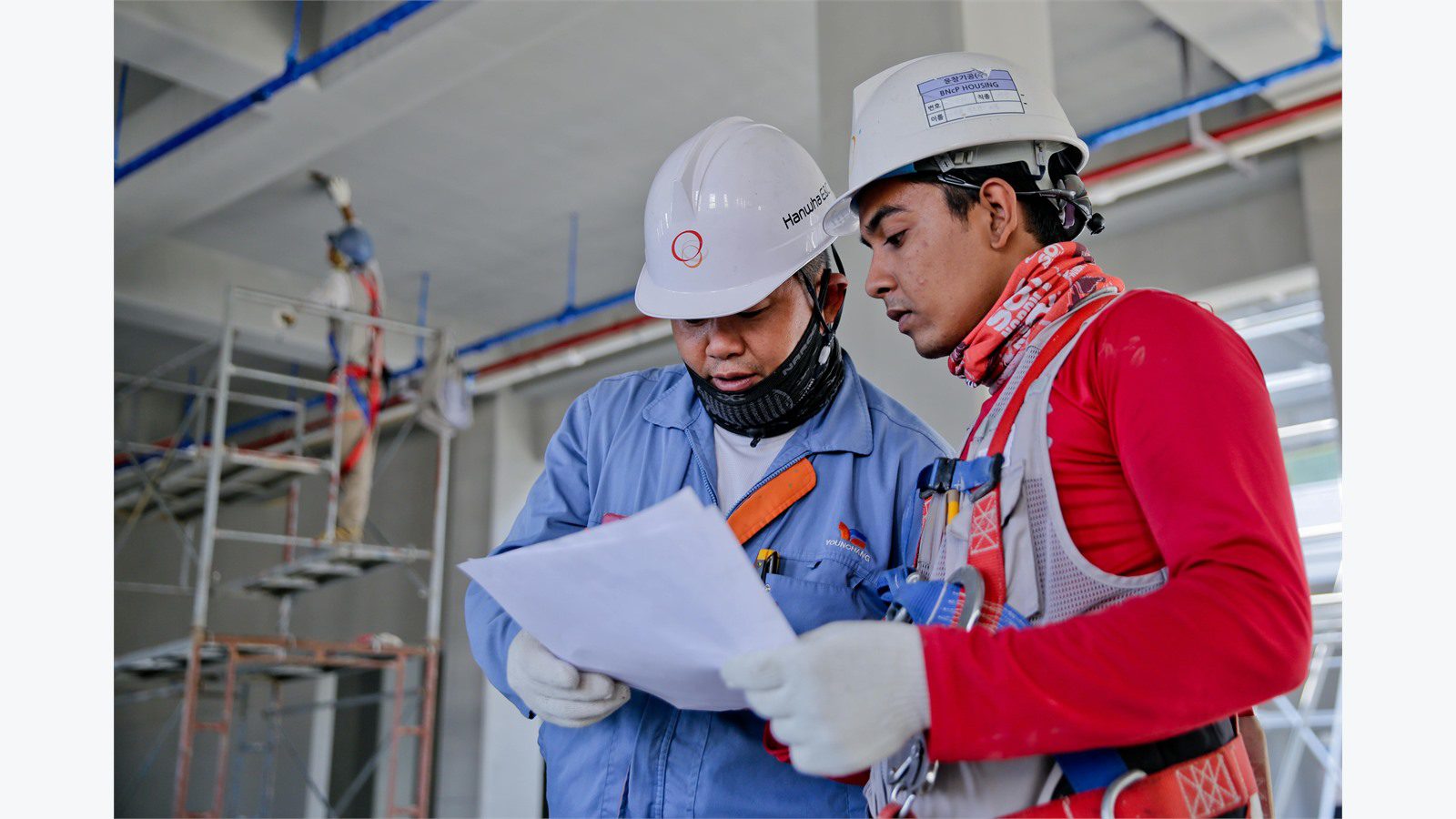
Maintenance is where a property management tech stack often succeeds or fails. A distributed company needs a clear flow from resident request to triage, assignment, vendor dispatch, field update, photo evidence, approval, invoice, and closeout. Without that flow, maintenance becomes a mix of texts, calls, lost photos, and unclear status. A property management tech stack should make every maintenance handoff visible.
Maintenance software should support mobile work orders, priority rules, asset details, unit access notes, resident availability, vendor assignment, cost estimates, approvals, parts notes, warranty details, before and after photos, and completion signatures where appropriate. For larger operators, it may also need preventive maintenance schedules, inventory, asset lifecycle tracking, and emergency escalation.
Inspections should be part of the same operating model. Move in inspections, move out inspections, annual inspections, safety checks, common area reviews, and property condition reports should be captured in a standard mobile format. Photos should be time stamped and linked to the unit, asset, or work order.
A property management tech stack should make maintenance transparent for residents and managers. Residents should know whether a request is received, scheduled, waiting on parts, assigned to a vendor, or completed. Managers should see aging work orders, SLA breaches, repeat issues, vendor performance, cost by property, and emergency trends.
The company should define maintenance categories before software rollout. Examples include plumbing, HVAC, electrical, appliance, pest, access, safety, grounds, common area, turnover, and capital repair. Clean categories make reporting useful.
Vendor workflows are equally important. If vendors receive work by email but close tasks by phone, the system loses history. A better model gives vendors controlled access, clear instructions, photo upload, quote approval, and invoice submission. This creates a stronger audit trail and reduces disputes.
Layer 4: unify accounting, owner reporting, and portfolio analytics
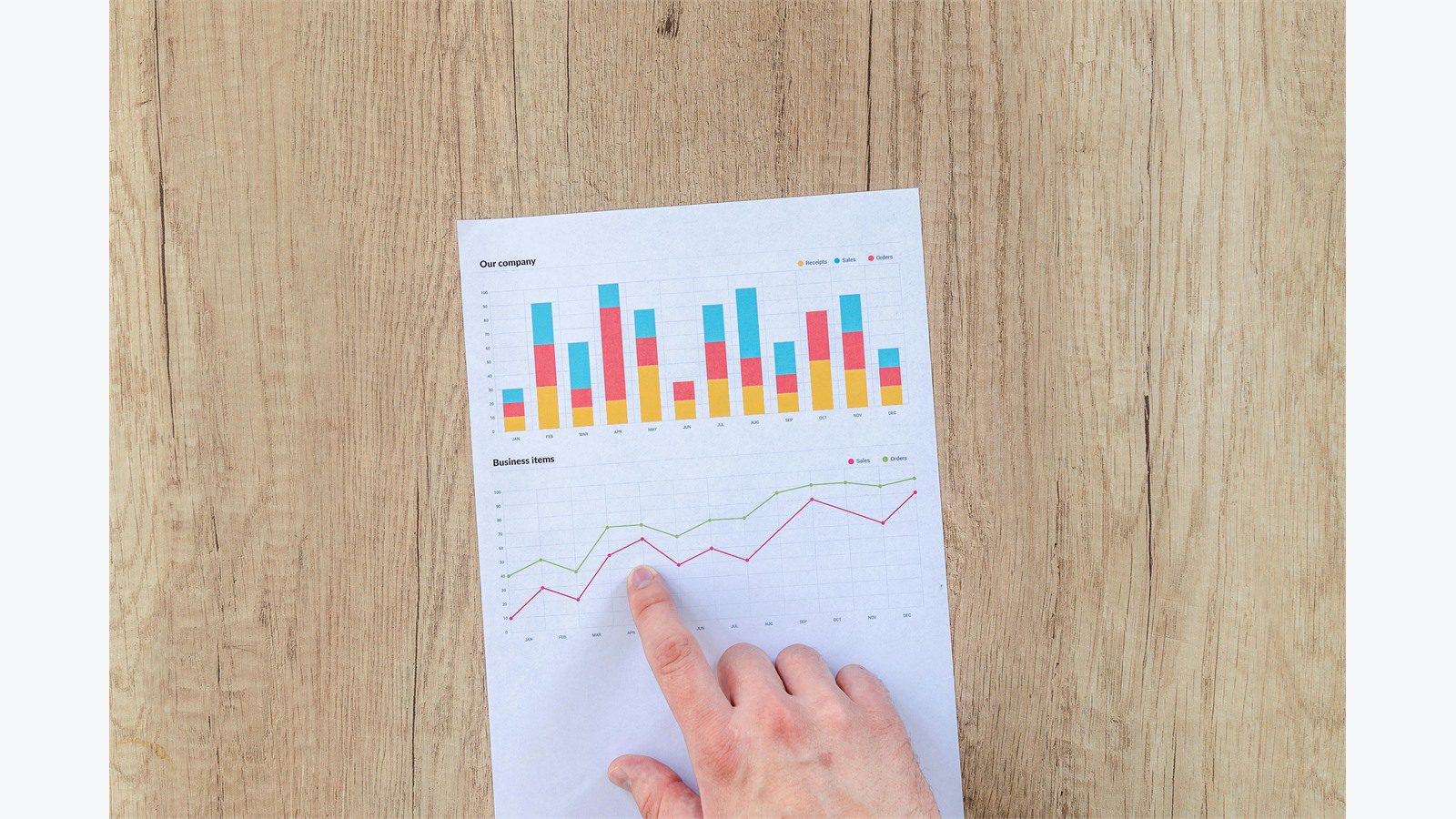
Accounting is the trust layer of the property management tech stack. Owners, boards, investors, residents, and executives depend on accurate financial records. Distributed teams need accounting processes that do not rely on paper files, local desktop software, or one person manually reconciling everything at month end.
A good accounting layer should handle rent charges, receipts, deposits, refunds, payables, management fees, owner distributions, bank reconciliation, budgets, late fees, CAM or association charges where relevant, and financial statements. It should also separate property level accounting from company level accounting when needed.
Owner reporting should be standardized. A distributed property management company should not create custom manual reports for every owner unless the fee structure supports that service. The stack should produce consistent statements, rent rolls, delinquency summaries, work order cost summaries, budget variance reports, and document packages.
Analytics should sit above the operating systems, not replace them. Dashboards should pull from the PMS, accounting, maintenance, communication, and payment layers. Useful metrics include occupancy, vacancy days, renewal rate, delinquency, average days to complete work orders, maintenance spend per unit, leasing conversion, resident satisfaction, response time, and owner distribution timing.
A property management tech stack becomes more valuable when the reporting model is designed before tools are connected. Define the portfolio hierarchy, property codes, owner entities, unit types, chart of accounts, vendor categories, maintenance categories, and KPI definitions. Otherwise, dashboards will display inconsistent data that leaders do not trust. A property management tech stack reporting plan should define each KPI before the first dashboard is built.
Finance teams should also document month end close. Who approves charges? Who reconciles deposits? Who reviews exceptions? Who releases owner statements? Which reports are final? A distributed company needs a close calendar and clear handoffs.
Layer 5: standardize communications for residents, owners, vendors, and staff

Communication tools are often scattered across the property management tech stack. Residents call office phones, send SMS messages, email local staff, use portal notes, and sometimes contact field technicians directly. Owners may email accountants, managers, or executives. Vendors may text coordinators. Without a shared communication layer, remote staff cannot see the full history.
A distributed company should standardize the channels it will support. The usual stack includes VoIP phone service, shared inboxes, SMS, resident portal messages, owner portal messages, internal chat, video meetings, and ticketing. The key is not the number of channels. The key is that each channel has ownership, response standards, and history capture.
A property management tech stack should route messages by workflow. Leasing inquiries should not land in the same queue as emergency maintenance. Owner accounting questions should not be buried inside a general resident inbox. Internal team chat should not replace official resident records.
Response standards matter. Define which messages are urgent, which are routine, which require documentation, and which trigger escalation. For example, emergency maintenance should use a different workflow than a general question about amenities. Payment disputes should create a documented case. Lease notices should follow approved templates. A property management tech stack communication policy keeps remote teams consistent.
Communications also shape remote team culture. Distributed property teams need daily visibility without constant meetings. Shared dashboards, team chat channels, documented decisions, and short operating rhythms can keep everyone aligned. Video meetings should be reserved for training, exceptions, owner reviews, and cross functional planning.
Keep resident data protected. Staff should not store resident information in personal phones, unmanaged email, or private chat threads. The communication layer should support company ownership, retention, access control, and auditability.
Layer 6: control documents, compliance, and approvals
Documents are a major risk area in a property management tech stack. Lease files, applications, IDs, insurance certificates, inspection reports, vendor contracts, board packets, notices, permits, tax forms, banking documents, and owner agreements all need secure storage and consistent retention. Distributed teams cannot rely on filing cabinets or scattered desktop folders.
The document layer should support structured folders, metadata, permission controls, e signatures, version history, approval workflows, retention rules, and search. It should also integrate with the PMS where possible so documents are linked to the correct property, unit, resident, owner, vendor, or work order. A property management tech stack with document governance reduces risk during audits and owner disputes.
Compliance requirements vary by location and portfolio type. A residential operator may need fair housing records, screening documentation, deposit handling records, habitability notices, and local inspection documents. Commercial managers may need insurance certificates, lease abstracts, vendor compliance, access logs, and emergency plans. HOA managers may need board approvals, architectural requests, meeting minutes, and violation histories.
A property management tech stack should include approval rules. Examples include invoice approvals over a threshold, lease concession approvals, vendor onboarding approvals, refund approvals, capital repair approvals, data access approvals, and document deletion rules. Approvals should be visible and logged.
Security frameworks help here. The NIST Cybersecurity Framework is useful for organizing identify, protect, detect, respond, and recover activities around business systems. Property management companies may not think of themselves as technology firms, but they hold financial records, identity information, payment data, leases, and access details that require careful protection.
Use least privilege. A leasing coordinator may need application documents but not owner bank details. A maintenance vendor may need work order details but not resident payment history. An accountant may need financial records but not every HR document. Role design is part of the stack, not an afterthought.
Layer 7: connect integrations, automations, and data workflows

Integrations turn a set of tools into a property management tech stack. Without integrations, staff copy data from one screen to another. That creates delays, mistakes, and reporting gaps. With the right integrations, applications, payments, work orders, documents, vendor invoices, communications, and dashboards move through a controlled workflow.
Start by mapping the most painful handoffs. Common examples include application to lease, lease to rent schedule, portal payment to accounting, maintenance request to vendor assignment, inspection photo to work order, invoice approval to accounting, owner report to document portal, and delinquency list to communication workflow. A property management tech stack integration plan should prioritize these high volume handoffs first.
Not every integration needs custom software. Some can be handled by native platform connections, secure exports, workflow automation tools, or managed integration platforms. Others require custom APIs or middleware. The decision should depend on volume, risk, data sensitivity, and long term maintenance cost.
A property management tech stack should include automation guardrails. Automating a bad process only makes bad data move faster. Before automating, define who owns the workflow, which fields are required, what exceptions look like, and how errors are corrected. Every automated flow needs monitoring and a fallback process.
Data quality is the hidden multiplier. If property codes, resident names, vendor categories, lease statuses, and chart of accounts values are inconsistent, integrations will spread confusion. Create naming standards and required fields before connecting systems.
Payment integrations require extra care. The PCI Security Standards Council provides guidance for payment security standards. Even if payment processing is handled by a vendor, the company should understand responsibilities around access, data storage, network security, and staff training.
The best integrations reduce visible friction. Leasing teams should not retype resident data. Maintenance coordinators should not chase status by phone. Accountants should not rebuild reports from CSV files every month. Leaders should not wait until month end to see performance.
Security, access, and device controls for distributed teams

Security is not a separate add on. It is a required layer in the property management tech stack. Distributed teams work from home offices, leasing offices, model units, shared workspaces, vehicles, and vendor locations. That creates more devices, more networks, more cloud accounts, and more chances for data exposure.
Identity should be the first control. Use single sign on where possible, multi factor authentication, strong password policy, role based permissions, and prompt access removal when staff or vendors leave. Shared accounts should be eliminated because they make accountability impossible. A property management tech stack without identity discipline creates avoidable risk.
Device management is also essential. Laptops, phones, and tablets used for property work should have encryption, screen locks, endpoint protection, patching, remote wipe, and backup policies. Field devices should be configured so photos, resident notes, and access details do not end up in personal accounts.
A property management tech stack should include backup and recovery planning. Cloud tools reduce some infrastructure work, but they do not remove the need for recovery procedures. The company should know how to restore key records, export critical data, recover from accidental deletion, and respond if a vendor platform has an outage.
Security training should use property management examples. Staff should know how phishing emails may target rent payments, owner distributions, wire instructions, vendor invoices, portal passwords, or emergency maintenance requests. Finance and accounting staff need extra awareness around payment changes and bank detail updates.
Remote access should be simple and controlled. If staff need VPN, virtual desktop, or secure browser access, it should be documented and supported. If the company uses many cloud apps, access reviews should be scheduled quarterly. The goal is to keep work moving without exposing resident, owner, vendor, or company data.
A 90 day rollout roadmap for distributed property operators

A property management tech stack should be rolled out in phases. Trying to replace every tool at once can overwhelm staff and disrupt residents. A 90 day roadmap gives leaders enough structure to make progress while controlling risk.
Days 1 through 15 should focus on discovery. List every tool, spreadsheet, inbox, phone number, document folder, payment process, and reporting workflow currently used. Identify duplicate systems, manual handoffs, compliance gaps, resident pain points, owner reporting issues, and staff frustrations.
Days 16 through 30 should focus on architecture. Decide which platform will be the source of truth, which tools stay, which tools leave, and which integrations matter first. Define property codes, user roles, document categories, maintenance categories, payment policies, and reporting definitions.
Days 31 through 45 should focus on data cleanup. Clean resident records, owner records, vendor records, lease dates, unit names, property hierarchy, chart of accounts values, document folders, and open work orders. A property management tech stack with messy data will disappoint users no matter how good the software looks.
Days 46 through 60 should focus on pilot workflows. Choose a property, region, or business line and test leasing, payments, maintenance, resident communication, accounting, documents, and reporting. Track adoption issues and support questions.
Days 61 through 75 should focus on training and change management. Create role based training guides for leasing, maintenance, accounting, property managers, executives, owners, vendors, and residents where needed. Use short process videos, checklists, and office hours.
Days 76 through 90 should focus on measured rollout. Expand by property group or region. Monitor work order cycle time, portal adoption, payment exceptions, response times, close calendar, ticket volume, and data errors. Fix process gaps before scaling further. A property management tech stack rollout should prove value before every region is converted.
A good rollout ends with ownership. Every layer needs an owner, a backup owner, a support path, and a review rhythm. Technology is only stable when someone is responsible for keeping it clean.
Property management tech stack FAQ

What is the first tool a distributed property management company should choose?
Start with the cloud property management system because it should become the source of truth for properties, units, leases, residents, owners, vendors, charges, and work orders. After that, add portal, payment, maintenance, accounting, communication, document, reporting, integration, and security layers around it.
How many tools should be in the stack?
Most companies need fewer tools than they think. The right number depends on portfolio size and complexity. A small operator may use one strong platform plus accounting, communications, and security tools. A larger distributed operator may need specialized systems for maintenance, inspections, analytics, document management, and integrations.
Should property managers use one all in one platform or best of breed tools?
An all in one platform can reduce integration work and training complexity. Best of breed tools can provide stronger capabilities for maintenance, accounting, leasing, analytics, or communications. The best property management tech stack balances simplicity, integration quality, workflow fit, reporting needs, and long term cost.
What is the biggest mistake during rollout?
The biggest mistake is buying software before cleaning process and data. Old property codes, duplicate resident records, missing lease dates, unclear approval rules, and unmanaged document folders will follow the company into the new system. Clean workflows before scaling the stack.
How does the stack support remote employees?
It gives remote employees shared records, cloud access, clear roles, digital approvals, centralized communication history, mobile maintenance tools, dashboards, and secure devices. The result is less dependence on local offices and less manual follow up.
When should a company ask for outside help?
Outside help is useful when the company has multiple locations, messy data, unclear workflows, aging tools, security gaps, or integration needs. Progressive Robot can assess the current environment, design a practical property management tech stack, automate handoffs, improve reporting, and help teams roll out changes with less disruption.










