

Legacy system bottlenecks drain annual corporate profits because they rarely appear as one obvious invoice. They show up as waiting time, duplicate data entry, delayed approvals, slow releases, emergency support, customer friction, audit cleanup, and missed opportunities that compound quietly across the year.
Most executives already know that aging systems are inconvenient. The harder truth is that inconvenience becomes a margin problem. A slow ERP screen can delay billing. A brittle integration can force manual reconciliation. A dated customer portal can reduce conversion. A fragile reporting pipeline can make planning less accurate. Legacy system bottlenecks turn ordinary business processes into hidden cost centers.
The issue is not age alone. Some older platforms remain stable, secure, and valuable. The profit drain starts when a system blocks throughput, increases labor, slows decisions, raises risk, or prevents teams from serving customers at the speed the market expects. That is when technical debt becomes business debt.
For companies working on IT solutions and services, IT consulting, workflow automation, and DevOps services, the goal is not to replace everything at once. The goal is to find the bottlenecks that cost the most, fix them in the right order, and protect operations while modernization pays back.
| Profit leak | How it appears | Executive question |
|---|---|---|
| Waiting time | employees pause for slow systems | How many hours are lost each month? |
| Rework | teams re-enter or correct data | Which errors touch revenue or compliance? |
| Integration gaps | systems do not pass data cleanly | Where does the handoff break? |
| Outages | fragile platforms require emergency support | Which incidents stop customers or billing? |
| Security exposure | old tools are hard to patch or monitor | What risk is accepted by delay? |
| Slow change | releases take weeks instead of days | Which market moves are blocked? |
| Data blind spots | reports are late or inconsistent | Which decisions use stale numbers? |
Legacy system bottlenecks at a glance
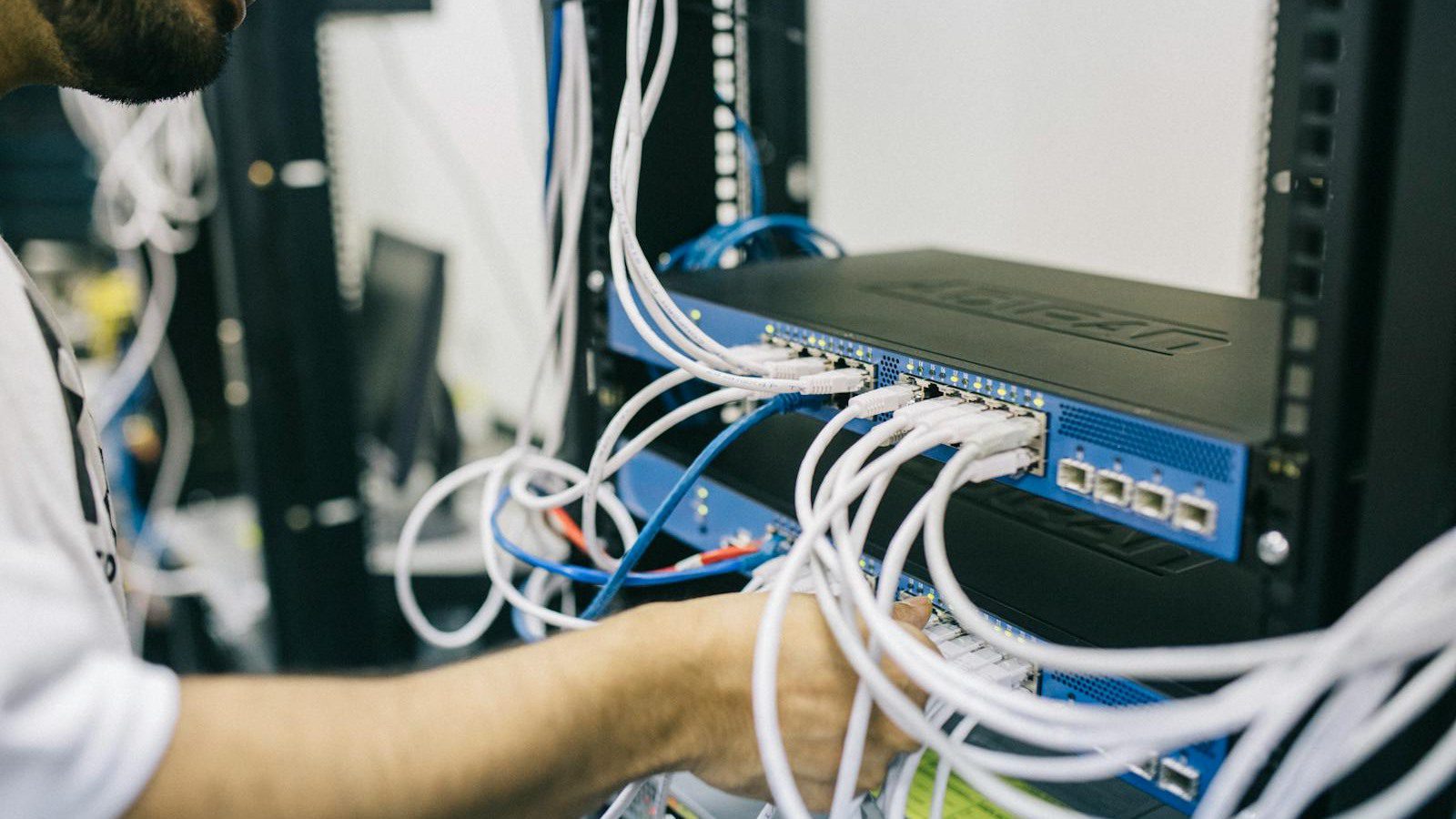
Legacy system bottlenecks are constraints inside older applications, infrastructure, databases, integrations, reports, workflows, or support models that slow business performance. They may involve mainframes, custom applications, old ERP modules, on-premise databases, unsupported middleware, manual spreadsheets, dated customer portals, or vendor platforms that no longer match current needs.
Legacy system bottlenecks deserve executive attention because they convert technical friction into financial drag. The symptom may start in a server room, support queue, or integration script, but the cost often appears in payroll, customer retention, working capital, and missed growth.
The important word is bottleneck. An older system is not automatically a problem. It becomes a profit leak when it limits the flow of orders, support tickets, approvals, invoices, inventory updates, customer onboarding, product releases, compliance reporting, or management decisions.
Legacy system bottlenecks should be measured where work actually slows, not only where technology looks old.
A company can often feel the problem before it can measure it. Employees complain that the system is slow. Managers ask for spreadsheet workarounds. IT teams avoid changes because the dependency map is unclear. Finance sees rising support costs. Customers wait longer than they should. Executives hear that a simple process is impossible because “the system does not do that.”
Legacy system bottlenecks are expensive because they spread. One slow approval can delay a shipment. One bad integration can create billing errors. One unreliable batch job can cause support tickets the next morning. One missing API can force teams to copy data across tools. The cost is not only technology maintenance. It is lost throughput.
The U.S. Government Accountability Office has repeatedly highlighted how aging systems can increase operating risk and maintenance burden in large organizations. The same pattern appears in the private sector. The McKinsey digital transformation guidance also reinforces that transformation should change how value is created, not just update technology labels.
Leak 1: employee waiting time becomes silent payroll waste

The first profit leak is the easiest to dismiss because it looks like minor inconvenience. A page takes ten extra seconds to load. A report runs overnight. A file share responds slowly. A support agent waits for a customer profile. A warehouse employee refreshes a screen. A finance analyst keeps retrying an export.
Those delays become expensive when multiplied by headcount and frequency. Ten minutes per person per day may sound small, but across hundreds or thousands of employees it becomes a material annual payroll loss. Legacy system bottlenecks make people spend paid time waiting instead of producing.
Legacy system bottlenecks are especially costly when the delay touches repeated tasks such as quotes, claims, tickets, approvals, orders, reconciliations, or inventory updates. A small wait inside a high-volume process becomes a large margin leak.
The problem is worse when employees adjust their behavior around slow systems. They batch work at the end of the day, avoid updating records, maintain offline notes, or delay customer responses. The company may not see a downtime event, but productivity is still leaking.
Legacy system bottlenecks make those productivity leaks repeat long after teams stop complaining about them.
Leaders should measure waiting time in business processes, not just system performance. Which roles interact with the slowest tools? How many transactions do they process? How often do delays occur? Which customer-facing steps are affected? A technical dashboard may show server response time, but a profit model shows labor cost, cycle time, and customer impact.
The safest first move is to identify high-volume workflows where small delays repeat all day. These are often stronger modernization candidates than rare technical irritations because the payback is easier to prove.
Leak 2: manual workarounds create rework and error costs

When systems cannot support current workflows, employees create workarounds. They export spreadsheets, retype data, email attachments, keep side databases, copy values from one screen to another, or ask a senior employee to “know the trick.” These behaviors are rational responses to bad system fit, but they drain profit.
Manual workarounds create rework. A customer name is misspelled in one system. A discount is copied incorrectly. An invoice is sent twice. A shipment address is out of sync. A compliance field is missing. A manager asks for the same report in a new format because the official data cannot be trusted.
Legacy system bottlenecks make these errors more likely because the clean path is too slow, too limited, or too fragmented. The business then pays twice: once for the original manual work and again for correction, escalation, customer service, audit cleanup, or credit adjustments.
Legacy system bottlenecks also make process improvement harder because the workaround becomes part of daily culture. Once people depend on side spreadsheets and private trackers, modernization must fix both the technology and the behavior around it.
The hidden cost is trust. When teams stop trusting core systems, they build private versions of the truth. Sales trusts the CRM export. Finance trusts the billing spreadsheet. Operations trusts the warehouse tracker. Executives receive conflicting reports and spend meeting time debating numbers instead of decisions.
Legacy system bottlenecks are often the reason those unofficial records survive even after leadership asks teams to standardize.
A practical fix starts with workflow discovery. Document where employees leave the official system, why they leave, what they create outside it, and what breaks downstream. Then rank each workaround by transaction volume, error rate, revenue impact, compliance risk, and automation potential.
Leak 3: integration gaps slow revenue cycles

Many corporate profit leaks occur between systems. A quote does not become an order cleanly. An order does not update inventory. A shipment does not update billing. A support case does not update account health. A contract does not update entitlement. A payment does not update reporting.
Integration gaps turn business handoffs into human labor. Teams export files, upload CSVs, reconcile differences, or wait for a nightly batch process that may fail. These legacy system bottlenecks slow the path from demand to cash.
Legacy system bottlenecks in integration are easy to underestimate because the manual bridge may be handled by a capable team. Capability does not remove the cost; it only hides the cost inside recurring labor and slower revenue movement.
The financial impact can be substantial. Delayed invoices push out cash collection. Order errors increase credits. Inventory uncertainty causes stockouts or excess purchases. Customer onboarding stalls because approvals and system setup are not connected. Sales teams lose time chasing status instead of closing the next deal.
Executives should examine revenue-cycle handoffs first. Where does a customer request become a quote? Where does a quote become a contract? Where does the contract become delivery? Where does delivery become invoice? Where does payment become recognized revenue? Each manual bridge is a potential profit leak.
Modernization does not always require replacing the core system immediately. Some organizations can create value by adding APIs, middleware, event streams, workflow automation, validation rules, better identity controls, or clean data pipelines around the system. The key is to reduce friction at the handoff where money is slowed.
Legacy system bottlenecks become easier to fund when each integration fix is tied to faster cash movement or fewer billing errors.
Leak 4: outages and fragile support inflate operating risk
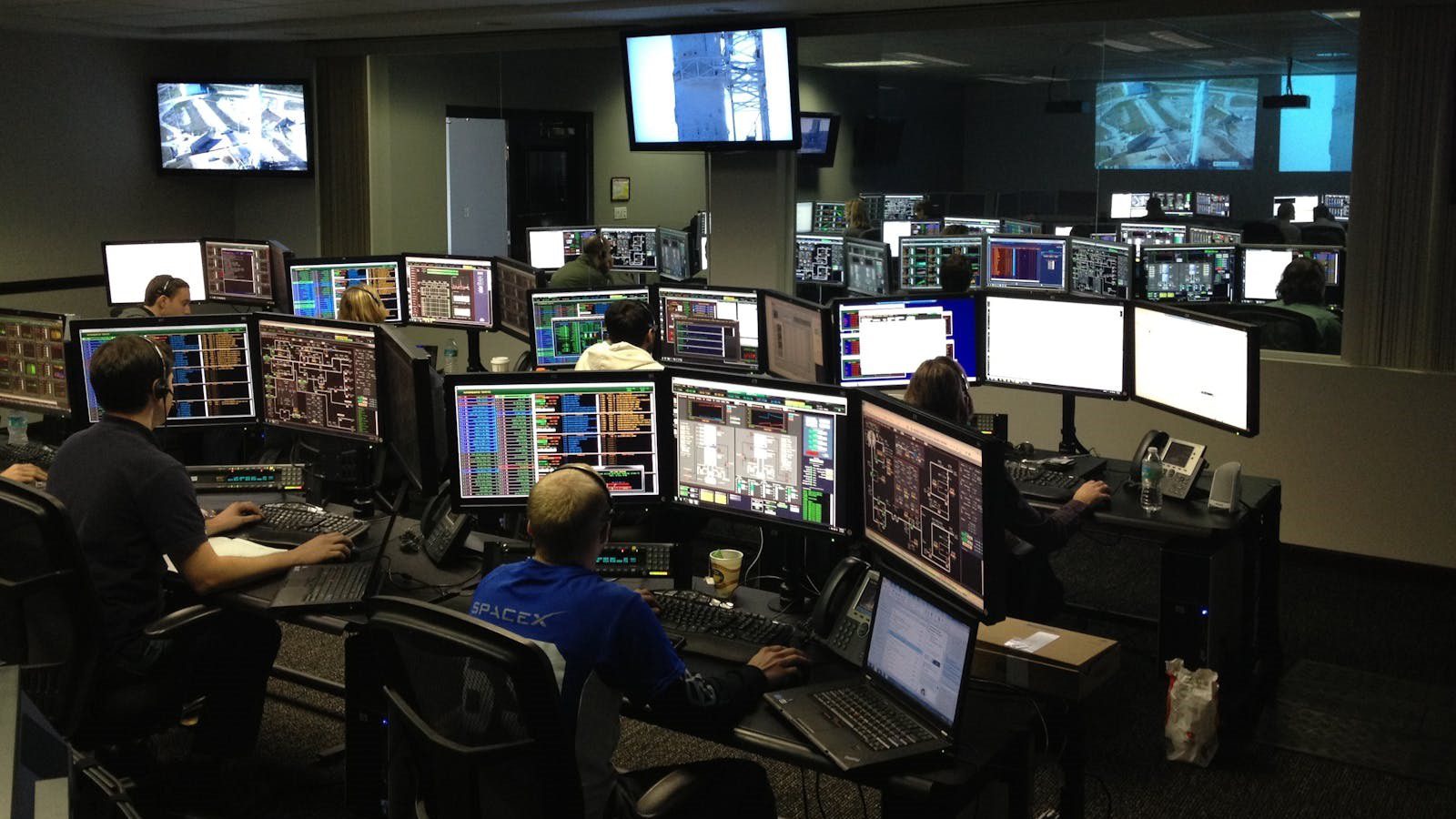
A fragile legacy platform may not fail every day, but the cost of keeping it alive can still drain profits. Specialists spend time nursing old dependencies. Vendors charge premium support. Patches require custom testing. Documentation is thin. Backups are hard to verify. Every change feels risky because no one fully understands the blast radius.
This is how legacy system bottlenecks become operating risk. Teams avoid improvements because the system is too fragile, but the lack of improvement makes the system even more fragile. Eventually, the business pays through outages, emergency work, delayed releases, and high dependency on a few experts.
Legacy system bottlenecks also reduce negotiating power. When a company cannot safely leave a platform, support vendor, or specialist contractor, renewal conversations become less about value and more about avoiding disruption.
Support fragility also creates opportunity cost. Senior engineers, analysts, administrators, and business experts spend time protecting the old environment instead of improving products, automating workflows, or strengthening customer experience. The company may think it is saving money by delaying modernization, while expensive talent is quietly absorbed by maintenance.
Leaders should separate maintenance cost from resilience cost. Maintenance cost includes licenses, infrastructure, support contracts, and staff time. Resilience cost includes downtime risk, recovery uncertainty, dependency on rare skills, change freezes, and the business impact of a major failure.
A better approach is progressive risk reduction. Improve monitoring, document dependencies, test backups, reduce unsupported components, automate repetitive support tasks, and isolate critical services. These steps can create profit protection while the broader modernization roadmap is being planned.
Legacy system bottlenecks should decline with each phase, even if the full replacement program takes longer.
Leak 5: security and compliance gaps raise avoidable exposure
Older systems often create security and compliance challenges. They may run unsupported operating systems, lack modern logging, depend on shared accounts, resist multi-factor authentication, use weak encryption, or require risky network access. Even when the system is stable, controls may lag behind current threats and regulatory expectations.
Security exposure becomes a profit drain before any breach occurs. Teams spend more time on compensating controls. Auditors request extra evidence. Cyber insurance reviews become harder. Customer security questionnaires take longer. Compliance teams cannot prove retention, access, or change history as cleanly as they should.
Legacy system bottlenecks in security often force leaders into uncomfortable tradeoffs. They can accept old risk, spend more on compensating controls, or start modernization under pressure instead of through a planned roadmap.
Legacy system bottlenecks also slow incident response. If logs are incomplete, dependencies are unclear, or administrators are scarce, containment and recovery take longer. That increases the potential business impact of ransomware, fraud, data loss, operational disruption, or regulatory investigation.
The right question is not simply whether an old system has ever been breached. The question is whether the company can prove that access is appropriate, changes are controlled, data is protected, activity is logged, vulnerabilities are managed, and recovery is tested.
Security modernization should be risk-ranked. Critical systems may need stronger identity controls, segmentation, encryption, monitoring, privileged access management, backup isolation, and incident playbooks before they are replaced. This reduces exposure while keeping the business running.
Leak 6: change delays reduce market responsiveness

Profit loss is not only about current cost. It is also about delayed growth. Legacy system bottlenecks can make a company slower to launch products, add pricing models, enter markets, integrate acquisitions, support partners, or meet customer expectations.
Legacy system bottlenecks become strategic when the business repeatedly says no to valuable ideas because the platform cannot support them. In that moment, modernization is no longer only an IT initiative; it is a growth capability.
The delay often appears in small phrases: the release window is quarterly, the vendor must customize it, the API is not available, the batch job cannot handle that volume, the database schema is too fragile, the report will take three weeks, or the testing cycle is too risky. Each phrase is a signal that the system is limiting business options.
Slow change is especially expensive when competitors can move faster. If a rival can launch a self-service feature in two weeks and your company needs two quarters, the bottleneck is strategic. If a new regulation requires reporting and the legacy system cannot produce evidence quickly, the bottleneck becomes compliance pressure. If an acquisition cannot be integrated for a year, expected synergies are delayed.
Leaders should track change lead time for business requests tied to revenue, cost reduction, compliance, and customer experience. How long does it take to change a workflow, add a field, connect a partner, update a price rule, or launch a report? Which systems appear in the delay most often?
Modernization priorities become clearer when change delay is converted into lost opportunity. Not every slow system deserves immediate replacement, but systems that repeatedly block growth deserve executive attention.
Leak 7: data blind spots weaken pricing, forecasting, and planning

The final profit leak is weak decision quality. Legacy system bottlenecks often trap data inside old databases, inconsistent reports, isolated departments, or manual exports. Leaders may receive dashboards, but the numbers are late, reconciled by hand, or missing key context.
Legacy system bottlenecks in data also weaken accountability. If teams cannot agree on source systems, definitions, or refresh timing, it becomes harder to assign owners, measure progress, and prove whether modernization is paying back.
Data blind spots affect profit directly. Pricing teams may not see margin leakage by product or customer segment. Finance may forecast using stale operational inputs. Sales may pursue accounts without reliable service history. Operations may overbuy inventory because demand and fulfillment data do not align. Executives may approve investments without knowing which process bottlenecks are most expensive.
The cost is not only bad reporting. It is slower learning. A company that cannot see performance clearly cannot improve performance quickly. Legacy system bottlenecks make it harder to test changes, compare outcomes, and scale what works.
A better data strategy starts with critical business questions. Which metrics drive profit? Which data sources support them? Which systems create delays or disagreement? Which definitions are inconsistent? Which reports require manual cleanup? Which decisions would improve if data arrived faster and cleaner?
The modernization answer may include data pipelines, API layers, master data management, analytics warehouses, observability, process mining, or retirement of redundant tools. The goal is to turn data from a byproduct of old systems into a reliable management asset.
Legacy system bottlenecks FAQ

How do legacy system bottlenecks drain annual corporate profits?
Legacy system bottlenecks drain profits through wasted employee time, rework, integration delays, outages, premium support, security exposure, slow releases, and weak data visibility. These costs accumulate across thousands of small transactions and decisions.
Are all legacy systems bad for profitability?
No. A legacy system can still be valuable if it is stable, secure, well understood, cost effective, and aligned with business needs. The problem starts when the system slows throughput, raises risk, blocks change, or requires expensive workarounds.
What should leaders measure first?
Start with high-volume workflows tied to revenue, billing, customer service, operations, and reporting. Measure cycle time, manual touches, error rates, waiting time, support tickets, incident frequency, change lead time, and cost of delay.
Is replacement always better than modernization?
No. Replacement can be risky and expensive. Many companies create faster value by wrapping old systems with APIs, automating handoffs, improving data pipelines, strengthening controls, documenting dependencies, or retiring only the weakest components first.
How do we build a business case for fixing bottlenecks?
Connect each bottleneck to dollars. Estimate labor waste, delayed revenue, customer churn risk, error correction, outage cost, compliance effort, support spend, and opportunity cost. Then compare those costs with phased modernization options.
Which bottlenecks should be fixed first?
Fix bottlenecks that touch revenue, customer experience, compliance, security, or high-volume manual work first. Also prioritize systems with high failure risk or rare skills dependency because they can create sudden operational disruption.
Legacy system bottlenecks should also move up the roadmap when several departments depend on the same fragile process. Cross-functional pain usually means the financial impact is larger than one team can see.
How can companies modernize without disrupting operations?
Use dependency mapping, phased delivery, pilots, parallel runs, rollback plans, stakeholder communication, and measurable success criteria. The safest roadmap reduces risk while delivering small improvements before larger platform changes.
Legacy system bottlenecks are not just IT annoyances. They are annual profit leaks hiding inside the daily operating model. The companies that win are not always the ones that replace every old tool fastest. They are the ones that identify the most expensive constraints, modernize in the right order, and turn technology from a drag on profit into a system for growth.
Legacy system bottlenecks should be reviewed as part of the annual planning cycle, not only after an outage or failed audit. When leaders quantify the recurring loss, modernization becomes easier to prioritize and easier to fund.
If your organization needs help finding the bottlenecks that cost the most, contact Progressive Robot to assess legacy systems, integration gaps, workflow automation opportunities, security exposure, and a practical modernization roadmap.