
Post-Quantum Cryptography: 7 Urgent Upgrade Steps
Post-quantum cryptography is no longer a distant research topic. It is a practical planning problem for every organization that depends on public-key encryption, digital signatures, software updates, VPNs, certificates, identity systems, APIs, cloud services, and long-lived confidential data.
The reason is simple: attackers do not need a cryptographically relevant quantum computer today to create business risk today. They can capture encrypted traffic, archived files, signed artifacts, or sensitive exchanges now and wait for future quantum capability to decrypt or challenge them later. That strategy is often called Harvest Now, Decrypt Later, and it changes the migration timeline.
NIST has already released the first three finalized post-quantum standards: FIPS 203 for ML-KEM, FIPS 204 for ML-DSA, and FIPS 205 for SLH-DSA. NSA guidance for national security systems also warns that now is the time to plan, prepare, and budget for a transition to quantum-resistant algorithms. For business teams, the practical message is clear: Post-quantum cryptography should become a managed roadmap, not a last-minute scramble.
Post-quantum cryptography at a glance

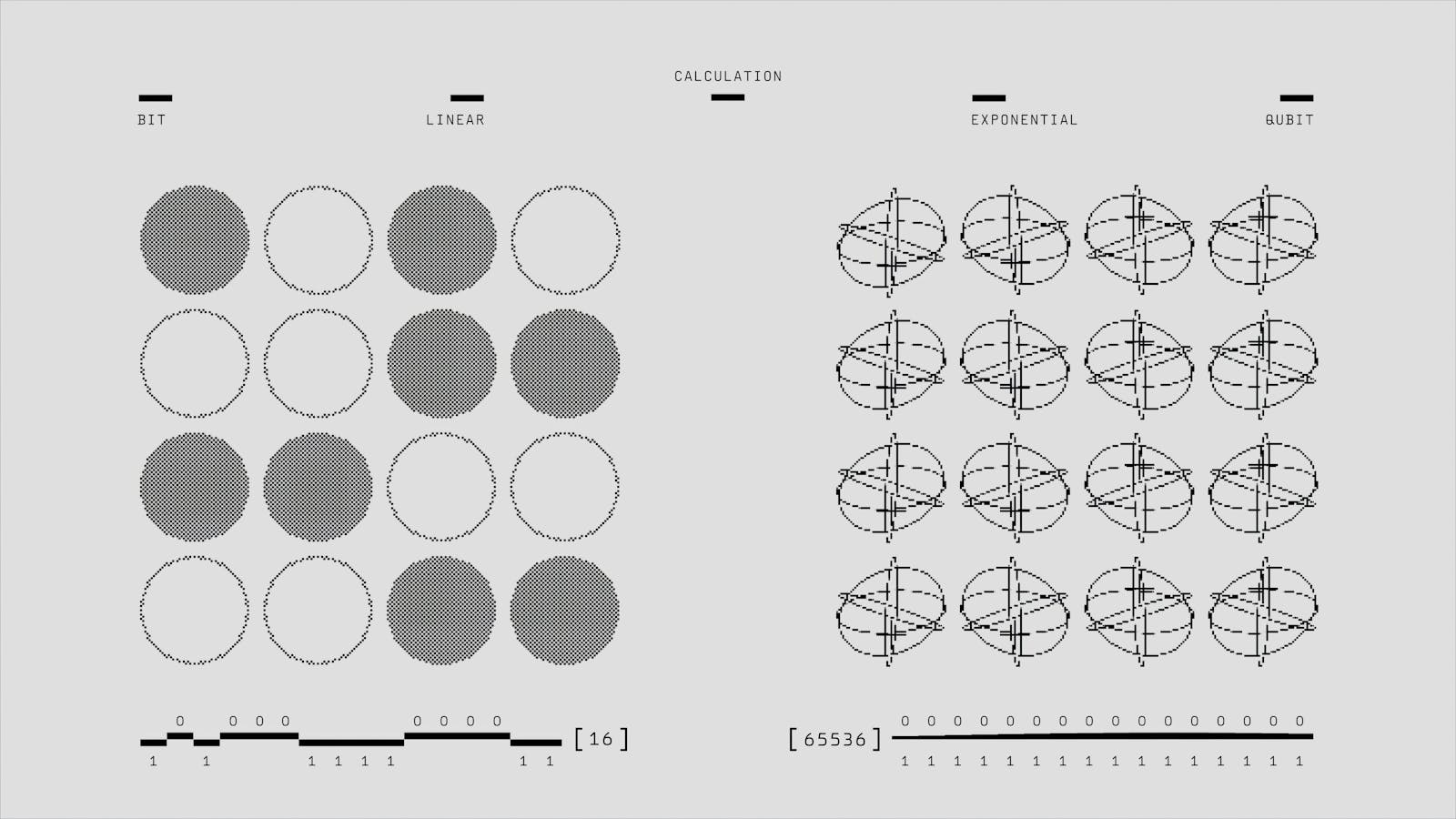
Post-quantum cryptography, often shortened to PQC, means cryptographic algorithms designed to resist attacks from both classical computers and sufficiently powerful quantum computers. It does not mean sending data through quantum networks. It usually means replacing or augmenting vulnerable public-key algorithms such as RSA, Diffie-Hellman, and elliptic-curve cryptography in places where they provide key exchange, authentication, or signatures.
The first business goal is not to replace every encryption component overnight. Post-quantum cryptography starts by showing where quantum-vulnerable cryptography exists, which data has the longest confidentiality life, and which high-risk paths need upgrades first.
| Area | Current risk | PQC migration question |
|---|---|---|
| TLS and APIs | Key exchange may rely on quantum-vulnerable public keys | Which endpoints can test hybrid key exchange? |
| Code signing | Long-lived signatures may need durable trust | Which build and update systems need new signature plans? |
| VPNs and remote access | Sensitive traffic may be captured today | Which tunnels protect long-lived secrets? |
| PKI and certificates | Certificate chains depend on algorithms and vendor support | Which certificate authorities support quantum-safe options? |
| Archives and backups | Encrypted data may outlive current algorithms | Which records must stay confidential for years? |
Post-quantum cryptography is a transition program because cryptography is embedded everywhere. It touches infrastructure, applications, suppliers, procurement, architecture, compliance, and user experience.
Why harvest now, decrypt later changes the timeline
Harvest-now attacks matter because encryption value depends on time. A stolen password reset token may expire quickly. A customer health record, merger document, defense contract, or trade secret may remain sensitive for years. If that long-lived data is captured under quantum-vulnerable key exchange, future decryption can still create harm.
This does not mean panic. It means prioritization. Post-quantum cryptography planning asks a better question than, “Will quantum computers break everything tomorrow?” The better question is, “Which encrypted data would hurt us if someone could decrypt it five, ten, or fifteen years from now?”
Post-quantum cryptography planning should therefore begin with confidentiality shelf life. A finance team may care about seven-year records. A healthcare provider may care about lifetime medical information. A manufacturer may care about product designs. A SaaS vendor may care about tenant data, signing keys, and customer integration secrets. Each case creates a different urgency.
The migration also takes time because cryptographic changes must be tested carefully. Larger keys, different signature sizes, protocol negotiation issues, hardware constraints, certificate chain limits, and legacy integrations can all create outages. A safe roadmap starts early because the final cutover may be the easiest part.
Step 1: Inventory cryptography everywhere

The first step is a cryptographic inventory. Without it, Post-quantum cryptography becomes guesswork. Security leaders need a living map of where public-key cryptography is used and who owns each dependency. Post-quantum cryptography inventory work should be specific enough for engineers and simple enough for executives to fund.
Start with obvious infrastructure: internet-facing TLS, internal service mesh traffic, VPNs, SSH, S/MIME, certificate authorities, identity providers, hardware security modules, secrets managers, endpoint management, backup encryption, code signing, container signing, mobile app signing, IoT firmware updates, and database connections.
Then map less obvious locations. Look for embedded devices, third-party appliances, payment systems, document signing workflows, B2B file transfer, legacy middleware, customer SDKs, message queues, partner APIs, and outsourced platforms. Ask vendors to identify vulnerable algorithms and planned PQC support.
A useful inventory should include:
- System name and business owner.
- Algorithm, key size, certificate authority, and protocol version.
- Data type and confidentiality shelf life.
- External dependencies and vendor roadmap status.
- Upgrade path, test owner, and expected constraints.
- Required compliance or customer commitments.
This is a strong fit for teams already building an AI strategy or broader digital transformation plan, because encryption modernization is a foundation for trustworthy automation.
Step 2: Rank data by quantum shelf life

Not every system needs the same urgency. Ranking data by quantum shelf life keeps the roadmap practical. Put the longest-lived, highest-impact data at the top: regulated records, intellectual property, authentication secrets, legal documents, M&A materials, product designs, critical infrastructure telemetry, and customer datasets with long retention periods.
Post-quantum cryptography should also protect trust anchors. If attackers can challenge software updates, device identities, or certificate chains, they may not need to decrypt historical data to create damage. That is why digital signatures deserve early attention alongside key exchange.
Use a simple tiering model:
| Tier | Data or trust object | Migration posture |
|---|---|---|
| Tier 1 | Data sensitive beyond 2030, critical signatures, crown-jewel secrets | Start pilots and vendor deadlines now |
| Tier 2 | Important business data with multi-year value | Inventory, test, and align with refresh cycles |
| Tier 3 | Short-lived operational data | Monitor standards and migrate during normal upgrades |
This tiering helps executives budget the work. It also prevents teams from wasting early energy on low-value systems while sensitive archives remain exposed.
Step 3: Choose NIST-ready algorithms by use case
Post-quantum cryptography standards are not one-size-fits-all. NIST’s finalized standards split the work into key establishment and digital signatures. ML-KEM, standardized in FIPS 203, is intended for general encryption through key encapsulation. ML-DSA, standardized in FIPS 204, is the primary digital signature standard. SLH-DSA, standardized in FIPS 205, provides a hash-based signature option and a backup approach.
That distinction matters. A TLS connection, VPN tunnel, software update package, API client certificate, and document-signing workflow do not all need the same algorithm or migration pattern. Some environments will adopt hybrid modes first, combining a classical algorithm with a post-quantum algorithm during a transition period. Others will wait for vendor-certified implementations before production use.
The roadmap should define approved choices by use case. For example:
- Key establishment for external and internal TLS.
- Digital signatures for code, firmware, documents, and certificates.
- Hybrid modes for high-risk communications during transition.
- Fallback rules for legacy clients and regulated environments.
- Decommission dates for vulnerable algorithms after compatibility is proven.
This is where AI governance platforms and security governance can meet. A controlled algorithm catalog reduces random experimentation and keeps PQC adoption auditable.
Step 4: Upgrade certificates, TLS, VPNs, and keys

Certificates and protocols are where many organizations will feel the migration. Browser ecosystems, certificate authorities, cloud load balancers, API gateways, VPN concentrators, service meshes, endpoint agents, and monitoring tools must all handle larger keys, new signatures, and new negotiation behavior. Post-quantum cryptography rollouts should therefore be tied to certificate automation and rollback plans.
Post-quantum cryptography pilots should start in controlled environments. Test internal services before customer-facing traffic. Measure handshake latency, certificate size impact, packet fragmentation, load balancer support, client compatibility, logging visibility, and failure behavior. Do not assume that a library upgrade is enough.
Build a migration backlog around concrete assets:
- Public websites and customer portals.
- Internal APIs and service-to-service traffic.
- VPNs, ZTNA tools, and remote access gateways.
- Machine identities and private certificate authorities.
- CI/CD signing keys and software supply chain controls.
- Mobile, desktop, and embedded update channels.
Teams with mature DevOps services can move faster because certificates, key rotation, and deployment validation are already automated. If those processes are manual, fix the process before forcing PQC changes through it.
Step 5: Test hybrid deployments before cutover
Hybrid deployment lets teams reduce quantum risk while maintaining classical security and compatibility during transition. In simple terms, a hybrid approach combines a traditional algorithm with a post-quantum algorithm so an attacker would need to break both to compromise the protected exchange.
Hybrid is not magic. It increases complexity. It may create larger handshakes, new interoperability issues, and new monitoring needs. But for sensitive systems with long confidentiality requirements, it can be a sensible bridge while ecosystems mature.
A pilot should answer practical questions:
- Which clients and servers negotiate successfully?
- What breaks when certificates, signatures, or key shares grow?
- Can monitoring tools identify downgrade attempts or negotiation failures?
- Do disaster recovery and rollback procedures still work?
- Are hardware security modules and cloud key services ready?
Post-quantum cryptography pilots should produce evidence, not assumptions. Treat every test as an opportunity to update the inventory, document constraints, and refine deployment patterns.
Step 6: Pressure vendors and cloud providers

Most companies cannot migrate alone. Cloud platforms, SaaS vendors, network providers, hardware vendors, identity platforms, certificate authorities, managed service providers, and security tools all control pieces of the cryptographic stack. Post-quantum cryptography readiness must be a vendor-management question, not only an internal architecture question.
Ask direct questions during renewals and procurement. Which NIST standards will the product support? What is the expected timeline? Will hybrid modes be available? How will customers rotate keys and certificates? Which compliance reports will document the change? What happens to older agents, appliances, SDKs, and mobile apps?
Post-quantum cryptography belongs in vendor risk management. Add PQC readiness to security questionnaires, architecture reviews, and contract language for systems that process sensitive or long-lived data. If a vendor handles Tier 1 data and has no migration plan, that is a business risk.
This also connects to workflow automation. Vendor evidence, exceptions, renewal dates, and roadmap commitments should flow into a tracked process instead of living in inboxes.
Step 7: Govern the migration like a risk program

PQC migration needs governance because it cuts across teams. Security owns risk, but infrastructure owns protocols, application teams own dependencies, legal owns retention concerns, procurement owns vendors, compliance owns evidence, and executives own funding.
Create a small steering group with authority to prioritize systems, approve algorithm choices, set exception rules, and report progress. Keep the roadmap tied to measurable outcomes: inventory coverage, Tier 1 system test completion, vendor readiness, certificate automation, signing-key modernization, and deprecation of vulnerable algorithms.
Post-quantum cryptography should not be framed as a one-time project. Cryptographic agility is the durable capability. That means your organization can discover algorithms quickly, rotate keys safely, adopt new standards, retire weak primitives, and prove the state of protection during audits or customer reviews.
For teams modernizing operations through business process automation, PQC governance is a useful test case. If key owners, system owners, evidence, and approvals are visible, the migration becomes manageable.
Post-quantum cryptography FAQ

Is Post-quantum cryptography only for governments?
No. Government agencies and national security systems have stricter timelines, but businesses also depend on public-key cryptography. Any organization with long-lived confidential data, signed software, regulated records, or customer trust obligations should plan.
Should we replace RSA and ECC immediately?
Not everywhere at once. Start with an inventory, data shelf-life ranking, vendor readiness, and controlled pilots. Production cutover should follow standards, tested implementations, and compatibility evidence.
Does symmetric encryption need the same migration?
The largest quantum threat is to widely used public-key systems. Symmetric encryption is affected differently; larger symmetric key sizes can often provide adequate protection. Still, the whole architecture should be reviewed because systems combine symmetric and public-key methods.
What is the biggest mistake?
Waiting for a crisis. Post-quantum cryptography migration requires discovery, vendor coordination, testing, procurement, automation, and governance. Starting early lowers outage risk.
Who should own the roadmap?
Security should coordinate the risk program, but ownership must be shared with infrastructure, application engineering, procurement, legal, compliance, and business system owners.
Final take

Post-quantum cryptography is a readiness problem before it is a replacement problem. The organizations that move best will not be the ones that panic; they will be the ones that know where cryptography lives, which data must stay confidential longest, which vendors are ready, and which systems can be upgraded safely.
The roadmap is straightforward: inventory, rank, standardize, pilot, automate, pressure vendors, and govern. That work reduces Harvest Now, Decrypt Later exposure now while building cryptographic agility for whatever standards and threats come next.
If your organization handles sensitive data, signed software, customer portals, regulated records, or long-lived intellectual property, start the Post-quantum cryptography roadmap before the quantum deadline becomes an emergency.
More AI coverage: explore Progressive Robot's AI Models, Tools & Releases hub — hands-on reviews, setup guides and benchmarks in one place.










