
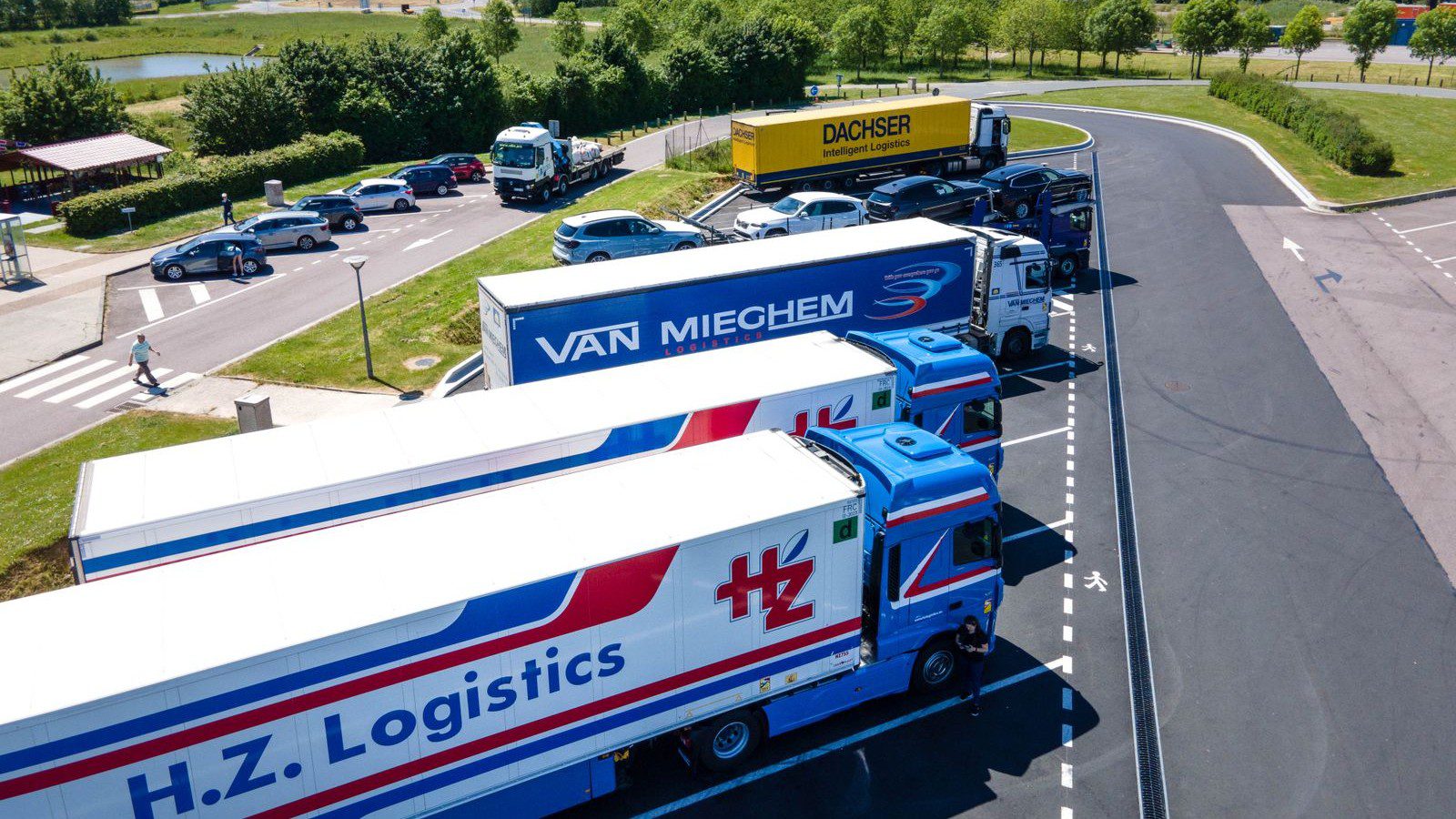
Autonomous fleet telematics is the backend discipline that turns self-driving logistics vehicles into a manageable digital fleet. Each autonomous truck, van, yard vehicle, and warehouse handoff can generate terabytes of sensor, diagnostic, route, safety, and operational data. Without the right IT infrastructure, that data becomes noise instead of fleet intelligence.
The hard part is not only collecting signals from vehicles. The hard part is deciding what should be processed at the edge, what must move in real time, what can be compressed for later analysis, and what must be retained for incident review, model improvement, regulatory evidence, and operational planning.
This guide explains the backend architecture required for self-driving logistics networks. It covers vehicle-edge gateways, streaming ingestion, data lakes, time-series stores, observability, cybersecurity, cost controls, governance, and the operating model that keeps high-volume telematics reliable at production scale.
Table of contents
- Why autonomous fleet telematics matters
- Data sources inside a self-driving logistics network
- Vehicle-edge gateways and local filtering
- Streaming ingestion and event backbones
- Hot path processing for safety and operations
- Cold path storage for model and audit workloads
- Time-series telemetry and diagnostics
- Video, lidar, and high-bandwidth sensor data
- Connectivity across routes, yards, and depots
- Cybersecurity and zero-trust fleet access
- Observability for vehicles and pipelines
- Governance, retention, and evidence
- Cost controls for terabyte-scale data
- Integration with logistics systems
- KPIs for backend readiness
- Implementation roadmap
- Frequently asked questions
- Backend readiness checklist
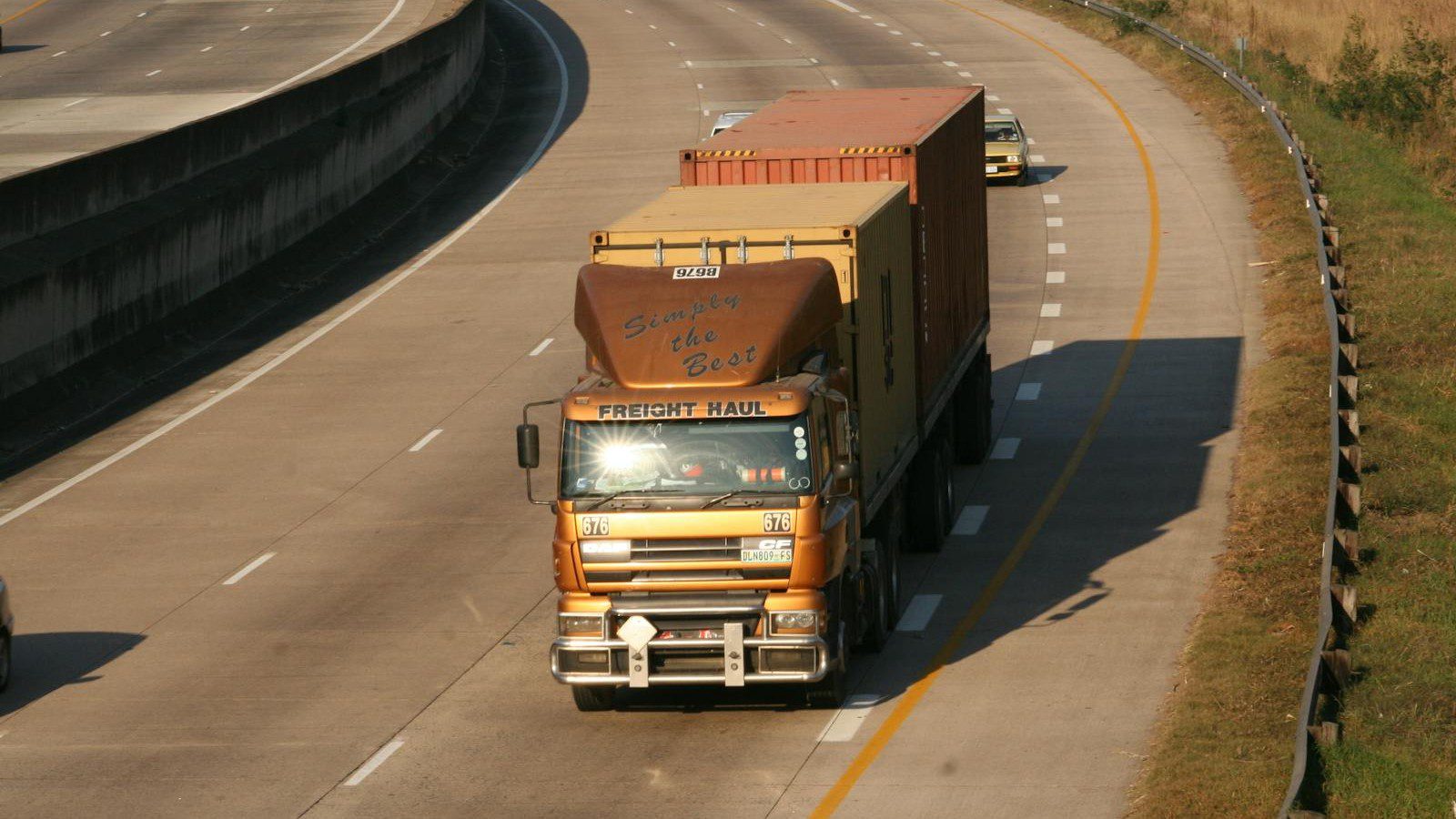
Autonomous vehicle programs should align backend design with safety and operational guidance from sources such as the NHTSA automated vehicles safety resources and the SAE J3016 driving automation taxonomy. Backend teams also need practical cloud and edge services such as AWS IoT FleetWise or equivalent telemetry platforms when production volume begins to climb.
For many logistics operators, the work belongs alongside cloud migration planning, managed IT services, and security operations because the fleet backend quickly becomes mission-critical infrastructure rather than a side analytics project.
Why autonomous fleet telematics matters
Strong autonomous fleet telematics programs begin by clarifying how vehicle data becomes logistics control. A self-driving logistics network is not just a collection of vehicles; it is a distributed data platform moving telemetry from cameras, lidar, radar, GPS, diagnostics, route systems, and warehouse events into decisions that affect safety, uptime, and delivery performance.
For why autonomous fleet telematics matters, autonomous fleet telematics teams need disciplined controls around event prioritization, ingestion durability, and real-time triage. The backend must distinguish routine health signals from safety-critical exceptions, separate hot data from cold archives, and keep every message traceable enough for operations, engineering, and compliance teams to reconstruct what happened later.
The practical objective is a dependable view of fleet health, safety events, and delivery performance. When the platform is designed this way, fleet operators can scale from a controlled pilot to a large logistics network without drowning in storage costs, duplicate pipelines, blind alerts, or brittle integrations that fail when data volume rises.
Data sources inside a self-driving logistics network
Strong autonomous fleet telematics programs begin by clarifying which signals come from vehicles, depots, routes, and cargo workflows. A self-driving logistics network is not just a collection of vehicles; it is a distributed data platform moving telemetry from cameras, lidar, radar, GPS, diagnostics, route systems, and warehouse events into decisions that affect safety, uptime, and delivery performance.
For data sources inside a self-driving logistics network, autonomous fleet telematics teams need disciplined controls around schema ownership, source tagging, and message contracts. The backend must distinguish routine health signals from safety-critical exceptions, separate hot data from cold archives, and keep every message traceable enough for operations, engineering, and compliance teams to reconstruct what happened later.
The practical objective is trusted data streams that engineering and operations can interpret consistently. When the platform is designed this way, fleet operators can scale from a controlled pilot to a large logistics network without drowning in storage costs, duplicate pipelines, blind alerts, or brittle integrations that fail when data volume rises.
Vehicle-edge gateways and local filtering
Strong autonomous fleet telematics programs begin by clarifying what must be processed near the vehicle before upload. A self-driving logistics network is not just a collection of vehicles; it is a distributed data platform moving telemetry from cameras, lidar, radar, GPS, diagnostics, route systems, and warehouse events into decisions that affect safety, uptime, and delivery performance.
For vehicle-edge gateways and local filtering, autonomous fleet telematics teams need disciplined controls around buffering, compression, anomaly detection, and loss-tolerant queues. The backend must distinguish routine health signals from safety-critical exceptions, separate hot data from cold archives, and keep every message traceable enough for operations, engineering, and compliance teams to reconstruct what happened later.
The practical objective is less network waste and faster response to urgent vehicle conditions. When the platform is designed this way, fleet operators can scale from a controlled pilot to a large logistics network without drowning in storage costs, duplicate pipelines, blind alerts, or brittle integrations that fail when data volume rises.
Streaming ingestion and event backbones
Strong autonomous fleet telematics programs begin by clarifying how telemetry enters the backend at high velocity. A self-driving logistics network is not just a collection of vehicles; it is a distributed data platform moving telemetry from cameras, lidar, radar, GPS, diagnostics, route systems, and warehouse events into decisions that affect safety, uptime, and delivery performance.
For streaming ingestion and event backbones, autonomous fleet telematics teams need disciplined controls around partitioning, replay, ordering, idempotency, and backpressure. The backend must distinguish routine health signals from safety-critical exceptions, separate hot data from cold archives, and keep every message traceable enough for operations, engineering, and compliance teams to reconstruct what happened later.
The practical objective is an ingestion layer that survives spikes without corrupting fleet events. When the platform is designed this way, fleet operators can scale from a controlled pilot to a large logistics network without drowning in storage costs, duplicate pipelines, blind alerts, or brittle integrations that fail when data volume rises.
Hot path processing for safety and operations
Strong autonomous fleet telematics programs begin by clarifying which events require immediate routing to control teams. A self-driving logistics network is not just a collection of vehicles; it is a distributed data platform moving telemetry from cameras, lidar, radar, GPS, diagnostics, route systems, and warehouse events into decisions that affect safety, uptime, and delivery performance.
For hot path processing for safety and operations, autonomous fleet telematics teams need disciplined controls around latency budgets, alert deduplication, and escalation rules. The backend must distinguish routine health signals from safety-critical exceptions, separate hot data from cold archives, and keep every message traceable enough for operations, engineering, and compliance teams to reconstruct what happened later.
The practical objective is real-time action without turning every noisy signal into an emergency. When the platform is designed this way, fleet operators can scale from a controlled pilot to a large logistics network without drowning in storage costs, duplicate pipelines, blind alerts, or brittle integrations that fail when data volume rises.
Cold path storage for model and audit workloads
Strong autonomous fleet telematics programs begin by clarifying which data must be retained for training, investigation, and compliance. A self-driving logistics network is not just a collection of vehicles; it is a distributed data platform moving telemetry from cameras, lidar, radar, GPS, diagnostics, route systems, and warehouse events into decisions that affect safety, uptime, and delivery performance.
For cold path storage for model and audit workloads, autonomous fleet telematics teams need disciplined controls around object storage tiers, retention policies, and immutable evidence buckets. The backend must distinguish routine health signals from safety-critical exceptions, separate hot data from cold archives, and keep every message traceable enough for operations, engineering, and compliance teams to reconstruct what happened later.
The practical objective is lower cost archives that still support engineering and legal review. When the platform is designed this way, fleet operators can scale from a controlled pilot to a large logistics network without drowning in storage costs, duplicate pipelines, blind alerts, or brittle integrations that fail when data volume rises.
Time-series telemetry and diagnostics
Strong autonomous fleet telematics programs begin by clarifying how component health, battery behavior, route speed, and actuator readings trend over time. A self-driving logistics network is not just a collection of vehicles; it is a distributed data platform moving telemetry from cameras, lidar, radar, GPS, diagnostics, route systems, and warehouse events into decisions that affect safety, uptime, and delivery performance.
For time-series telemetry and diagnostics, autonomous fleet telematics teams need disciplined controls around sampling strategy, downsampling, and metric cardinality limits. The backend must distinguish routine health signals from safety-critical exceptions, separate hot data from cold archives, and keep every message traceable enough for operations, engineering, and compliance teams to reconstruct what happened later.
The practical objective is diagnostic insight without overwhelming observability platforms. When the platform is designed this way, fleet operators can scale from a controlled pilot to a large logistics network without drowning in storage costs, duplicate pipelines, blind alerts, or brittle integrations that fail when data volume rises.
Video, lidar, and high-bandwidth sensor data
Strong autonomous fleet telematics programs begin by clarifying why raw perception data cannot always move continuously. A self-driving logistics network is not just a collection of vehicles; it is a distributed data platform moving telemetry from cameras, lidar, radar, GPS, diagnostics, route systems, and warehouse events into decisions that affect safety, uptime, and delivery performance.
For video, lidar, and high-bandwidth sensor data, autonomous fleet telematics teams need disciplined controls around triggered uploads, summarization, edge feature extraction, and selective retention. The backend must distinguish routine health signals from safety-critical exceptions, separate hot data from cold archives, and keep every message traceable enough for operations, engineering, and compliance teams to reconstruct what happened later.
The practical objective is useful sensor evidence without uncontrolled bandwidth and storage growth. When the platform is designed this way, fleet operators can scale from a controlled pilot to a large logistics network without drowning in storage costs, duplicate pipelines, blind alerts, or brittle integrations that fail when data volume rises.

Connectivity across routes, yards, and depots
Strong autonomous fleet telematics programs begin by clarifying how dead zones and handoffs affect fleet reliability. A self-driving logistics network is not just a collection of vehicles; it is a distributed data platform moving telemetry from cameras, lidar, radar, GPS, diagnostics, route systems, and warehouse events into decisions that affect safety, uptime, and delivery performance.
For connectivity across routes, yards, and depots, autonomous fleet telematics teams need disciplined controls around store-and-forward design, private 5G, Wi-Fi offload, and route-aware retries. The backend must distinguish routine health signals from safety-critical exceptions, separate hot data from cold archives, and keep every message traceable enough for operations, engineering, and compliance teams to reconstruct what happened later.
The practical objective is data continuity even when vehicles move through imperfect coverage. When the platform is designed this way, fleet operators can scale from a controlled pilot to a large logistics network without drowning in storage costs, duplicate pipelines, blind alerts, or brittle integrations that fail when data volume rises.
Cybersecurity and zero-trust fleet access
Strong autonomous fleet telematics programs begin by clarifying why vehicles, depots, APIs, and operators need strict identity boundaries. A self-driving logistics network is not just a collection of vehicles; it is a distributed data platform moving telemetry from cameras, lidar, radar, GPS, diagnostics, route systems, and warehouse events into decisions that affect safety, uptime, and delivery performance.
For cybersecurity and zero-trust fleet access, autonomous fleet telematics teams need disciplined controls around mutual authentication, certificate rotation, device posture, and least privilege. The backend must distinguish routine health signals from safety-critical exceptions, separate hot data from cold archives, and keep every message traceable enough for operations, engineering, and compliance teams to reconstruct what happened later.
The practical objective is a fleet backend that resists spoofing, tampering, and unauthorized commands. When the platform is designed this way, fleet operators can scale from a controlled pilot to a large logistics network without drowning in storage costs, duplicate pipelines, blind alerts, or brittle integrations that fail when data volume rises.
Observability for vehicles and pipelines
Strong autonomous fleet telematics programs begin by clarifying how to see both vehicle health and backend health in one operating view. A self-driving logistics network is not just a collection of vehicles; it is a distributed data platform moving telemetry from cameras, lidar, radar, GPS, diagnostics, route systems, and warehouse events into decisions that affect safety, uptime, and delivery performance.
For observability for vehicles and pipelines, autonomous fleet telematics teams need disciplined controls around distributed tracing, fleet-level metrics, event lineage, and SLO dashboards. The backend must distinguish routine health signals from safety-critical exceptions, separate hot data from cold archives, and keep every message traceable enough for operations, engineering, and compliance teams to reconstruct what happened later.
The practical objective is faster root-cause analysis across vehicles, networks, streams, and storage. When the platform is designed this way, fleet operators can scale from a controlled pilot to a large logistics network without drowning in storage costs, duplicate pipelines, blind alerts, or brittle integrations that fail when data volume rises.
Governance, retention, and evidence
Strong autonomous fleet telematics programs begin by clarifying which records matter for audits, investigations, and model accountability. A self-driving logistics network is not just a collection of vehicles; it is a distributed data platform moving telemetry from cameras, lidar, radar, GPS, diagnostics, route systems, and warehouse events into decisions that affect safety, uptime, and delivery performance.
For governance, retention, and evidence, autonomous fleet telematics teams need disciplined controls around data classification, legal holds, deletion rules, and provenance metadata. The backend must distinguish routine health signals from safety-critical exceptions, separate hot data from cold archives, and keep every message traceable enough for operations, engineering, and compliance teams to reconstruct what happened later.
The practical objective is evidence that is available when needed and removed when no longer justified. When the platform is designed this way, fleet operators can scale from a controlled pilot to a large logistics network without drowning in storage costs, duplicate pipelines, blind alerts, or brittle integrations that fail when data volume rises.

Cost controls for terabyte-scale data
Strong autonomous fleet telematics programs begin by clarifying where cloud bills rise as fleets scale. A self-driving logistics network is not just a collection of vehicles; it is a distributed data platform moving telemetry from cameras, lidar, radar, GPS, diagnostics, route systems, and warehouse events into decisions that affect safety, uptime, and delivery performance.
For cost controls for terabyte-scale data, autonomous fleet telematics teams need disciplined controls around tiering, compaction, sampling, compression, and workload separation. The backend must distinguish routine health signals from safety-critical exceptions, separate hot data from cold archives, and keep every message traceable enough for operations, engineering, and compliance teams to reconstruct what happened later.
The practical objective is predictable economics for pilots, regional rollouts, and mature operations. When the platform is designed this way, fleet operators can scale from a controlled pilot to a large logistics network without drowning in storage costs, duplicate pipelines, blind alerts, or brittle integrations that fail when data volume rises.
Integration with logistics systems
Strong autonomous fleet telematics programs begin by clarifying how telematics connects to dispatch, maintenance, warehouse, and customer systems. A self-driving logistics network is not just a collection of vehicles; it is a distributed data platform moving telemetry from cameras, lidar, radar, GPS, diagnostics, route systems, and warehouse events into decisions that affect safety, uptime, and delivery performance.
For integration with logistics systems, autonomous fleet telematics teams need disciplined controls around API contracts, event translation, and workflow automation boundaries. The backend must distinguish routine health signals from safety-critical exceptions, separate hot data from cold archives, and keep every message traceable enough for operations, engineering, and compliance teams to reconstruct what happened later.
The practical objective is fleet data that improves planning without breaking core operations. When the platform is designed this way, fleet operators can scale from a controlled pilot to a large logistics network without drowning in storage costs, duplicate pipelines, blind alerts, or brittle integrations that fail when data volume rises.
KPIs for backend readiness
Strong autonomous fleet telematics programs begin by clarifying which measures prove the architecture is production-ready. A self-driving logistics network is not just a collection of vehicles; it is a distributed data platform moving telemetry from cameras, lidar, radar, GPS, diagnostics, route systems, and warehouse events into decisions that affect safety, uptime, and delivery performance.
For kpis for backend readiness, autonomous fleet telematics teams need disciplined controls around ingest lag, dropped events, alert precision, cost per vehicle, and recovery time. The backend must distinguish routine health signals from safety-critical exceptions, separate hot data from cold archives, and keep every message traceable enough for operations, engineering, and compliance teams to reconstruct what happened later.
The practical objective is a scorecard that detects platform weakness before the fleet grows. When the platform is designed this way, fleet operators can scale from a controlled pilot to a large logistics network without drowning in storage costs, duplicate pipelines, blind alerts, or brittle integrations that fail when data volume rises.
Implementation roadmap
Strong autonomous fleet telematics programs begin by clarifying how to phase the platform from pilot to network scale. A self-driving logistics network is not just a collection of vehicles; it is a distributed data platform moving telemetry from cameras, lidar, radar, GPS, diagnostics, route systems, and warehouse events into decisions that affect safety, uptime, and delivery performance.
For implementation roadmap, autonomous fleet telematics teams need disciplined controls around reference architecture, staged regions, operational runbooks, and chaos testing. The backend must distinguish routine health signals from safety-critical exceptions, separate hot data from cold archives, and keep every message traceable enough for operations, engineering, and compliance teams to reconstruct what happened later.
The practical objective is a rollout path that expands capability without hiding backend risk. When the platform is designed this way, fleet operators can scale from a controlled pilot to a large logistics network without drowning in storage costs, duplicate pipelines, blind alerts, or brittle integrations that fail when data volume rises.
Frequently asked questions
How much data can autonomous fleet telematics generate?
Autonomous fleet telematics can generate terabytes per day once high-resolution video, lidar captures, route traces, diagnostics, and event logs are retained across a large logistics network. The exact amount depends on sampling, compression, triggered upload policies, and how much perception data is stored after each route.
Should all vehicle data stream to the cloud in real time?
No. Safety events, operational alerts, and selected diagnostic signals need low-latency handling, but large video and sensor payloads should often be filtered, compressed, summarized, or uploaded later from depots. Good edge design reduces bandwidth cost and protects backend reliability.
What is the most important first platform decision?
Define the event model before choosing tools. Teams need shared identifiers for vehicles, trips, routes, components, software versions, map versions, drivers or supervisors, cargo workflows, and incidents. Without that model, every downstream analytics and operations system will interpret the fleet differently.
How does cybersecurity differ for autonomous fleet telematics?
The backend interacts with moving assets that may affect physical safety, delivery commitments, and customer data. That requires stronger device identity, signed updates, command authorization, network segmentation, tamper detection, and audit trails than a normal dashboard pipeline.
Backend readiness checklist
Before scaling autonomous fleet telematics, confirm that every vehicle has a trusted identity, every event has a schema and owner, every safety signal has a latency budget, every raw sensor payload has a retention rule, every pipeline has observability, every command path has authorization, and every incident can be reconstructed from logs, metadata, and stored evidence.