

The Atlantic has created a searchable database of the millions of songs used to train AI music generators like Suno, Udio, and Google’s audio models. This groundbreaking investigation by staff writer Alex Reisner exposes the staggering scale of music being used without consent or compensation to artists. The Atlantic AI music database represents a landmark moment in the ongoing debate about AI training data and artist rights.
What Is The Atlantic's AI Music Database?

The Atlantic AI music database is the public-facing tool created by The Atlantic’s AI Watchdog project. It has made four giant datasets of music publicly searchable. These datasets contain:
- 12 million tracks — the largest single dataset discovered
- 9 million tracks — a second massive collection
- Two smaller datasets with over 100,000 songs each
These datasets include hits from major artists like Taylor Swift, Bad Bunny, Nirvana, Billie Eilish, Pearl Jam, Elvis Costello, Sheryl Crow, and the Beatles. Jazz artists such as Miles Davis, John Zorn, and Vijay Iyer are represented, along with classical composers and tens of thousands of lesser-known musicians across every genre.
The 12-million-track dataset alone would take 91 years to listen to from start to finish. Through the Atlantic AI music database, anyone can search for specific artists and see if their work appears in these training sets. This searchable tool was launched to provide transparency into a process that has long been kept secret by AI companies.
How Did The Atlantic Find These Datasets?
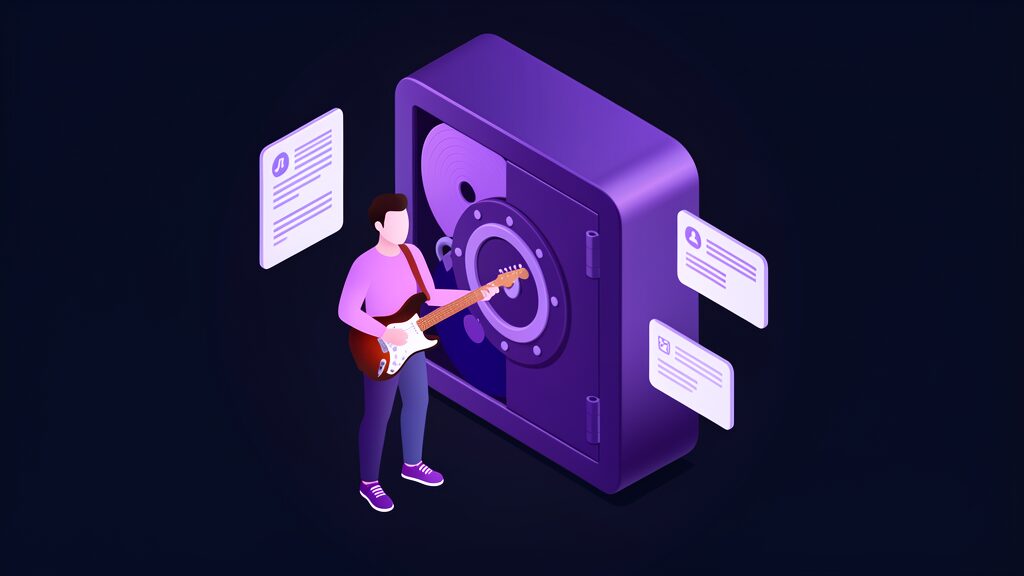
Reisner discovered these datasets by reading research papers published by AI developers and scouring AI data-sharing platforms. The datasets have been downloaded thousands of times within the AI development community. The Atlantic AI music database project made these findings accessible to the public through a user-friendly search interface.
Three of the four datasets are distributed as lists of links to songs on YouTube or Spotify. AI developers use automated tools to download the actual audio files from these links. Some of these tools can bypass login requirements, advertisements, and mechanisms that would normally generate revenue or subscribers for content creators.
The fourth dataset, the Free Music Archive collection, is distributed directly as MP3 files. The Atlantic AI music database allows anyone to search for specific artists and see if their work appears in these training sets.
Why This Matters for Musicians
Copyright Infringement Lawsuits
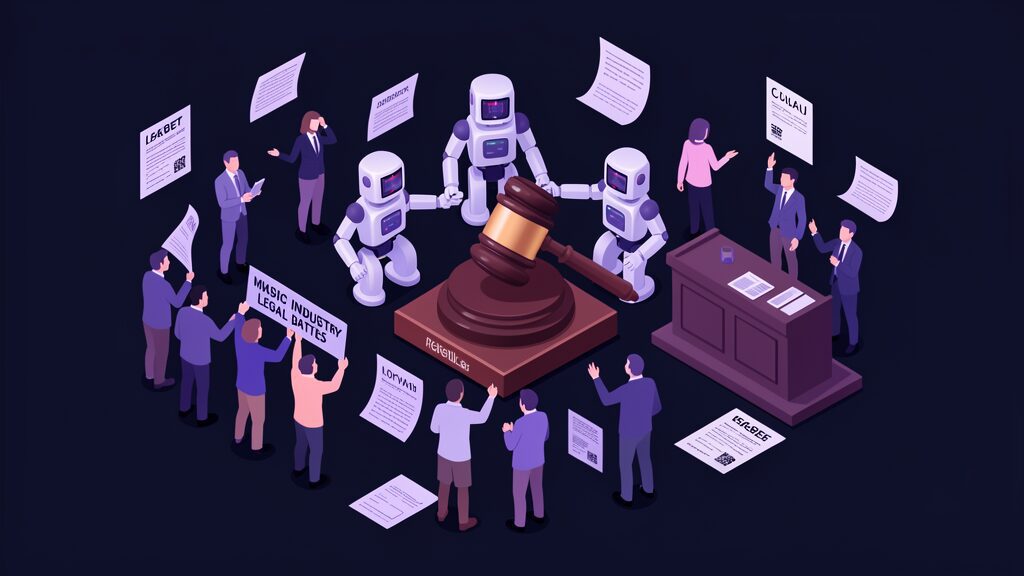
Musicians and record labels have filed at least 12 lawsuits against AI companies for training models on copyrighted music. The music industry’s three major labels have sued both Suno and Udio. Other lawsuits have been filed against Google, OpenAI, and smaller AI vendors. The Atlantic AI music database provides crucial evidence for these lawsuits by showing exactly which songs are being used.
While no rulings have been issued in these cases yet, some labels have reached settlements with Suno and Udio. The lawsuits allege copyright infringement, arguing that AI companies are using musicians’ work without permission or compensation. The Atlantic AI music database makes it possible to verify which specific songs are included in the training datasets.
The Fair Use Debate
AI companies generally defend their use of unlicensed music by claiming “fair use” under copyright law. They argue that training AI models does not harm the market for creators’ work. However, this is a complex legal claim that likely depends on specific details of how each AI system is trained and deployed. The Atlantic AI music database provides evidence that challenges the fair use argument by showing the enormous scale of music being used without consent.
Google stated in a blog post that it has trained its audio-generating models on “materials that YouTube and Google has a right to use under our terms of service, partner agreements, and applicable law.” OpenAI spokesperson Metin Parlak said the company has “always been transparent about how Jukebox was trained,” though the company published the training procedure without listing the actual songs used. The Atlantic AI music database reveals exactly which songs are being used.
Real Impact on Artists
The consequences for working musicians are already visible. Sony recently found 135,000 AI-generated tracks attributed to its artists on various streaming platforms. While it is unclear which AI tools generated those tracks, the technology is already harming artists’ ability to earn a living from their music. The Atlantic AI music database shows that Sony’s artists are likely included in these training datasets.
Streaming platforms are also seeing the flood of AI-generated content. Spotify removed 75 million “spammy” AI-generated tracks from its service last September. Deezer reported that nearly half of the tracks it receives daily are now AI-generated.
How AI Music Generators Work
AI music models operate similarly to text-generating AI. They break training content into tiny pieces—in this case, tiny snippets of audio rather than text—and learn the context in which each piece appears. When given a prompt, the model predicts what piece comes next.
This process explains why AI-generated music sometimes reproduces recognizable elements of existing songs. When you prompt Suno with “post-disco, pop-rock, funk, electronic, r&b, thriller, motown, famous male singer and dancer, king of pop, falsetto,” the model generates something that strongly resembles Michael Jackson’s “Thriller.”
The ease of generating AI music has made it ubiquitous. AI-product websites like Suno and Udio invite users to describe the music they want to hear and generate tracks in seconds. While most songs are mundane, they can sound real enough that many listeners struggle to recognize them as AI-generated.
The Free Music Archive Controversy
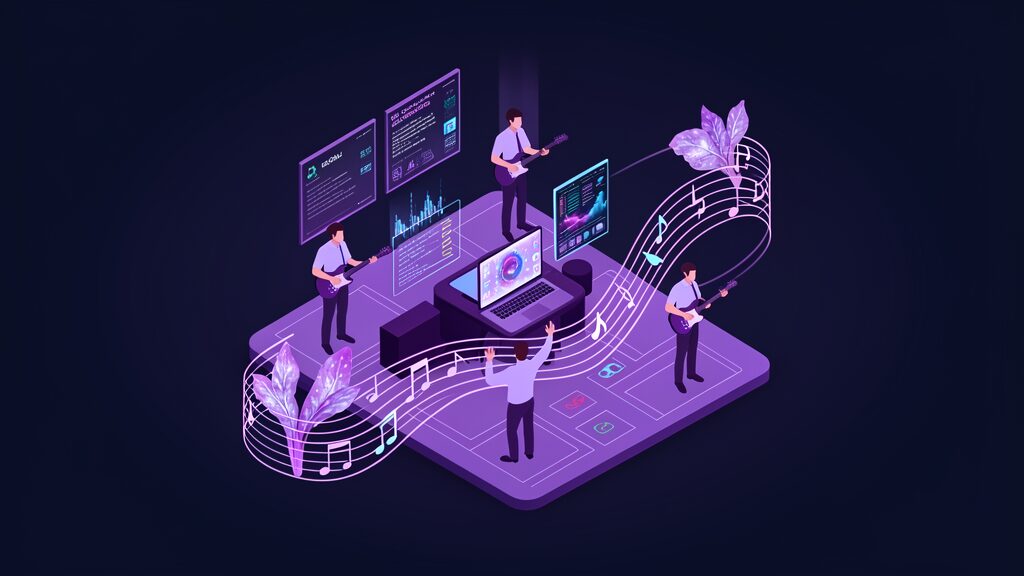
The Free Music Archive presents a particularly interesting case. Started in 2009 by New Jersey radio station WFMU, the archive was designed to provide free music to listeners “in the age of the internet.” Musicians share their work for free personal listening but require payment for commercial use. The Atlantic AI music database shows that this archive is being used to train AI models without the artists’ consent.
When Hessel van Oorschot, who runs Tribe of Noise (the company operating the Free Music Archive), learned that Google was using the archive to train AI models, he sent a letter demanding discussion about consent and compensation. He described Google’s response as “a big middle finger.”
In a letter shared with Reisner, Google referenced its privacy policy (which states that “we use publicly available information to help train Google’s AI models”) and argued that “we believe everyone benefits from a vibrant content ecosystem.” The company never directly addressed the Free Music Archive’s concerns. The Atlantic AI music database provides evidence that supports the Free Music Archive’s position.
Van Oorschot, based in Amsterdam, said he felt he had no practical way to fight Google. “For me to fly to America and start a lawsuit with Google” made no sense, he explained.
How Artists Are Fighting Back
Opting Out and Removing Music
Some musicians have stopped sharing their music online entirely because of concerns about AI companies scraping their work. Benn Jordan, a professional musician and YouTuber with over 25 years of experience, explained that he noticed tech companies were “scraping my music without my consent, then generating shittier music with it that is inadvertently associated with my name, and then attempting to resell that in the same economy in which I make money.”
Poisoning AI Models
Jordan has developed a tool to “poison” generative AI models. His software adds noise to audio files that humans cannot hear but that confuses AI models. This is the same technique used by some visual artists to fight the nonconsensual scraping of their artwork. The Atlantic AI music database provides researchers with data to study the effectiveness of these poisoning techniques.
Researchers have shown that, in some cases, a few poisoned samples can significantly degrade an AI model. However, the effectiveness of these tools remains debated. The Atlantic AI music database allows researchers to test whether poisoned samples can be identified and removed from training datasets.
The Consent Question
Derek Clegg, a guitarist and singer who has shared over 250 original songs on the Free Music Archive for more than 15 years, told Reisner he is happy for people to use his music in personal videos as long as they credit him. When people want to make money from his music, they pay for a license. The Atlantic AI music database shows that Clegg’s work is included in these training datasets without his consent.
When asked whether he would opt out of AI training if a mechanism existed, Clegg said “Yeah, definitely.” What bothers him most is that AI companies take musicians’ work without consent and without acknowledging that their products depend entirely on musicians.
“It just seems dishonest. It seems like theft,” Clegg said. “There’s going to have to be a reckoning.” The Atlantic AI music database provides evidence that supports Clegg’s argument.
What This Means for the Future of Music and AI
The Atlantic AI music database provides unprecedented transparency into a process that has been kept secret by AI companies. It illustrates the enormous scale and variety of music easily available to AI developers, even when that music is not supposed to be free.
The datasets reveal that AI companies are accessing far more downloadable music than they publicly acknowledge. While companies often claim to use only content that is freely available online, the datasets show the quantity of music developers can access despite terms of service restrictions. The Atlantic AI music database makes this data accessible to anyone who wants to investigate.
As AI music generation becomes more sophisticated and more widely used, the tension between innovation and artist rights will only intensify. The lawsuits currently pending will help determine the legal boundaries, but the ethical questions remain unresolved. The Atlantic AI music database provides a valuable resource for tracking this ongoing debate.
Musicians like Clegg are right that a reckoning is coming. The question is whether it will come through legislation, court rulings, industry self-regulation, or technological solutions like model poisoning. One thing is clear: the music industry cannot continue to operate as if AI training data is free for the taking.
How to Search The Atlantic's AI Music Database
The Atlantic AI music database has made these datasets fully searchable for the public. You can search for any artist, song, or genre to see if their work appears in these AI training datasets. This transparency tool empowers musicians and listeners alike to understand what music is being used to train the AI systems that are transforming the music industry.
Visit The Atlantic’s AI Watchdog project to explore the databases and search for your favorite artists. The data is freely accessible, and the investigation continues to uncover more about the hidden world of AI training data. Using the Atlantic AI music database search tool, you can enter an artist name and instantly see if their songs are included in the training datasets.
The Scale of AI Music Training Data
To understand the magnitude of what The Atlantic’s investigation revealed, it helps to compare these datasets to previous known training sets. In 2022, Google trained a model on 44 million tracks, totaling 42 years of music. Suno wrote in a 2024 court filing that it trained its models on “essentially all music files of reasonable quality” that it could download from the internet. In 2020, OpenAI scraped 1.2 million songs from the web to train a model called Jukebox that was explicitly intended for generating variations on existing music.
The datasets discovered by The Atlantic are similar in scale to those used by commercial music-generating models. The 12-million-track dataset represents a significant portion of the music available for download online, spanning decades of musical history and countless genres. The Atlantic AI music database makes it possible to verify which specific songs are included in these massive collections.
The Legal Landscape Around AI Music
The legal questions surrounding AI music training are complex and unresolved. Copyright law was designed for a different era, and courts are still figuring out how to apply it to AI training data. The fair use doctrine, which AI companies rely on, has never been tested at scale in the context of music generation. The Atlantic AI music database provides crucial evidence that lawyers and judges can use to understand the scope of data being used.
Some legal experts argue that training AI models constitutes fair use because the models do not reproduce entire songs. Others counter that the models learn patterns and styles that are directly derived from the training data, which could harm the market for the original works.
The lawsuits currently pending will likely set important precedents. If musicians win, it could require AI companies to obtain licenses and pay royalties for all training data. If AI companies win, it could cement their ability to use unlicensed music indefinitely.
The Role of Streaming Platforms
Streaming platforms play a crucial role in this ecosystem. They host the music that AI companies are scraping, and their terms of service generally prohibit automated downloading. However, enforcement is difficult, and many AI developers use tools that bypass these restrictions. The Atlantic AI music database reveals exactly which streaming platforms are being used as sources for training data.
Spotify, YouTube, and other platforms have been slow to address the issue. While they have taken steps to label or restrict AI-generated content, they have not done much to prevent the scraping of their libraries for training data.
This inaction is changing as pressure mounts from musicians and labels. Some platforms are beginning to implement measures to protect against unauthorized scraping, but the effectiveness of these measures remains uncertain.
The Economic Impact on Musicians
The economic implications for working musicians are significant. AI-generated music is becoming indistinguishable from human-made music in many cases, which could depress demand for human musicians. Streaming platforms are already seeing floods of AI-generated content, which dilutes the visibility and earnings of real artists. The Atlantic AI music database shows that the music being used includes not just famous hits but also the work of thousands of lesser-known artists.
For session musicians, songwriters, and independent artists, the threat is particularly acute. These musicians rely on streaming revenue and licensing fees to make a living, and AI-generated music could undercut their income.
The Atlantic’s database makes it clear that the music being used to train these AI models includes not just famous hits but also the work of thousands of lesser-known artists who depend on streaming revenue.
What Musicians Can Do
Musicians have several options for protecting their work. Some are choosing to remove their music from online platforms entirely. Others are using tools like Benn Jordan’s model poisoning software to make their music unusable for AI training. The Atlantic AI music database allows musicians to check if their work appears in the training datasets.
Legal action is another option, though it can be expensive and time-consuming. Some musicians are joining class-action lawsuits against AI companies, while others are filing individual cases. The Atlantic AI music database provides evidence that can be used in these legal proceedings.
Education and advocacy are also important. Musicians can raise awareness about the issue, support organizations fighting for artist rights, and push for legislation that protects their work. The Atlantic AI music database serves as a valuable educational resource for the music community.
The Technology Behind AI Music Generation
Understanding how AI music generators work helps explain why the training data issue matters. These models use deep learning architectures, typically based on transformer networks, to analyze patterns in audio data. They break music into tiny fragments and learn to predict what comes next based on context. The Atlantic AI music database provides researchers with the data needed to study these models more effectively.
The quality of the training data directly affects the quality of the generated music. More diverse and extensive datasets produce better models. This is why the discovery of these massive datasets is significant—it shows that AI companies have access to far more music than they publicly acknowledge.
The models also learn to replicate styles and techniques. When trained on millions of songs, they can generate music that sounds authentic across genres. This raises questions about artistic originality and the value of human creativity.
Industry Response and Future Developments
The music industry is responding to the AI challenge in various ways. Major labels have filed lawsuits, while smaller independent artists are exploring technological solutions. Some companies are developing tools to detect AI-generated music, while others are working on licensing frameworks. The Atlantic AI music database has become an essential resource for industry professionals seeking to understand the scope of the problem.
The technology is evolving rapidly. New models are being released regularly, and the quality of AI-generated music continues to improve. This puts pressure on regulators and courts to respond quickly.
The Atlantic’s database provides a valuable resource for understanding the scope of the issue. By making the training data searchable, it enables musicians, researchers, and policymakers to examine the problem in detail.
Conclusion: A Turning Point for Music and AI
The Atlantic’s searchable database of AI music training data represents a turning point in the conversation about artificial intelligence and creativity. For the first time, the public can see exactly what music is being used to train these powerful systems.
The scale of the datasets is staggering. Millions of songs, spanning decades of musical history, have been collected and used without consent. The ethical and legal questions this raises are profound.
As AI technology continues to advance, society must decide what values it wants to enshrine in the rules governing these systems. Will musicians be compensated for their work? Will artists have control over how their music is used? Will creativity remain a human endeavor, or will it be automated?
The answers to these questions will shape the future of music, technology, and culture. The Atlantic’s investigation is an important step toward transparency, but much work remains to be done.
The Role of Technology Companies
Technology companies like Google, OpenAI, and Stability AI are at the center of this controversy. They have built multi-billion dollar businesses partly on the backs of musicians who never consented to have their work used. These companies argue that their use of training data is transformative and falls under fair use, but critics say this is a convenient interpretation that benefits corporations at the expense of creators.
Google’s approach has been particularly aggressive. The company has used multiple datasets to train its audio models, including the Free Music Archive. When confronted about this, Google pointed to its privacy policy rather than engaging with the specific concerns raised by musicians and archive operators.
OpenAI took a different approach with Jukebox, publishing the training procedure but not the actual data. This partial transparency has not satisfied critics, who want full disclosure of what data was used and whether proper licenses were obtained.
The Global Impact on Music Creation
The implications of AI music training extend far beyond the United States. Music is a global industry, and AI models trained on English-language datasets may not adequately represent non-English music. This could lead to a homogenization of global music, where Western styles dominate and diverse musical traditions are erased.
Artists from developing countries are particularly vulnerable. They may lack the legal resources to fight AI companies in U.S. courts, and their music may be even less protected by international copyright agreements.
The Atlantic’s database includes music from around the world, highlighting the global scale of this issue. Musicians from every country should be aware that their work may be included in these datasets.
Educational Institutions and AI Research
Universities and research institutions also use these datasets to train AI models. Academic research has contributed significantly to the development of AI music technology, but it has not always followed ethical guidelines or obtained proper permissions.
Some researchers argue that academic use should be exempt from commercial licensing requirements, while others say that the source of the data matters regardless of who uses it. This debate is likely to continue as AI research becomes more commercialized.
The Atlantic’s investigation has prompted some universities to review their data practices. Several institutions have announced that they will seek proper licenses for future AI music research projects.
The Role of AI Data Sharing Platforms
AI data sharing platforms have played a crucial role in making these datasets available. These platforms allow researchers and developers to share large collections of data, which accelerates innovation but also raises ethical questions.
Some platforms have terms of service that prohibit uploading copyrighted material, but enforcement is difficult. Many users upload data without verifying whether they have the right to share it.
The Atlantic’s discovery of these datasets highlights the need for better oversight of AI data sharing platforms. These platforms could play a valuable role in ensuring that data is properly licensed before being made available.
Public Opinion and Consumer Awareness
Public awareness of AI music training is growing, but many consumers still do not understand how AI-generated music is created. Most people are focused on the quality and accessibility of AI-generated content, not on the ethical questions surrounding its creation.
This lack of awareness puts pressure on AI companies to self-regulate. If consumers become more conscious of the ethical issues, they may choose to support platforms that use licensed data or compensate artists.
The Atlantic’s investigation has helped raise awareness about these issues. By making the training data searchable, it has enabled the public to see exactly what music is being used and by whom.
The Future of Music Licensing
The music licensing industry may need to evolve to address the AI training data issue. Traditional licensing models are designed for specific uses, such as streaming or synchronization, not for training AI models. The Atlantic AI music database provides a comprehensive catalog that could serve as the basis for new licensing frameworks.
New licensing frameworks may be needed that allow AI companies to access music while ensuring artists are compensated. Some industry experts have proposed blanket licensing schemes similar to those used by performing rights organizations. The Atlantic AI music database could help performing rights organizations calculate fair compensation for artists.
Other suggestions include creating a fund that distributes royalties from AI-generated music to the artists whose work was used in training. This approach would require significant infrastructure and cooperation from multiple stakeholders. The Atlantic AI music database provides the data needed to build such a system.
The Importance of Transparency
Transparency is essential for resolving the AI music training data issue. Musicians need to know when their work is being used, and the public needs to understand how AI systems are created. The Atlantic AI music database is a critical step toward achieving this transparency.
The Atlantic’s database is an important step toward transparency, but more needs to be done. AI companies should be required to disclose their training data, and platforms should be held accountable for the content they host. The Atlantic AI music database demonstrates what full transparency could look like.
Regulators in the United States and around the world are beginning to pay attention to these issues. Several countries have proposed legislation that would require AI companies to disclose their training data and obtain proper licenses. The Atlantic AI music database provides a model for how this data could be made publicly accessible.
What Readers Can Do
Readers who care about these issues can take several actions. First, educate yourself about AI music technology and the ethical questions it raises. Second, support musicians and artists who are fighting for their rights. Third, contact your elected representatives and urge them to support legislation that protects creators. The Atlantic AI music database is an excellent starting point for understanding the scope of the issue.
You can also use The Atlantic’s searchable database to look up your favorite artists and see if their work appears in these datasets. This personal connection can help you understand why this issue matters. The Atlantic AI music database makes it easy to search for any artist and see the results.
Finally, consider supporting platforms that compensate artists and use licensed data. Your choices as a consumer send a signal to the market about what you value. The Atlantic AI music database provides the information you need to make informed decisions.
Final Thoughts
Claude Corps Nonprofit: Free AI Training for Charities — The Atlantic AI music database is a landmark investigation that sheds light on a critical issue facing the music industry. It reveals the enormous scale of music being used without consent and raises important questions about creativity, compensation, and the future of art in the age of artificial intelligence.
As AI technology continues to evolve, society must ensure that musicians are treated fairly and that their work is respected. The Atlantic AI music database investigation is an important step toward that goal, but the work is far from over.
The reckoning that Derek Clegg predicted is coming. The question is whether it will be constructive or destructive, collaborative or confrontational. The choices we make today will determine the answer.
References & External Resources
- The Atlantic — Original investigation source
- Suno AI — AI music generation platform
- Udio AI — AI music generation platform
- Alex Reisner — AI watchdog and researcher










