

AI PCs and Endpoint Hardware has become a serious IT budgeting question because new laptops and desktops increasingly ship with neural processing units, or NPUs, that can run selected AI workloads locally instead of sending every request to a cloud service.
The promise is attractive: lower latency, better battery life for AI-assisted tasks, more privacy for sensitive prompts, offline features, and less dependence on cloud inference for some workloads. The risk is equally clear. A full endpoint fleet upgrade can consume major capital before the organization has proven which users, applications, and support processes actually benefit from local acceleration.
This guide explains how to evaluate AI PCs and Endpoint Hardware as a capital expenditure decision. It covers NPU capabilities, refresh timing, security, governance, support, application readiness, procurement, sustainability, and the metrics that separate a justified AI PC rollout from an expensive hardware cycle with unclear returns.
Table of contents
- Why AI PCs matter now
- What an NPU changes
- The capital expenditure case
- Refresh-cycle timing
- Workload and persona fit
- Security and privacy implications
- Endpoint management requirements
- Application readiness
- Cloud inference cost offsets
- Support and service desk impact
- Procurement and vendor strategy
- Pilot design
- Measurement and ROI
- Risks and trade-offs
- Implementation roadmap
- Practical verdict
- Frequently asked questions
- Fleet upgrade checklist
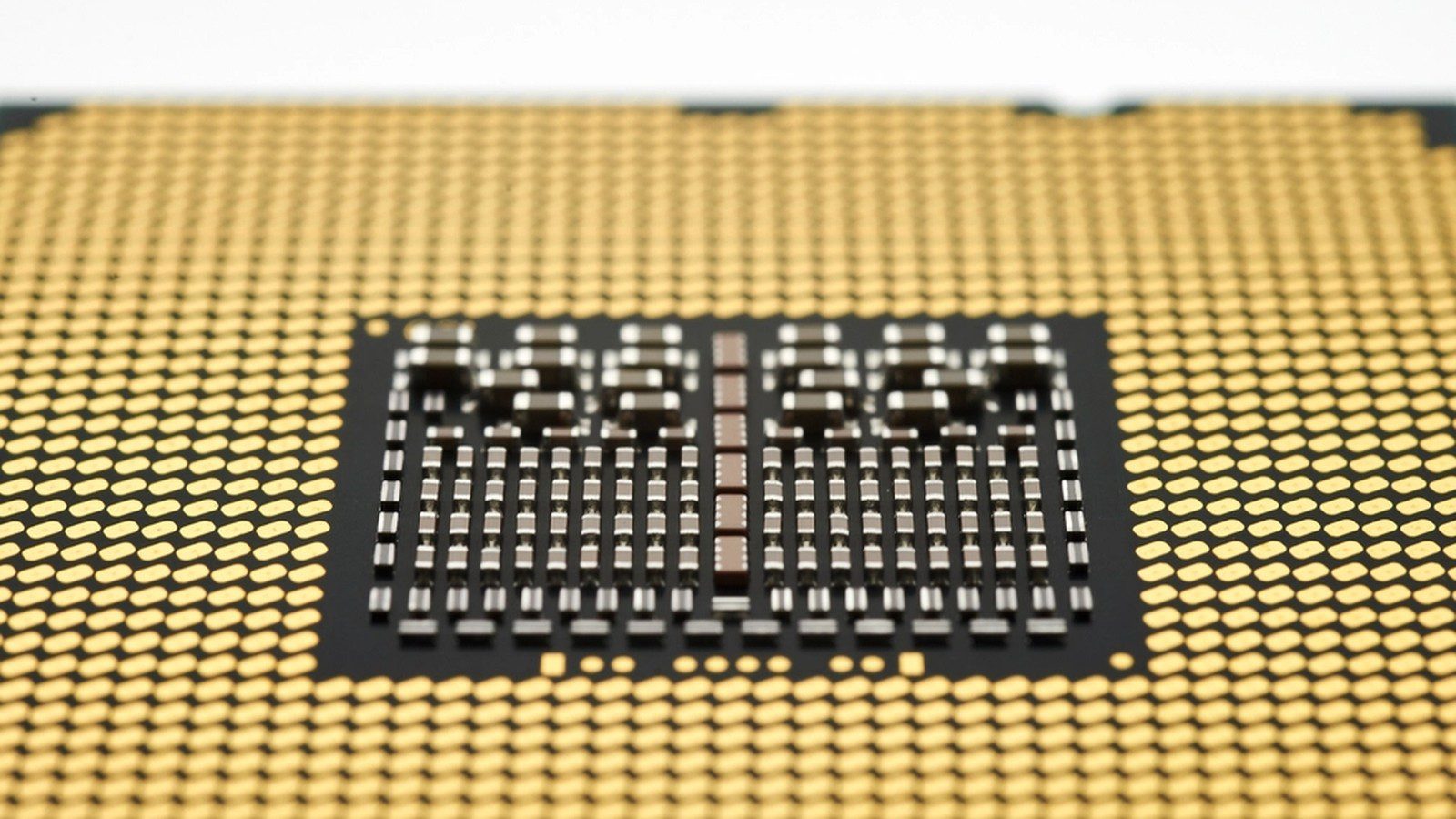
Useful external references include Microsoft guidance on Copilot+ PCs, Intel’s overview of AI PCs, AMD’s Ryzen AI processor information, and the NIST AI Risk Management Framework.
For enterprise leaders, this decision belongs beside managed IT services, cloud migration planning, and workflow automation because endpoint hardware touches identity, security, support, procurement, SaaS costs, and user productivity.
Why AI PCs matter now
Strong AI PCs and Endpoint Hardware decisions start by clarifying which endpoint workloads could benefit from local inference, real-time assistance, and device-level acceleration. The question is not whether NPUs are interesting; it is whether local acceleration changes enough work to justify buying new endpoint hardware earlier than the normal refresh cycle.
For why ai pcs matter now, AI PCs and Endpoint Hardware planning works when IT defines controls around hardware standards, application policy, user personas, telemetry, procurement gates, and AI risk controls. Those controls should cover device standards, identity, application compatibility, model governance, data protection, support processes, and the finance logic behind the capital request.
The intended outcome is an upgrade strategy linked to business workflows rather than vendor launch cycles. When this foundation is in place, leaders can separate strategic endpoint modernization from expensive hardware enthusiasm, and they can invest first where local AI has measurable business value.
What an NPU changes
Strong AI PCs and Endpoint Hardware decisions start by clarifying how a neural processing unit differs from CPU and GPU resources inside a modern endpoint. The question is not whether NPUs are interesting; it is whether local acceleration changes enough work to justify buying new endpoint hardware earlier than the normal refresh cycle.
For what an npu changes, AI PCs and Endpoint Hardware planning works when IT defines controls around driver support, operating system compatibility, model runtime support, battery expectations, and workload routing. Those controls should cover device standards, identity, application compatibility, model governance, data protection, support processes, and the finance logic behind the capital request.
The intended outcome is clear technical criteria for when an AI feature should run locally, in the cloud, or not at all. When this foundation is in place, leaders can separate strategic endpoint modernization from expensive hardware enthusiasm, and they can invest first where local AI has measurable business value.
The capital expenditure case
Strong AI PCs and Endpoint Hardware decisions start by clarifying whether buying NPU-enabled hardware now creates enough value to justify accelerated replacement. The question is not whether NPUs are interesting; it is whether local acceleration changes enough work to justify buying new endpoint hardware earlier than the normal refresh cycle.
For the capital expenditure case, AI PCs and Endpoint Hardware planning works when IT defines controls around asset lifecycle, depreciation, residual value, warranty timing, support costs, financing terms, and opportunity cost. Those controls should cover device standards, identity, application compatibility, model governance, data protection, support processes, and the finance logic behind the capital request.
The intended outcome is a finance-ready business case that distinguishes required refresh from optional acceleration. When this foundation is in place, leaders can separate strategic endpoint modernization from expensive hardware enthusiasm, and they can invest first where local AI has measurable business value.
Refresh-cycle timing
Strong AI PCs and Endpoint Hardware decisions start by clarifying how close existing laptops, desktops, and specialist endpoints are to normal replacement windows. The question is not whether NPUs are interesting; it is whether local acceleration changes enough work to justify buying new endpoint hardware earlier than the normal refresh cycle.
For refresh-cycle timing, AI PCs and Endpoint Hardware planning works when IT defines controls around device age, warranty status, performance complaints, repair rates, battery health, security support, and operating system requirements. Those controls should cover device standards, identity, application compatibility, model governance, data protection, support processes, and the finance logic behind the capital request.
The intended outcome is a phased rollout that avoids replacing healthy devices only because a new AI label exists. When this foundation is in place, leaders can separate strategic endpoint modernization from expensive hardware enthusiasm, and they can invest first where local AI has measurable business value.
Workload and persona fit
Strong AI PCs and Endpoint Hardware decisions start by clarifying which employees actually perform tasks that local AI can improve. The question is not whether NPUs are interesting; it is whether local acceleration changes enough work to justify buying new endpoint hardware earlier than the normal refresh cycle.
For workload and persona fit, AI PCs and Endpoint Hardware planning works when IT defines controls around role segmentation, application usage, data sensitivity, offline needs, meeting workloads, creative workflows, and developer tooling. Those controls should cover device standards, identity, application compatibility, model governance, data protection, support processes, and the finance logic behind the capital request.
The intended outcome is persona-based targeting that keeps upgrades focused on users with measurable local-AI demand. When this foundation is in place, leaders can separate strategic endpoint modernization from expensive hardware enthusiasm, and they can invest first where local AI has measurable business value.
Security and privacy implications
Strong AI PCs and Endpoint Hardware decisions start by clarifying how local processing changes the treatment of prompts, documents, voice, images, telemetry, and cached model outputs. The question is not whether NPUs are interesting; it is whether local acceleration changes enough work to justify buying new endpoint hardware earlier than the normal refresh cycle.
For security and privacy implications, AI PCs and Endpoint Hardware planning works when IT defines controls around DLP, endpoint detection, encryption, model access, local storage, audit logging, retention, and acceptable-use policy. Those controls should cover device standards, identity, application compatibility, model governance, data protection, support processes, and the finance logic behind the capital request.
The intended outcome is privacy gains that are real, governed, and supported by endpoint controls instead of assumed. When this foundation is in place, leaders can separate strategic endpoint modernization from expensive hardware enthusiasm, and they can invest first where local AI has measurable business value.
Endpoint management requirements
Strong AI PCs and Endpoint Hardware decisions start by clarifying how device management must evolve when AI workloads run partly on the endpoint. The question is not whether NPUs are interesting; it is whether local acceleration changes enough work to justify buying new endpoint hardware earlier than the normal refresh cycle.
For endpoint management requirements, AI PCs and Endpoint Hardware planning works when IT defines controls around MDM baselines, firmware inventory, driver updates, NPU capability reporting, app allow lists, rollback plans, and compliance checks. Those controls should cover device standards, identity, application compatibility, model governance, data protection, support processes, and the finance logic behind the capital request.
The intended outcome is a manageable fleet where AI capability is visible to IT and not merely printed on a spec sheet. When this foundation is in place, leaders can separate strategic endpoint modernization from expensive hardware enthusiasm, and they can invest first where local AI has measurable business value.

Application readiness
Strong AI PCs and Endpoint Hardware decisions start by clarifying which business applications, collaboration tools, creative suites, security tools, and internal apps can use local acceleration. The question is not whether NPUs are interesting; it is whether local acceleration changes enough work to justify buying new endpoint hardware earlier than the normal refresh cycle.
For application readiness, AI PCs and Endpoint Hardware planning works when IT defines controls around vendor roadmaps, plugin governance, compatibility testing, licensing, model runtimes, and user training. Those controls should cover device standards, identity, application compatibility, model governance, data protection, support processes, and the finance logic behind the capital request.
The intended outcome is software readiness that prevents hardware from arriving before the workflows can use it. When this foundation is in place, leaders can separate strategic endpoint modernization from expensive hardware enthusiasm, and they can invest first where local AI has measurable business value.
Cloud inference cost offsets
Strong AI PCs and Endpoint Hardware decisions start by clarifying whether local NPUs reduce meaningful SaaS, API, or cloud inference spend. The question is not whether NPUs are interesting; it is whether local acceleration changes enough work to justify buying new endpoint hardware earlier than the normal refresh cycle.
For cloud inference cost offsets, AI PCs and Endpoint Hardware planning works when IT defines controls around usage telemetry, per-seat licensing, API consumption, data egress, model selection, and chargeback rules. Those controls should cover device standards, identity, application compatibility, model governance, data protection, support processes, and the finance logic behind the capital request.
The intended outcome is a realistic cost offset model that avoids counting hypothetical savings twice. When this foundation is in place, leaders can separate strategic endpoint modernization from expensive hardware enthusiasm, and they can invest first where local AI has measurable business value.
Support and service desk impact
Strong AI PCs and Endpoint Hardware decisions start by clarifying how service desk, endpoint engineering, security operations, and procurement teams will support the new class of device. The question is not whether NPUs are interesting; it is whether local acceleration changes enough work to justify buying new endpoint hardware earlier than the normal refresh cycle.
For support and service desk impact, AI PCs and Endpoint Hardware planning works when IT defines controls around known issues, diagnostics, spare pools, image standards, vendor escalation, training, and incident playbooks. Those controls should cover device standards, identity, application compatibility, model governance, data protection, support processes, and the finance logic behind the capital request.
The intended outcome is support readiness that protects user experience during rollout. When this foundation is in place, leaders can separate strategic endpoint modernization from expensive hardware enthusiasm, and they can invest first where local AI has measurable business value.

Procurement and vendor strategy
Strong AI PCs and Endpoint Hardware decisions start by clarifying how to compare NPU-enabled endpoint options without locking into a weak device standard. The question is not whether NPUs are interesting; it is whether local acceleration changes enough work to justify buying new endpoint hardware earlier than the normal refresh cycle.
For procurement and vendor strategy, AI PCs and Endpoint Hardware planning works when IT defines controls around processor generation, memory, storage, battery, thermal design, warranty, repairability, security features, and management compatibility. Those controls should cover device standards, identity, application compatibility, model governance, data protection, support processes, and the finance logic behind the capital request.
The intended outcome is a buying standard that evaluates the whole endpoint, not only NPU TOPS marketing claims. When this foundation is in place, leaders can separate strategic endpoint modernization from expensive hardware enthusiasm, and they can invest first where local AI has measurable business value.
Pilot design
Strong AI PCs and Endpoint Hardware decisions start by clarifying how to test AI PCs before a broad capital request. The question is not whether NPUs are interesting; it is whether local acceleration changes enough work to justify buying new endpoint hardware earlier than the normal refresh cycle.
For pilot design, AI PCs and Endpoint Hardware planning works when IT defines controls around pilot personas, baseline metrics, privacy review, training, support channels, telemetry, and success thresholds. Those controls should cover device standards, identity, application compatibility, model governance, data protection, support processes, and the finance logic behind the capital request.
The intended outcome is a controlled pilot that tells finance and IT whether the upgrade should scale. When this foundation is in place, leaders can separate strategic endpoint modernization from expensive hardware enthusiasm, and they can invest first where local AI has measurable business value.
Measurement and ROI
Strong AI PCs and Endpoint Hardware decisions start by clarifying how leaders know whether NPU-enabled endpoints are improving work. The question is not whether NPUs are interesting; it is whether local acceleration changes enough work to justify buying new endpoint hardware earlier than the normal refresh cycle.
For measurement and roi, AI PCs and Endpoint Hardware planning works when IT defines controls around task completion time, user satisfaction, help desk volume, battery life, app performance, AI feature adoption, and avoided cloud cost. Those controls should cover device standards, identity, application compatibility, model governance, data protection, support processes, and the finance logic behind the capital request.
The intended outcome is an ROI model that is specific enough to survive budget scrutiny. When this foundation is in place, leaders can separate strategic endpoint modernization from expensive hardware enthusiasm, and they can invest first where local AI has measurable business value.
Risks and trade-offs
Strong AI PCs and Endpoint Hardware decisions start by clarifying where AI PC programs can disappoint even when the hardware is technically strong. The question is not whether NPUs are interesting; it is whether local acceleration changes enough work to justify buying new endpoint hardware earlier than the normal refresh cycle.
For risks and trade-offs, AI PCs and Endpoint Hardware planning works when IT defines controls around immature software support, unclear data controls, short hardware cycles, fragmented standards, and overbroad rollout assumptions. Those controls should cover device standards, identity, application compatibility, model governance, data protection, support processes, and the finance logic behind the capital request.
The intended outcome is a risk register that keeps enthusiasm from outrunning operational maturity. When this foundation is in place, leaders can separate strategic endpoint modernization from expensive hardware enthusiasm, and they can invest first where local AI has measurable business value.
Implementation roadmap
Strong AI PCs and Endpoint Hardware decisions start by clarifying how enterprises can move from curiosity to a controlled NPU-enabled endpoint program. The question is not whether NPUs are interesting; it is whether local acceleration changes enough work to justify buying new endpoint hardware earlier than the normal refresh cycle.
For implementation roadmap, AI PCs and Endpoint Hardware planning works when IT defines controls around assessment, role targeting, procurement standards, security baselines, pilot design, support readiness, and phased scaling. Those controls should cover device standards, identity, application compatibility, model governance, data protection, support processes, and the finance logic behind the capital request.
The intended outcome is a roadmap that buys the right devices at the right time for the right users. When this foundation is in place, leaders can separate strategic endpoint modernization from expensive hardware enthusiasm, and they can invest first where local AI has measurable business value.
Practical verdict
Strong AI PCs and Endpoint Hardware decisions start by clarifying whether the enterprise should upgrade now, wait for the normal refresh, or target only priority personas. The question is not whether NPUs are interesting; it is whether local acceleration changes enough work to justify buying new endpoint hardware earlier than the normal refresh cycle.
For practical verdict, AI PCs and Endpoint Hardware planning works when IT defines controls around business cases, pilot evidence, lifecycle timing, risk posture, and software readiness. Those controls should cover device standards, identity, application compatibility, model governance, data protection, support processes, and the finance logic behind the capital request.
The intended outcome is a decision that treats AI PCs as endpoint strategy, not a blanket hardware mandate. When this foundation is in place, leaders can separate strategic endpoint modernization from expensive hardware enthusiasm, and they can invest first where local AI has measurable business value.
Frequently asked questions
What are AI PCs and Endpoint Hardware in simple terms?
AI PCs and Endpoint Hardware refers to laptops and desktops that include local AI acceleration, usually through an NPU, plus the management, security, lifecycle, and support decisions needed to run those devices in an enterprise fleet.
Should every employee receive an AI PC immediately?
No. Most organizations should prioritize users with specific local AI workloads, devices near replacement age, sensitive data workflows, offline requirements, or productivity use cases that can be measured during a pilot.
Do NPUs replace cloud AI services?
No. NPUs complement cloud AI. Local acceleration can help with latency, privacy, battery efficiency, and selected on-device features, while larger models, enterprise knowledge retrieval, and centralized governance often still rely on cloud services.
What is the safest first step for AI PCs and Endpoint Hardware planning?
Start with endpoint inventory, role segmentation, application readiness, and data sensitivity review. Then run a measured pilot with clear success criteria before approving a broad accelerated refresh.
Fleet upgrade checklist
Before scaling AI PCs and Endpoint Hardware, confirm that device inventory is accurate, personas are ranked, NPU workloads are defined, privacy controls are approved, endpoint management can report AI capability, software vendors support local acceleration, service desk training is ready, procurement standards are documented, pilot metrics are baselined, and finance has a refresh-cycle comparison.
References and further reading
More AI coverage: explore Progressive Robot's AI Models, Tools & Releases hub — hands-on reviews, setup guides and benchmarks in one place.