

A Real Estate App is a mobile platform that simplifies buying, renting, or selling properties. It connects buyers, sellers, and agents in one digital space. Users browse listings, schedule visits, and even sign contracts online.
Additionally, a Real Estate App provides market insights and price trends. Buyers compare homes while sellers showcase properties efficiently. Features like virtual tours and AI recommendations enhance user experience.
Moreover, these apps save time for both agents and clients. Instead of physical visits, users explore homes digitally first. This makes property hunting faster and more convenient.
The demand for Real Estate Apps is growing rapidly. With remote work trends, people seek homes in new locations. A well-designed app meets this demand effectively.
Why Build a Real Estate App in 2025?

The real estate market is booming globally. By 2029, the U.S. market alone may reach $155 trillion. Mobile apps dominate property searches, with 97% of buyers using digital tools.
Furthermore, a Real Estate App boosts business credibility. Agents and agencies attract tech-savvy clients with modern solutions. Automated processes reduce paperwork and speed up deals.
Another advantage is wider reach. Your app can list properties across cities or countries. This attracts more buyers and renters compared to traditional methods.
Startups and established firms benefit equally. An MVP (Minimum Viable Product) helps test ideas before full-scale development. This approach saves costs and refines features based on user feedback.
Key Features of a Real Estate App

User-Friendly Registration
Allow sign-ups via email, phone, or social media. Secure logins with biometric authentication build trust. Separate profiles for buyers, sellers, and agents improve personalisation.
Advanced Search Filters
Users filter properties by price, location, size, and amenities. Map integration (Google Maps) helps visualize neighborhoods. Saved searches notify users about new listings.
High-Quality Listings
Each property should have photos, videos, and detailed descriptions. 3D virtual tours let users explore homes remotely. Real-time updates keep listings accurate.
In-App Messaging
Buyers and sellers chat directly within the app. Push notifications alert users about messages or price changes. Secure communication builds transparency.
Mortgage & Cost Calculators
Tools estimate monthly payments, taxes, and ROI. Buyers compare financing options easily. This feature helps in decision-making.
Virtual Tours (AR/VR)
Augmented Reality (AR) shows furniture placement in empty spaces. Virtual Reality (VR) offers immersive home tours. These features reduce physical visits.
Reviews & Ratings
Users rate properties and agents based on experiences. Verified reviews build credibility. This system helps others make informed choices.
Types of Real Estate Apps
Property Listing Apps
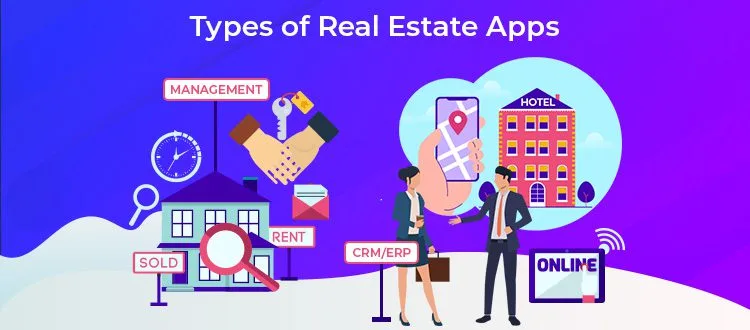
Platforms like Zillow and Realtor.com dominate this category. They offer extensive databases of homes for sale or rent. Key features include interactive maps and market analytics.
Rental Apps
Apps like Rentberry focus on leasing. Tenants apply online, pay rent, and communicate with landlords. Lease agreements and maintenance requests are digitized.
Real Estate Marketplaces
These connect buyers and sellers directly. Examples include Facebook Marketplace. No intermediaries mean lower fees but require fraud prevention measures.
Investment Apps
Investors analyse profitable properties using apps like Fundrise. Features include ROI projections and crowdfunding options. These apps cater to serious investors.
Agent-Focused Apps
Tools like Dotloop help agents manage clients and listings. CRM integrations, digital signatures, and analytics streamline workflows for professionals.
Steps to Develop a Real Estate App
Market Research
Study competitors like Zillow and Redfin. Identify gaps in their offerings. Survey potential users to understand their pain points and preferences.
Define Core Features
Start with essential features: listings, search filters, and messaging. Advanced features like AI recommendations can come later. Prioritise usability.
Choose Development Approach
Decide between native (Swift/Kotlin) or cross-platform (Flutter/React Native) development. Cross-platform saves costs if targeting both iOS and Android.
Design UI/UX Prototypes
Create wireframes and mockups for user testing. Focus on intuitive navigation. A clutter-free design improves engagement.
Select Tech Stack
Front-end: React Native or Flutter.
Back-end: Node.js or Django.
Database: PostgreSQL or Firebase.
APIs: Google Maps, Stripe, Twilio.
Develop & Test
Build an MVP first. Test for bugs, security, and performance. Gather feedback and refine features before full launch.
Launch & Market
Publish on App Store and Google Play. Use SEO, social media, and partnerships to attract users. Offer promotions for early adopters.
Maintain & Update
Monitor app performance with tools like Google Analytics. Regular updates fix bugs and add features based on user feedback.
Technology Stack for Real Estate Apps
Front-End Development
Cross-Platform: Flutter or React Native (cost-effective).
Native: Swift (iOS) or Kotlin (Android) for better performance.
Back-End Development
Node.js: Scalable for real-time updates.
Python (Django): Secure for handling large datasets.
Database Solutions
PostgreSQL: Relational database for structured data.
Firebase: NoSQL for real-time syncing (e.g., chats).
Cloud Services
AWS: Best for scalability.
Google Cloud: Integrates well with AI tools.
Third-Party APIs
Google Maps: For location-based services.
Stripe/PayPal: Secure payment processing.
Cost of Building a Real Estate App
A basic Real Estate App costs 25,000–50,000. Advanced apps with AI, AR, and multi-platform support can exceed $150,000. Factors affecting cost:
Features: Virtual tours and AI increase expenses.
Development Team: Rates vary by region (e.g., Eastern Europe vs. U.S.).
Platforms: Developing for both iOS and Android doubles efforts.
Challenges in Real Estate App Development
Data Security
Protect user data with encryption and secure logins. Compliance with GDPR is essential.
Scalability
Ensure your app handles growing user numbers. Cloud solutions like AWS help manage traffic spikes.
Third-Party Integrations
APIs for payments or maps must work seamlessly. Choose reliable providers with good documentation.
User Retention
Regular updates and new features keep users engaged. Personalised notifications improve retention rates.
Future Trends in Real Estate Apps
AI & Big Data
Predictive analytics suggest properties based on user behaviour. Chatbots assist with queries instantly.
Blockchain
Secure transactions and transparent property records gain traction. Smart contracts automate deals.
Green Real Estate
Apps highlight eco-friendly homes with energy-saving features. Sustainability appeals to modern buyers.
Voice Search
Users find properties via voice commands. Integration with Alexa or Google Assistant enhances accessibility.
Monetization Strategies
Subscription Plans
Charge agents or premium users for advanced features like analytics or unlimited listings.
Advertising
Display ads from mortgage lenders or moving companies. Targeted ads yield higher revenue.
Transaction Fees
Earn a percentage from property sales or rentals processed through your app.
Partnerships
Collaborate with home service providers (e.g., interior designers). Earn commissions for referrals.
Why Choose Progressive Robot?
Progressive Robot specializes in Real Estate App development. Our expertise includes:
Custom Solutions: Tailored apps for buyers, sellers, and agents.
Security Focus: Encryption and compliance with global standards.
Seamless Integrations: APIs for payments, maps, and analytics.
Scalable Designs: Apps that grow with your user base.
We guide you from concept to launch, ensuring a high-quality product. Partner with us to build a competitive Real Estate App.
Conclusion
Building a Real Estate App opens doors to a lucrative market. Start with essential features like listings and search filters. Add advanced tools like virtual tours as you grow.
Focus on security, usability, and scalability. Follow trends like AI and blockchain to stay ahead. Monetize through subscriptions, ads, or transaction fees.
Partner with Progressive Robot for expert development. Launch your app and transform how people buy, sell, or rent properties.
FAQs
What makes a Real Estate App successful?
User-friendly design, accurate listings, and features like virtual tours attract and retain users.
How long does development take?
A basic app takes 4–6 months. Complex apps with AI/AR need 9–12 months.
What are the must-have security features?
End-to-end encryption, two-factor authentication, and GDPR compliance are critical.
Can I integrate cryptocurrency payments?
Yes, but ensure compliance with local regulations. Blockchain adds transparency to transactions.
How do I keep users engaged?
Regular updates, personalised alerts, and loyalty programs boost engagement.