

Enterprise digital transformation and workforce upskilling consulting is becoming essential because agentic AI does not simply automate a few IT tickets; it changes how teams supervise work, escalate risk, own services, and build careers.
The hard part is not proving that agents can summarize incidents, draft runbooks, triage requests, or trigger workflows. The hard part is restructuring operations so people understand what they own after those tasks move.
This guide explains how enterprise digital transformation and workforce upskilling consulting helps leaders mitigate AI workforce displacement, redesign IT operations, create credible upskilling paths, and keep large-scale agentic AI deployments from becoming a morale problem disguised as efficiency.
Table of contents
- Why workforce friction decides AI outcomes
- Define new roles for agentic AI operations
- Learning paths must follow real workflows
- Measure value and workforce health together
- The first ninety days
- Frequently asked questions

Why workforce friction decides AI outcomes
Enterprise digital transformation and workforce upskilling consulting should begin where agentic AI changes the daily shape of IT operations rather than only adding another software tool. In that context, leaders need to redesign roles, decision rights, escalation paths, and training before automation changes production work. The aim is to move from vague augmentation promises to specific roles, skills, controls, and career pathways.
The operating risk is practical: employees may resist, managers may protect old queues, and service quality can decline even when the technology performs well. Leaders should treat workforce design, change management, service quality, and governance as one transformation system before agentic AI becomes business critical.
Why lift-and-automate fails like lift-and-shift
Enterprise digital transformation and workforce upskilling consulting should begin where companies automate existing ticket queues, approvals, and manual runbooks without asking whether the operating model still makes sense. In that context, teams should separate work that disappears, work that becomes supervised, and work that becomes higher-value service ownership. The aim is to move from vague augmentation promises to specific roles, skills, controls, and career pathways.
The operating risk is practical: the organization pays for AI while preserving the bottlenecks that AI was supposed to remove. Leaders should treat workforce design, change management, service quality, and governance as one transformation system before agentic AI becomes business critical.

Treat displacement as a mobility design problem
Enterprise digital transformation and workforce upskilling consulting should begin where some tasks will shrink while new roles appear around AI supervision, policy, platform operations, model evaluation, and service design. In that context, workforce planning should create visible mobility paths instead of leaving employees to guess what happens next. The aim is to move from vague augmentation promises to specific roles, skills, controls, and career pathways.
The operating risk is practical: uncertainty spreads faster than training when leaders cannot explain the next role architecture. Leaders should treat workforce design, change management, service quality, and governance as one transformation system before agentic AI becomes business critical. This is where Enterprise digital transformation and workforce upskilling consulting turns anxiety into accountable operating-model design.
Map IT operations before changing jobs
Enterprise digital transformation and workforce upskilling consulting should begin where incident response, service desk, platform engineering, security operations, asset management, and change control all carry hidden handoffs. In that context, the operating map should show task volume, risk, automation fit, skill demand, and human judgment requirements. The aim is to move from vague augmentation promises to specific roles, skills, controls, and career pathways.
The operating risk is practical: teams that skip this map may automate the wrong work and leave the hardest accountability questions untouched. Leaders should treat workforce design, change management, service quality, and governance as one transformation system before agentic AI becomes business critical.

Define new roles for agentic AI operations
Enterprise digital transformation and workforce upskilling consulting should begin where AI agents need owners, supervisors, exception handlers, prompt operators, control reviewers, workflow designers, and service managers. In that context, role definitions should include authority, required skills, tooling, quality metrics, and escalation thresholds. The aim is to move from vague augmentation promises to specific roles, skills, controls, and career pathways.
The operating risk is practical: a vague instruction to work with AI gives employees responsibility without practical authority. Leaders should treat workforce design, change management, service quality, and governance as one transformation system before agentic AI becomes business critical.
Middle managers need a new mandate
Enterprise digital transformation and workforce upskilling consulting should begin where supervisors who once measured output by tickets closed may now need to coach judgment, review exceptions, and improve automated workflows. In that context, management training should include workforce transition conversations, adoption coaching, metrics interpretation, and risk escalation. The aim is to move from vague augmentation promises to specific roles, skills, controls, and career pathways.
The operating risk is practical: managers can quietly block adoption if their own role feels threatened or undefined. Leaders should treat workforce design, change management, service quality, and governance as one transformation system before agentic AI becomes business critical. This is where Enterprise digital transformation and workforce upskilling consulting turns anxiety into accountable operating-model design.
The service desk becomes a learning engine
Enterprise digital transformation and workforce upskilling consulting should begin where agentic AI will absorb password resets, knowledge lookups, triage, routing, and first-response drafts. In that context, service desk roles should move toward knowledge governance, exception handling, customer experience, workflow quality, and automation improvement. The aim is to move from vague augmentation promises to specific roles, skills, controls, and career pathways.
The operating risk is practical: frontline employees will see displacement risk first, so they need the clearest mobility path. Leaders should treat workforce design, change management, service quality, and governance as one transformation system before agentic AI becomes business critical.
Platform engineering absorbs AI operating complexity
Enterprise digital transformation and workforce upskilling consulting should begin where AI workflows depend on identity, observability, policy enforcement, integration patterns, deployment controls, and reusable service templates. In that context, platform teams should turn agent adoption into governed capabilities rather than isolated experiments. The aim is to move from vague augmentation promises to specific roles, skills, controls, and career pathways.
The operating risk is practical: without platform ownership, every department creates its own fragile AI operations stack. Leaders should treat workforce design, change management, service quality, and governance as one transformation system before agentic AI becomes business critical.
Security operations must redesign escalation
Enterprise digital transformation and workforce upskilling consulting should begin where AI agents can classify alerts, summarize evidence, draft containment steps, and enrich cases. In that context, security teams should define what agents can decide, what humans must approve, and how evidence is retained. The aim is to move from vague augmentation promises to specific roles, skills, controls, and career pathways.
The operating risk is practical: blind automation can create faster mistakes in the very areas where judgment matters most. Leaders should treat workforce design, change management, service quality, and governance as one transformation system before agentic AI becomes business critical. This is where Enterprise digital transformation and workforce upskilling consulting turns anxiety into accountable operating-model design.
Change control needs faster but clearer gates
Enterprise digital transformation and workforce upskilling consulting should begin where agentic systems can propose changes, update runbooks, and generate deployment plans. In that context, governance should keep risk-based approvals, change evidence, rollback ownership, and human sign-off for high-impact actions. The aim is to move from vague augmentation promises to specific roles, skills, controls, and career pathways.
The operating risk is practical: old approval boards will frustrate AI adoption, but removing approval entirely creates operational risk. Leaders should treat workforce design, change management, service quality, and governance as one transformation system before agentic AI becomes business critical.
Build a practical skills taxonomy
Enterprise digital transformation and workforce upskilling consulting should begin where generic AI literacy does not tell an infrastructure engineer, service desk analyst, or product owner what to learn next. In that context, skills should be mapped to job families, proficiency levels, workflow tools, business outcomes, and certification evidence. The aim is to move from vague augmentation promises to specific roles, skills, controls, and career pathways.
The operating risk is practical: training budgets get wasted when every employee receives the same abstract AI course. Leaders should treat workforce design, change management, service quality, and governance as one transformation system before agentic AI becomes business critical.
Learning paths must follow real workflows
Enterprise digital transformation and workforce upskilling consulting should begin where people learn fastest when training uses the tools, tickets, data, and exceptions they will face in production. In that context, labs should cover prompt operations, agent supervision, workflow debugging, escalation decisions, and evidence capture. The aim is to move from vague augmentation promises to specific roles, skills, controls, and career pathways.
The operating risk is practical: a slide deck about AI will not prepare teams for live accountability. Leaders should treat workforce design, change management, service quality, and governance as one transformation system before agentic AI becomes business critical. This is where Enterprise digital transformation and workforce upskilling consulting turns anxiety into accountable operating-model design.
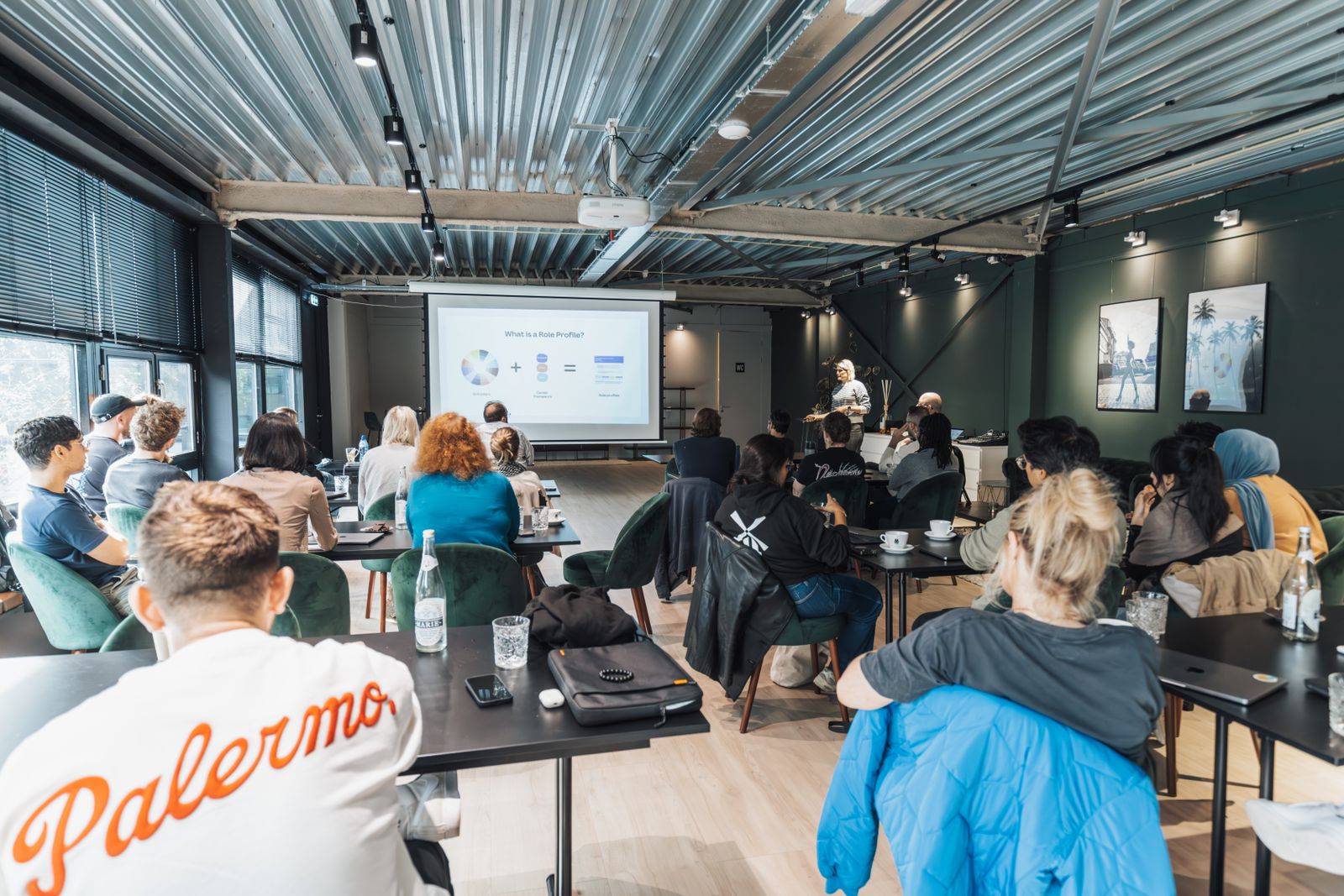
The psychological contract needs repair
Enterprise digital transformation and workforce upskilling consulting should begin where employees hear automation announcements through the lens of job security, career identity, and fairness. In that context, communications should explain what changes, what remains human-owned, what training exists, and how mobility decisions are made. The aim is to move from vague augmentation promises to specific roles, skills, controls, and career pathways.
The operating risk is practical: silence creates rumors that can damage adoption more than technical defects. Leaders should treat workforce design, change management, service quality, and governance as one transformation system before agentic AI becomes business critical.
Labor relations and consultation cannot be afterthoughts
Enterprise digital transformation and workforce upskilling consulting should begin where large-scale agentic AI deployments may affect job descriptions, productivity measurement, scheduling, surveillance concerns, and redeployment. In that context, leaders should engage HR, legal, works councils, unions, and employee representatives early where relevant. The aim is to move from vague augmentation promises to specific roles, skills, controls, and career pathways.
The operating risk is practical: late consultation can delay rollout and make employees feel the operating model was imposed rather than designed. Leaders should treat workforce design, change management, service quality, and governance as one transformation system before agentic AI becomes business critical.
Internal talent marketplaces reduce displacement pressure
Enterprise digital transformation and workforce upskilling consulting should begin where new AI operations roles often emerge faster than external hiring can fill them. In that context, companies should match employees to projects, apprenticeships, rotations, and certifications linked to agentic workflows. The aim is to move from vague augmentation promises to specific roles, skills, controls, and career pathways.
The operating risk is practical: a visible internal market turns automation anxiety into practical career movement. Leaders should treat workforce design, change management, service quality, and governance as one transformation system before agentic AI becomes business critical. This is where Enterprise digital transformation and workforce upskilling consulting turns anxiety into accountable operating-model design.
Compensation should follow new accountability
Enterprise digital transformation and workforce upskilling consulting should begin where employees asked to supervise agents, approve automated decisions, or own AI service quality carry different responsibilities. In that context, job levels and pay bands should reflect higher judgment, governance, and customer-impact accountability. The aim is to move from vague augmentation promises to specific roles, skills, controls, and career pathways.
The operating risk is practical: asking people to absorb new risk without recognition creates resentment and weak adoption. Leaders should treat workforce design, change management, service quality, and governance as one transformation system before agentic AI becomes business critical.
Measure value and workforce health together
Enterprise digital transformation and workforce upskilling consulting should begin where AI dashboards often track automation rate, cost reduction, and ticket deflection. In that context, leaders should also track skill attainment, redeployment, employee sentiment, error rates, service quality, and exception volume. The aim is to move from vague augmentation promises to specific roles, skills, controls, and career pathways.
The operating risk is practical: cost-only reporting rewards displacement without proving that the organization became more capable. Leaders should treat workforce design, change management, service quality, and governance as one transformation system before agentic AI becomes business critical.
Shadow AI is a workforce signal
Enterprise digital transformation and workforce upskilling consulting should begin where employees will use unofficial agents when official workflows are slow, confusing, or disconnected from real work. In that context, shadow use should reveal unmet needs, training gaps, poor tooling, and missing governance rather than only policy violations. The aim is to move from vague augmentation promises to specific roles, skills, controls, and career pathways.
The operating risk is practical: punishing workarounds without fixing the operating model drives risk underground. Leaders should treat workforce design, change management, service quality, and governance as one transformation system before agentic AI becomes business critical. This is where Enterprise digital transformation and workforce upskilling consulting turns anxiety into accountable operating-model design.
Human-in-the-loop has to mean a real job
Enterprise digital transformation and workforce upskilling consulting should begin where many programs claim human oversight but do not allocate time, skills, authority, or incentives for that oversight. In that context, oversight roles should define review thresholds, sampled decisions, escalation duties, evidence records, and stop-work authority. The aim is to move from vague augmentation promises to specific roles, skills, controls, and career pathways.
The operating risk is practical: fake oversight creates liability while giving employees impossible responsibility. Leaders should treat workforce design, change management, service quality, and governance as one transformation system before agentic AI becomes business critical.
Knowledge management becomes workforce infrastructure
Enterprise digital transformation and workforce upskilling consulting should begin where agents depend on accurate service catalogs, runbooks, policies, configuration data, and post-incident learning. In that context, employees should be rewarded for improving knowledge assets and removing ambiguity from workflows. The aim is to move from vague augmentation promises to specific roles, skills, controls, and career pathways.
The operating risk is practical: poor knowledge quality makes agents look unreliable and employees look resistant. Leaders should treat workforce design, change management, service quality, and governance as one transformation system before agentic AI becomes business critical.
Governance should be close to operations
Enterprise digital transformation and workforce upskilling consulting should begin where central AI committees cannot review every workflow exception, prompt update, or service desk automation decision. In that context, governance should define policy, risk tiers, approval paths, local owners, monitoring, and audit evidence. The aim is to move from vague augmentation promises to specific roles, skills, controls, and career pathways.
The operating risk is practical: overcentralized governance slows adoption while underdefined governance creates inconsistent behavior. Leaders should treat workforce design, change management, service quality, and governance as one transformation system before agentic AI becomes business critical. This is where Enterprise digital transformation and workforce upskilling consulting turns anxiety into accountable operating-model design.
Vendors change the workforce equation
Enterprise digital transformation and workforce upskilling consulting should begin where AI copilots, service-management platforms, security tools, and automation vendors often promise productivity improvements without role detail. In that context, procurement should ask how tools change work, what skills are needed, what monitoring is available, and how humans override agents. The aim is to move from vague augmentation promises to specific roles, skills, controls, and career pathways.
The operating risk is practical: buying automation before designing roles transfers confusion into the workforce. Leaders should treat workforce design, change management, service quality, and governance as one transformation system before agentic AI becomes business critical.
Create an AI operating-model office
Enterprise digital transformation and workforce upskilling consulting should begin where large transformations need coordination across HR, IT, finance, legal, security, procurement, and business units. In that context, a small operating-model office can manage role design, adoption metrics, training paths, communications, and governance decisions. The aim is to move from vague augmentation promises to specific roles, skills, controls, and career pathways.
The operating risk is practical: without orchestration, every department invents a different workforce transition story. Leaders should treat workforce design, change management, service quality, and governance as one transformation system before agentic AI becomes business critical.
Pilots should test friction, not only technology
Enterprise digital transformation and workforce upskilling consulting should begin where proofs of concept often measure whether the agent can complete a task. In that context, pilots should also test role clarity, manager behavior, training effectiveness, employee trust, handoff quality, and exception handling. The aim is to move from vague augmentation promises to specific roles, skills, controls, and career pathways.
The operating risk is practical: a technically successful pilot can still fail when scaled to real teams. Leaders should treat workforce design, change management, service quality, and governance as one transformation system before agentic AI becomes business critical. This is where Enterprise digital transformation and workforce upskilling consulting turns anxiety into accountable operating-model design.
Keep a workforce risk register
Enterprise digital transformation and workforce upskilling consulting should begin where workforce displacement risk is not a vague cultural concern. In that context, the risk register should track affected roles, skill gaps, consultation needs, adoption blockers, control gaps, and remediation owners. The aim is to move from vague augmentation promises to specific roles, skills, controls, and career pathways.
The operating risk is practical: untracked workforce risks emerge later as attrition, resistance, audit findings, or failed business adoption. Leaders should treat workforce design, change management, service quality, and governance as one transformation system before agentic AI becomes business critical.
Communications should be specific and repeated
Enterprise digital transformation and workforce upskilling consulting should begin where employees need to hear more than a strategic claim that AI will augment work. In that context, messages should name affected workflows, expected timelines, training options, decision points, and escalation channels. The aim is to move from vague augmentation promises to specific roles, skills, controls, and career pathways.
The operating risk is practical: generic reassurance can sound evasive when people can see their daily tasks changing. Leaders should treat workforce design, change management, service quality, and governance as one transformation system before agentic AI becomes business critical.
Career paths must make AI work aspirational
Enterprise digital transformation and workforce upskilling consulting should begin where upskilling succeeds when employees can see a better role on the other side of disruption. In that context, career architecture should include AI service owner, automation analyst, agent supervisor, workflow designer, AI risk coordinator, and platform product roles. The aim is to move from vague augmentation promises to specific roles, skills, controls, and career pathways.
The operating risk is practical: a transformation that only removes work will struggle to keep the people needed to stabilize it. Leaders should treat workforce design, change management, service quality, and governance as one transformation system before agentic AI becomes business critical. This is where Enterprise digital transformation and workforce upskilling consulting turns anxiety into accountable operating-model design.
What a consulting engagement should deliver
Enterprise digital transformation and workforce upskilling consulting should begin where executives need more than adoption workshops or generic AI training. In that context, deliverables should include a workforce impact map, role architecture, skills taxonomy, training plan, governance model, communications pack, and ninety-day execution roadmap. The aim is to move from vague augmentation promises to specific roles, skills, controls, and career pathways.
The operating risk is practical: without concrete deliverables, consulting becomes a conversation rather than an operating change. Leaders should treat workforce design, change management, service quality, and governance as one transformation system before agentic AI becomes business critical.
The first ninety days should reduce uncertainty
Enterprise digital transformation and workforce upskilling consulting should begin where most organizations can start with a few high-volume workflows and the teams closest to AI disruption. In that context, prioritize role mapping, manager enablement, training labs, pilot governance, and internal mobility paths. The aim is to move from vague augmentation promises to specific roles, skills, controls, and career pathways.
The operating risk is practical: early clarity can prevent fear from hardening into resistance. Leaders should treat workforce design, change management, service quality, and governance as one transformation system before agentic AI becomes business critical.

The final verdict on AI workforce displacement mitigation
Enterprise digital transformation and workforce upskilling consulting should begin where agentic AI will change IT operations whether leaders manage the transition or leave it to informal adaptation. In that context, companies should redesign work, build skills, govern agents, and create mobility paths before automation rewrites job reality. The aim is to move from vague augmentation promises to specific roles, skills, controls, and career pathways.
The operating risk is practical: the winners will not be the firms with the most agents; they will be the firms whose people know how to operate them responsibly. Leaders should treat workforce design, change management, service quality, and governance as one transformation system before agentic AI becomes business critical. This is where Enterprise digital transformation and workforce upskilling consulting turns anxiety into accountable operating-model design.
Frequently asked questions about AI workforce displacement mitigation
What is enterprise digital transformation and workforce upskilling consulting?
Enterprise digital transformation and workforce upskilling consulting helps organizations redesign roles, build practical AI skills, govern agentic workflows, communicate change, and create internal mobility paths during digital transformation.
How is agentic AI different from earlier automation?
Earlier automation often executed narrow rules. Enterprise digital transformation and workforce upskilling consulting must account for agents that plan, summarize, trigger workflows, recommend decisions, and interact across systems under human supervision.
Does upskilling really reduce displacement risk?
Yes, when Enterprise digital transformation and workforce upskilling consulting links training to real workflow changes, role openings, manager support, credential evidence, and internal mobility. Generic AI literacy alone is not enough.
Which IT roles change first during agentic AI deployments?
Service desk, incident response, security operations, platform engineering, change control, knowledge management, and business application support often change first because agents can touch high-volume workflows.
How should leaders measure workforce transition success?
Measure automation value alongside employee skill attainment, redeployment, adoption sentiment, service quality, exception volume, error rates, customer experience, and manager readiness.
How quickly can enterprise digital transformation and workforce upskilling consulting produce a plan?
A focused enterprise digital transformation and workforce upskilling consulting engagement can produce a practical ninety-day plan by mapping affected workflows, defining new roles, building training paths, and launching controlled pilots.
References and further reading
World Economic Forum Future of Jobs Report 2025
OECD resources on artificial intelligence and work
International Labour Organization future of work resources
NIST AI Risk Management Framework
U.S. Department of Labor Employment and Training Administration
ISO/IEC 42001 artificial intelligence management system standard
Progressive Robot IT consulting services
Progressive Robot data analytics services










