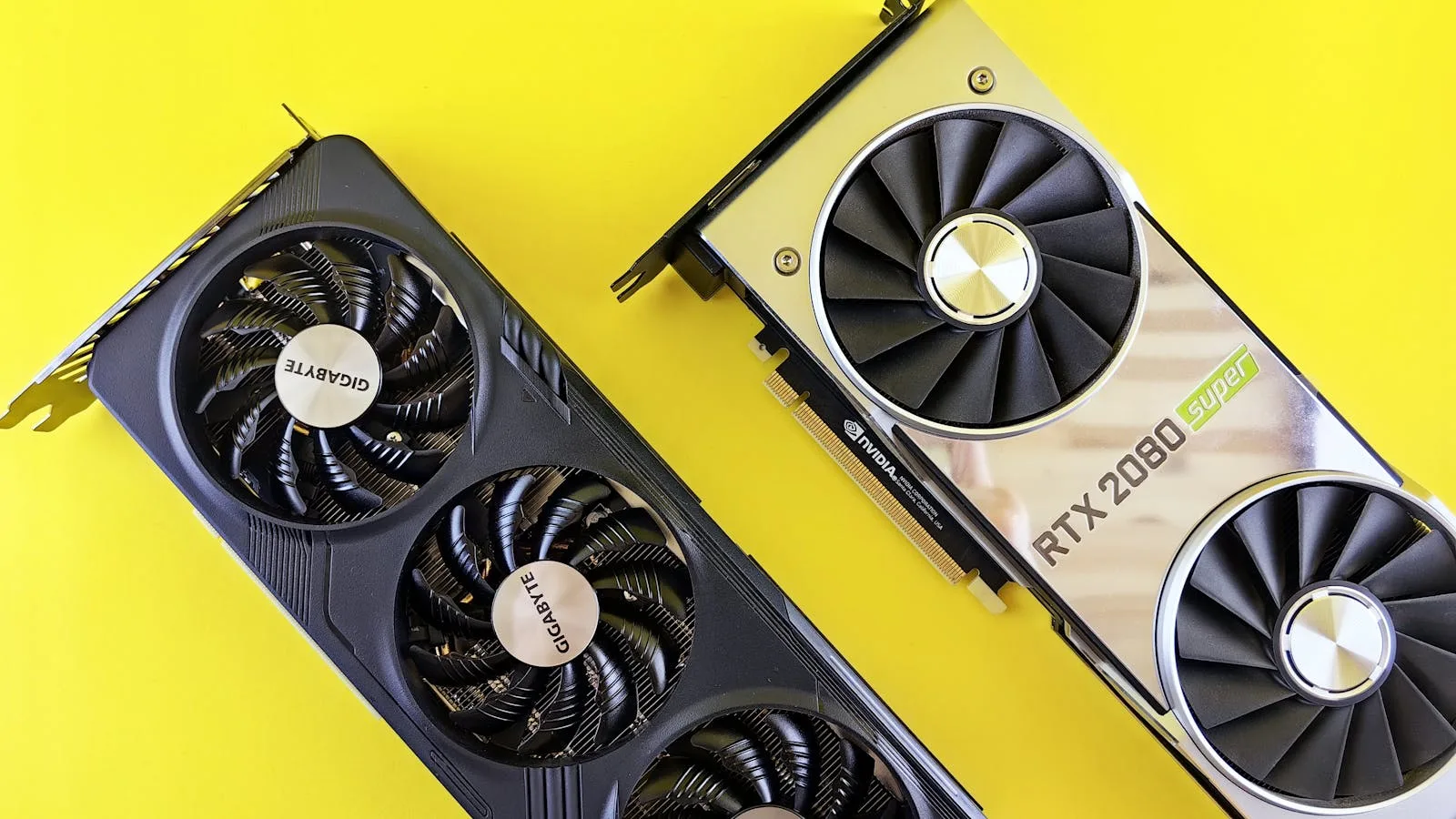
GPUs vs TPUs: 7 Critical Differences for AI Workloads
A source-backed comparison of GPUs vs TPUs covering architecture, software ecosystem, workload fit, cloud portability, and when each accelerator makes sense for AI teams.

A source-backed comparison of GPUs vs TPUs covering architecture, software ecosystem, workload fit, cloud portability, and when each accelerator makes sense for AI teams.
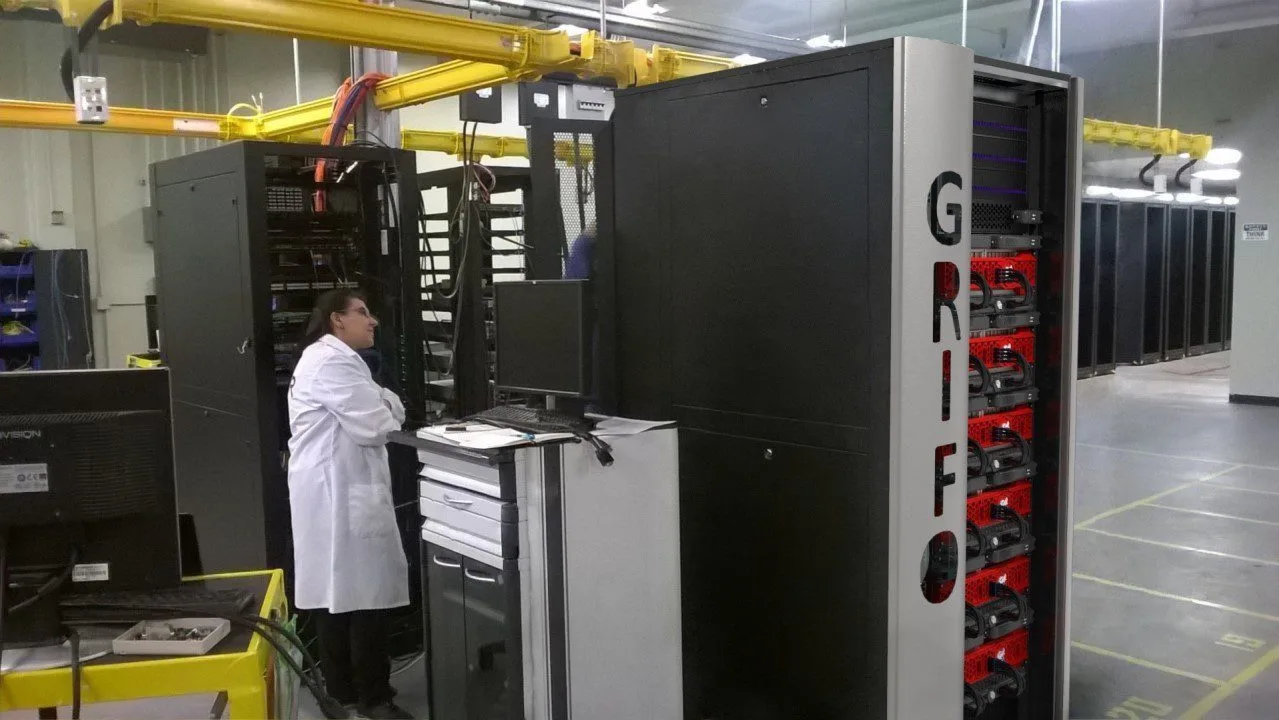
In the ever-evolving landscape of computing, the integration of heterogeneous technologies has emerged as a powerful strategy to optimize performance for specific workloads. The marriage of CPUs, GPUs, and FPGAs in cluster configurations has become a cornerstone in the realm of high-performance computing (HPC). Concurrently, the integration of machine learning (ML) and artificial intelligence (AI) into cluster servers has fueled groundbreaking advancements across various industries. In this article, we delve into the symbiotic relationship between heterogeneous computing and machine learning integration, exploring how this convergence is shaping the future of scientific simulations, AI applications, and beyond.










