
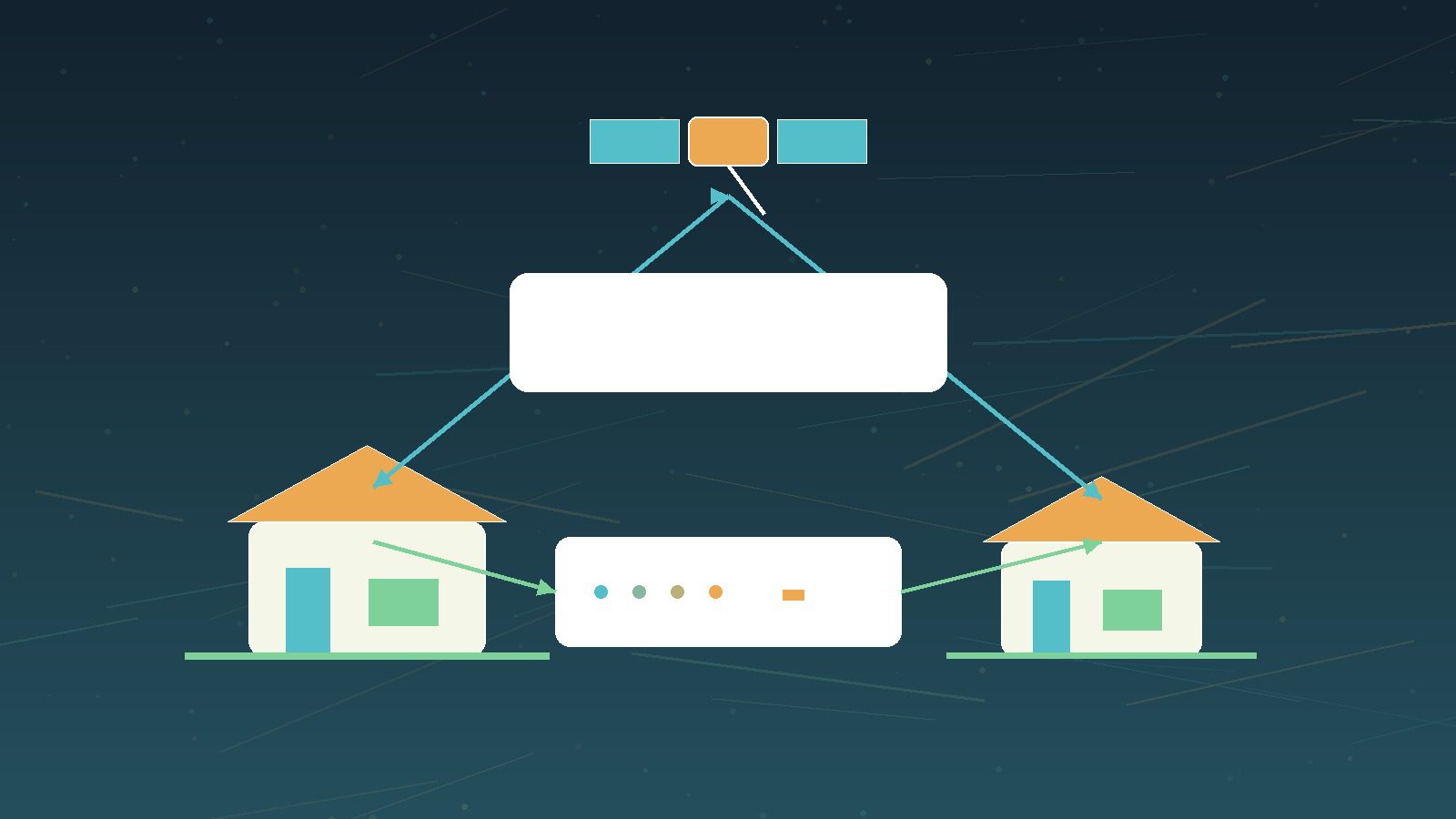
Satellite-as-a-Service is becoming a serious option for rural-edge UK businesses that cannot afford to treat broadband as a best-efforts utility. Farms, rural manufacturers, holiday parks, care homes, clinics, construction sites, logistics yards, renewable-energy sites, food processors, and remote retail locations now run cloud software, card payments, VoIP, CCTV, sensors, stock systems, remote support, and compliance reporting over networks that were never designed for always-on operations.
The old answer was to wait for better fibre, buy a second fixed line, or tolerate downtime. The new answer is more architectural: use low-earth-orbit satellite connectivity as an independent failover path, wrap it in monitoring and support, and treat it as a managed resilience service rather than a novelty dish on the roof.
That is the idea behind Satellite-as-a-Service, or SataS. In this model, the business does not simply buy a Starlink kit and hope for the best. It buys an outcome: every critical site has a tested backup path, automatic WAN failover, suitable power backup, security controls, cloud routing, usage policies, service monitoring, and a clear runbook for outages.
The phrase “100% failover redundancy” needs care. It should not mean that Starlink, any satellite network, or any managed service can guarantee that no outage will ever happen. It should mean that 100% of business-critical locations have a secondary connectivity route that is independent of the main terrestrial path and has been tested for the applications that matter.
Used that way, Satellite-as-a-Service can change the economics of rural resilience. It gives UK businesses a practical way to keep operating when fibre is cut, copper is retired, 4G is weak, local cabinets fail, roadworks take out ducts, storms hit overhead lines, or remote sites are simply beyond affordable fixed-line upgrades.
Starlink’s business pages describe high-speed, low-latency internet for businesses, including business use cases such as construction, agriculture, retail, hospitality, education, energy, utilities, and financial services. Starlink also says its fixed-site service provides a connection independent of terrestrial outages, with path redundancy through multiple satellites and ground stations. Its technology page explains why low-earth-orbit matters: satellites orbit much closer to Earth than geostationary systems, around 550 km, reducing latency compared with traditional satellite broadband.
The UK context matters too. Project Gigabit targets hard-to-reach homes and businesses, and GOV.UK says satellite technologies can enhance network resilience by serving as a backup connection and can connect remote or very hard to reach areas where other broadband options are limited. The National Space Strategy says satellites help keep the UK connected and points to resilient space capabilities and services as a strategic pillar.
Satellite-as-a-Service sits at the meeting point of those trends: better low-earth-orbit broadband, rural digital dependency, cloud-first operations, and a practical need for continuity.
What Satellite-as-a-Service means
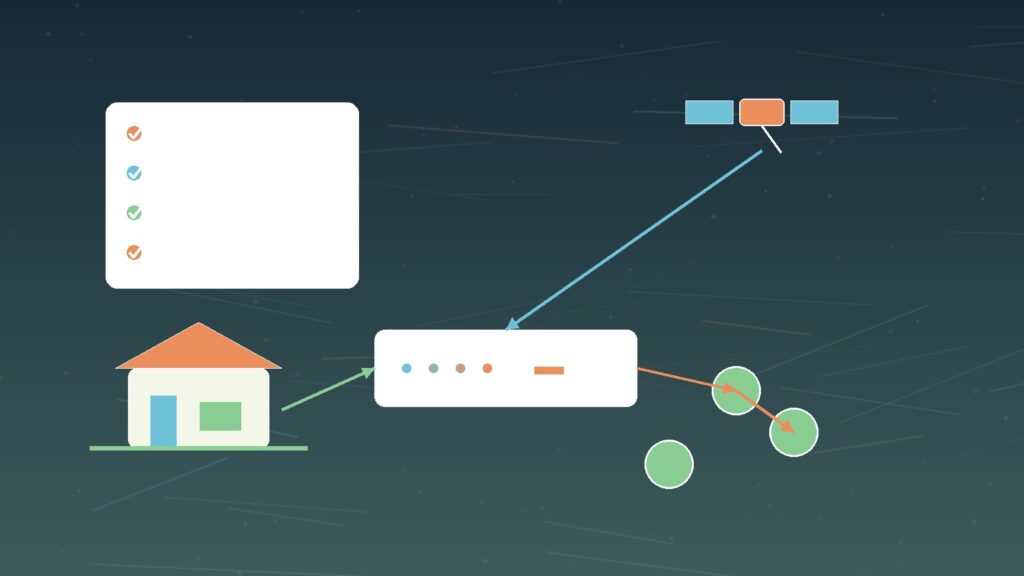
Satellite-as-a-Service is a managed connectivity model that uses satellite broadband as part of a business continuity architecture. It is not only the satellite terminal. It is the design, installation, integration, monitoring, support, testing, and governance around the terminal.
For a rural-edge business, Satellite-as-a-Service typically includes:
| Layer | What it includes |
|---|---|
| Satellite access | Starlink or another LEO service, terminal, mount, cable route, router, plan, and support level. |
| WAN failover | Firewall or SD-WAN rules that move traffic from fibre, FTTC, leased line, or 4G to satellite automatically. |
| Application policy | Which systems fail over first: payments, VoIP, remote access, CCTV, stock, telemetry, email, or guest Wi-Fi. |
| Power resilience | UPS, surge protection, restart procedure, and power budget for the terminal and network equipment. |
| Security | Segmentation, identity controls, VPN, DNS filtering, logging, patching, and supplier access rules. |
| Monitoring | Link health, latency, packet loss, usage, alerts, failover events, and monthly resilience reports. |
| Support | A defined owner for troubleshooting, escalation, vendor contact, spares, and replacement hardware. |
| Testing | Scheduled failover drills, application checks, and documented recovery targets. |
The service wrapper is the difference between a backup link and a resilience plan. Satellite-as-a-Service should make it obvious who owns the service, which systems depend on it, when it was last tested, how the business knows it has failed over, and what happens if both the primary and backup links have problems.
That is where SataS becomes valuable for SMEs. A business may not have a network engineer at every rural site. It may have a farm office, a warehouse, a hotel reception, a plant room, a care home comms cupboard, or a temporary cabin. Satellite-as-a-Service turns a specialist network design into a repeatable service that can be deployed across sites.
Why rural-edge UK businesses need a different backup model
Rural-edge businesses have a particular connectivity problem: they are physically distant from network density but operationally dependent on cloud systems.
A rural manufacturer may need cloud ERP, supplier portals, barcode scanners, VoIP, and remote machine support. A holiday park may need online bookings, card payments, Wi-Fi, access control, CCTV, and guest support. A farm may depend on IoT sensors, camera feeds, machinery telemetry, livestock systems, weather data, and online marketplaces. A care provider may need electronic care records, medication systems, video calls, and secure reporting.
When the connection drops, the site does not merely lose email. It may lose payments, safety visibility, stock movements, customer service, remote maintenance, or regulatory evidence.
The old backup options often fail in rural settings:
| Backup option | Rural-edge weakness |
|---|---|
| Second fixed line | May share ducts, poles, cabinets, exchanges, or wholesale dependencies with the first line. |
| 4G or 5G router | Coverage may be weak, congested, seasonal, or unavailable inside buildings. |
| Copper fallback | PSTN and copper retirement reduce long-term viability. |
| Manual tethering | Depends on staff presence, signal quality, device battery, and ad hoc configuration. |
| Wait for fibre | Project timelines can be long, and remote sites may still need resilience after fibre arrives. |
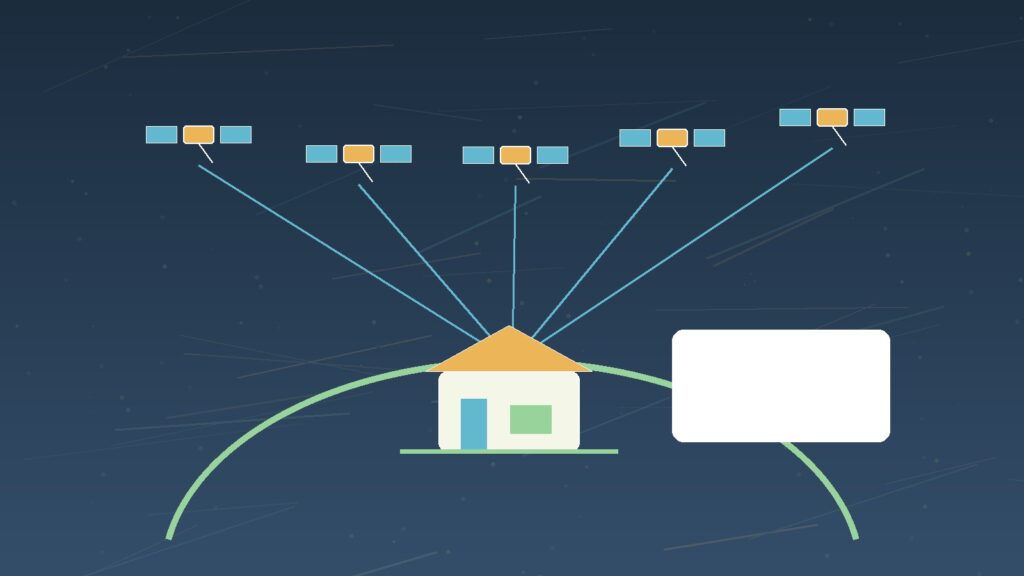
Satellite-as-a-Service gives rural-edge sites a different failure domain. A low-earth-orbit link does not follow the same local trench, pole, cabinet, exchange, or mobile mast path as the primary connection. That independence is the core resilience benefit.
This does not make satellite magic. It needs clear sky, power, sensible mounting, traffic policy, and testing. But it can give the business an option when every terrestrial path in the area is compromised.
How Starlink and LEO changed the failover equation
Traditional satellite broadband was often too latent for interactive business systems. It could be useful for basic internet access, but high round-trip delay made video calls, remote desktops, VoIP, cloud apps, and VPN workflows awkward.
Low-earth-orbit systems changed that equation by reducing the distance between the user and the satellite. Starlink says its satellites orbit around 550 km and that latency is significantly lower than geostationary satellite internet. Its business page describes typical business performance bands of 40-220+ Mbps download, 8-25+ Mbps upload, and 20-60 ms latency, with availability and speeds varying by area and plan.
For failover, that is enough to support many critical rural-edge workflows:
- Card payments and point-of-sale.
- Cloud accounting and booking systems.
- VoIP and video calls.
- Remote monitoring and CCTV review.
- IoT telemetry and alerts.
- VPN access to essential systems.
- Supplier portals and order processing.
- Emergency staff communication.
- Remote support sessions.
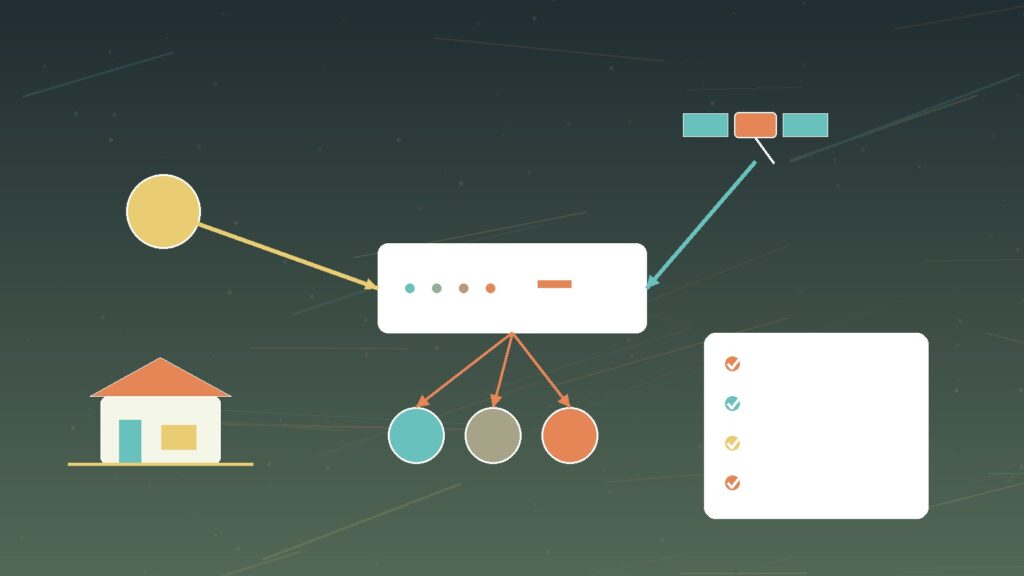
Satellite-as-a-Service should not be designed as unlimited extra bandwidth for everything. It should be designed as a prioritised continuity path. During a failover event, the satellite link should protect the business systems that keep the site safe, trading, and supportable.
That is the difference between “we have Starlink somewhere” and “we have a tested SataS failover design.”
What 100% failover redundancy should mean
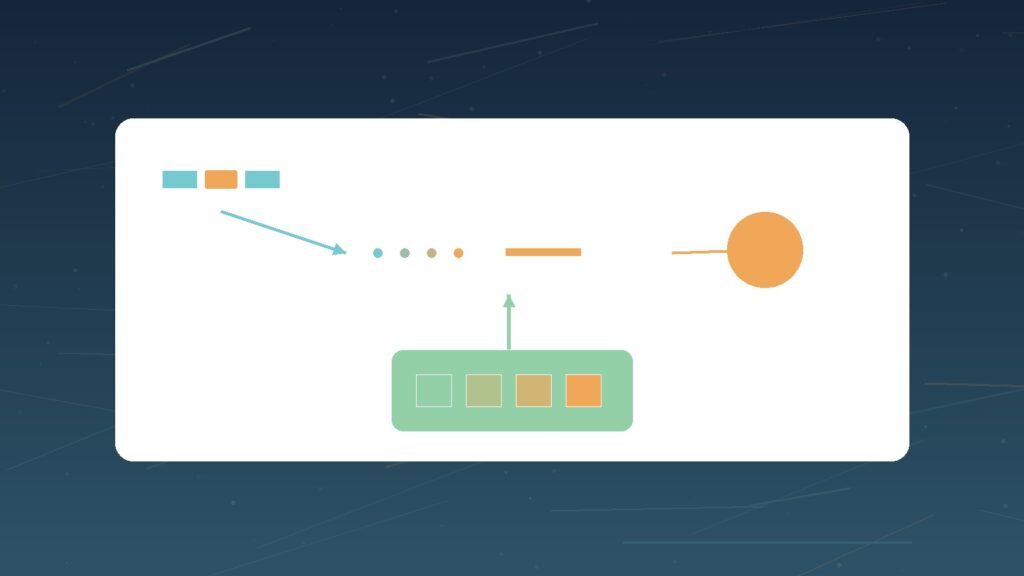
The phrase “100% failover redundancy” can become misleading if it is treated as an uptime promise. In practical network design, it should mean every critical site and critical workflow has a tested secondary path.
Satellite-as-a-Service should define 100% failover coverage across four dimensions:
| Dimension | Practical meaning |
|---|---|
| Site coverage | Every business-critical rural site has a backup connectivity path. |
| Workflow coverage | Critical applications have failover priority, not just generic internet access. |
| Failure-domain separation | Backup connectivity does not depend on the same local fibre, cabinet, pole, duct, or mobile mast as the primary service. |
| Operational proof | Failover is tested, monitored, documented, and owned. |
That definition is more useful than claiming no downtime is possible. Weather, local power loss, equipment damage, configuration errors, vendor issues, cyber incidents, and human mistakes can still interrupt service. The point of Satellite-as-a-Service is to remove a single point of failure and make recovery predictable.
The best target is simple: if the primary internet connection fails, the site should keep running at an agreed reduced mode without waiting for a technician to drive out.
For some businesses, reduced mode means payments, telephony, email, stock lookup, and staff messaging. For others, it means CCTV, alarms, telematics, and operational dashboards. For a rural care site, it may mean care records, medication workflows, secure messaging, and video consultations.
Satellite-as-a-Service should write those priorities down before the outage, not during it.
9 critical checks before deploying Satellite-as-a-Service

1. Map business-critical workflows before buying hardware
The first mistake is choosing the satellite kit before choosing the continuity outcome.
Start by mapping the workflows that must survive a broadband outage. List the systems, users, devices, and cloud services that matter in the first hour of disruption. Then decide what can be paused, what can be throttled, and what must stay live.
Satellite-as-a-Service design should separate traffic into tiers:
| Tier | Examples | Failover policy |
|---|---|---|
| Essential | Payments, alarms, care records, VoIP, remote access, operational telemetry. | Always allowed during failover. |
| Important | Email, stock systems, booking platforms, supplier portals, engineering support. | Allowed with bandwidth controls. |
| Deferrable | Guest Wi-Fi, software updates, streaming, large file sync, non-urgent backups. | Blocked or heavily limited during failover. |
This mapping is especially important for rural-edge businesses that mix operational and customer traffic. A hotel or holiday park may need both reception systems and guest Wi-Fi, but guest streaming should not crowd out payment terminals during a fixed-line outage. A farm may need telemetry and CCTV, but not every device needs unrestricted internet while the satellite link is carrying the site.
Satellite-as-a-Service should produce a simple continuity profile for each site: critical systems, users, bandwidth expectation, failover trigger, owner, and test schedule.
2. Check sky view, mounting, cabling, and weather exposure
Satellite failover starts with physics.
Starlink says its kit needs an unobstructed view of the sky, and the installation location matters. Rural sites can look easy because they have open land, but real-world obstacles still matter: trees, barns, silos, hills, cranes, temporary structures, roof edges, solar panels, chimneys, and seasonal foliage.
Satellite-as-a-Service should include a site survey that checks:
- Clear sky view.
- Safe mounting position.
- Cable route and maximum cable length.
- Weather exposure.
- Lightning and surge risk.
- Roof access and maintenance safety.
- Physical security of the terminal and router.
- Distance to the comms cabinet or firewall.
- Whether the terminal could be moved, stolen, damaged, or blocked.
Good mounting is not cosmetic. A poorly placed terminal can work during testing and fail during real weather, leaf growth, building work, or vehicle movement.
Rural-edge sites also need spares thinking. If the business has multiple remote sites, Satellite-as-a-Service may justify spare power supplies, cables, mounts, or even a spare terminal. Replacement logistics matter when the nearest engineer is hours away.
3. Build automatic failover instead of manual switching
Manual failover is fragile. It depends on someone noticing the outage, knowing what to unplug, being on site, having admin access, and making the change under pressure.
Satellite-as-a-Service should use a firewall, router, or SD-WAN platform that can detect primary-link failure and move traffic automatically. The failover logic should measure more than whether the cable is plugged in. It should test real reachability, latency, packet loss, DNS, and application availability.
Key decisions include:
- Active-passive or active-active design.
- Health check targets.
- Failover trigger thresholds.
- Failback timing to avoid flapping.
- Traffic priority rules.
- VPN routing.
- Public IP requirements.
- DNS behaviour.
- Remote admin access.
- Alerting to IT or the managed service provider.
The firewall should not simply dump all traffic onto the satellite link. It should preserve essential operations. Software updates, cloud backups, guest networks, CCTV bulk upload, and large file synchronisation may need to pause until the primary link returns.
Progressive Robot’s guide to AI Process Redesign makes a broader point that applies here: technology works best when the workflow is redesigned around the outcome. Satellite-as-a-Service is not just an extra connection. It is a redesigned outage workflow.
4. Separate critical traffic from guest and non-essential traffic
Rural-edge businesses often run mixed networks. A farm office may have staff laptops, cameras, sensors, machinery portals, and family devices. A holiday park may have booking systems, staff phones, payment terminals, CCTV, smart locks, and guest Wi-Fi. A cafe may have point-of-sale, music streaming, customer Wi-Fi, stock ordering, and CCTV on the same broadband line.
During normal operation, that may feel manageable. During failover, it can become chaotic.
Satellite-as-a-Service should include network segmentation. Critical business systems should sit on separate VLANs or SSIDs from guest access, IoT devices, staff personal devices, and non-essential equipment. Firewall rules should decide what survives a failover event.
Useful controls include:
- Separate business and guest Wi-Fi.
- Separate IoT network for sensors and cameras.
- Payment terminal priority.
- VoIP priority.
- Bandwidth limits for non-critical devices.
- DNS filtering.
- Blocking video streaming during failover.
- Blocking large operating-system updates during failover.
- Logging which devices consume satellite bandwidth.
This is also a security issue. Satellite-as-a-Service should not create a flat emergency network where every device can reach every other device. The backup path must be resilient and controlled.
Progressive Robot’s guide to identity-first security is relevant because remote access during an outage is often identity-driven. If engineers, managers, or suppliers need to reach systems through the backup link, MFA, least privilege, logging, and account recovery all matter.
5. Plan power resilience, not only internet resilience
A satellite backup link is useless if the terminal, router, switch, firewall, access points, or payment systems lose power.
Satellite-as-a-Service should include a power plan. At minimum, critical network equipment should be connected to a UPS sized for the expected outage window. For more remote sites, the design may need generator compatibility, surge protection, restart sequencing, and clear labelling.
Power checks should include:
- Satellite terminal wattage.
- Router and firewall wattage.
- Switch and access point wattage.
- Payment terminal and phone power.
- UPS runtime.
- Battery replacement schedule.
- Safe shutdown and restart order.
- Surge and lightning protection.
- Generator handover plan.
- Who receives power alerts.
This is often where rural resilience fails. A site invests in backup connectivity but leaves the comms cabinet on a cheap extension lead. A short power cut then takes down the primary connection, the backup connection, and the local network at the same time.
Satellite-as-a-Service should treat power and connectivity as one continuity design.
6. Secure the satellite path like a production network
Backup links can become weak links.
During an outage, staff may bypass normal process, vendors may request emergency access, guest networks may be reconfigured, and monitoring may be reduced. Attackers like messy recovery moments.
Satellite-as-a-Service should use the same security discipline as the main WAN. NCSC guidance on supply chain security stresses understanding risks, establishing control, checking arrangements, and continuous improvement. Those principles apply to satellite providers, installers, managed service providers, firewall vendors, cloud systems, and remote support tools.
The NCSC’s malware and ransomware guidance also recommends a defence-in-depth approach because no organisation can completely protect itself. That is a useful mindset for network resilience too: design layers of protection, assume some failure will happen, and limit the blast radius.
Security controls for Satellite-as-a-Service should include:
- MFA for admin access.
- No shared firewall accounts.
- VPN or secure remote access for management.
- Restricted supplier access.
- Firmware update policy.
- DNS filtering.
- Logging and alerting.
- Segmentation between business, IoT, and guest traffic.
- Documented emergency changes.
- Incident response contact paths that work during an outage.
Progressive Robot’s Cyber Essentials UK Supply Chain Trust guide is a useful companion here. Even when a backup network is introduced for resilience, it still needs basic cyber hygiene: secure configuration, access control, patching, malware protection, and boundary controls.
7. Test failover under realistic load
Many businesses test the satellite link by opening a browser and running a speed test. That is not a continuity test.
Satellite-as-a-Service should include scheduled failover exercises that simulate real disruption. Pull the primary link, let the firewall fail over, and test the applications the site actually needs.
Test scenarios should include:
- Card payment transaction.
- VoIP call.
- Cloud business system login.
- Remote support session.
- CCTV or sensor access.
- Email and staff messaging.
- Booking or stock lookup.
- Supplier portal access.
- VPN connection.
- Guest Wi-Fi throttling.
Record the results. How long did failover take? Which systems broke? Was DNS slow? Did VPN reconnect? Did the payment terminal need a restart? Did the team receive an alert? Did bandwidth controls work? Did anyone know who owned the incident?
Satellite-as-a-Service should convert those findings into a runbook. The runbook should be simple enough for site staff to follow: what normal looks like, what failover looks like, what to check, who to call, and what not to change.
Progressive Robot’s guide to Right to Disconnect Infrastructure covers how workplace technology can silently set expectations. The same applies during outages: if failover is badly designed, staff may be expected to improvise outside hours. A good runbook reduces panic and protects people as well as systems.
8. Monitor cost, performance, and fair usage
Satellite failover has a different operating model from fixed broadband. Plans, priority data, performance, equipment, support, and usage policies can change by provider and location.
Satellite-as-a-Service should monitor cost and performance together. A link that is cheap but unmonitored can fail silently. A link that is powerful but unmanaged can become expensive or congested with non-essential traffic.
Monthly reporting should include:
- Uptime and outage events.
- Failover count and duration.
- Latency and packet loss.
- Peak usage.
- Top devices and applications.
- Firmware or service changes.
- Ticket history.
- Weather or obstruction alerts.
- Test results.
- Plan utilisation and cost.
This is particularly useful for multi-site SMEs. Satellite-as-a-Service can show which sites are resilient, which sites rely on manual workarounds, which terminals have obstruction issues, and where a fixed-line upgrade would still deliver better long-term value.
The goal is not to replace fibre everywhere. Fibre remains the preferred primary connection where available and affordable. SataS is strongest as an independent backup and remote-site enabler.
9. Decide when satellite is primary, backup, or temporary
Satellite-as-a-Service can play different roles depending on site maturity.
For one rural office, it may be a backup to full fibre. For another, it may be the primary link until Project Gigabit or a commercial fibre build reaches the premises. For a construction site, event site, or seasonal operation, it may be temporary connectivity. For a remote energy, agriculture, or utilities site, it may be the main practical connection for telemetry and support.
Use this decision matrix:
| Site type | Best SataS role | Notes |
|---|---|---|
| Rural office with fibre | Backup WAN | Keep payments, VoIP, and cloud systems running during terrestrial outages. |
| Very remote site with weak 4G | Primary or backup | Check sky view, power, and traffic policy carefully. |
| Construction or temporary site | Temporary primary | Use portable installation, clear ownership, and secure remote access. |
| Farm or estate | Hybrid primary and backup | Segment operational IoT, CCTV, office, and guest traffic. |
| Holiday park or hospitality | Backup plus seasonal capacity | Protect reception and payment systems before guest Wi-Fi. |
| Care or regulated site | Resilience layer | Test clinical, care-record, messaging, and emergency workflows. |
| Renewable or utilities edge site | Telemetry path | Prioritise monitoring, alarms, remote access, and security logging. |
Satellite-as-a-Service should be honest about fit. If a site has heavy upload workloads, dense trees, poor mounting options, strict latency targets, or no reliable power, the design may need more than one backup technology.
The best rural-edge architecture may combine fibre, 4G or 5G, satellite, local caching, cloud app offline modes, and clear operational procedures.
Reference architecture for SataS failover
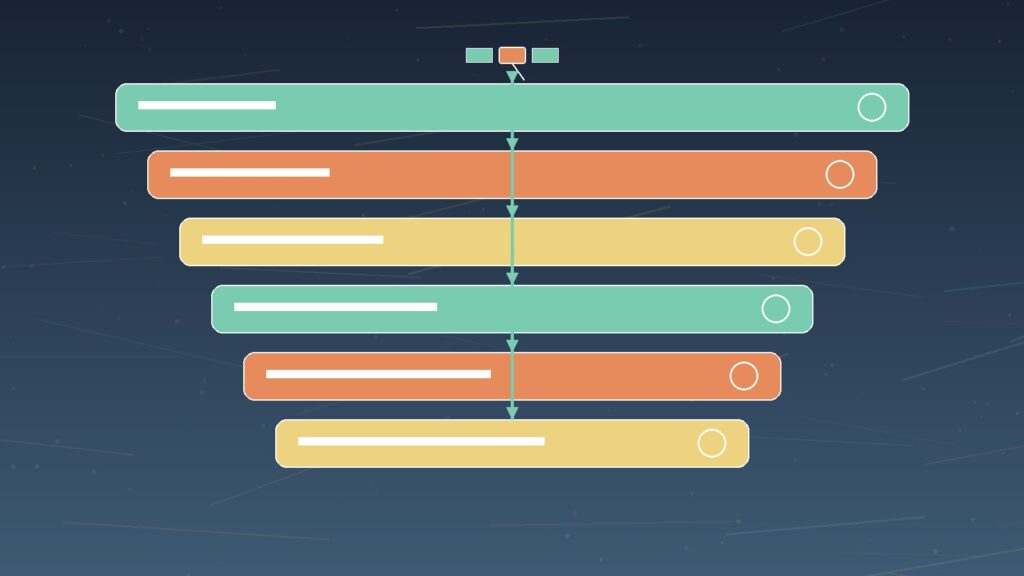
A practical Satellite-as-a-Service architecture has seven layers.
| Layer | Purpose | Owner |
|---|---|---|
| Primary WAN | Fibre, FTTC, leased line, fixed wireless, or other main service. | ISP and IT |
| Satellite WAN | LEO satellite terminal, service plan, mount, power, and monitoring. | SataS provider and IT |
| Edge firewall or SD-WAN | Health checks, automatic failover, VPN, QoS, and segmentation. | IT or managed service provider |
| Network segmentation | Business, guest, IoT, payment, CCTV, and admin networks separated. | IT |
| Cloud and application policy | Defines which systems are allowed during failover. | Business owner and IT |
| Security controls | MFA, logging, DNS filtering, patching, vendor access, and incident process. | Security owner |
| Resilience reporting | Monthly evidence, tests, incidents, cost, and improvement actions. | vCIO or operations lead |
This architecture is especially powerful for SMEs that have several rural sites but no full-time network team. A vCIO can help turn connectivity decisions into a business continuity roadmap. Progressive Robot’s guide to the vCIO advantage explains why that cross-functional technology leadership matters.
The service should also integrate with cyber insurance and incident response. Progressive Robot’s Cyber Insurance Red Flags guide highlights how insurers increasingly care about resilience evidence. A tested SataS failover design can become part of that evidence story, especially where downtime risk is material.
Rural-edge use cases where Satellite-as-a-Service fits
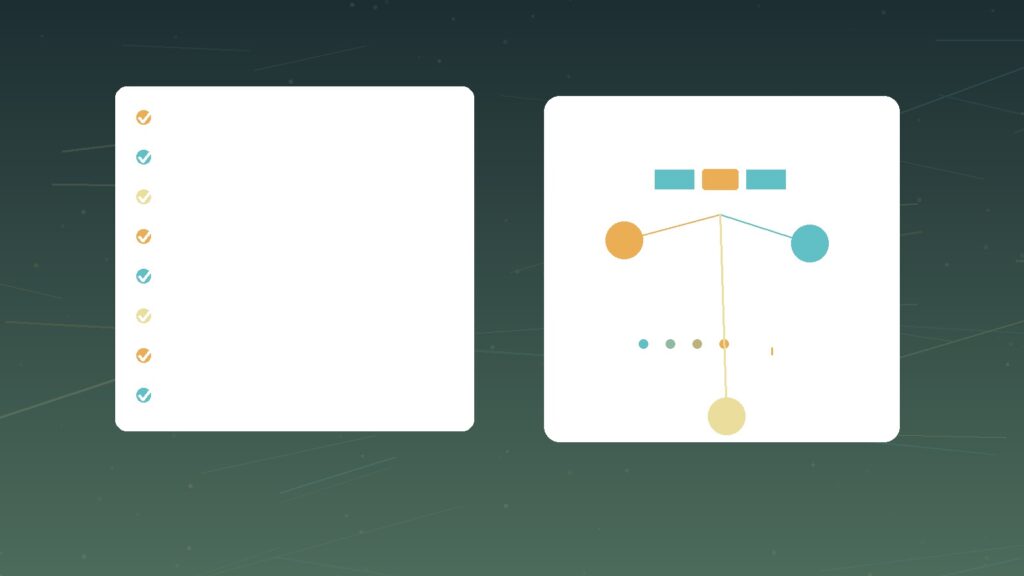
Satellite-as-a-Service is not only for emergency internet. It can support everyday rural-edge operations where connectivity is the difference between manual work and digital operations.
Common use cases include:
| Sector | SataS value |
|---|---|
| Agriculture | Sensor data, remote cameras, machinery support, livestock systems, weather data, and online trading. |
| Hospitality | Bookings, payments, staff systems, guest support, access control, and CCTV. |
| Manufacturing | Cloud ERP, barcode scanning, remote machine support, supplier portals, and production reporting. |
| Construction | Temporary site offices, drawings, safety reporting, time tracking, and video calls. |
| Care | Care records, medication systems, secure messaging, remote consultations, and incident reporting. |
| Logistics | Yard systems, vehicle telematics, proof of delivery, routing, and handheld scanners. |
| Renewable energy | Telemetry, alarms, remote diagnostics, maintenance access, and security cameras. |
| Retail | Point-of-sale, stock lookup, ecommerce sync, digital signage, and staff communications. |
This overlaps with IoT and digital twin adoption. Progressive Robot’s Digital Twins 2027 guide explains how operational data depends on reliable inputs. A rural-edge digital twin is not useful if the site loses connectivity whenever the primary broadband fails.
Satellite-as-a-Service can provide the connectivity floor for that data strategy. It is not the whole transformation, but it can make the transformation dependable.
The procurement checklist
Before signing a SataS contract, ask practical questions:
| Area | Questions to ask |
|---|---|
| Coverage | Is the service available at every target site? Has sky view been checked? |
| Performance | What speeds and latency are expected locally? What workloads were tested? |
| SLA | Does the plan include business support, priority data, or a service level agreement? |
| Hardware | Who owns the kit, spares, mounting, cables, and replacement process? |
| Installation | Who surveys, installs, labels, secures, and documents the setup? |
| Failover | Which device controls failover and failback? What are the health checks? |
| Security | How are admin access, VPN, logging, segmentation, and supplier accounts controlled? |
| Power | Is the satellite path protected by UPS or generator-backed circuits? |
| Monitoring | Who sees alerts, usage, latency, outages, and failed tests? |
| Testing | How often are failover drills run, and who signs them off? |
| Exit | Can the business move provider, change plan, or recover configuration documentation? |
This is where Satellite-as-a-Service differs from a retail broadband purchase. The business is buying continuity, not just speed.
Common mistakes to avoid
Satellite failover projects usually fail for ordinary reasons.
The first mistake is treating satellite as a magic last resort. It still needs power, mounting, routing, security, monitoring, and support.
The second mistake is failing over everything. If guest Wi-Fi, streaming, backups, updates, and CCTV uploads all move onto the satellite link, essential systems may suffer.
The third mistake is not testing. A dashboard showing the satellite link is online does not prove the payment terminal, VoIP system, VPN, and cloud apps work during failover.
The fourth mistake is ignoring supplier risk. The satellite provider, router vendor, installer, managed service provider, and cloud application vendors all form part of the resilience chain.
The fifth mistake is calling it “100% uptime”. That invites false confidence. Satellite-as-a-Service should be sold and governed as 100% failover coverage for agreed sites and workflows, backed by realistic tests.
Satellite-as-a-Service FAQ
Is Satellite-as-a-Service the same as buying Starlink?
No. Starlink can be the connectivity layer, but Satellite-as-a-Service includes design, installation, failover routing, monitoring, security, power planning, support, testing, and reporting. The service outcome is continuity, not only internet access.
Can Satellite-as-a-Service provide 100% uptime?
No provider can honestly promise that no outage will ever happen. The better target is 100% failover coverage: every critical site has an independent backup path, critical workflows are prioritised, and failover is tested.
Is Starlink good enough for business failover?
For many rural-edge workflows, yes, if it is designed correctly. Starlink Business describes high-speed, low-latency connectivity, priority plans, support, and fixed-site resilience. Fit still depends on local coverage, sky view, power, application needs, security, and testing.
Should satellite replace fibre?
Usually no. Fibre remains the preferred primary connection where it is available, affordable, and reliable. Satellite-as-a-Service is often strongest as an independent backup path, temporary primary path, or remote-site option where terrestrial choices are weak.
What applications should be allowed during failover?
Prioritise payments, VoIP, alarms, care records, remote access, operational telemetry, staff messaging, and essential cloud systems. Limit or block guest Wi-Fi, streaming, bulk uploads, cloud backups, and software updates during failover.
Does satellite backup improve cyber resilience?
It can improve availability resilience, but only if it is secured properly. Segment networks, use MFA, control supplier access, monitor logs, patch equipment, and document emergency changes. A backup link should not bypass normal security controls.
How often should failover be tested?
At least quarterly for critical sites, after configuration changes, after provider changes, and before seasonal peaks. High-risk sites may need monthly checks. Tests should include real applications, not only speed tests.
The bottom line
Satellite-as-a-Service is not about replacing every rural broadband project with a dish. It is about giving rural-edge businesses a credible independent path when the terrestrial network fails or has not yet reached the site.
Starlink and other low-earth-orbit technologies have made satellite broadband fast enough and responsive enough for many business continuity scenarios. GOV.UK now explicitly recognises satellite technology as a way to connect remote or very hard to reach areas and enhance resilience as a backup connection.
The winning design is not simply “buy Starlink.” It is: map critical workflows, install the terminal properly, automate failover, segment traffic, protect power, secure the path, test under realistic load, monitor performance, and keep improving.
For rural-edge UK businesses, Satellite-as-a-Service can turn connectivity from a fragile local dependency into a managed resilience layer. That is the real promise of SataS: not mythical zero downtime, but practical continuity when the main line goes dark.










