
The fitness industry has gone digital. With increasing health awareness and the rise of remote wellness solutions, fitness apps have become a multi-billion-dollar industry. From workout tracking to virtual coaching and nutrition planning, the mobile fitness revolution is here to stay.
But how to build a fitness app successfully in such a competitive market? What features should you include? Which tech stack works best? How do you monetize and scale?
This complete guide walks you through every step of the process — from ideation to launch — helping you understand how to build a fitness app successfully and make it stand out in a crowded marketplace.
Step 1: Understand the Fitness App Market
Before you dive into development, you need to grasp the current landscape.
Market Overview:
Valuation: The global fitness app market is expected to reach $30+ billion by 2026
Users: Over 800 million users worldwide
Top Players: MyFitnessPal, Fitbit, Nike Training Club, Strava, Centr, Peloton
Post-COVID Impact: Increased demand for home workouts and virtual training
Popular App Categories:
Workout/Training Apps (Nike Training Club, Fitbod)
Activity Tracking Apps (Strava, Google Fit)
Nutrition & Diet Apps (MyFitnessPal, Lifesum)
Meditation/Mindfulness (Headspace, Calm)
Comprehensive Fitness Ecosystems (Fitbit, Apple Fitness+)
Understanding your target segment is critical if you’re figuring out how to build a fitness app successfully.
Step 2: Choose the Right Fitness App Type
Selecting a niche helps define your target audience, core features, and monetization strategies.
Popular Fitness App Models:
Personal Trainer Apps
Virtual coaching sessions, video demos
AI-generated or coach-led routines
Good for fitness influencers and gym chains
Workout Logging Apps
Custom and prebuilt workouts
Progress tracking and analytics
Ideal for gyms, athletes, or bodybuilders
Activity Tracking Apps
Track steps, calories, heart rate, distance
Syncs with wearables (Apple Watch, Fitbit, Garmin)
Perfect for running, cycling, or walking
Nutrition & Diet Apps
Calorie counting, meal plans, macro tracking
Recipe suggestions
Good for wellness coaches, nutritionists
Social Fitness Apps
Community features, leaderboards, group challenges
Encourages motivation via gamification
Defining your app type early is key to building a fitness app successfully.
Step 3: Core Features for a Successful Fitness App

Here are must-have features to build a powerful, engaging, and user-centric fitness app:
1. User Registration and Profiles
Email, social, or biometric sign-up
Personal fitness goals, age, weight, gender
Custom preferences for workouts or diets
2. Onboarding and Goal Setting
Guided onboarding quiz
Personalised goals (weight loss, muscle gain, endurance)
3. Workout and Exercise Library
Video demos, written instructions
Filters by difficulty, duration, equipment
Ability to schedule or favourite workouts
4. Activity Tracking
Real-time step count, heart rate, calories
Integration with Apple Health, Google Fit, Fitbit, etc.
5. Progress Dashboard
Weekly/monthly performance summaries
Charts and visualizations
6. Push Notifications & Reminders
Workout reminders, hydration prompts, rest day alerts
7. Social & Gamification Features
Challenges, badges, rewards
Share achievements on social media
8. Nutrition Planner (Optional)
Meal logging, calorie goals, macro breakdown
Barcode scanning for food items
9. Video Streaming or Live Coaching (Advanced)
Live fitness classes or on-demand sessions
In-app purchases for premium access
10. In-App Payments
Subscriptions, pay-per-class, digital goods
Integration with Stripe, Apple Pay, Google Pay
When thinking about how to build a fitness app successfully, balancing features and usability is key.
Step 4: Choose the Right Tech Stack
Frontend (Mobile)
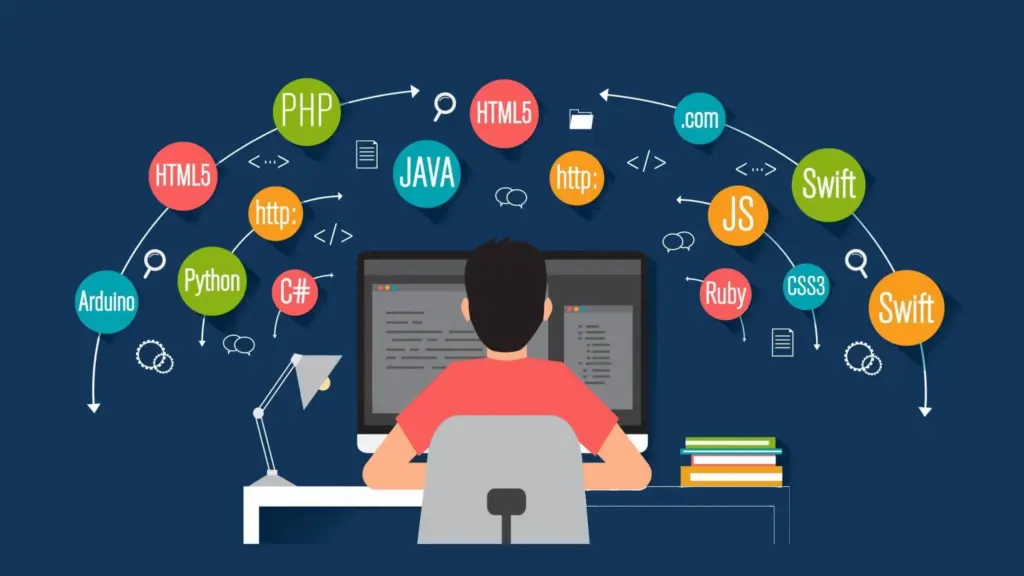
iOS: Swift
Android: Kotlin
Cross-platform: Flutter or React Native (ideal for MVPs)
Backend
Languages: Node.js, Python (Django), Ruby on Rails
Databases: PostgreSQL, MongoDB, Firebase
Cloud Hosting: AWS, Google Cloud, Azure
APIs and Integrations
Health Tracking: Google Fit, Apple HealthKit
Wearables: Fitbit, Garmin, Withings APIs
Payments: Stripe, PayPal, Razorpay
Messaging: Firebase Cloud Messaging, Twilio
Picking the right stack ensures performance, scalability, and security — critical for fitness app success.
Step 5: Design a User-Centric UI/UX

Design Principles:
Clear, minimal interfaces
Motivational color schemes (e.g., orange, green, blue)
Easy-to-navigate tabs (Home, Workouts, Progress, Profile)
Responsive animations for feedback (e.g., confetti after finishing a workout)
Wireframes and Prototypes:
Tools: Figma, Adobe XD, Sketch
Test with real users for early feedback
A seamless UI/UX is non-negotiable when planning how to build a fitness app successfully.
Step 6: Develop an MVP First

Launching a Minimum Viable Product (MVP) helps validate the idea before committing full resources.
MVP Checklist:
Basic user registration
Onboarding
Workout/video catalogue
Activity tracking
Progress dashboard
Push notifications
Basic payments
Why MVP First?
Faster time to market
Budget efficiency
Real user feedback for product iterations
This lean approach is crucial if you’re figuring out how to build a fitness app successfully and efficiently.
Step 7: Test and Iterate

Testing Strategies:
Unit Testing: Each module (workout tracking, login, etc.)
Integration Testing: Third-party APIs, wearables, payment gateways
Beta Testing: Release to a closed group before full launch
Tools:
TestFlight (iOS)
Firebase Test Lab
Appium, Selenium for automation
Regular testing improves retention and builds trust — essential for app success.
Step 8: Monetization Strategies

Here’s how successful fitness apps make money:
1. Freemium Model
Free core features
Premium access for advanced workouts, diets, or coaches
2. Subscriptions
Monthly or yearly memberships
Auto-renewing plans
3. One-Time Purchases
Downloadable workout packs
Nutrition guides
4. Ads (if Free Model)
Banner ads, video ads
Carefully implemented to avoid hurting UX
5. Affiliate Marketing
Partner with fitness brands for equipment, apparel, or supplements
Effective monetization is essential for building a fitness app successfully and sustainably.
Step 9: Launch and Promote Your App

Pre-Launch Checklist:
ASO (App Store Optimisation)
Beta feedback implementation
Landing page with early signups
Promotion Channels:
Influencer marketing (fitness coaches, YouTubers)
Fitness forums (Reddit, Bodybuilding.com)
Instagram and TikTok campaigns
Paid ads (Google Ads, Meta Ads)
Retention Tactics:
Daily motivational quotes or stats
Weekly workout streaks
Push notifications with personalisation
You can build the best app in the world, but without the right marketing, it won’t succeed.
Step 10: Maintain, Improve, and Scale

After the initial launch, focus on continuous improvement:
Track Metrics:
Daily Active Users (DAU)
Retention rate (Day 1, 7, 30)
Average session duration
Churn rate
Collect Feedback:
In-app surveys
App Store reviews
Support tickets
Update Regularly:
Add new workouts and plans
Fix bugs promptly
Introduce community and gamification features over time
Common Mistakes to Avoid
Overloading Features: Stick to core needs first
Ignoring User Feedback: Iteration is essential
Poor Performance: Lag kills retention
Weak Security: User health data must be protected
Lack of Differentiation: Find your USP — be it coaching, gamification, or niche focus
Conclusion: How to Build a Fitness App Successfully

The question of how to build a fitness app successfully is not just about writing code — it’s about solving real problems for users, building an engaging and reliable experience, and growing a community around health and wellness.
By following this step-by-step guide:
Identifying the right niche,
Prioritising essential features,
Choosing the right tech stack,
Testing rigorously, and
Marketing strategically
You’ll be well on your way to launching a fitness app that not only works — but thrives.
Whether you’re an entrepreneur, developer, or fitness professional, now is the perfect time to tap into the mobile fitness boom and help users achieve their health goals from anywhere in the world.










