
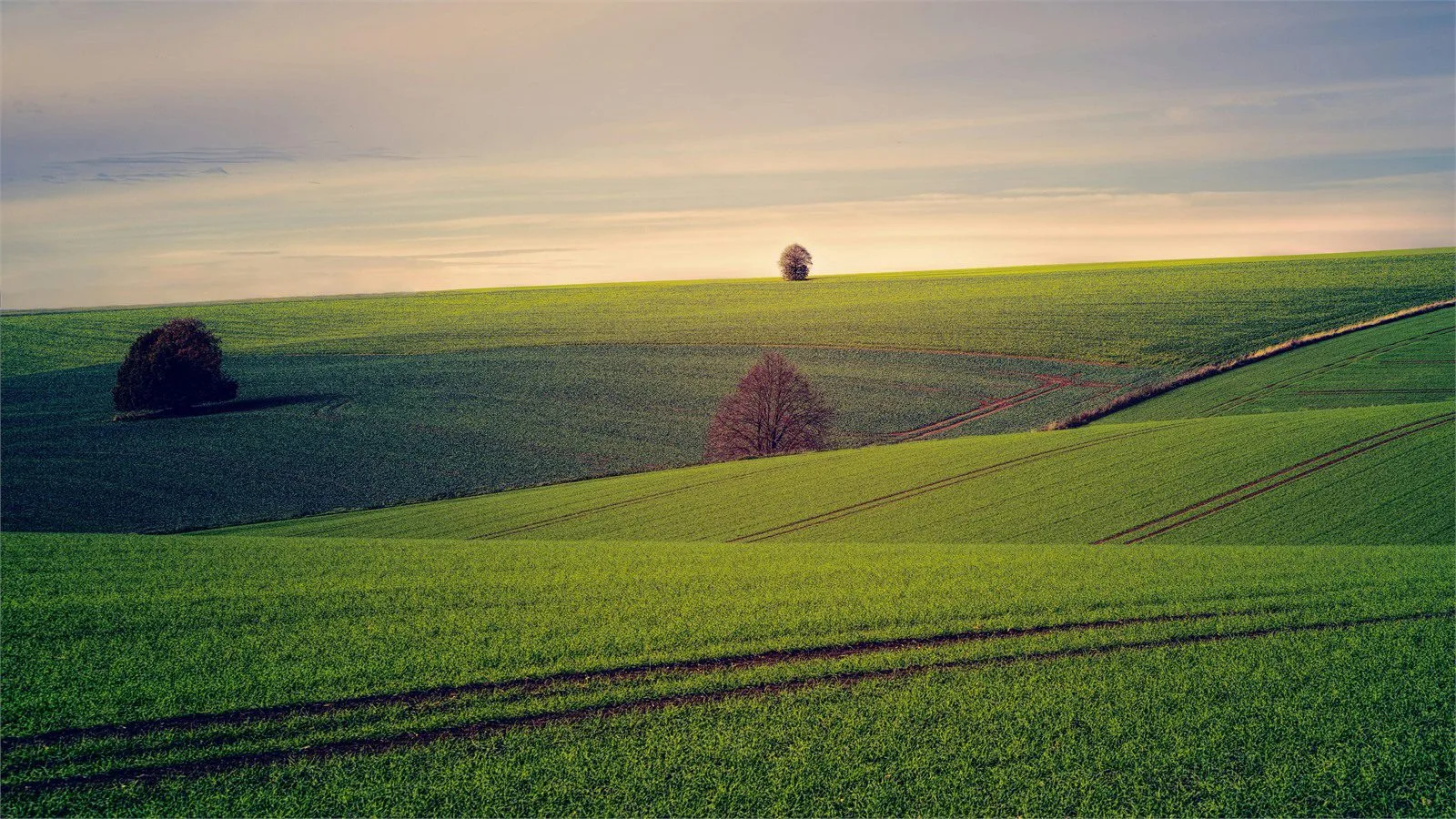
Graswald AI is one of the more grounded creative AI stories worth covering this year because it targets a real bottleneck in 3D production, not a flashy demo. The pitch is straightforward to describe and hard to deliver: build realistic vegetation, ground cover, and nature environments that look believable in Blender, games, and visual effects without weeks of manual scattering.
That is why Graswald AI stands out. Standard scattering plugins can drop grass, rocks, and trees onto a surface, but they do not always understand what a scene needs to feel natural. The promise here is closer to assisted environment design than another asset library on top of a busy timeline.
The conversation around Graswald AI also matters because vegetation is one of the most repetitive parts of CG work. If it can shorten the path from empty terrain to a believable outdoor shot, it could change how small studios approach exterior scenes. This article walks through what it appears to do, where it could save real time, and what production teams should watch closely before rebuilding their pipeline around it.
| Aspect | What it points to |
|---|---|
| What it is | An AI-driven 3D vegetation and nature asset platform that pairs with Blender |
| Core idea | Generate and scatter realistic plants, grass, and ground cover with less manual setup |
| Who it targets | Archviz artists, environment artists, indie game teams, and VFX studios |
| Why it matters | Vegetation work is repetitive and expensive, and good defaults save real hours |
| Key risk | Asset look-alike across projects if defaults are not customised |
Table of Contents
- At a glance
- How it generates 3D vegetation
- Why AI nature assets matter
- Where it saves the most time
- How it compares with scattering tools
- Limits, risks, and licensing
- Who should pay attention
- FAQ
Graswald AI at a glance
Graswald AI sits at the intersection of 3D asset libraries, procedural scattering, and AI-assisted scene building. It is not a casual consumer app. It is being discussed as a production-grade companion for artists who already work in Blender and need vegetation that holds up under close inspection.
The core appeal is simple. Real outdoor scenes are full of small plants, weeds, ground debris, and varied grass that artists rarely have time to model individually. Graswald AI leans on a curated library of nature assets and intelligent scattering so the artist can focus on layout and storytelling instead of placing every blade by hand.
There is also a free-access angle. Graswald AI previously made a large library of plant species available without cost, which lowered the barrier for hobbyists and small studios. That history matters because it sets expectations: it is meant to land inside real workflows, not just show off a render.
That is why this technology deserves attention beyond a headline. It points to a category where AI quietly removes friction from high-cost work instead of generating flashy synthetic content with no production purpose.
How Graswald AI generates 3D vegetation and nature scenes
The most useful framing is not “AI grass.” It is assisted environment design. The platform helps build outdoor scenes by combining a high-quality plant library, scattering controls, and smart defaults so a terrain can be populated quickly without losing realism.
That sounds abstract until you think about what artists usually do by hand. They tweak grass density. They mix species. They balance shorter ground cover with taller weeds. They drop rocks, debris, and small plants near rocks and tree bases. They vary scale and rotation so nothing looks tiled. Graswald AI aims to compress that repetitive labour.
There is also a Blender-first angle. The Gscatter add-on integrates directly with the editor, which means users do not have to bounce between tools. The browse, download, and scatter loop is meant to feel native, not bolted on.
If those signals hold up under heavier production loads, the practical value is significant. Instead of starting each shot from a blank surface and manually distributing surrounding behaviour, the artist may start from a much more believable baseline.
That is the central technical promise behind Graswald AI, and it is why environment artists will care more about predictability and variation than about the novelty of any one asset.
Why AI nature assets matter for archviz, games, and VFX
Graswald AI matters because outdoor scenes are full of work that is small in isolation and expensive in aggregate. Productions lose time on cleanup and dressing that nobody wants to celebrate but everybody pays for. A bare terrain, a thin grass line, an empty foreground, or unconvincing ground cover can break otherwise strong shots.
Architectural visualization is one of the clearest use cases. Clients judge proposals partly by how alive the surroundings feel, and dry empty terrain undermines confidence even when the building itself looks great. A library of scatterable assets that feels lived-in supports that perception without expanding the budget.
Game environment artists face a different version of the same pressure. They need huge worlds that hold up across many camera angles and many distances. Hand-placed vegetation does not scale, but generic-looking scatter ruins atmosphere. The middle ground is exactly where assisted scattering is supposed to help.
Visual effects teams also benefit. Many VFX shots rely on natural-looking surroundings to sell a digital element placed inside a real plate. Believable ground cover and matching mid-ground vegetation often determine whether a composite reads as real.
That is why Graswald AI matters. The product is easier to justify than a novelty feature because it targets labour that already exists, budgets that already exist, and bottlenecks that already hurt.
Where Graswald AI saves the most production time
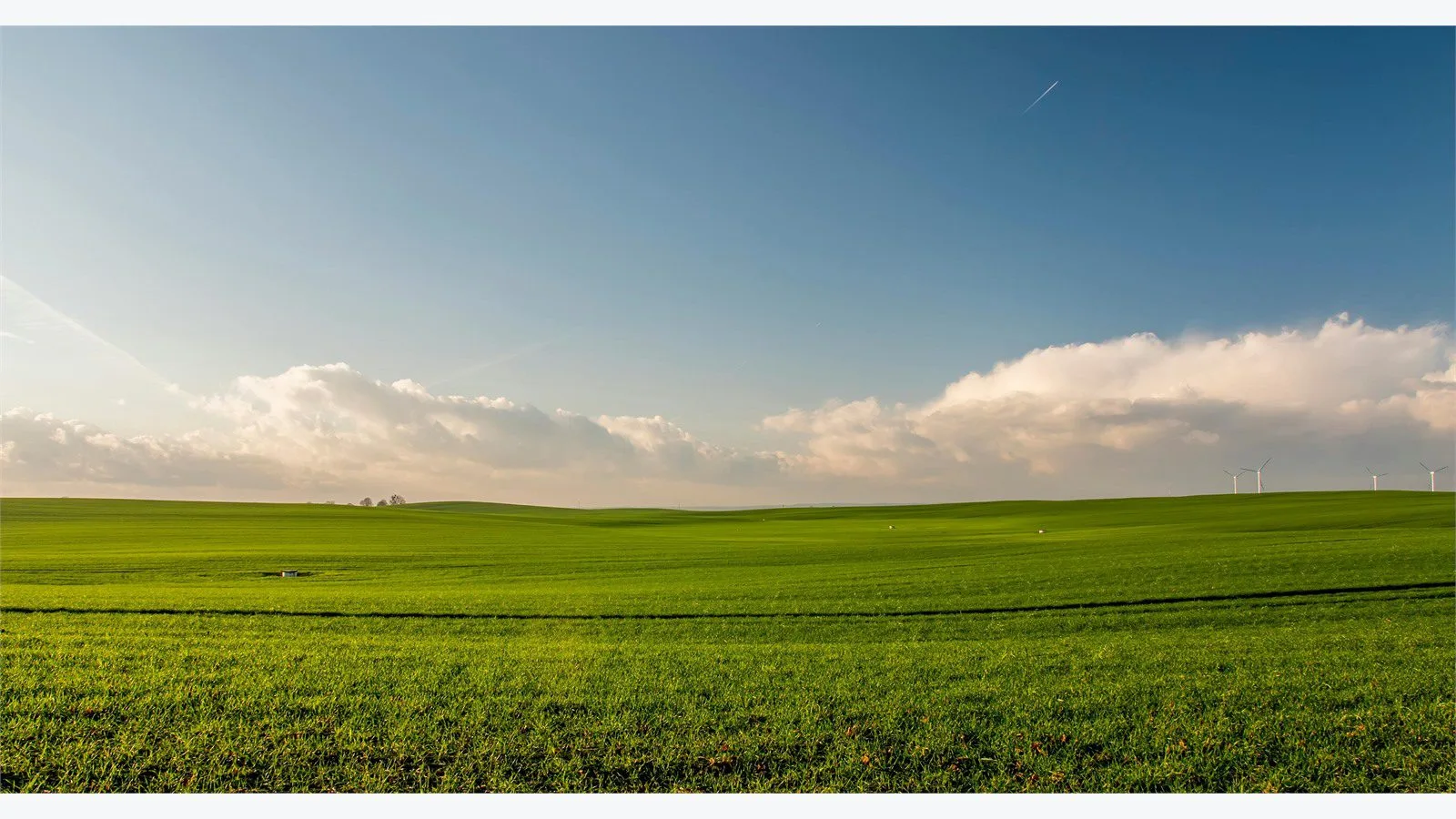
The first obvious win for Graswald AI is ground cover. Filling large outdoor surfaces with a mix of grass, weeds, and small debris is one of the slowest manual jobs in environment work. If it can produce convincing ground cover with smart defaults, it could compress hours of dressing work into minutes.
A second area is variation. Real nature is messy. The same plant rarely appears the same way twice. Manual scattering tends to look uniform if the artist does not invest extra time. Built-in randomness for scale, rotation, and species mix can deliver more natural variation without manual tweaks.
A third area is iteration. Director feedback often asks for “a little more on the left” or “less in the foreground.” Doing that by hand is painful. Doing it through scatter parameters is easy. The platform fits that revision rhythm because the artist edits rules, not individual instances.
A fourth area is asset reuse across shots. Once the team finds a look that works, the same scatter recipe can be reused in similar shots so the project keeps a consistent visual signature. That consistency reduces continuity issues later in the pipeline.
That is where the time savings become real. Graswald AI does not need to replace artists to matter. It only needs to reduce the number of tedious dressing hours attached to otherwise straightforward shots.
How Graswald AI compares with traditional scattering tools
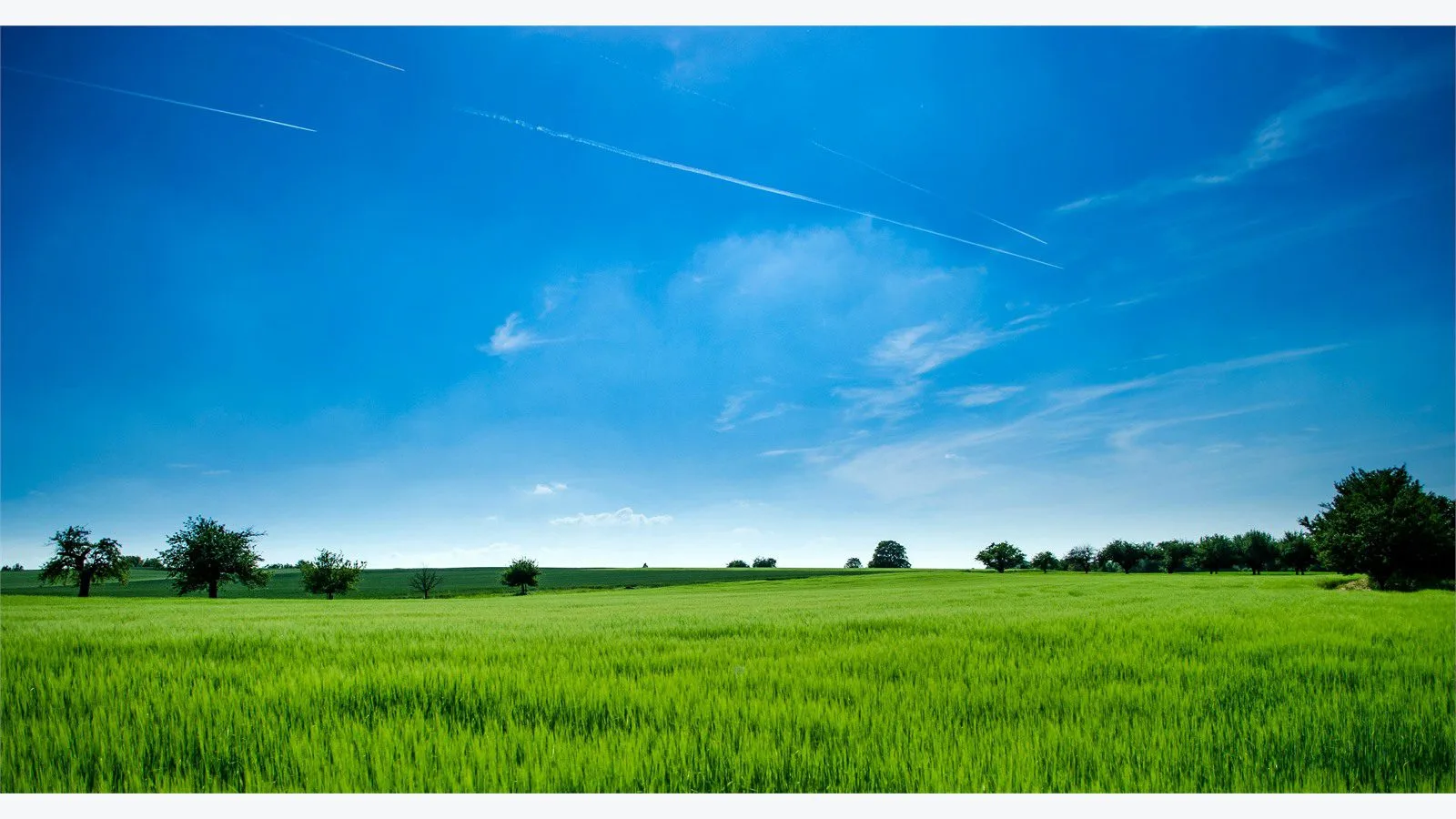
Traditional scattering plugins already do impressive work, but they usually depend on careful tuning, masking, and a strong asset pack. The limitation is not that current tools are weak. The limitation is that they often expect the artist to bring the asset library, the variation logic, and the artistic taste.
The newer approach is interesting because it bundles all three. There is a curated nature library, a smart scattering layer, and defaults that already look reasonable on a fresh terrain. That changes the starting point. The artist begins closer to a believable shot rather than to a flat plane.
That said, more automation does not remove the artist from the loop. Strong outdoor shots still depend on framing, lighting, and the editor’s judgment about what to keep and what to remove. The platform should be read as a force multiplier for environment artists, not a replacement.
It is also fairer to compare it on cost of revision than on first-pass output. A tool that produces a slightly weaker initial render but accepts revisions cleanly will often beat a tool that produces a beautiful first pass and then resists every change.
This is also why Graswald AI deserves a sober reading. The benchmark is not magic. The benchmark is whether it reduces painful manual work while keeping enough control in the hands of experienced artists.
Limits, risks, and licensing considerations
Every shared asset platform raises the same question: how do you keep your shots from looking like everyone else’s shots. If many studios pull from the same library and use the same defaults, projects can start to feel visually similar even when they are technically different.
That is the first reason teams should treat the library as a starting point, not a final look. Custom material tweaks, lighting variations, and selective replacement of hero assets matter just as much as the initial scatter pass.
There is also a licensing dimension. Free or pro asset access usually comes with terms about commercial use, redistribution, and bundling inside game builds. Production teams should confirm those terms early so Graswald AI is safe to lean on for paid client work, not just personal experiments.
Performance is another factor. Outdoor scenes with dense vegetation can become heavy fast. Smart defaults help, but artists still need to think about LODs, instancing, and render budgets so a beautiful viewport does not turn into a render that misses deadline.
Used carelessly, the tool could blur the line between fast environment work and generic-looking scenes. Used carefully, Graswald AI could become a powerful production assistant with clear creative boundaries.
Who should pay attention to Graswald AI now
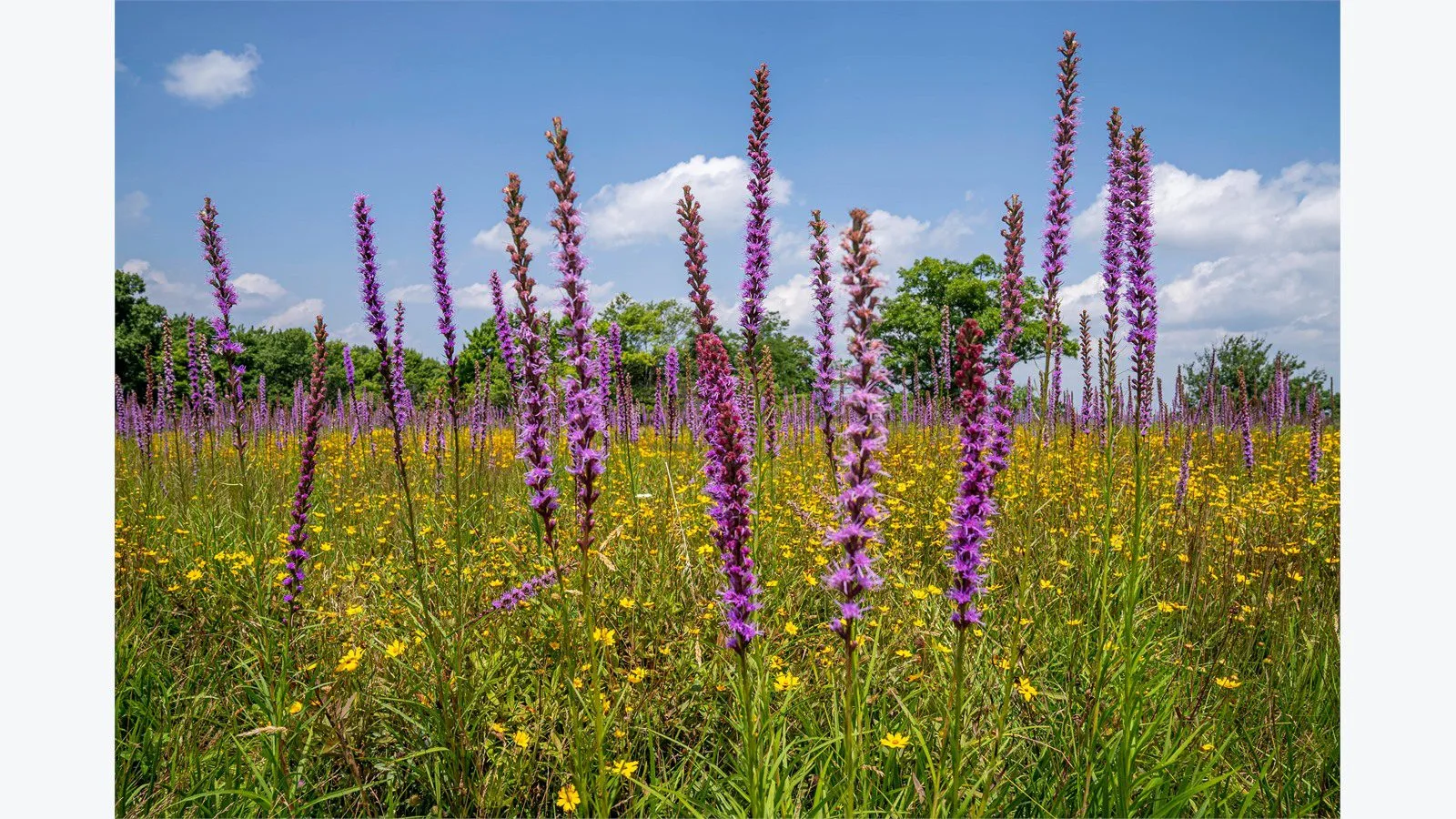
Archviz teams should watch Graswald AI first because outdoor dressing usually decides whether a render reads as a real place. They will care less about hype and more about whether Graswald AI shortens the path from empty site to approved render.
Indie game studios should pay attention because environment art is one of the hardest areas to staff. A shared library plus assisted scattering can let a small team build worlds that previously required a much larger environment department.
VFX vendors and finishing houses should also pay attention. They live with cleanup and dressing requests every week, and a tool that compresses outdoor dressing into a faster turnaround can directly improve margins on tight schedules.
Operations and IT leaders inside creative companies should also notice. Faster scene assembly is exactly the kind of operational improvement that supports broader AI strategy and workflow automation initiatives across the business. For studios that already invest in intelligent automation and business process automation, this is a natural creative-side complement, and our team is happy to discuss the fit during a free consultation.
Graswald AI may not matter to a casual viewer right away, but it could matter quickly to the artists who have to finish, dress, and deliver outdoor scenes under pressure. Reporting on the Graswald AI pivot toward AI-driven nature creation is also visible in industry coverage from CG Channel and CGPress.
Graswald AI FAQ
What is Graswald AI supposed to do?
Graswald AI is described as an AI-assisted way to generate and scatter realistic 3D vegetation, ground cover, and nature assets for Blender, games, and visual effects.
Is it Blender only?
The Blender add-on, sometimes referred to as Gscatter, is the primary integration. Asset exports in formats like FBX or Alembic are also widely discussed for use in other tools.
Is it free?
A large library of plant species was previously made available for free download. Pricing for advanced features and pro access can change, so teams should always check current terms before committing to a project.
Will it replace environment artists?
No realistic reading of Graswald AI supports that. It is best understood as a strong assistant that compresses repetitive scattering and dressing work so artists can focus on framing, lighting, and creative direction.
Where does it fit in a studio workflow?
Graswald AI fits naturally between layout and lighting. Once the camera and basic terrain are blocked in, the tool helps populate the surroundings quickly so the team can move on to look development and final composition.
More AI coverage: explore Progressive Robot's AI Models, Tools & Releases hub — hands-on reviews, setup guides and benchmarks in one place.










