
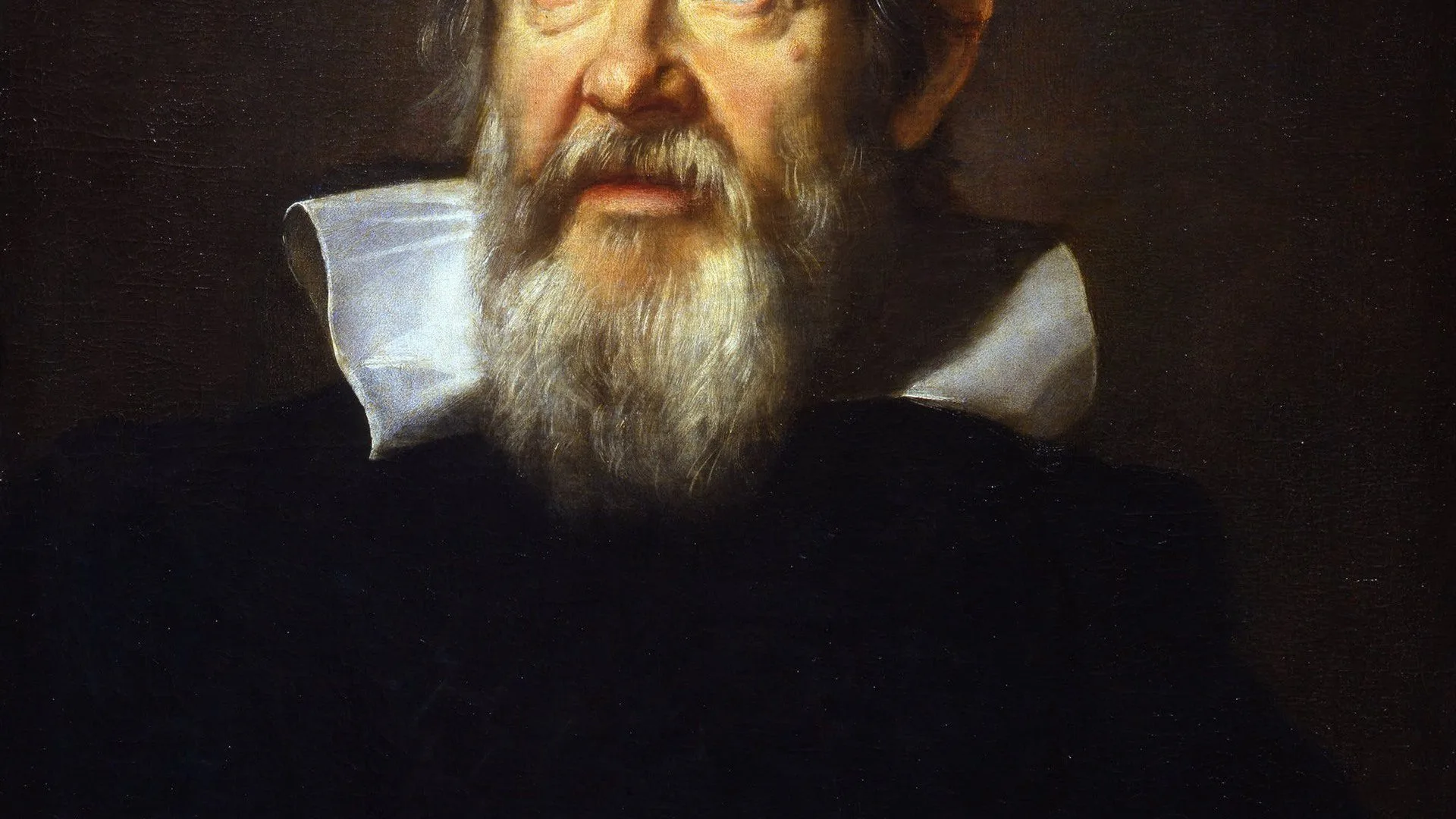
Galileo Galilei was an Italian mathematician, astronomer, and natural philosopher whose work on observation, motion, and mathematical proof helped transform early modern science. He did not invent every tool or idea associated with his name, but he showed how disciplined observation, quantitative reasoning, and intellectual courage could overturn inherited assumptions.
Galileo Galilei still matters well beyond the history classroom. His approach remains relevant to anyone building better systems, from physics laboratories to modern Artificial Intelligence (AI) and Machine Learning (ML) programs. The central lesson is not simply that old beliefs can be wrong. It is that claims become stronger when they are tested, measured, and explained with rigor.
This article draws on sources including the Stanford Encyclopedia of Philosophy, Britannica, the Galileo Project, and the Royal Museums Greenwich overview.
| Topic | Practical answer |
|---|---|
| Who Galileo was | A mathematician, astronomer, and natural philosopher born in Pisa in 1564 |
| What made him important | He used instruments, measurement, and mathematics to challenge accepted views of nature |
| Best known discoveries | Lunar mountains, the four moons of Jupiter, phases of Venus, and major work on motion |
| What he did not do | He did not invent the telescope, and some of his own theories, such as his explanation of tides, were wrong |
| Why he still matters | He helped normalize a method based on evidence, repeatable observation, and quantitative reasoning |
Who was Galileo Galilei?
Galileo was born in Pisa in 1564 and came of age during a period when European scholars were still working within a largely Aristotelian view of nature. He initially studied medicine at the University of Pisa, but he was pulled toward mathematics and natural philosophy instead. That change of direction mattered because Galileo became one of the figures who helped move science away from purely textual authority and toward the disciplined use of observation and calculation.
His career also reflected practical realities, not just lofty ideas. He taught mathematics, designed instruments, tutored students, and sought patronage from powerful families and institutions. Galileo was not an isolated genius working outside society. He was a working intellectual navigating money, politics, reputation, and institutional power while trying to establish new ways of understanding the world.
That combination of intellectual ambition and practical problem-solving is part of why his story still resonates. Modern technical work, whether it involves AI strategy, workflow automation, or scientific R&D, rarely advances through theory alone. It advances when ideas survive contact with measurement, tools, and real-world constraints.
How Galileo changed astronomy
Galileo Galilei changed astronomy most dramatically through how he used the telescope. The instrument already existed in rudimentary form, but Galileo improved its magnification and then used it systematically to look at the sky. That method mattered as much as the device itself. He did not just gaze at the heavens. He recorded what he saw, compared repeated observations, and treated visual evidence as something that could challenge established cosmology.
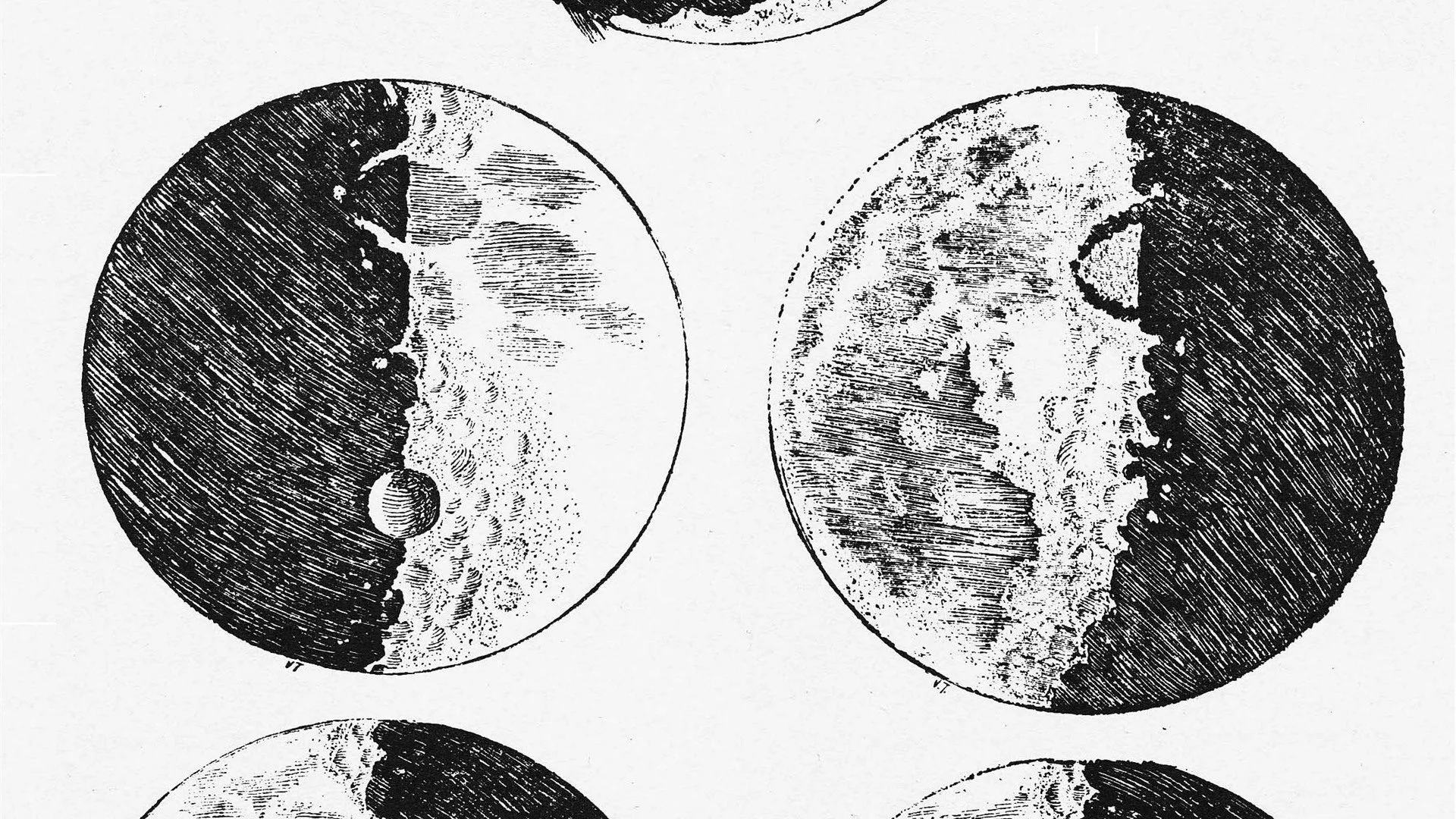
His lunar observations were especially important. Instead of a perfectly smooth and changeless heavenly body, Galileo described the Moon as rough, uneven, and mountainous. That alone weakened the old division between the imperfect Earth and supposedly perfect heavens.
He also observed many more stars than were visible to the naked eye, which expanded the sense of scale and complexity in the universe. He later identified phases of Venus and studied sunspots, adding more evidence that the heavens were dynamic rather than fixed and pristine. Taken together, these observations did not merely add details to existing astronomy. They pushed people toward a different picture of the cosmos.
The Galilean moons and the case for heliocentrism
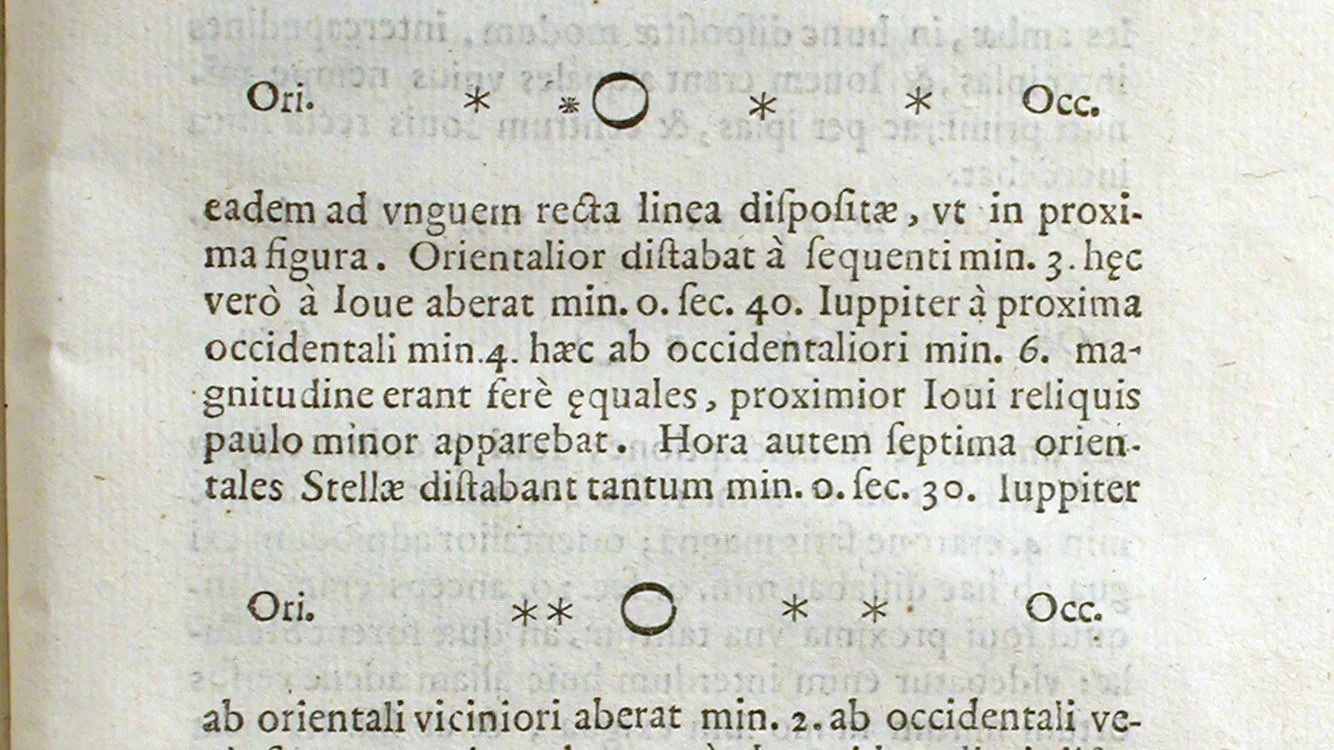
One of Galileo’s most famous achievements was observing four moons orbiting Jupiter: Io, Europa, Ganymede, and Callisto. Today they are called the Galilean moons. At the time, their significance went well beyond astronomy trivia.
Why did these moons matter so much? Because they showed that not everything in the heavens revolved around Earth. If Jupiter had its own orbiting bodies, then the old geocentric worldview looked less secure. Galileo’s observation did not prove the full Copernican system by itself, but it made the idea of multiple centers of motion far more plausible.
This is a useful reminder about how major intellectual change often happens. One decisive observation may not settle every question, but it can make an old framework harder to defend. In that sense, Galileo’s discovery worked the way a powerful modern experiment works in engineering or data science. It shifts the burden of proof.
Galileo also used the phases of Venus as part of the case against the older Ptolemaic arrangement. Venus behaved in a way that fit much better with a Sun-centered explanation than with the traditional model. Those observations helped make heliocentrism more credible, even if the debate took decades to resolve fully.
Galileo’s discoveries in motion and mathematics
Galileo Galilei’s astronomy often gets the headlines, but his work on motion was equally important. He studied falling bodies, inclined planes, pendulums, and projectiles in ways that helped create the foundations of mathematical physics.
Earlier thinkers often described motion qualitatively. Galileo pushed toward quantitative explanation. He argued that falling bodies accelerate in a regular way and that projectile motion can be described mathematically. He also developed ideas that helped lead toward the modern concept of inertia.
The larger significance lies in method. Galileo treated nature as something that could be described with measurement, proportion, and geometry. He is famous for the claim that the book of nature is written in the language of mathematics, and his career made that phrase more than rhetoric. He worked to show that motion, material behaviour, and even difficult physical questions could be analysed systematically.
That shift continues to matter today. Modern intelligent automation, DevOps, and machine learning systems all depend on the same broad discipline: clear hypotheses, measurable behaviour, repeatable evaluation, and willingness to update beliefs when results contradict assumptions.
The telescope and the Sidereal Messenger
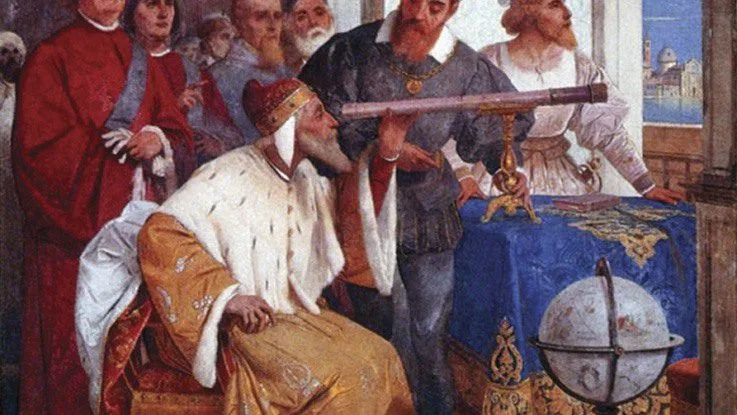
Galileo Galilei did not invent the telescope, but he made it historically transformative. After hearing about the Dutch spyglass, he figured out how the instrument worked, improved its power, and brought it to astronomy with unusual speed and seriousness.
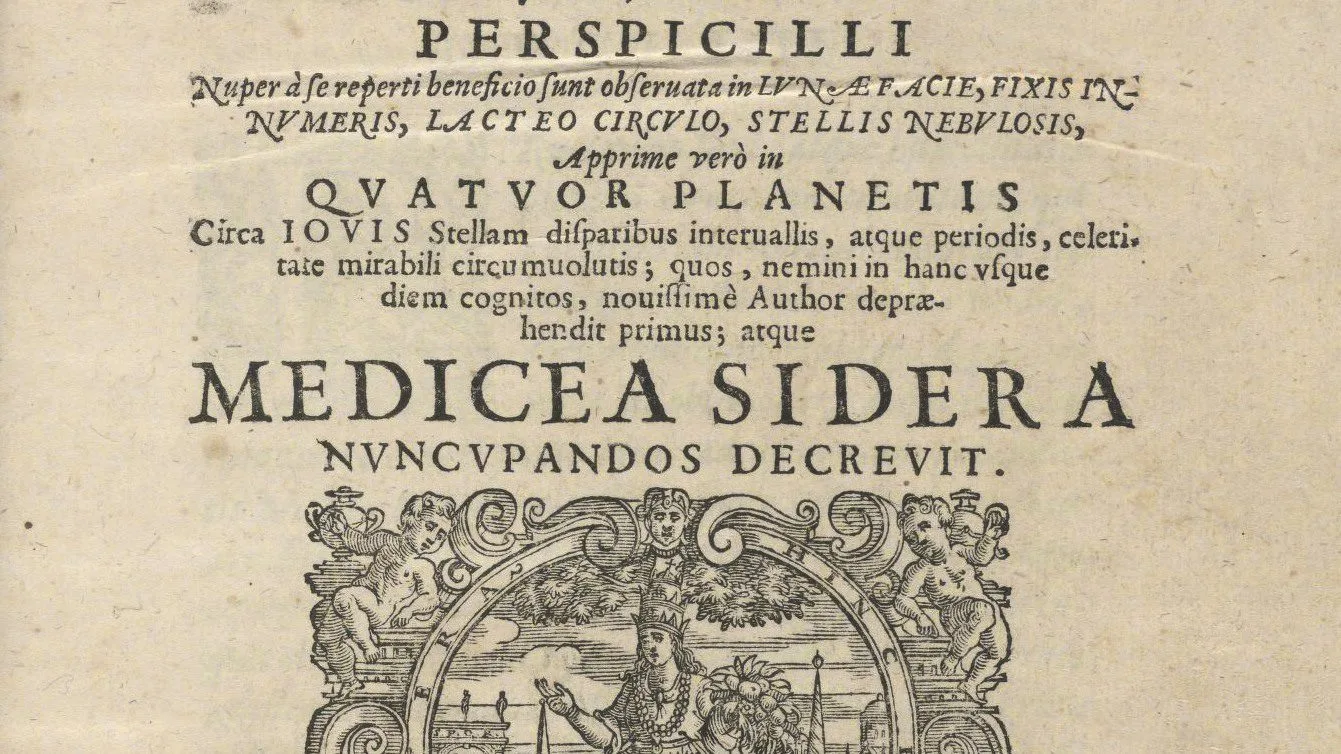
In 1610 he published Sidereus Nuncius, usually translated as The Sidereal Messenger or Starry Messenger. That short book helped turn private observation into public argument. Galileo did not merely announce surprising claims. He presented them in a way that invited readers to understand the observations as evidence.
This publication strategy was crucial. Scientific change does not happen only at the moment of discovery. It also depends on communication, persuasion, and the credibility of methods. Galileo’s engravings and descriptions gave readers something closer to a reproducible case than a bare assertion from authority.
That is one reason Galileo remains central to the history of science. He helped show that instruments could extend human perception and that carefully interpreted observations could become legitimate grounds for changing theory. In modern terms, he treated tools, data, and method as inseparable.
Why Galileo clashed with the Church
Galileo Galilei’s conflict with Church authorities is often simplified into a cartoon version of science versus religion. The real history is more complicated. Politics, theology, institutional authority, and changing ideas about proof all played a role.
Still, the central issue is clear enough. Galileo increasingly defended heliocentrism and argued that inquiry into nature should not be constrained by literal interpretations when evidence pointed elsewhere. That position challenged established authority at a sensitive time.
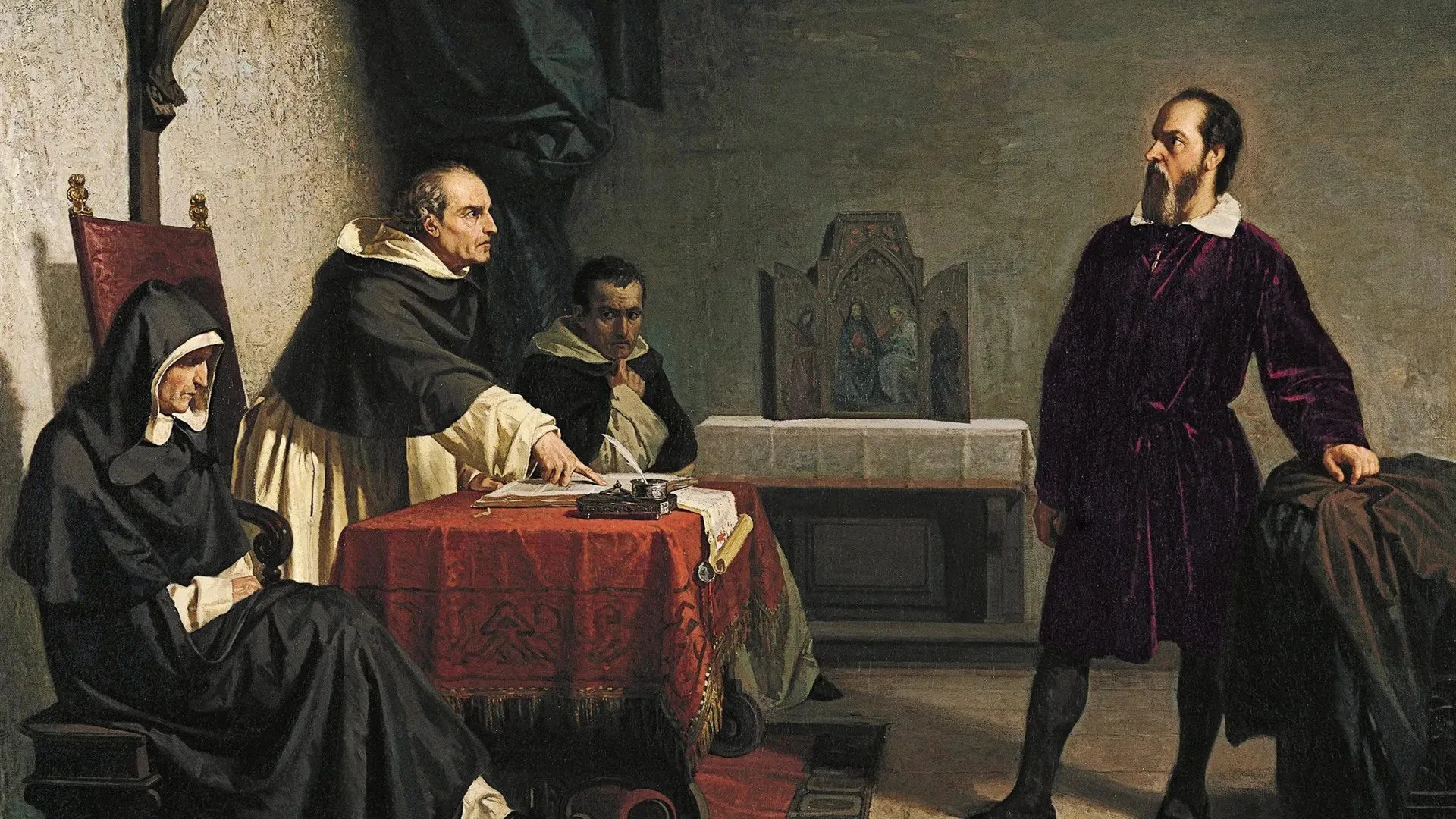
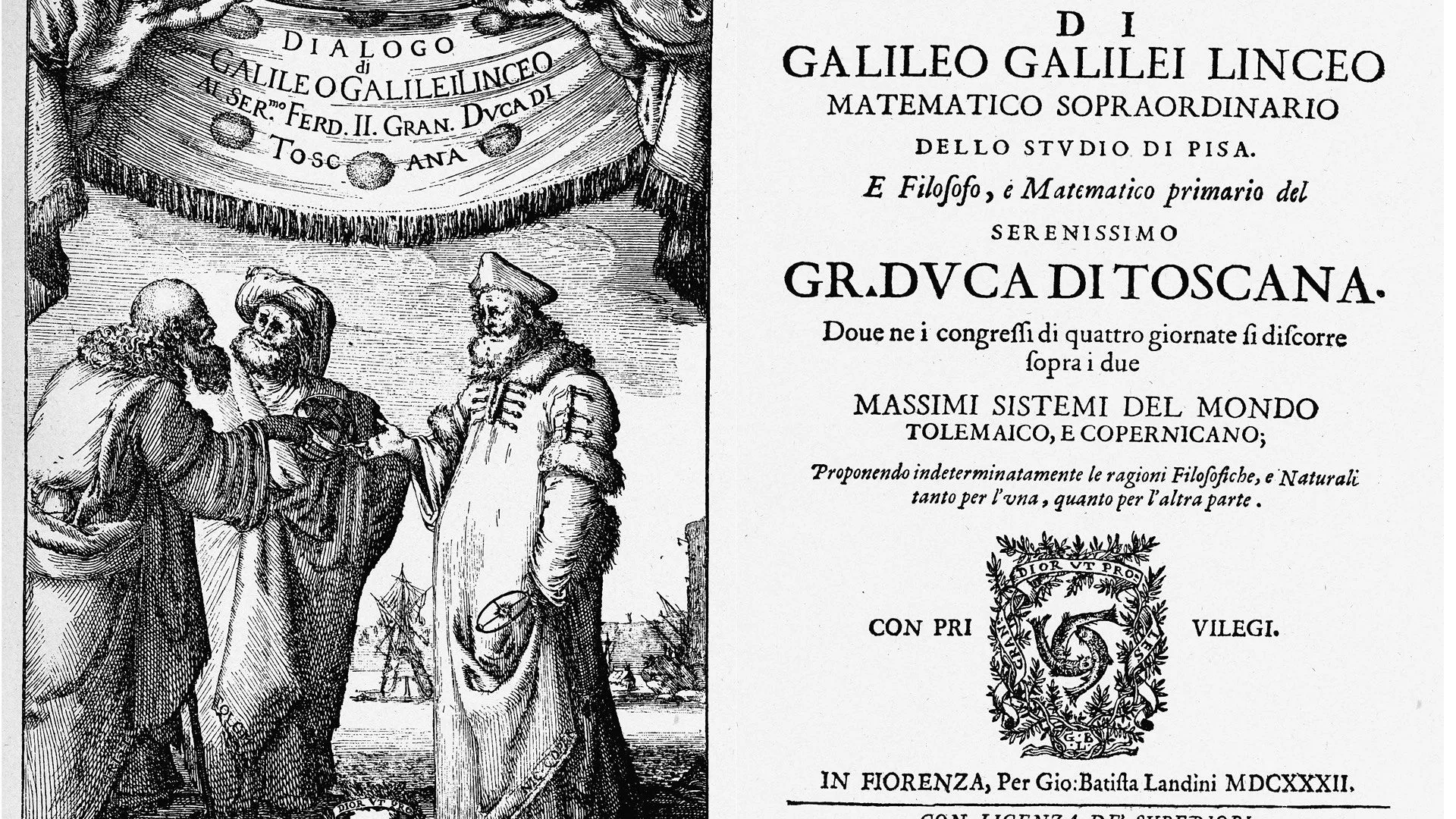
In 1616 he was warned not to teach or defend Copernican doctrine as settled truth. Later, after publishing Dialogue Concerning the Two Chief World Systems in 1632, he was tried by the Inquisition and condemned in 1633. His sentence was commuted to house arrest.
The episode also shows that Galileo was not right about everything. His own theory of the tides was mistaken, and some of his claims were more persuasive than conclusive. But that is not an embarrassment to his legacy. It is part of it. Galileo mattered not because he never erred, but because he helped establish a culture in which arguments had to survive scrutiny.
Galileo’s later life and legacy
After his trial, Galileo Galilei spent the rest of his life under house arrest. Even then, his intellectual work did not end. In 1638 he published Two New Sciences, a major synthesis of his work on mechanics and material behaviour. That book helped carry his influence into later generations of scientists.
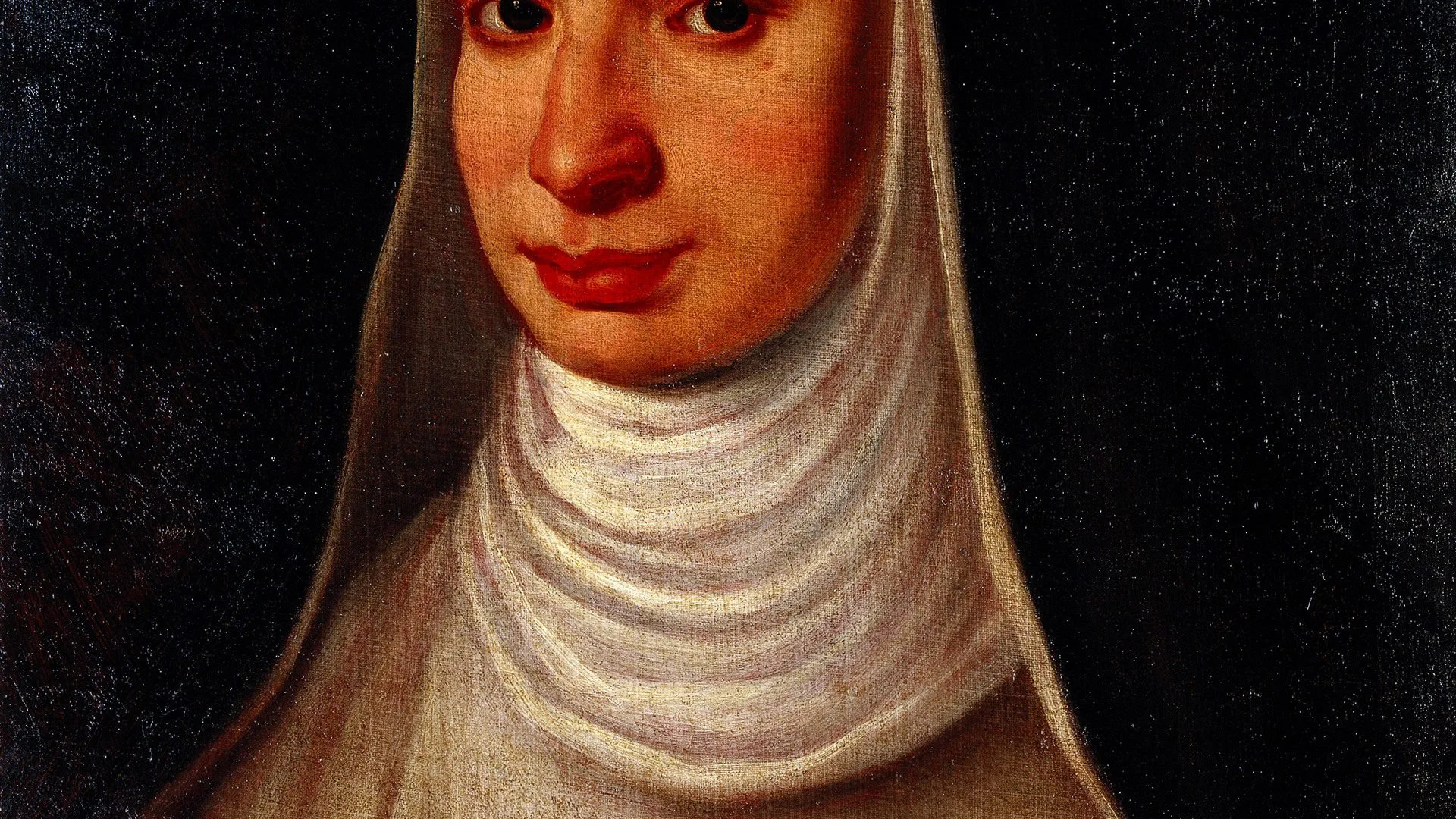
His later life was also marked by personal strain. His daughter Maria Celeste, with whom he had a close relationship, remained an important emotional presence in his life, and her death deeply affected him. This human dimension matters because it cuts against the myth of science as a purely abstract enterprise detached from family, vulnerability, or institutional pressure.
Galileo’s long-term legacy reaches far beyond astronomy. He helped normalize a standard that still defines good technical work: look closely, measure carefully, explain clearly, and let evidence override status or habit. That same discipline sits underneath strong business process automation, thoughtful AI strategy, and reliable workflow automation.
When organisations fail in modern innovation work, the failure is often not a lack of ideas. It is weak testing, poor interpretation, or an unwillingness to revise assumptions. Galileo’s career remains a durable model for how to avoid that trap.
Galileo Galilei FAQ
Who was Galileo Galilei?
Galileo Galilei was an Italian mathematician, astronomer, and natural philosopher whose work on telescopic observation, motion, and mathematical reasoning helped reshape early modern science.
What is Galileo best known for?
He is best known for improving the telescope, observing the Moon’s rough surface, identifying the four moons of Jupiter, studying motion, and defending the Copernican view that Earth moves around the Sun.
Did Galileo invent the telescope?
No. Galileo did not invent the telescope, but he improved it dramatically and used it more systematically than anyone before him to make major astronomical discoveries.
Why did Galileo clash with the Church?
He clashed with Church authorities largely because he publicly defended heliocentrism and argued that scientific investigation should not be governed by fixed literal interpretation when observational evidence pointed in another direction.
Why does Galileo still matter today?
Galileo still matters because he helped normalize a way of working built on observation, mathematics, experimentation, and revising claims when evidence demands it. That mindset remains essential in science, engineering, automation, and AI.
Galileo Galilei still matters because he represents a turning point in how knowledge is earned. Galileo Galilei’s lasting influence is not only in the specific observations he made, but in the discipline he helped strengthen: test ideas against reality, explain them clearly, and accept that authority is weaker than evidence.
If your team wants to apply that same discipline to modern delivery, from AI strategy and intelligent automation to production-grade workflow automation, contact Progressive Robot to build a more evidence-driven operating model.
More AI coverage: explore Progressive Robot's AI Models, Tools & Releases hub — hands-on reviews, setup guides and benchmarks in one place.










