
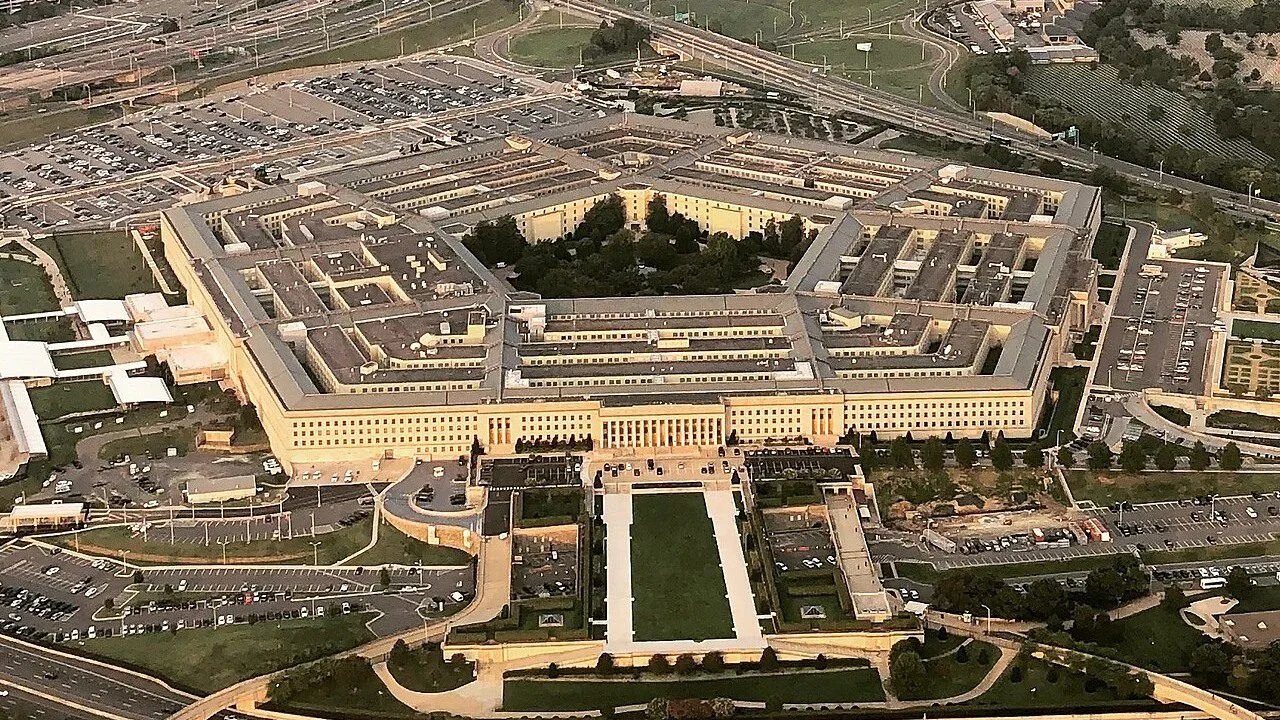
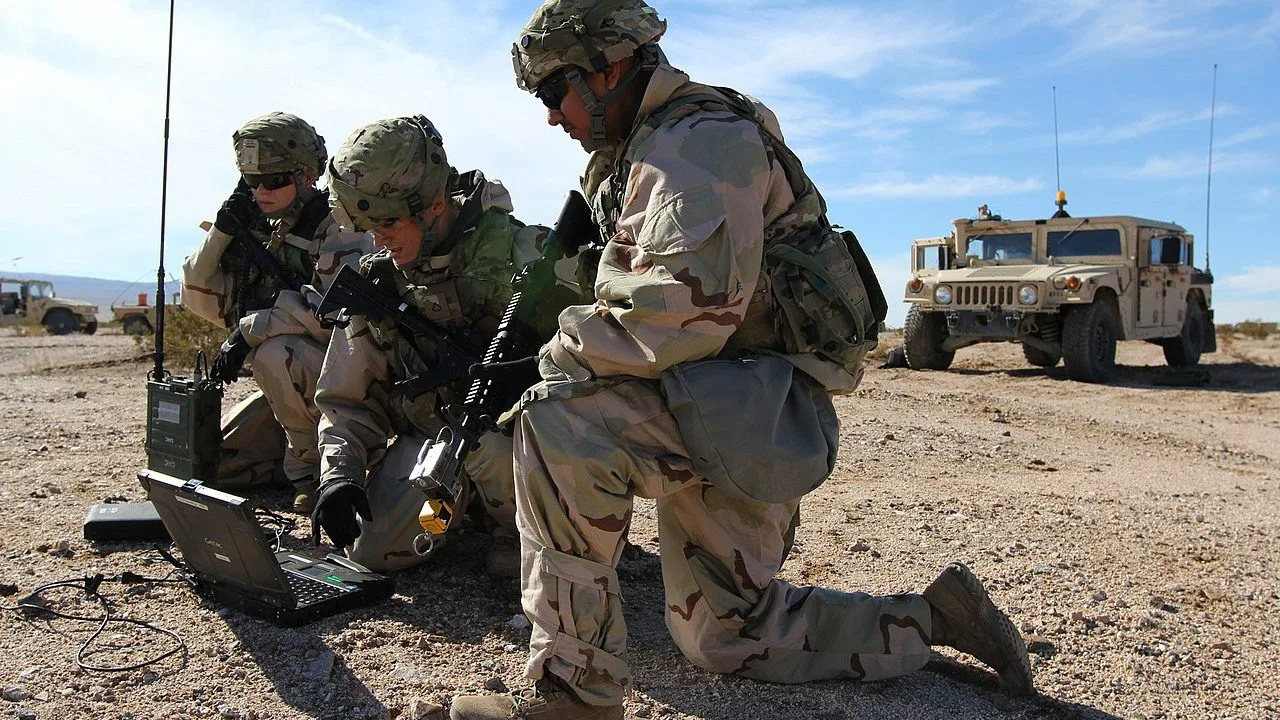
Anthropic Mythos is suddenly part of a far more serious conversation than an ordinary model launch. Reuters reported that NSA spies are reportedly using Anthropic Mythos even as Anthropic’s relationship with the Pentagon appears strained over broader military use of Claude. If that reporting holds, the story is not only about one intelligence workflow. It is about how fast frontier AI can enter sensitive government work before public governance catches up.
That is why Anthropic Mythos matters beyond defence gossip. Public documentation on the system remains thin, but the reporting suggests a real split between intelligence adoption, defence procurement, and vendor control. For teams already working on Artificial Intelligence (AI) and Machine Learning (ML), AI strategy, or intelligent automation, this is the part worth watching closely: powerful models are moving into high-trust institutions before the market has a clean public language for how they are being governed.
This article uses the Reuters report on the NSA angle and related TechCrunch coverage on the Pentagon dispute, including Reuters and TechCrunch. Because public details are still limited, the right approach is disciplined analysis rather than overconfident conclusions.
| Topic | Practical takeaway |
|---|---|
| What happened | Reuters reported that NSA spies are reportedly using Anthropic Mythos despite a separate Pentagon dispute involving Anthropic and military Claude usage |
| Why it matters | Anthropic Mythos appears to be crossing into sensitive government work before the public has a clear view of its controls, scope, or procurement path |
| Biggest surprise | Intelligence adoption may be moving faster than Pentagon alignment, which suggests different parts of government are treating frontier AI very differently |
| What is still unclear | Whether Anthropic Mythos is a distinct model, a deployment profile, or a secure wrapper around broader Anthropic capability |
| Main strategic issue | This is as much a governance story as a model story |
| Main risk | High-consequence AI can become operational before accountability standards are mature |
| Business lesson | Ask harder questions about permissions, auditability, human review, and vendor dependency before sensitive deployment |
At a glance
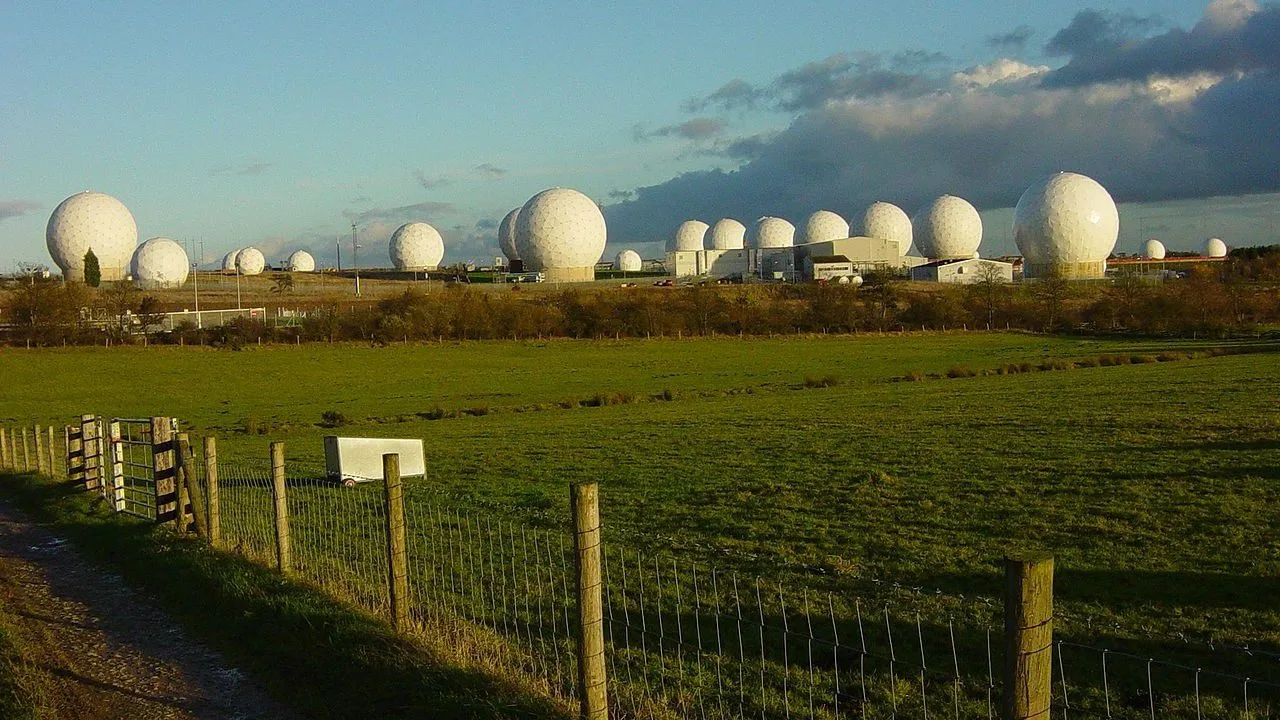
Anthropic Mythos looks important for one reason above all: it appears to sit at the intersection of intelligence use, national-security procurement, and frontier-model governance. If the Reuters reporting is directionally right, then the system is no longer just a private vendor product question. It is part of the operational stack inside one of the most secretive institutions in the U.S. government.
That creates an immediate tension. Intelligence agencies often optimise for speed, access, and analytical leverage. Defence procurement and military policy tend to move through broader review, political oversight, legal constraints, interagency coordination, and public scrutiny. When Anthropic Mythos reportedly shows up inside NSA workflows while the Pentagon is still clashing with Anthropic, the mismatch itself becomes the story.
There is also a second reason the story matters. Anthropic Mythos does not appear to have rich public documentation that explains exactly what it is, how it differs from other Anthropic offerings, or what safeguards are built around it. That means outside observers are being asked to judge a sensitive AI deployment with only partial reporting. For any organisation building workflow automation or high-trust AI systems, that is a familiar warning sign: capability can move ahead of clear governance language.
What the reports actually say
The cleanest way to read the reporting is to separate what appears reported from what remains uncertain.
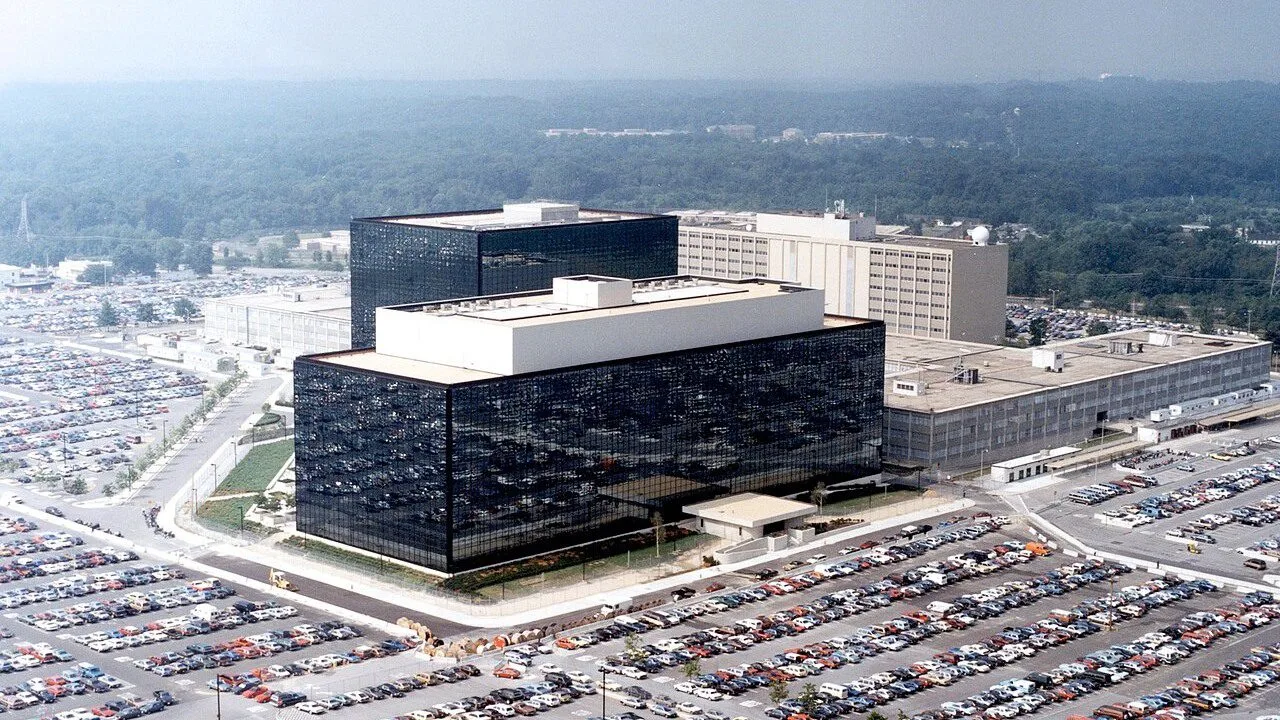
What appears reported is this: Reuters says NSA spies are reportedly using Anthropic Mythos. Related TechCrunch headlines indicate that Anthropic and the Pentagon are reportedly in conflict over broader Claude usage, and that the dispute has become serious enough to trigger scrutiny at senior defence levels. A separate TechCrunch report suggests officials may also be encouraging banks to test Mythos, which would imply that the model is being positioned for other high-consequence environments too.
What remains unclear is almost everything that would normally matter for evaluation. Public reporting does not clearly establish whether Anthropic Mythos is a separate model family, a restricted deployment tier, a classified integration profile, or a brand name for a policy-and-controls package around existing Anthropic systems. It also does not tell us how widely it is being used, what tasks it is approved for, what data boundaries exist, how outputs are reviewed, or whether it is operating in pilot, production, or something in between.
That uncertainty is not a small detail. It is central. A large share of the real risk in government AI comes from deployment architecture, human escalation rules, prompt and retrieval controls, logging, identity management, and the boundary between recommendation and action. Without those details, the public can only assess the story at the level of strategic significance, not operational safety.
So the responsible takeaway is narrow but important: Anthropic Mythos appears serious enough to be discussed in intelligence, defence, and regulated-sector reporting at the same time, while the public explanation of what it actually is remains underdeveloped.

Why the NSA angle matters
The NSA angle matters because intelligence work is one of the clearest real-world tests for whether frontier AI can operate inside environments where error costs are unusually high. In a consumer workflow, a model mistake may waste time or cause embarrassment. In an intelligence workflow, the same kind of mistake can distort analysis, pollute prioritisation, or create false confidence inside sensitive decision chains.
That does not mean an agency like the NSA would use a model casually. More likely, if Anthropic Mythos is in use, it is being applied to bounded tasks where AI can save analyst time without fully replacing analyst judgment. That could include summarization, triage, search assistance, translation support, document threading, or draft analysis. Those are exactly the kinds of tasks where a model can create leverage quickly while still leaving a human in the loop.
But that is also why Anthropic Mythos deserves scrutiny. Bounded use cases have a way of expanding. A system that starts as a drafting assistant can become a prioritisation engine. A tool that begins as internal search can become part of analytic workflow. Once a model saves enough time, organisations tend to increase trust in it before they have fully solved observability and evaluation. That pattern shows up in commercial settings and in government settings alike.
For private organisations building AI strategy or business process automation, the lesson is straightforward. The difficult question is not whether a model can produce useful output. The difficult question is whether the institution around the model is mature enough to contain its errors.

What the Pentagon feud appears to be about
The Pentagon dispute matters because it suggests the debate is larger than one product or one agency. If related reporting is accurate, the disagreement appears to involve broader military use of Claude and Anthropic’s role inside defence workflows. That points to a familiar but important divide: one side wants speed and practical capability, while the other side wants stronger control over where those capabilities are allowed to go and how they are supervised.
There are several plausible pressure points inside that kind of feud. The first is mission scope. A model used for administrative help is one thing; a model used closer to targeting, operational planning, intelligence fusion, or battlefield decision support is something else entirely. The second is deployment environment. A commercially hosted model, a private cloud deployment, and a classified on-premise deployment create very different risk profiles. The third is accountability. When a model influences a military process, decision-makers need to know who approved it, what it saw, what it recommended, and how humans retained final authority.
That is why the Pentagon fight should not be dismissed as ordinary vendor drama. If Anthropic Mythos is already usable enough for intelligence workflows while the Pentagon is still resisting or renegotiating broader military use, then the U.S. government is effectively revealing a fragmented AI posture. Different institutions are answering the same question differently: how much frontier-model capability should be allowed inside national-security operations before governance is fully settled?
Anthropic Mythos therefore sits at an awkward but revealing point in the market. It may be advanced enough to earn trust from some government users, while still controversial enough to trigger resistance from others. That is often the exact moment when a technology becomes strategically important.
Why Anthropic Mythos matters beyond one agency
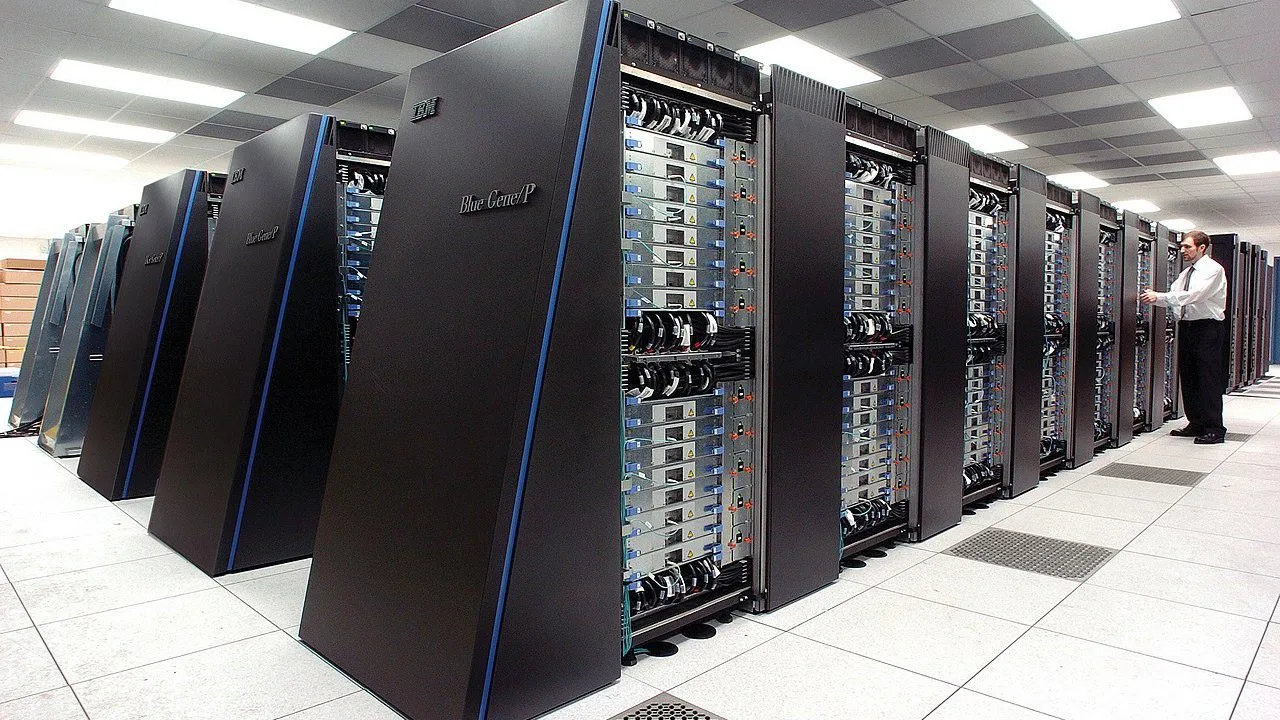
Anthropic Mythos matters beyond one agency because it appears to reflect a wider shift in how frontier AI vendors are being pulled into high-trust, high-regulation environments. If reports about NSA use are correct, and if separate reporting about banking tests is directionally right, then Anthropic Mythos is not just another chatbot story. It is a sign that vendors are being asked to package models for environments where auditability, access control, and institutional trust matter as much as raw benchmark performance.
That changes the conversation. In ordinary enterprise adoption, the biggest questions are usually productivity, cost, and workflow fit. In intelligence, defence, and finance, the bigger questions are permissions, segregation, monitoring, legal exposure, and whether model behaviour can be inspected after the fact. Anthropic Mythos becomes interesting because it appears designed, marketed, or at least perceived as suitable for those harder environments.
This is also where Anthropic Mythos connects to broader operational reality. Companies pursuing workflow automation, intelligent automation, or secure knowledge workflows are facing a smaller-scale version of the same problem. They are not deciding whether AI can draft text. They are deciding whether AI can be trusted inside sensitive approvals, regulated documents, customer records, financial workflows, or internal security operations.
The real strategic question is therefore not whether Anthropic Mythos is powerful. It is whether it represents a new category of model deployment: one aimed at institutions that need serious controls but still want frontier capability. If that turns out to be true, the implications will spread well beyond intelligence.
The governance and security risks
The governance problem starts with opacity. When a model is reportedly used inside classified or highly sensitive institutions, the public will never get full transparency. That is understandable. But the less public visibility there is, the more important internal accountability must become. Without strong internal review, a system can become trusted because it is useful, not because it is sufficiently governed.
That creates at least five practical risks. First, there is over-trust risk: analysts or operators may gradually treat model output as stronger than it really is. Second, there is scope-creep risk: a model approved for support work can drift into more consequential judgment tasks. Third, there is security-boundary risk: sensitive prompts, retrieved material, or generated outputs may flow across controls in ways decision-makers did not intend. Fourth, there is vendor-dependency risk: institutions may become reliant on a provider they cannot easily replace or independently evaluate. Fifth, there is audit risk: when something goes wrong, the organisation may discover that it cannot reconstruct exactly how a model influenced the workflow.
Anthropic Mythos brings those risks into focus because the reported use case is so sensitive. If the model is good enough for intelligence work, then it is good enough to generate pressure for wider deployment elsewhere. That is why leaders should care about evaluation discipline now, not after a failure. The right operating model includes permissions, retrieval boundaries, output review, logging, red-team testing, and clear escalation rules. Without those controls, even a strong model can create weak governance.
If your team is trying to connect high-capability AI to a more durable operating model, from AI strategy and workflow automation to safer business process automation, contact Progressive Robot to turn frontier-model adoption into a more defensible system.
FAQ
What is Anthropic Mythos, exactly?
Public reporting suggests Anthropic Mythos is a serious Anthropic model or deployment offering being considered for sensitive environments, but public documentation remains limited. It is still not clear whether Anthropic Mythos is a distinct model family, a secure deployment profile, or a branded configuration around broader Anthropic capability.
Does reported NSA use mean the Pentagon approved it?
No. The point of the story is almost the opposite. Reuters says NSA spies are reportedly using Anthropic Mythos while related reporting suggests Anthropic and the Pentagon are still in conflict over broader military use. That would imply uneven adoption across government rather than one unified policy.
Why does this story matter for companies outside defence?
Because the same core questions show up anywhere AI touches high-trust work. If Anthropic Mythos is being positioned for intelligence or other tightly controlled environments, private organisations should ask harder questions about access control, auditability, human review, and vendor dependency before they scale their own deployments.
Is Anthropic Mythos the same as Claude?
That is not fully clear from public reporting. Anthropic Mythos appears related to Anthropic’s broader model stack, but public reporting has not yet made the exact relationship precise.
What should leaders watch next?
Watch for three things: clearer public documentation, more explicit statements about where the model can and cannot be used, and stronger evidence that government buyers are evaluating deployment controls rather than model performance alone.
Anthropic Mythos is important not because it is mysterious, but because it exposes the gap between AI capability and AI governance in one of the most sensitive operating environments possible. That gap is where the real strategic story is likely to unfold.
More AI coverage: explore Progressive Robot's AI Models, Tools & Releases hub — hands-on reviews, setup guides and benchmarks in one place.










