

No-Code/Low-Code vs. Custom Software Development has become one of the most pressing debates in the software industry, as organisations look for ways to balance speed, flexibility, and scalability in their digital initiatives. Low-code and no-code platforms are growing in popularity, with Gartner predicting they will account for more than 65% of app development by 2024.
Meanwhile, custom software development continues to be the benchmark for creating unique, secure, and scalable solutions. Understanding where each approach excels is critical for businesses deciding how to structure their next digital project.
Understanding No-Code and Low-Code Platforms
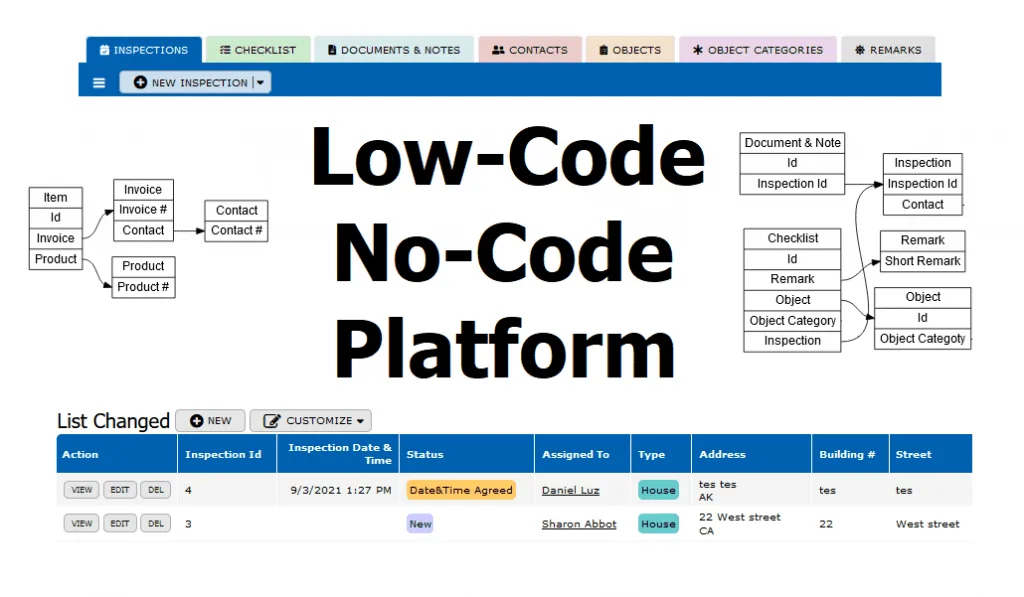
Low-code platforms allow applications to be built with minimal coding through drag-and-drop components and pre-built templates. They empower professional developers to accelerate delivery and also enable non-technical users to assemble simple applications. No-code platforms take this further by removing coding altogether, allowing anyone to create software visually.
These tools promise to democratize software creation, helping organisations respond to the global shortage of developers while accelerating time-to-market. However, they often introduce limitations in customisation, performance, and integration.
Exploring Custom Software Development

Custom software development takes a different route by involving a dedicated development team to design, code, and test applications from scratch. This approach ensures that the software is built to match specific business requirements, whether for complex enterprise systems, industry compliance, or long-term scalability.
Unlike low-code or no-code platforms, custom development offers complete control over architecture, integrations, and security. While the process may take several months and require a larger investment, the end result is a tailored product that provides a competitive edge.
Time-to-Market Considerations
Time is one of the most visible differences when comparing No-Code/Low-Code vs. Custom Software Development. Low-code and no-code platforms provide immediate access to tools, allowing businesses to start building applications without waiting for team availability. Prototypes and simple solutions can be launched within days or weeks.
Custom development, in contrast, often takes four to nine months, depending on scope and complexity. Although slower to deliver, it ensures higher quality, stability, and long-term adaptability.
Cost Implications of Each Approach
Cost is another decisive factor in this comparison. Low-code and no-code platforms usually operate on subscription models, making them affordable for small to medium-sized organisations seeking quick solutions. However, ongoing subscription costs, combined with limitations on customisation, can make them more expensive in the long run.
Custom software requires a higher upfront investment, as companies pay for skilled developers, designers, and quality assurance. Yet this investment often pays off by delivering proprietary systems that evolve with the business and do not rely on third-party providers.
Maintenance and Upgrades
Maintenance is handled very differently between the two models. Low-code platforms are generally offered as a service, with the vendor responsible for upgrades, patches, and enhancements. While this reduces the burden on small IT teams, it also creates dependency on the vendor’s roadmap and pricing.
Custom development requires ongoing support from an internal or outsourced team, but it provides businesses with full control over updates and future enhancements. This ensures that software evolves in alignment with the company’s needs rather than vendor-imposed restrictions.
Security Concerns in the Debate
Security is a central issue in the battle of No-Code/Low-Code vs. Custom Software Development. When using a low-code or no-code platform, businesses rely entirely on the platform provider’s security protocols. If vulnerabilities arise in the platform, every application built on it can become exposed.
Custom development, by contrast, offers the ability to embed industry-specific compliance requirements, integrate robust encryption, and design software with security at its core. For industries like healthcare and finance, this level of control is often non-negotiable.
Customisation and Flexibility
Customisation is where the gap between the two approaches becomes most evident. Low-code and no-code tools rely on pre-built modules, which limit the degree of uniqueness a business can achieve. Adding complex features or integrating third-party systems often introduces performance issues or requires expensive workarounds.
Custom software, on the other hand, is designed entirely around business requirements. Every feature, workflow, and interface can be tailored, providing both operational efficiency and market differentiation.
Determining Who Wins: No-Code/Low-Code vs. Custom Software Development
The ultimate winner in the debate depends on business goals, project scope, and long-term vision. No-code and low-code platforms excel when speed, affordability, and experimentation are top priorities. They are best suited for startups, small businesses, or departments that need to validate ideas quickly.
Custom software development, however, is the clear choice when security, scalability, and uniqueness are required. For enterprises or organisations with complex processes, custom-built solutions offer the durability and flexibility that platforms cannot match.
Progressive Robot’s Perspective
Progressive Robot has extensive experience working with both no-code/low-code and custom development approaches. While low-code tools can accelerate early-stage projects and empower non-technical teams, they cannot replace the depth and resilience of custom-built applications.
Businesses that want to stand out, protect sensitive data, and scale effectively often turn to custom development. Progressive Robot helps companies evaluate their requirements, assess available resources, and decide whether a platform-based or custom-built approach will yield the best results.
Conclusion: The Future of Software Development
Add Your Heading Text Here

Custom software development is not going away anytime soon, even as low-code and no-code platforms rise in popularity. These platforms may dominate in terms of volume, but custom development remains unmatched in delivering security, flexibility, and competitive advantage. For businesses that prioritise long-term growth and differentiation, investing in custom solutions is the best decision.
The real strength lies in knowing when to use each approach—leveraging low-code for quick wins while relying on custom development for core, mission-critical systems. Progressive Robot continues to guide businesses through this choice, ensuring that the software solutions they adopt are both effective today and sustainable for the future.










