
Pharmaceutical software development plays a crucial role in drug discovery, manufacturing, and distribution. These digital solutions help companies reduce errors, organise data efficiently, and comply with strict regulations. This guide explores everything about pharmaceutical software development, including its types, key components, benefits, and future trends.
What Are Pharmaceutical Applications?

Pharmaceutical applications are specialised software solutions designed for the healthcare industry. They streamline processes like clinical trials, regulatory compliance, drug production, and supply chain management. Pharmaceutical software development focuses on creating tools that improve accuracy, efficiency, and patient safety. These applications ensure seamless operations in a highly regulated environment.
Types of Pharmaceutical Platforms

Different pharmaceutical platforms serve unique purposes in the medical field. Each type enhances specific aspects of drug development and healthcare management.
Clinical Trial Management Systems (CTMS)
A CTMS helps plan, track, and manage clinical trials efficiently. It assists in study setup, patient recruitment, and trial monitoring while ensuring compliance with Good Clinical Practice (GCP). Pharmaceutical software development for CTMS improves data accuracy and regulatory adherence.
Laboratory Information Management Systems (LIMS)
LIMS streamline sample tracking, testing, and data management in labs. They centralise information for analysis and reporting, ensuring precision and compliance with research standards. Pharmaceutical software development for LIMS enhances lab productivity and data integrity.
Drug Safety and Pharmacovigilance Tools
These tools monitor drug safety post-launch. They collect and analyse side effect data while managing risks according to regulations. Pharmaceutical software development for pharmacovigilance ensures patient safety and regulatory compliance.
Key Components of Pharmaceutical Software Solutions
Pharmaceutical software solutions consist of several essential components that enhance functionality and compliance.
Audit Trail and Documentation
This feature tracks all changes and actions within the system. It maintains accurate records for regulatory audits and ensures transparency in pharmaceutical operations.
Regulatory Compliance Tools
These tools help companies follow standards like GMP and GCP. They manage documentation and ensure adherence to legal requirements in pharmaceutical software development.
Data Management Programs
These systems handle and store healthcare data securely. They maintain consistency and accessibility for research, production, and compliance purposes.
Quality Control and Assurance Modules
QA modules monitor manufacturing processes to ensure drug quality. They verify compliance with regulations and maintain production consistency.
Drug Discovery and Development Platforms
These platforms support research, testing, and drug formulation. Pharmaceutical software development for drug discovery accelerates innovation and improves efficiency.
Benefits You Get When Creating Your Own Platform
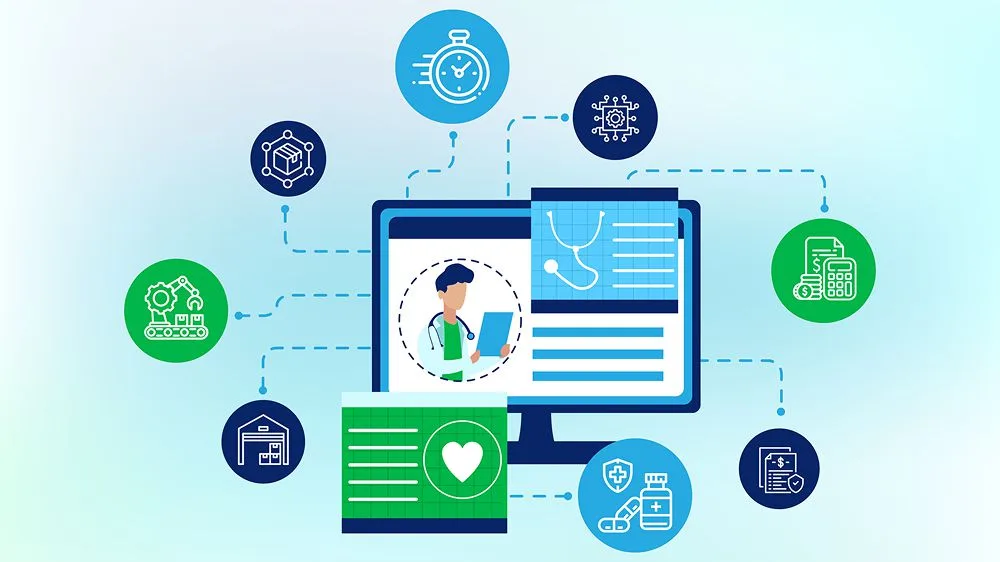
Custom pharmaceutical software development offers numerous advantages for healthcare organisations.
One major benefit is customisation. Tailored solutions align with specific workflows and regulatory needs. They adapt to unique business processes seamlessly.
Integration is another key advantage. Custom software connects with existing systems like EHR and lab tools. This ensures smooth data flow and operational efficiency.
Scalability allows the software to grow with your business. It handles increasing data, users, and features without performance issues.
Direct developer access ensures quick support and updates. Companies can resolve issues fast and implement improvements efficiently. Pharmaceutical software development provides long-term flexibility and control.
Development Process
The pharmaceutical software development process follows structured stages to ensure quality and compliance.
Requirement Gathering and Analysis
Developers first gather detailed project requirements. They analyse workflows, regulatory needs (like GMP, HIPAA, GDPR), and integration points with other systems.
System Design
UI/UX designers create a blueprint for the application. They define screen layouts, navigation flows, and user interactions for optimal usability.
Development
Developers build the software using modern technologies. They ensure scalability, modularity, and compliance with industry standards in pharmaceutical software development.
Testing
Rigorous testing verifies functionality, performance, and security. Testers identify and fix issues to ensure a high-quality final product.
Documentation
Developers prepare detailed documents, including design specs, user manuals, and validation protocols. Proper documentation supports regulatory compliance.
Deployment and Maintenance
The software launches in a live environment. Developers monitor performance, fix issues, and release updates to keep the system current.
Case Studies and Success Stories

Real-world examples demonstrate the impact of pharmaceutical software development.
Medidata Solutions
Medidata offers cloud-based clinical trial management solutions. Their platform improves data quality and accelerates drug development through advanced analytics.
Veeva Systems
Veeva provides cloud software for life sciences companies. Their Vault platform ensures regulatory compliance and efficient document management in pharmaceutical operations.
Cerner Corporation
Cerner specializes in healthcare IT solutions like EHR systems. Their software enhances patient care coordination and treatment outcomes across medical facilities.
Future Trends and Expectations

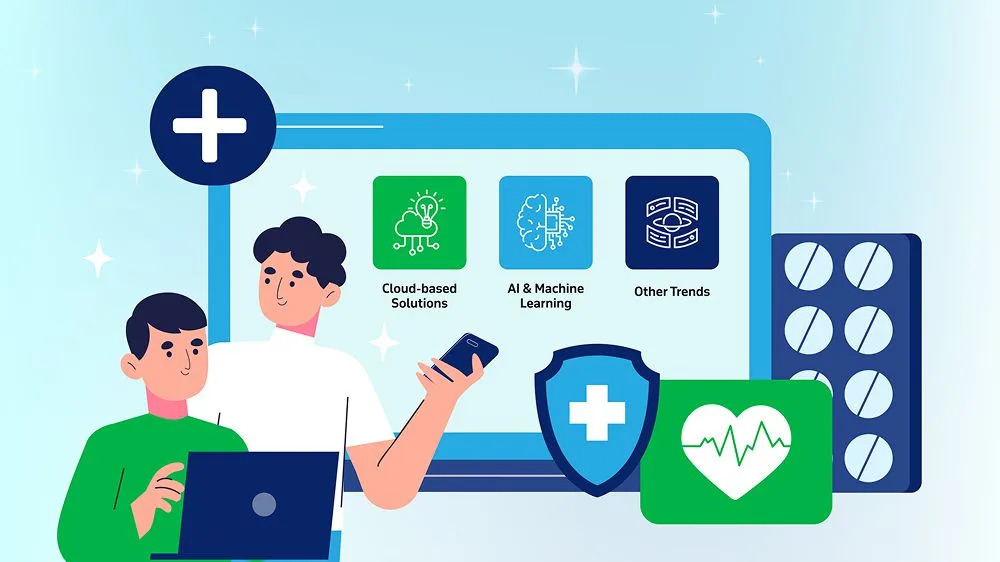
Pharmaceutical software development will evolve with emerging technologies.
Artificial intelligence (AI) and machine learning (ML) will transform drug discovery and personalised medicine. Blockchain will secure data across clinical trials and supply chains.
Telehealth and remote monitoring will expand clinical research beyond traditional settings. Augmented reality (AR) and virtual reality (VR) will improve medical training and patient care.
Cloud computing and big data analytics will enable faster decision-making in research. Pharmaceutical software development will drive innovation in healthcare technology.
Conclusion
Pharmaceutical software development enhances drug research, production, and compliance. Custom solutions improve efficiency, accuracy, and patient care in the medical industry.
Ready to build your own pharmaceutical software? Contact Progressive Robot today for expert development services tailored to your needs!










