

As AI technology advances, AI chatbots become more powerful. One effective way to enhance their performance is by fine-tuning them using methods like Low-Rank Adaptation (LoRA).
This article explores how LoRA can improve your AI chat assistant with LoRA, making it smarter and more adaptable. By the end, you’ll understand how this technique can transform your AI tool into a highly specialised assistant.
Understanding Large Language Models (LLMs)

Large Language Models like GPT-4 and BERT are advanced AI systems trained on vast amounts of text. They generate human-like responses, making them ideal for tasks like answering questions, translating languages, and holding conversations.
However, these models can sometimes be too general. They may struggle with niche topics or specific business needs. This is where fine-tuning methods like LoRA come into play.
Without adjustments, an AI chat assistant may provide generic answers. Fine-tuning helps tailor the model to deliver more precise and useful responses. This is especially important for businesses that need specialised interactions.
What Is LoRA (Low-Rank Adaptation)?

LoRA is a smart way to fine-tune large language models without heavy computing power. Instead of retraining the entire model, it adds small adjustments to key layers.
This method keeps the original model intact while introducing new capabilities. As a result, the AI chat assistant with LoRA becomes more efficient and cost-effective.
LoRA works by inserting low-rank matrices into the model. These matrices help adapt the model’s behaviour for specific tasks. The best part is that it doesn’t require massive resources like traditional fine-tuning.
Benefits of Using LoRA for AI Chat Assistants

One major advantage of LoRA is its efficiency. It uses fewer computing resources, making it a budget-friendly option. Businesses can improve their AI chat assistant with LoRA without high costs.
Another benefit is customisation. LoRA allows fine-tuning for specific industries or tasks. This means your AI assistant can provide more relevant answers.
Additionally, LoRA reduces the risk of overfitting. Since it only adjusts small parts of the model, the AI stays flexible. This ensures better performance in real-world scenarios.
How to Use LoRA with Your AI Chat Assistant
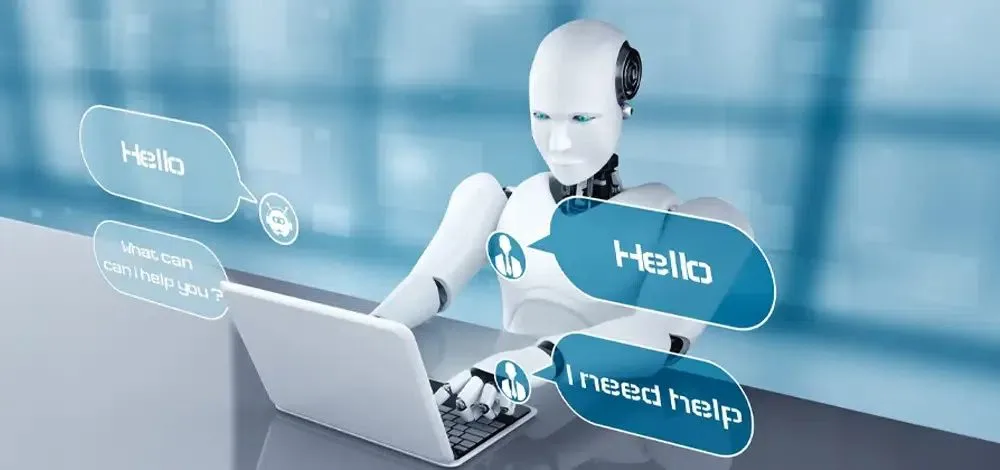
First, define your goals. Decide what tasks your AI chat assistant with LoRA should improve. Clear objectives make the fine-tuning process smoother.
Next, gather relevant data. This could include past conversations, industry terms, or specific queries. Clean and organise the data for training.
Then, integrate LoRA into your model. Follow the setup instructions for your chosen AI framework. This step involves adding low-rank matrices to the model’s layers.
After setup, fine-tune the model using your prepared data. Train the LoRA matrices to adapt the model’s responses. Test the updated assistant to ensure it meets your goals.
Finally, deploy the model and monitor its performance. Collect user feedback and make further adjustments if needed. Continuous improvement keeps your AI chat assistant with LoRA effective.
Case Studies and Examples

Several companies have successfully used LoRA to enhance their AI chatbots. Their results show the power of this fine-tuning method.
Sephora improved its AI assistant to provide personalised beauty advice. The AI chat assistant with LoRA helped customers find the right products, boosting satisfaction.
Babylon Health fine-tuned its chatbot for medical queries. The adapted model understood complex terms better, improving virtual consultations.
Duolingo used LoRA to enhance its language-learning assistant. The AI became better at addressing common student challenges, making lessons more effective.
Challenges and Considerations

While LoRA offers many benefits, there are challenges to consider. Data quality is crucial—poor data leads to poor performance.
Additionally, LoRA can’t fix fundamental flaws in the base model. Proper setup also requires technical expertise. Businesses must ensure they have the right skills.
Over-specialisation is another risk. The AI chat assistant with LoRA must stay balanced to handle diverse queries. Regular updates help maintain its effectiveness.
Future of LoRA and AI Chat Assistants
As AI evolves, LoRA will play a bigger role in customisation. Future advancements may make it even easier to integrate and use.
Industries like healthcare, education, and customer service will benefit the most. The AI chat assistant with LoRA will become a key tool for personalised interactions.
Conclusion
LoRA is a powerful way to enhance your AI chat assistant. It offers efficiency, customisation, and cost savings. By following the right steps, businesses can create a highly effective AI tool.
Want to improve your AI chat assistant with LoRA? Contact Progressive Robot today to discover how we can help you maximise AI performance!
More AI coverage: explore Progressive Robot's AI Models, Tools & Releases hub — hands-on reviews, setup guides and benchmarks in one place.