
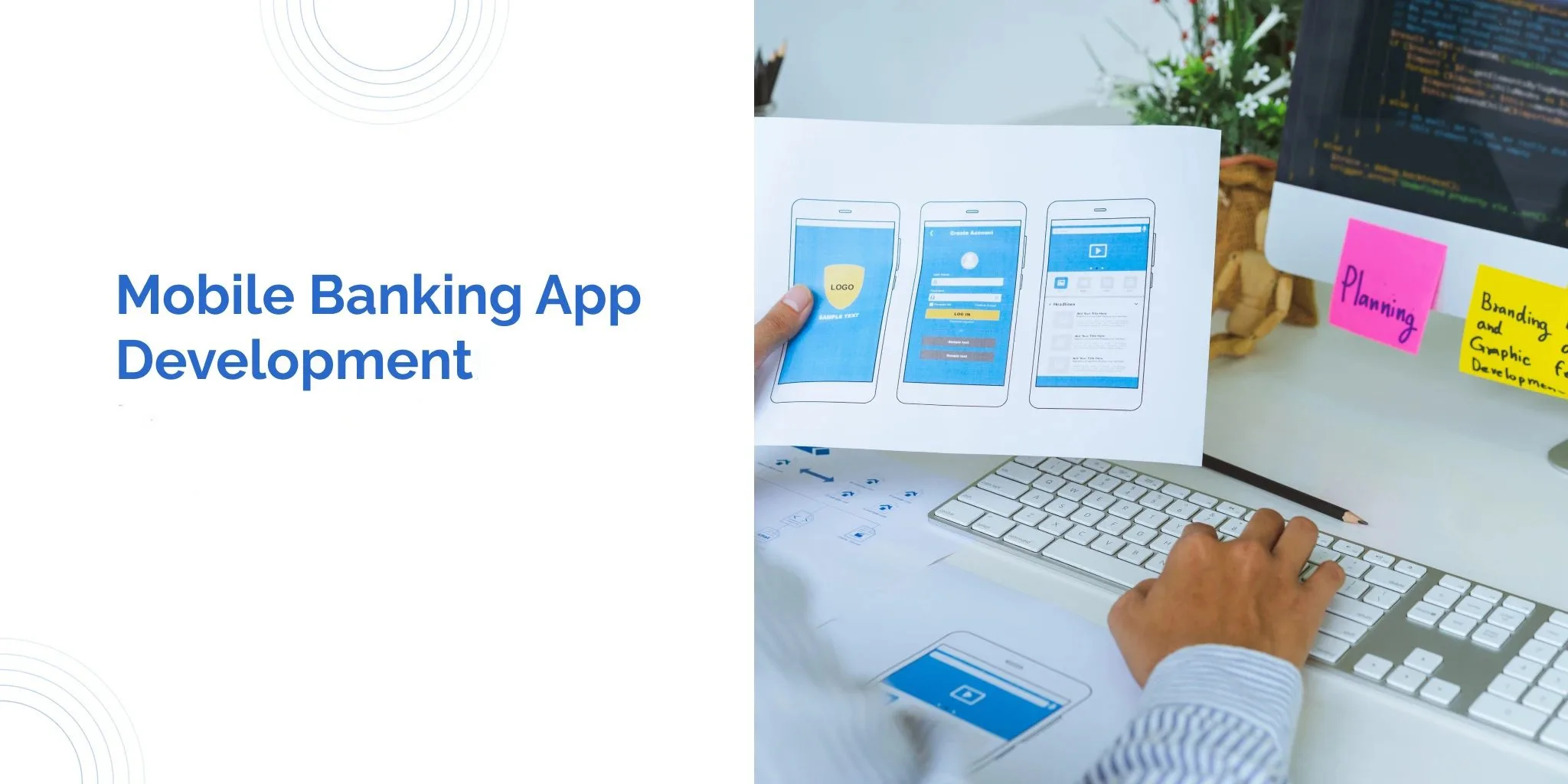
A Mobile Banking App lets users manage their finances from their smartphones. It allows checking balances, transferring money, paying bills, and more. These apps replace traditional bank visits with digital convenience.
Additionally, a Mobile Banking App provides real-time updates on transactions. Users receive alerts for payments, deposits, and suspicious activities. This keeps them informed and in control of their money.
Moreover, modern apps offer advanced features like budgeting tools and AI-driven insights. They cater to tech-savvy users who prefer quick, secure transactions. The demand for such apps is growing globally.
Banks and fintech startups are investing heavily in Mobile Banking Apps. A well-designed app builds customer trust and loyalty. It also opens new revenue streams for businesses.
Why Build a Mobile Banking App?

The digital banking market is expanding rapidly. Countries like the U.S., U.K., and Germany lead in mobile payment adoption. Users prefer apps over physical branches for daily transactions.
Furthermore, a Mobile Banking App reduces operational costs for banks. It minimizes the need for ATMs and tellers. This makes banking services more efficient and scalable.
Another advantage is customer retention. Users stay loyal to banks with seamless mobile experiences. Features like instant transfers and bill payments keep them engaged.
Startups can also disrupt traditional banking with innovative apps. Neobanks like Revolut and Chime have gained millions of users. A well-built Mobile Banking App can compete in this thriving market.
Key Features of a Mobile Banking App
User Account Management
Users should easily view balances and transaction history. A dashboard with spending summaries helps track finances. Simple navigation ensures a smooth experience.
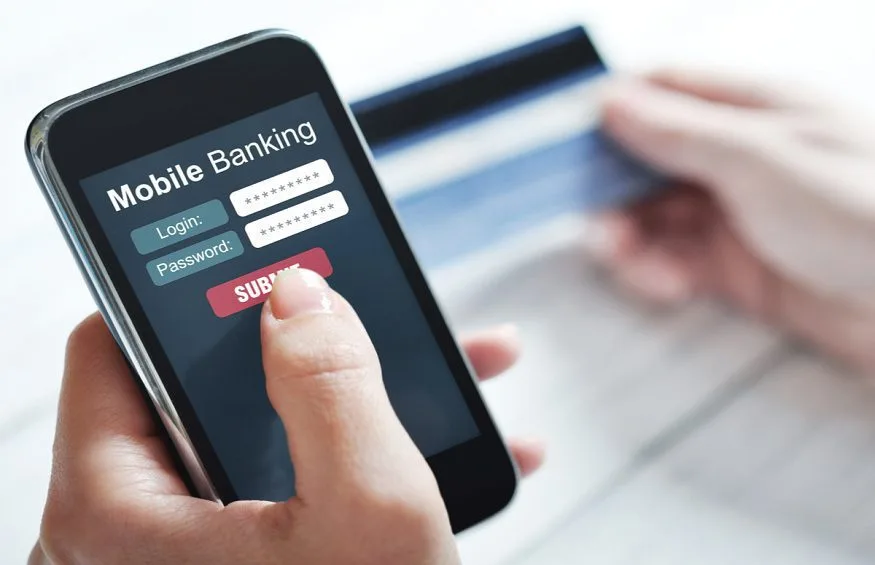
Secure Login Options
Biometric authentication (fingerprint or face ID) adds security. Two-factor authentication (2FA) prevents unauthorized access. These features build user trust.
Money Transfers & Payments
Peer-to-peer (P2P) transfers must be instant. Bill payments and scheduled transactions save time. International transfers should support multiple currencies.
Real-Time Notifications
Alerts for transactions, low balances, and fraud attempts keep users informed. Push notifications enhance engagement and security.
Budgeting Tools
Spending categorisation and savings goals help users manage money. AI-driven insights offer personalised financial advice.
Card Management
Users should block lost cards or set spending limits. Virtual card generation for online purchases adds convenience.
Customer Support
In-app chatbots and live chat resolve queries quickly. FAQ sections reduce dependency on human support.
Steps to Develop a Mobile Banking App
Define Your Goals
Identify your target audience and core features. Decide if your app will serve retail customers or businesses. Clear goals guide the development process.
Conduct Market Research
Analyse competitors and user preferences. Find gaps in existing apps to differentiate your product. Research helps in designing better solutions.
Choose the Right Tech Stack
For front-end, use React Native or Flutter for cross-platform apps. For back-end, Node.js or Python ensures scalability. Secure databases like PostgreSQL store sensitive data.
Focus on Security
End-to-end encryption protects user data. Regular security audits prevent breaches. Compliance with GDPR and PCI DSS is mandatory.
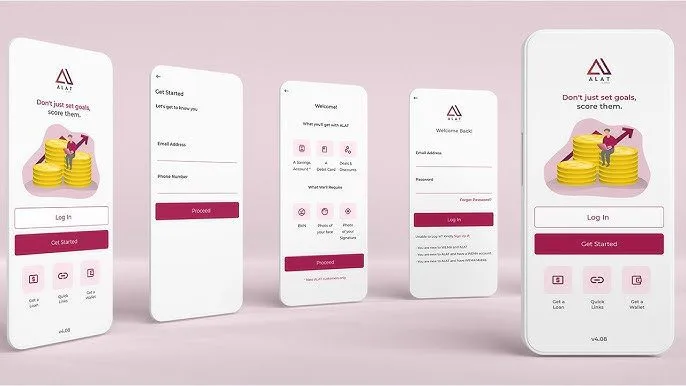
Design an Intuitive UI/UX
Keep the interface clean and easy to navigate. Use consistent colors and fonts. Test prototypes with real users for feedback.
Develop Core Features
Start with account management and money transfers. Add advanced features like AI analytics later. An MVP helps test functionality before full launch.
Test Thoroughly
Check for bugs, performance issues, and security flaws. Beta testing with a small group ensures a smooth user experience.
Launch and Market
Release the app on iOS and Android app stores. Use digital marketing to attract users. Offer promotions to encourage downloads.
Security Measures for Mobile Banking Apps
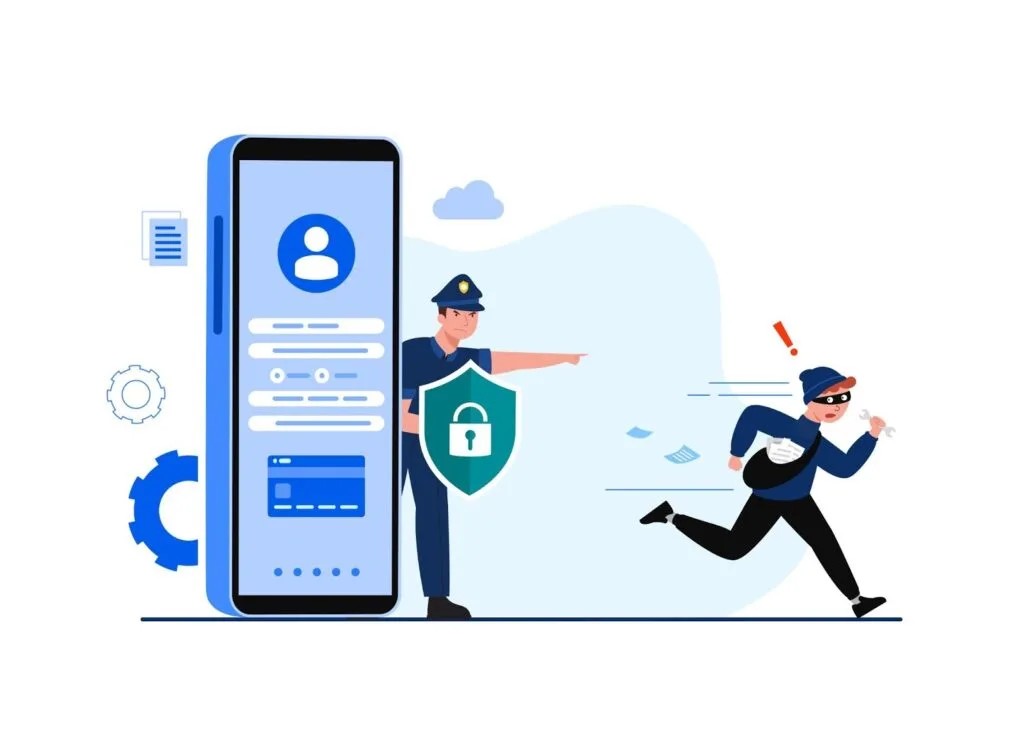
Data Encryption
AES-256 encryption secures sensitive information. SSL certificates protect data during transfers.
Multi-Factor Authentication (MFA)
Combine passwords with OTPs or biometrics. This reduces unauthorized access risks.
Fraud Detection Systems
AI monitors transactions for unusual activity. Instant alerts allow users to block suspicious transactions.
Secure APIs
APIs for payments must have strict access controls. Regular updates prevent vulnerabilities.
Compliance with Regulations
Follow GDPR, PSD2, and local banking laws. Non-compliance can lead to heavy fines.
Monetization Strategies
Transaction Fees
Charge small fees for instant transfers or international payments. Premium users can pay for fee-free transactions.
Premium Subscriptions
Offer advanced features like credit score tracking for a monthly fee. Personalised financial advice can be a paid service.
In-App Advertising
Display relevant ads from financial partners. Ensure ads don’t disrupt user experience.
Affiliate Partnerships
Earn commissions by promoting insurance or investment products. Partner with fintech firms for mutual benefits.
Challenges in Mobile Banking App Development
High Security Demands
Banking apps are prime targets for hackers. Robust security measures are non-negotiable.
Regulatory Compliance
Laws vary by country. Staying updated with changing regulations is challenging.
Integration with Legacy Systems
Older banking systems may not support modern APIs. Smooth integration requires expert handling.
User Trust Building
Customers hesitate to share financial data. Transparent policies and strong security build confidence.
Why Choose Progressive Robot?
Progressive Robot specializes in secure, user-friendly Mobile Banking Apps. Our expertise includes:
Advanced Security: We implement encryption, MFA, and fraud detection.
Custom Solutions: Tailored apps meet specific business needs.
Seamless Integrations: We connect apps with payment gateways and banking systems.
UI/UX Excellence: Intuitive designs enhance user satisfaction.
Scalability: Apps grow with your user base without performance issues.
Conclusion
A Mobile Banking App is essential for modern banking. It offers convenience, security, and advanced features. By focusing on user needs and robust security, you can build a successful app.
Partnering with experts like Progressive Robot ensures a high-quality product. Start planning your Mobile Banking App today and tap into the growing digital finance market.
FAQs
How much does it cost to develop a Mobile Banking App?
Costs range from 50,000forbasicappsto300,000+ for advanced features. Security and compliance add to expenses.
How long does development take?
A basic app takes 4-6 months. Complex apps with multiple integrations may require 9-12 months.
What are the must-have security features?
End-to-end encryption, biometric login, fraud detection, and regulatory compliance are essential.
Can I integrate cryptocurrency payments?
Yes, but ensure compliance with local laws. Blockchain integration requires additional security measures.
How do I keep users engaged?
Offer rewards, personalised insights, and seamless navigation. Regular updates with new features retain users.










