
Utilizing JIT and New Features for Real-World Gains

Optimizing Performance in PHP 8.3: Utilizing JIT and New Features for Real-World Gains

In the ever-evolving landscape of web development, performance remains a crucial factor for both user experience and business success. PHP 8.3, released in November 2023, brought several exciting features aimed at enhancing application performance, with Utilizing JIT compilation taking center stage. This article delves into the world of PHP 8.3 performance optimization, exploring how JIT works and showcasing concrete examples of how you can leverage these new features to achieve real-world performance gains.

Read more
Security and Privacy in the Age of Cyber Threats

Fortressing Your Digital Kingdom: Security and Privacy in the Age of Cyber Threats

In today’s hyper-connected world, where our personal and professional lives increasingly hinge on digital interactions, security and privacy have become paramount. As cyber threats evolve at an alarming pace, safeguarding user data and ensuring application integrity is no longer an afterthought, but a fundamental responsibility for any organization operating online. This article delves into the critical security measures that form the bedrock of a secure and privacy-conscious digital environment.

Read more
DevOps Integration

DevOps Integration: Orchestrating Efficiency and Collaboration in Software Development

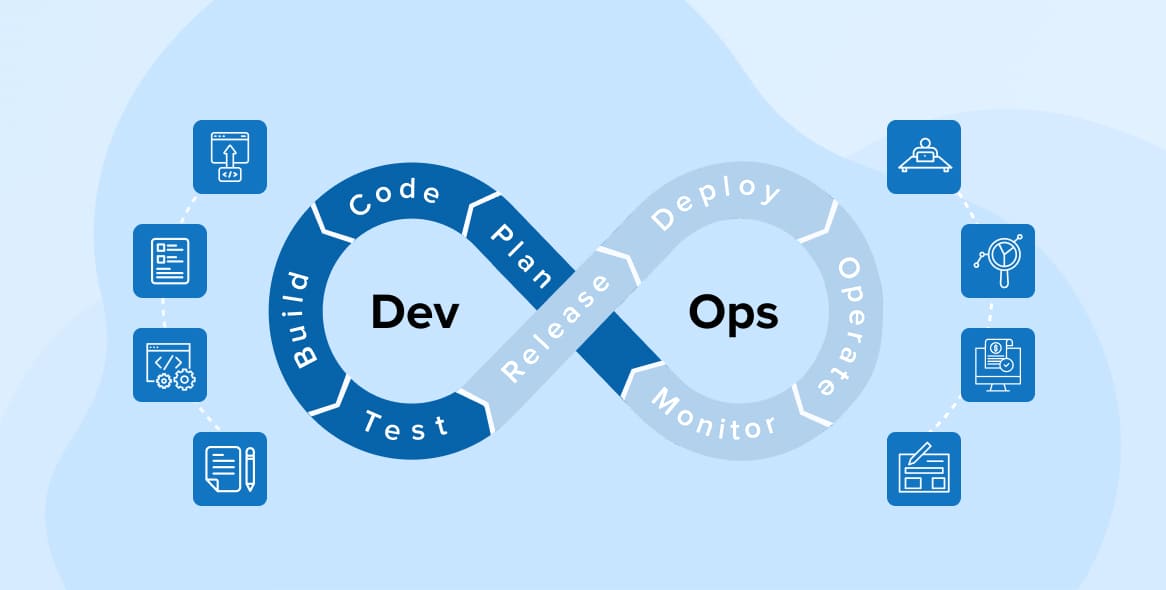
In today’s dynamic software landscape, where agility and rapid iteration are paramount, DevOps integration has emerged as a game-changer. By seamlessly merging development, operations, and security into a unified workflow, DevOps empowers organizations to deliver high-quality software faster and more reliably. At the heart of this integration lie powerful tools like Jenkins, GitHub Actions, and CircleCI, each offering unique functionalities to streamline the development, testing, and deployment processes.

Read more
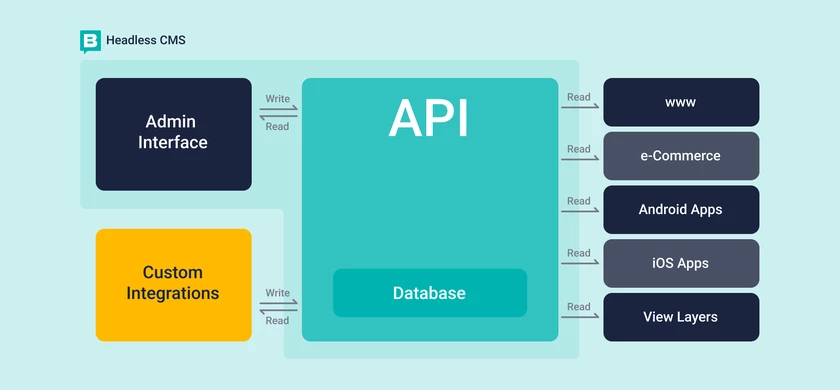
Headless CMS and Laravel

Unleashing Content Freedom: Headless CMS and Laravel for Dynamic Web Experiences

In the ever-evolving landscape of web development, Headless CMS shines as a paradigm shift, decoupling content management from front-end presentation. This architecture enables unparalleled flexibility and scalability, empowering developers to create dynamic websites and mobile apps with cutting-edge technologies. This article explores the synergy between headless CMS and Laravel, a robust PHP framework, highlighting the benefits and practical applications of this powerful combination.

Read more
AI/ML in Laravel

AI/ML in Laravel: Powering Smarter and More Engaging Apps

The landscape of software development is rapidly evolving, and Artificial Intelligence (AI) and Machine Learning (ML) are at the forefront of this transformation. Laravel, a popular PHP framework, offers a robust platform for building web applications, and by integrating AI/ML capabilities, developers can unlock exciting new possibilities. This article explores how AI and ML can be leveraged within Laravel applications, focusing on specific areas like personalized recommendations, anomaly detection, and predictive maintenance.

Read more
GraphQL APIs

GraphQL APIs: Unleashing the Power of Targeted Data Retrieval

In the ever-evolving landscape of web development, APIs play a crucial role in connecting applications and exchanging data. However, traditional REST APIs often encounter limitations when dealing with complex data structures and intricate retrieval requirements. Enter GraphQL APIs, a revolutionary query language that empowers clients to request specific data from an API, leading to improved performance, flexibility, and a more efficient development experience.

Read more
Cloud-Native Applications

Cloud-Native Applications: Supercharge Your Software with Scalability & Resilience

In today’s ever-evolving technological landscape, Cloud-Native Applications are rapidly reshaping the way we design, deploy, and operate software. Moving beyond traditional, on-premise infrastructure, these applications leverage the boundless potential of cloud platforms like AWS, Azure, and Google Cloud Platform (GCP) to achieve unparalleled scalability, flexibility, and resilience. Built with the cloud in mind, they embrace microservices architectures, containerization, and continuous delivery practices, delivering a dynamic and adaptable development experience.

Read more
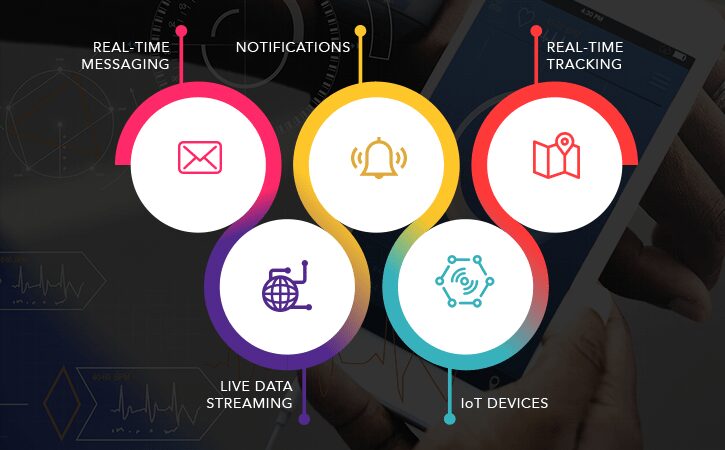
Real-time Applications

Real-time Applications: Engaging Users in the Now

In today’s hyper-connected world, users crave immediate interaction and dynamic experiences. Real-time applications answer this call, providing seamless data updates and fostering an immersive, engaging environment. Whether it’s collaborating on documents, witnessing live sports results, or chatting with friends across the globe, real-time technology bridges the gap between users and data, fostering a sense of shared presence and immediacy.

Read more
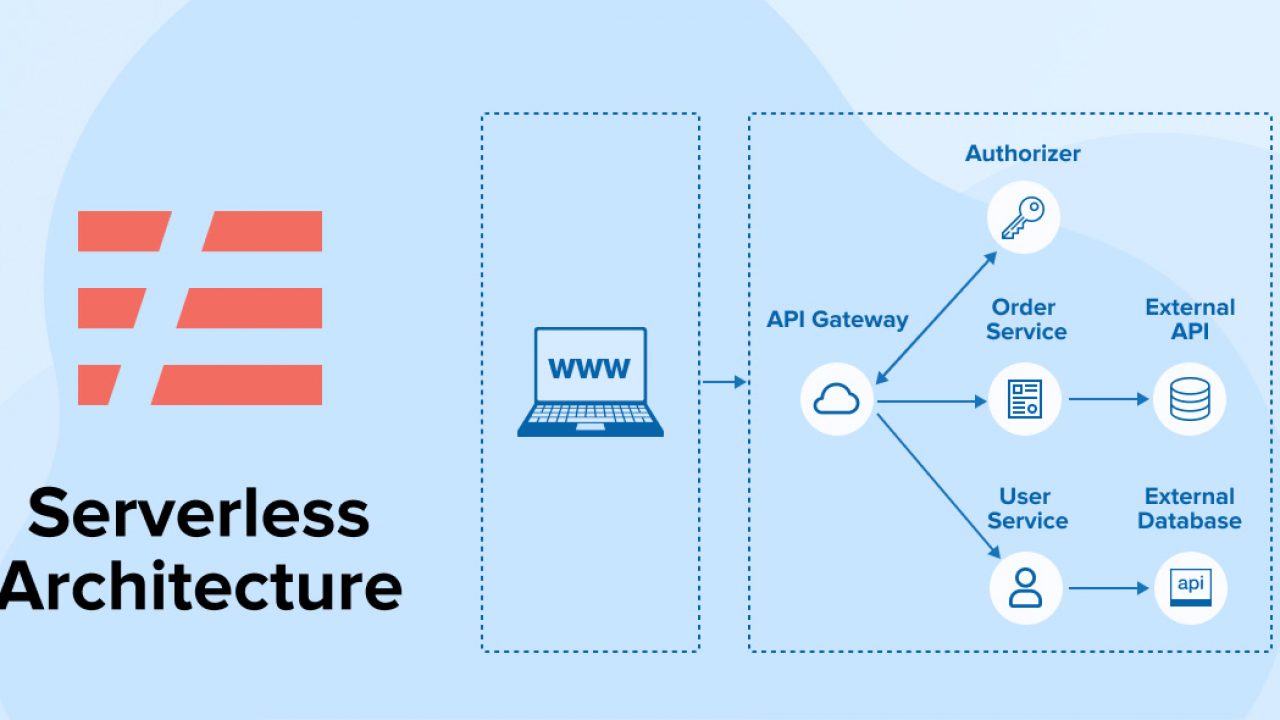
Benefits of Serverless Architecture for Laravel Applications

Serverless Architecture: Unleashing Agility and Innovation for Laravel Applications

In the ever-evolving landscape of software development, Serverless Architecture emerges as a revolutionary approach, shifting the paradigm from managing servers to focusing solely on code. By leveraging cloud platforms like AWS Lambda or Google Cloud Functions, developers can deploy and run code without infrastructure concerns, simplifying deployment, reducing costs, and fostering increased agility and innovation. For Laravel applications, Laravel Vapor streamlines the serverless journey, offering a seamless transition from traditional hosting to a serverless environment.

Read more
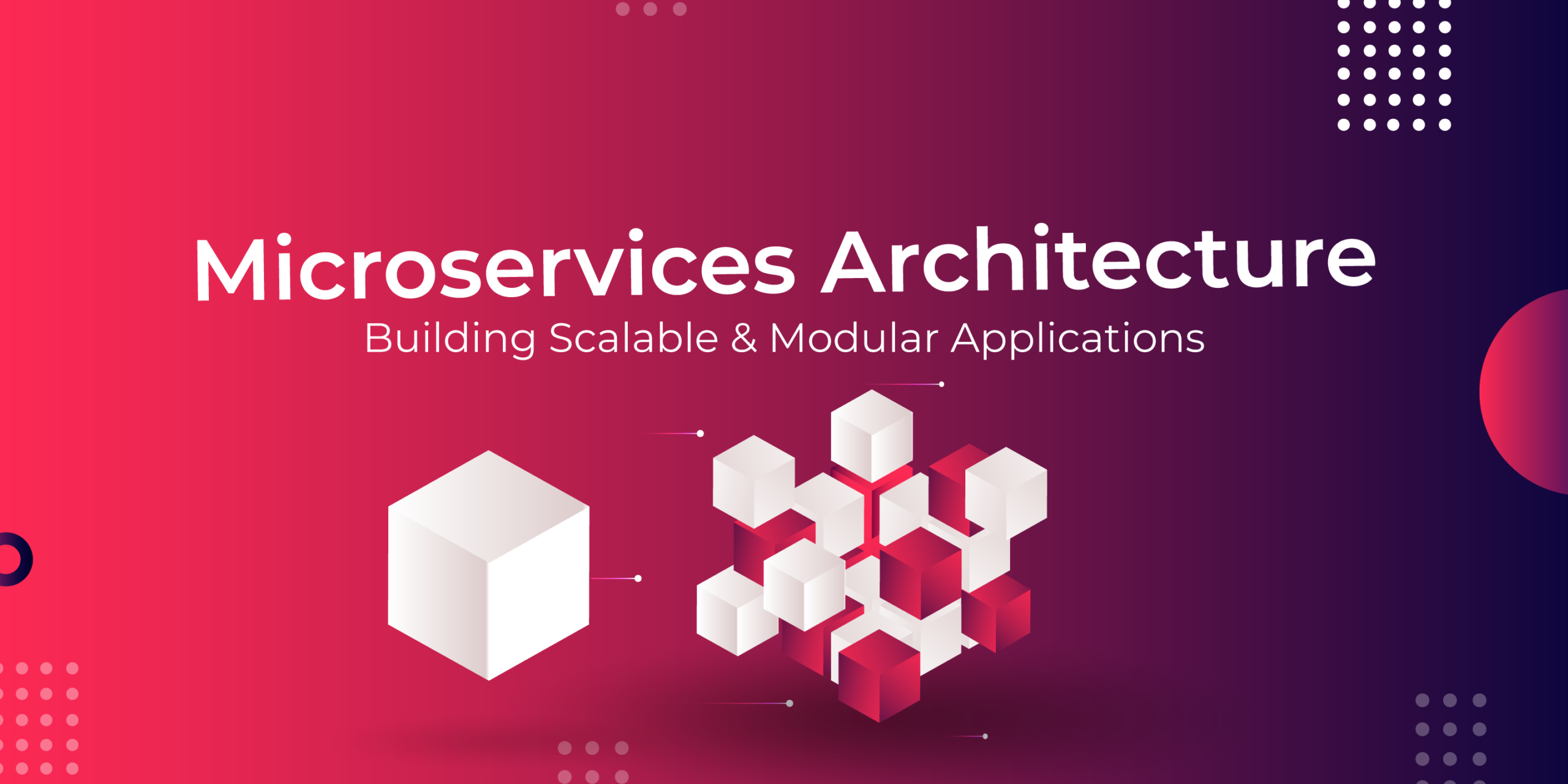
Microservices Architecture: Building Scalable and Flexible Applications with Laravel

Microservices Architecture: Building Scalable and Flexible Applications with Laravel

In today’s dynamic digital landscape, large, monolithic applications often struggle to keep pace with evolving user needs and rapid technological advancements. Microservices Architecture emerges as a powerful solution, offering increased scalability, maintainability, and deployment flexibility. This architectural style decentralizes applications into smaller, independent services that communicate with each other through APIs, fostering agility and empowering development teams.

Read more
CHAT