
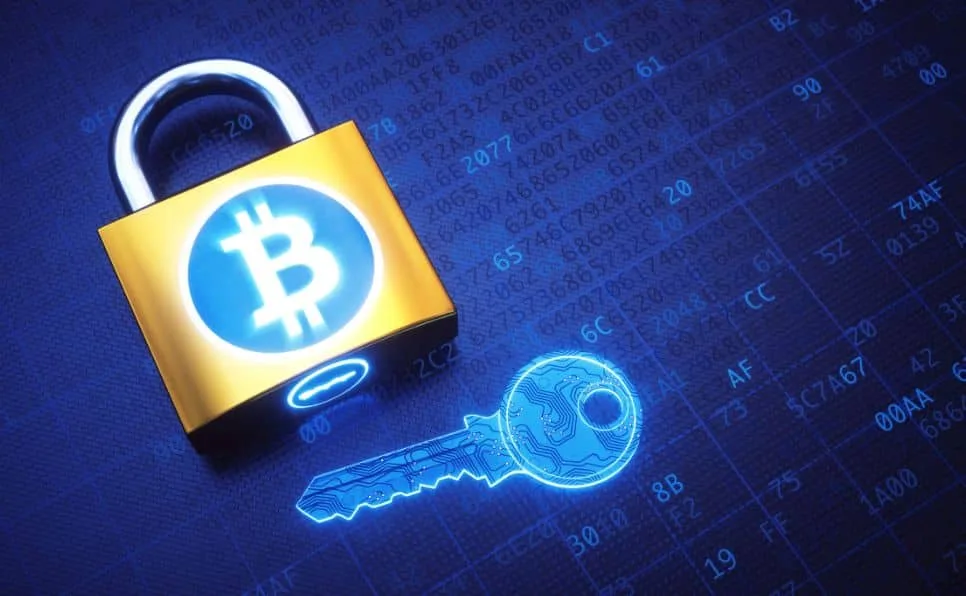
The digital world of cryptocurrency is one of its most distinctive features. Unlike traditional money, cryptocurrency does not exist in physical form. You cannot hold it as a coin, paper bill, or gold bar. There is no need to store it in a bank vault or safe deposit box.
Instead, cryptocurrency exists as a purely digital asset. It lives on decentralized networks and requires internet access for transactions. While this opens up new levels of freedom and accessibility, it also brings significant risks. Because of its intangible nature, cryptocurrency is just as vulnerable to theft as cash or gold—and in many cases, criminals target it through hacking rather than physical theft. This is why keeping your cryptocurrency safe is one of the most important responsibilities for anyone investing in digital assets.
Cryptocurrency Account Hacking Is on the Rise

As the cryptocurrency industry expands, so do the threats against it. Larger volumes of digital currency in circulation attract criminals, and both users and exchanges must take greater precautions to protect assets. If security fails to keep up, new investors may be hesitant to enter the market, slowing down mainstream adoption. Unfortunately, headlines about breaches and hacks are common, and they highlight how critical security has become.
In 2021, hacking and fraud in the crypto market reached record highs. That same year, the market’s value surged past two trillion dollars, a milestone that underscored the rapid expansion of digital assets. Yet, this growth also made crypto exchanges and wallets a prime target.
Research shows that breaches of wallets and exchanges have been the most common type of attack in the last decade, with 126 cases reported. In comparison, decentralized finance—or DeFi—recorded 41 attacks in the same period. While DeFi hacks are increasing as the technology matures, centralised platforms remain more frequent victims.
The financial impact is staggering. Over the past ten years, breaches and fraud combined have resulted in $19.2 billion worth of stolen funds. Bitcoin alone has been the target in over 33 percent of all reported incidents. Ethereum ranks second, with nearly 13 percent of attacks.
Fraud cases often produce even greater losses than hacks. According to Crypto Head, fraud schemes average around $365 million per incident—more than fourteen times the typical breach loss. The United States, United Kingdom, and South Korea have been the most heavily targeted nations, with seventeen, twelve, and nine major incidents, respectively.
The largest single hack remains the infamous Mt. Gox incident. Over several years, attackers drained $615 million from the exchange, eventually forcing it into insolvency in 2014. More recently, new attacks continue to highlight vulnerabilities, proving that without strong protection strategies, keeping cryptocurrency safe is nearly impossible.
How to Keep Your Cryptocurrency Safe

Security in cryptocurrency requires both individual responsibility and reliable platforms. Users must understand how wallets work, how to protect private keys, and which best practices will minimise risks. Exchanges and businesses, on the other hand, must adopt advanced safeguards, audits, and insurance policies to ensure trust. Let’s look at the most effective ways to keep your cryptocurrency safe.
Kinds of Cryptocurrency Wallets

The type of wallet you choose plays a major role in security. Wallets come in two broad categories: hot wallets and cold wallets. Each offers its own benefits and risks.
A hot wallet is an online wallet accessible through internet-connected devices like smartphones or computers. Hot wallets are extremely convenient for anyone who trades frequently or needs quick access to funds. They include web wallets, desktop wallets, and mobile wallets. However, convenience comes with a price. Because they remain connected to the internet, hot wallets are vulnerable to hacking attempts, malware, and phishing. For this reason, they are best used only for smaller amounts of cryptocurrency intended for active use.
Cold wallets, on the other hand, are offline storage methods. Also known as cold storage, these wallets are not connected to the internet and therefore offer far greater protection. Cold wallets often come in the form of hardware devices or even paper wallets. Since the private keys remain offline, hackers have no direct way to access them remotely. This makes cold wallets the preferred option for long-term investors who want to keep their cryptocurrency safe over time. Many experienced users combine hot and cold wallets: hot wallets for active trading, cold wallets for savings.
Basics of Keeping Cryptocurrencies Safe
Beyond choosing the right wallet, there are several essential practices every investor should follow.
One of the most critical is two-factor authentication. Relying on passwords alone is dangerous, as weak or reused passwords are easily exploited by attackers. Hackers employ keylogging tools, phishing scams, and malware to steal credentials. Two-factor authentication adds a second layer of protection. When logging in or withdrawing funds, users must confirm their identity with a one-time code sent via SMS, email, or an authenticator app. Even if a password is stolen, the extra step can block unauthorized access.
Another effective security practice involves linking accounts to specific IP addresses. By restricting access to a known set of devices or networks, users make it harder for hackers to penetrate accounts from unfamiliar locations. Some exchanges go further by monitoring user activity, sending alerts when suspicious logins occur, and even blocking access until the account holder verifies their identity.
Real-time notifications also play a crucial role in security. Exchanges that alert users when deposits or withdrawals occur give customers the chance to act quickly if suspicious activity is detected. Some platforms even allow users to cancel withdrawals directly from the notification email if they suspect fraud. This immediate intervention can prevent devastating losses.
Another important measure is delaying withdrawals after account details are changed. Hackers often attempt to modify emails, phone numbers, or authentication settings once they gain access. By imposing a waiting period before withdrawals are allowed after such changes, exchanges give legitimate account holders time to recover control before funds are stolen.
Insurance funds also provide an added layer of confidence. Some exchanges partner with external insurance providers, while others maintain internal reserves to compensate users in case of theft. While insurance cannot prevent attacks, it can mitigate financial damage and reassure customers that their assets are protected.
Finally, security audits strengthen trust. Regular audits expose vulnerabilities, ensure compliance with regulatory standards, and reassure both regulators and investors. System and Organisation Control audits, or SOC reports, are particularly valuable for exchanges. They demonstrate that internal controls are in place, risks are understood, and corrective measures are applied where necessary.
Bottom Line
The cryptocurrency industry holds immense promise, but without strong security practices, that promise can turn into peril. Keeping your cryptocurrency safe must always come first, whether you are an individual investor storing a few tokens or a global exchange managing billions in assets. The history of hacks and fraud makes it clear: neglecting security can lead to catastrophic losses.
Hackers continue to innovate, developing new methods to exploit weaknesses in exchanges, wallets, and user behaviour. The only defence is a proactive approach. For individuals, that means using cold wallets for long-term storage, activating two-factor authentication, monitoring accounts closely, and staying alert to phishing scams. For businesses, it means investing in audits, insurance, and advanced protection systems that reassure customers and regulators alike.
Launching or managing a cryptocurrency project without a solid cybersecurity framework is a gamble few can afford. Every year brings fresh examples of companies collapsing under the weight of security failures. The most successful organisations are those that place security at the center of their operations.
At Progressive Robot, we understand these challenges. Having developed large-scale cryptocurrency projects from the ground up, our team has the expertise to guide you through every stage of building secure blockchain applications. By combining technical excellence with industry best practices, we make the process of keeping your cryptocurrency safe straightforward and effective.
If you are ready to secure your digital assets and ensure your crypto project is built on a foundation of trust and safety, contact Progressive Robot today.