
In 2025, developers across industries are still debating TypeScript vs JavaScript, especially as application complexity grows and demand for maintainable code increases. If you’re building modern web applications, choosing between TypeScript and JavaScript is not just about syntax—it directly affects productivity, scalability, and debugging.
TypeScript vs JavaScript is no longer a niche discussion. It has become central to decision-making in tech teams, especially for companies like Progressive Robot, who are building complex, scalable, and enterprise-grade software.
What Is JavaScript?

JavaScript is a high-level, interpreted programming language that powers the web. It was created in the mid-1990s and has since evolved into one of the most widely used scripting languages. JavaScript runs directly in the browser, enabling interactive features like animations, dropdowns, modals, and form validations.
Modern JavaScript is supported by all major browsers, and it has become the foundation of front-end development. In recent years, JavaScript has expanded beyond the browser with environments like Node.js, making it suitable for full-stack development as well.
What Is TypeScript?
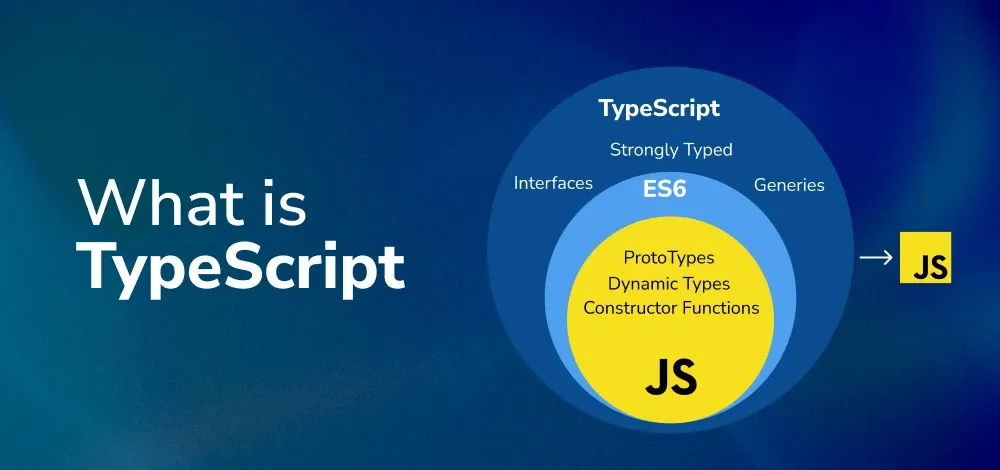
TypeScript is a superset of JavaScript created by Microsoft. It extends JavaScript by adding optional static typing and modern features that help developers write more robust code. TypeScript code is compiled into JavaScript, which can then be executed in browsers or on servers just like traditional JavaScript.
One of TypeScript’s primary goals is to bring predictability and structure to JavaScript. By adding type annotations, developers can catch errors early during development rather than during runtime. This is especially important for large-scale projects where code complexity increases over time.
Type Checking: The Core Difference
The key difference in the TypeScript vs JavaScript comparison lies in type checking. JavaScript is dynamically typed, meaning variables can hold any type of value at any time. This provides flexibility but also increases the risk of runtime errors, especially when working on large codebases or collaborating in teams.
TypeScript introduces static typing. Variables, functions, and objects can be assigned specific types, which the compiler checks before running the code. This makes it easier to identify bugs early and understand what type of data a function or variable should handle.
Developer Experience and Tooling
When comparing TypeScript vs JavaScript, the developer experience is significantly enhanced in TypeScript due to its tooling support. Integrated Development Environments (IDEs) like Visual Studio Code offer intelligent code suggestions, auto-completion, and refactoring tools, thanks to TypeScript’s type system.
JavaScript, while more flexible, lacks this level of built-in tooling. Developers working in JavaScript often rely on extensive testing and manual checks to ensure their code functions as expected. TypeScript, on the other hand, provides better documentation through types, which helps onboard new developers faster.
Code Maintainability and Collaboration
For large-scale applications, TypeScript provides a structured approach to building software. By enforcing types and allowing interfaces and generics, it becomes easier to maintain code, even as teams and projects grow.
In contrast, JavaScript’s flexibility can lead to messy and error-prone code, particularly when multiple developers are working on the same project. Progressive Robot has found that adopting TypeScript in team-based development environments improves collaboration, minimizes misunderstandings, and reduces bugs in production.
Performance and Compilation
One important aspect in TypeScript vs JavaScript is performance. Both ultimately run as JavaScript in the browser or server environment, so there’s no difference in runtime performance. However, TypeScript requires a build step to compile code into JavaScript, which can slightly slow down development if not properly managed.
JavaScript doesn’t require compilation, which means changes are reflected immediately. This can be an advantage for rapid prototyping, but in return, developers have less error detection during coding.
Learning Curve and Adoption
JavaScript is easier to learn for beginners because of its minimal setup and forgiving syntax. It allows developers to quickly experiment and see results in the browser. However, this simplicity can become a limitation as projects scale.
TypeScript has a steeper learning curve because it introduces concepts like types, interfaces, and generics. Despite this, many teams at Progressive Robot prefer TypeScript for its long-term benefits, especially in enterprise applications where code quality and predictability are crucial.
Community and Ecosystem
JavaScript has a massive community and a rich ecosystem of libraries, frameworks, and tutorials. It is deeply integrated into the web, and almost every developer has used it at some point.
TypeScript is growing rapidly and is now supported by most major frameworks, including React, Angular, and Vue. The community has embraced it due to its compatibility with existing JavaScript code and its gradual adoption path, making it easier to convert projects incrementally.
Backward Compatibility and Migration
One of TypeScript’s biggest advantages is that it is backward compatible with JavaScript. This means developers can rename .js files to .ts and gradually introduce type annotations. Many companies, including Progressive Robot, have successfully migrated large JavaScript codebases to TypeScript without needing a complete rewrite.
This makes TypeScript a safer and more flexible option when enhancing existing applications, rather than starting from scratch.
Which One Should You Choose?
The choice between TypeScript and JavaScript depends on the specific needs of your project. For small projects or quick prototypes, JavaScript’s simplicity and speed may be enough. But for large-scale applications, enterprise software, or when working in teams, TypeScript offers better tools, maintainability, and long-term value.
Progressive Robot has found that using TypeScript results in fewer bugs, faster team onboarding, and improved overall code quality—especially in production-grade systems.
Conclusion: Why the Debate Matters

The TypeScript vs JavaScript debate isn’t about declaring a winner. It’s about understanding what each language offers and choosing the one that aligns with your project goals. JavaScript remains the language of the web, with unmatched flexibility and accessibility.
But as complexity grows, TypeScript provides the structure, tooling, and safety needed to keep projects reliable and scalable. The trend among professional developers, including those at Progressive Robot, points clearly toward TypeScript as the preferred choice for robust, long-term software development.










